In the pantheon of French minimalism, few names carry the understated weight of A.P.C., the label founded by Jean Touitou in 1987 on a philosophy of restrained, intellectual wardrobe staples. While the brand’s raw selvedge denim has long been its baptismal offering, the current fashion moment demands a closer look at a piece that seamlessly bridges that heritage with the prevailing ethos of quiet luxury: the A.P.C. Grace Cardigan. This is not merely a knit; it is a thesis on materiality and memory, a garment that reinterprets the rebellious DNA of denim through the genteel language of a classic button-front cardigan. As the industry continues to eschew logos in favor of provenance and tactility, the Grace Cardigan emerges as a definitive answer to the question of what we should actually be wearing.
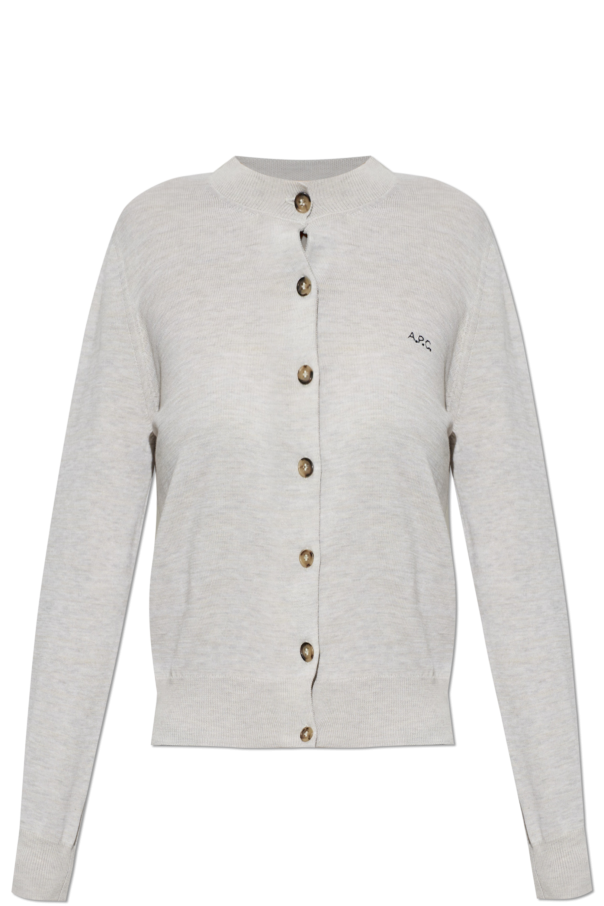
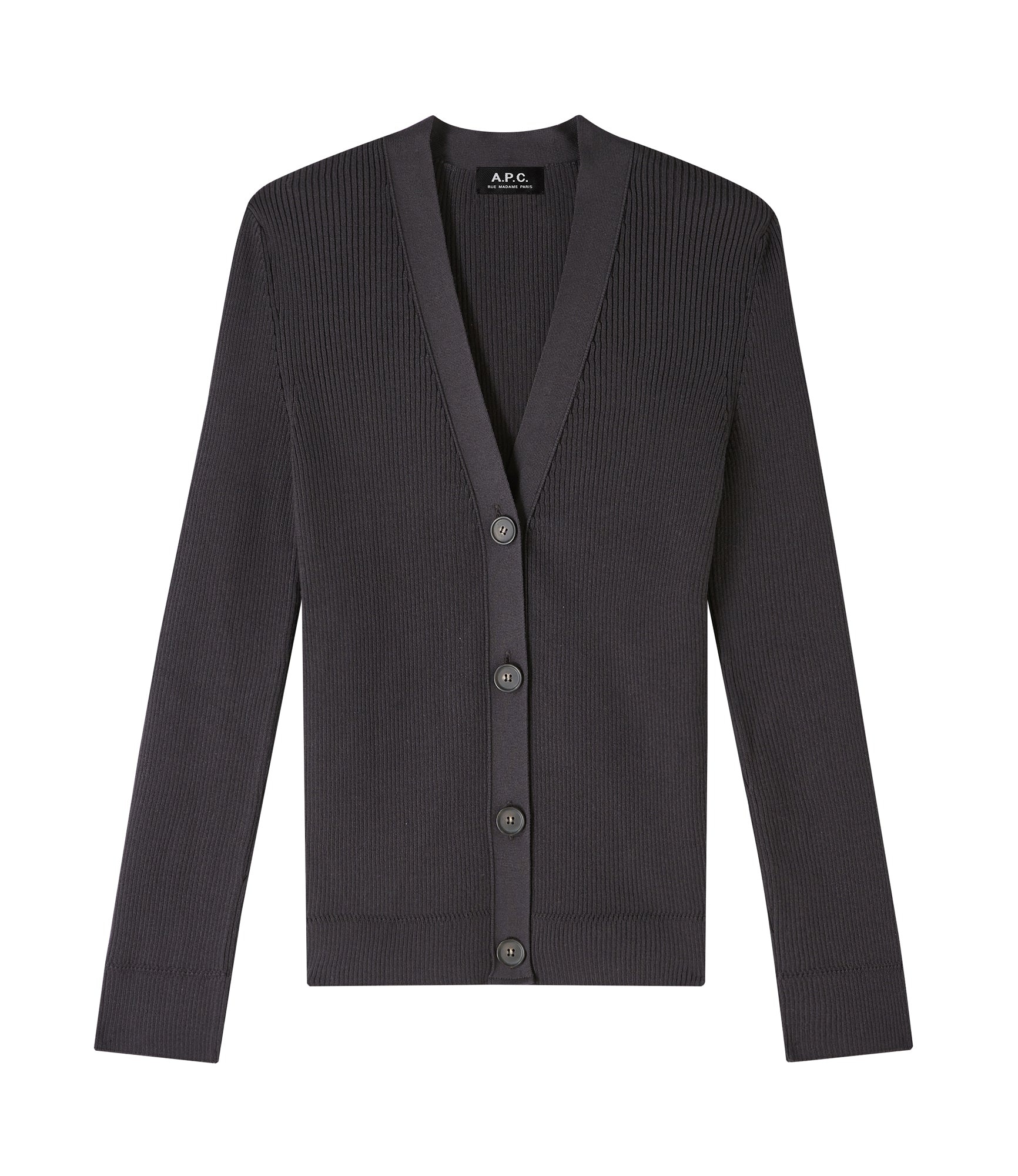
At first glance, the Grace presents the familiar architecture of a timeless layer—a V-neckline, a column of horn-effect buttons, and a ribbed trim that frames the silhouette with deliberate precision. But the genius of this piece lies in its fabrication, which is where A.P.C. executes its most compelling sleight of hand. Touitou, ever the alchemist of contradictions, has constructed the cardigan from a yarn that mimics the weight, slub, and visual texture of denim. The result is a garment that feels like a well-worn pair of jeans but drapes with the fluidity of a fine merino wool blend. This is the "denim revival" rendered not through a five-pocket jean, but through a knitted homage—a way to wear the cultural memory of American workwear without sacrificing the polished composure of French dressing. The color palette, anchored in deep indigo and washed-out stone blues, further cements its lineage to the dye vats of the Nîmes mills, offering a depth of hue that shifts subtly with the light.
The Cultural Context: Denim’s Quiet Coup
The cultural context here is essential. We are currently deep in the throes of quiet luxury, a movement that prizes the invisible cost of excellence over the visible logo. Yet, the Grace Cardigan succeeds because it subverts the movement’s often-staid uniform of camel coats and grey knitwear. It injects a working-class vernacular—the heritage of denim—into a silhouette that whispers of Riviera ease. It is a nod to the 1990s, when A.P.C. first began championing this juxtaposition, but refined for a contemporary audience that understands that true luxury is about the sensation against the skin and the integrity of the weave. The cardigan acknowledges that denim is the true American uniform, but it asks, with Gallic wit, what happens when that uniform is softened, re-spun, and given a second life as a piece of elevated knitwear.
How to Wear the Grace
This makes the Grace Cardigan a profoundly versatile piece for the modern wardrobe. It is designed for the individual who appreciates the patina of age but prefers not to wait a decade for a pair of jeans to break in. Who is this for? It is for the creative director who pairs it over a crisp white poplin shirt and tailored wool trousers, grounding the formality with a touch of rugged ease. It is equally for the weekend minimalist who layers it over a heavyweight cotton tee with raw denim, creating a nuanced dialogue between the two denim textures. The cardigan acts as a chameleon, adapting to its environment while consistently asserting a quiet confidence. It matters now precisely because we are fatigued by the loud and the ephemeral; we crave objects with a narrative. The A.P.C. Grace Cardigan offers a narrative of rebellion tamed, of heritage re-cut, and of a brand that refuses to shout its name but instead lets the quality of its yarn speak volumes.
A Sartorial Antidote to the Noise
In an era where the news cycle is dominated by political defections and high-stakes campaigns—a world of noise and partisan fervor—the Grace Cardigan stands as an antidote of sartorial neutrality. It does not belong to any faction; it belongs to the discerning individual. Its reissue is a timely reminder that some things are worth repeating, not because they are new, but because they are right. The cardigan’s structured yet soft shoulder, its substantial yet breathable knit, and its quiet nod to the most iconic fabric in history make it a cornerstone piece. It is the kind of garment that survives trend cycles because it is built on a foundation of material truth.
When you slip it on, you are not just wearing a cardigan; you are wearing a considered argument for the enduring power of thoughtful design—a denim revival that feels less like a trend and more like a return to a refined, intentional way of dressing.