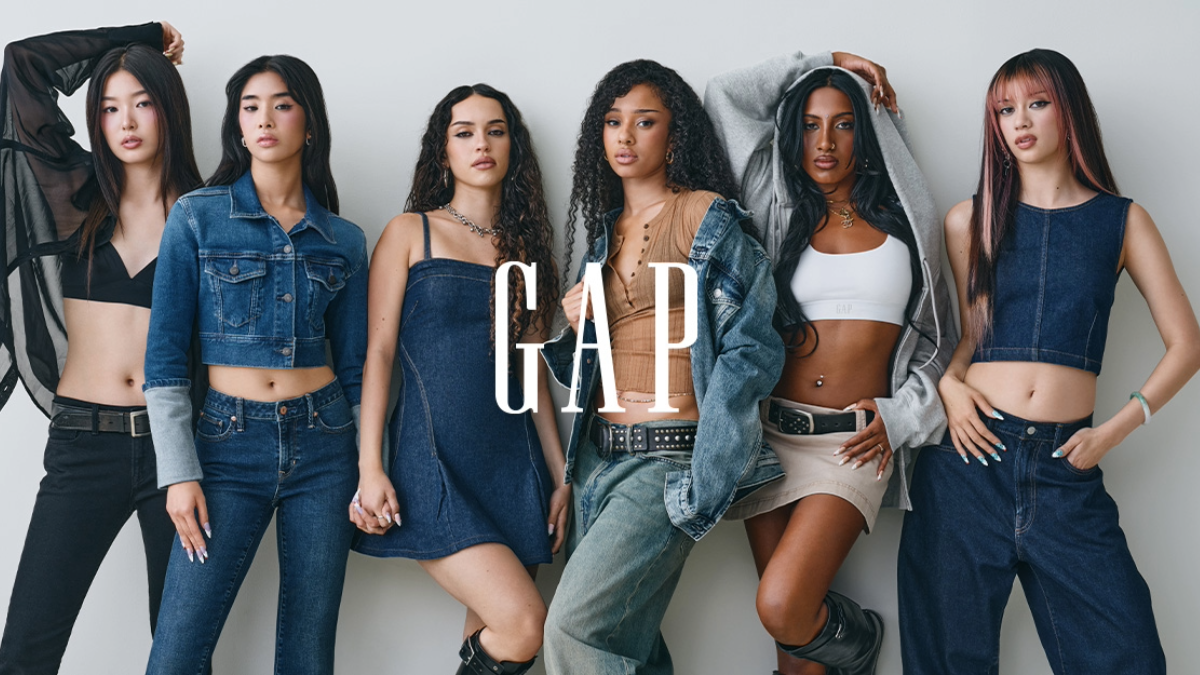
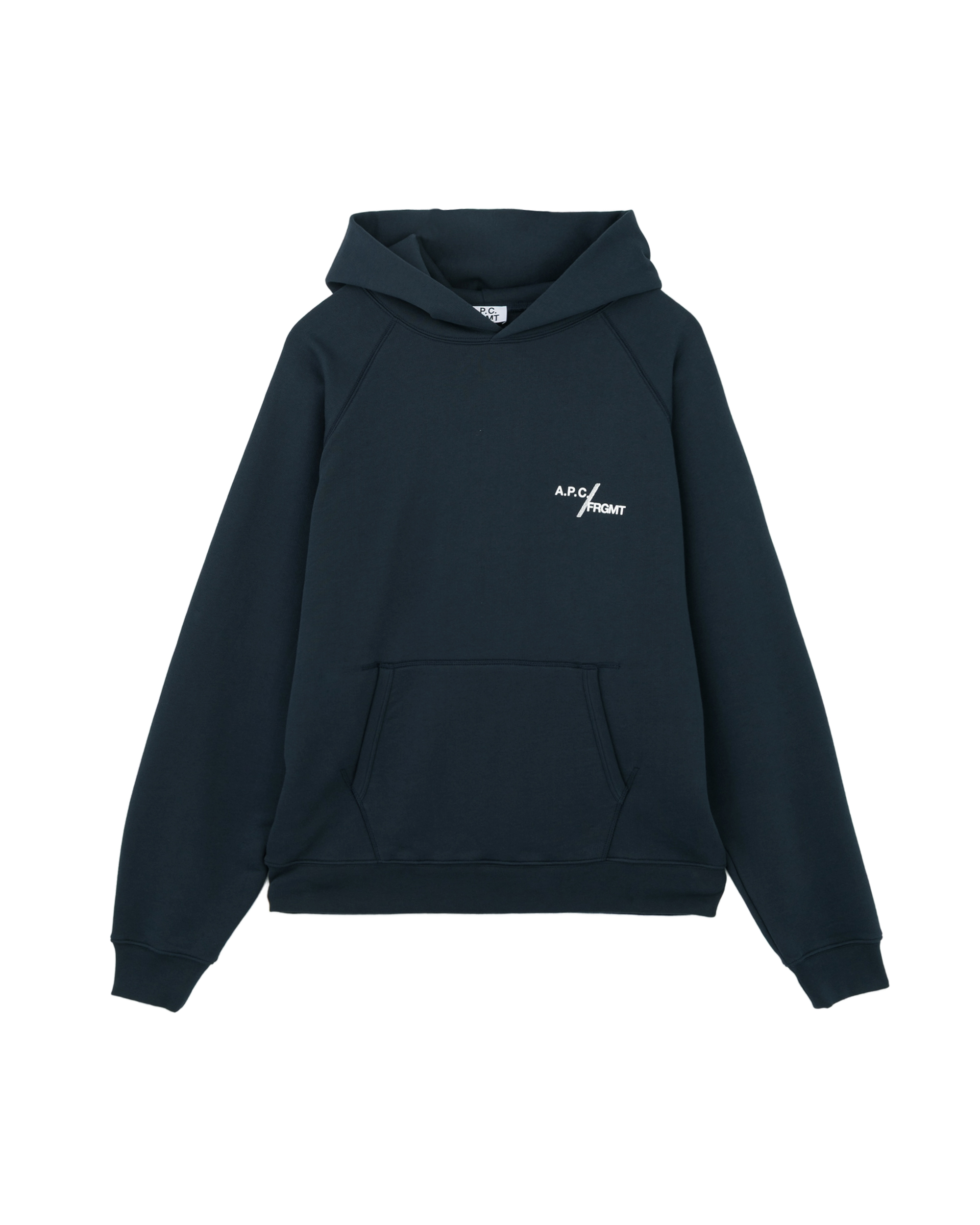
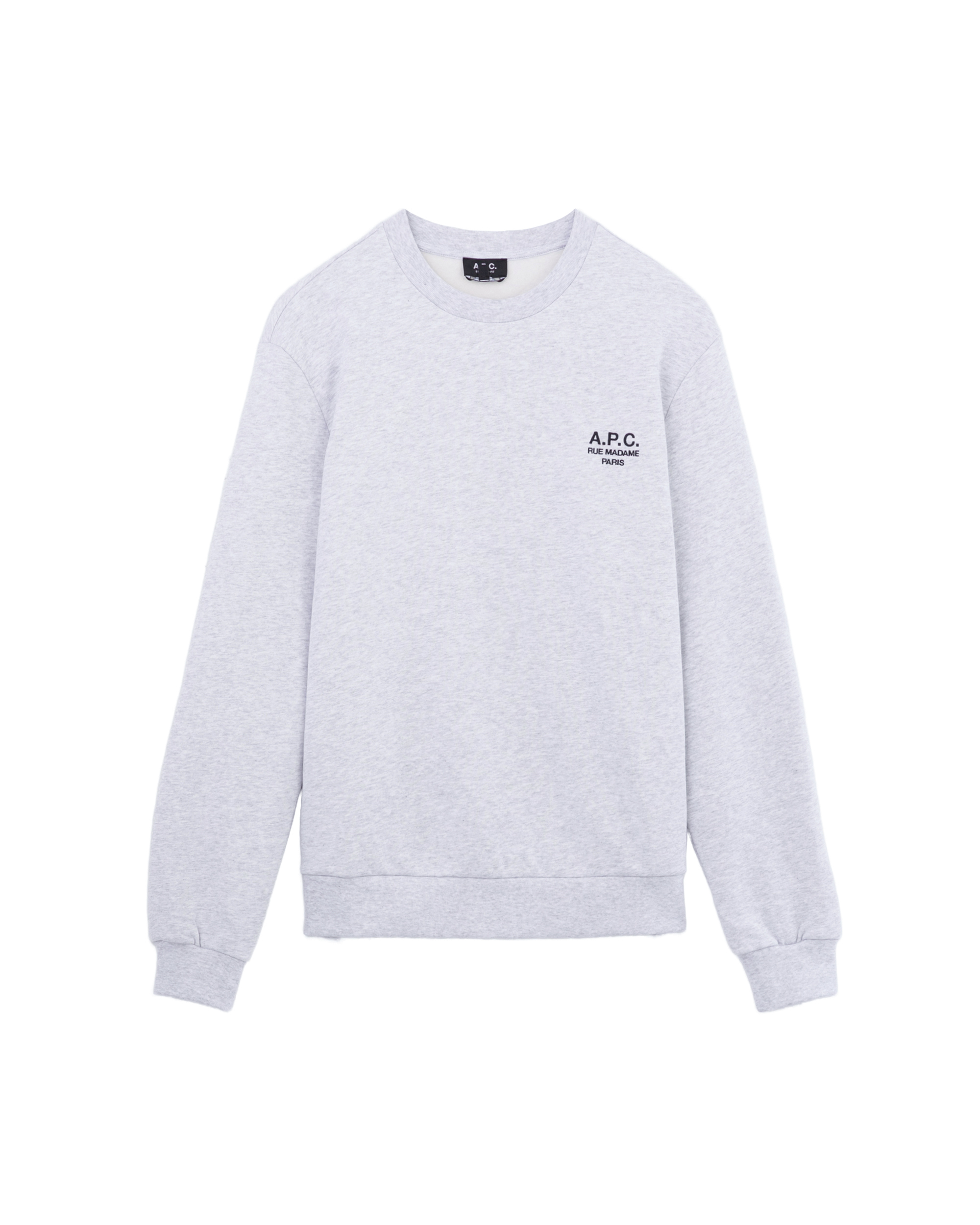
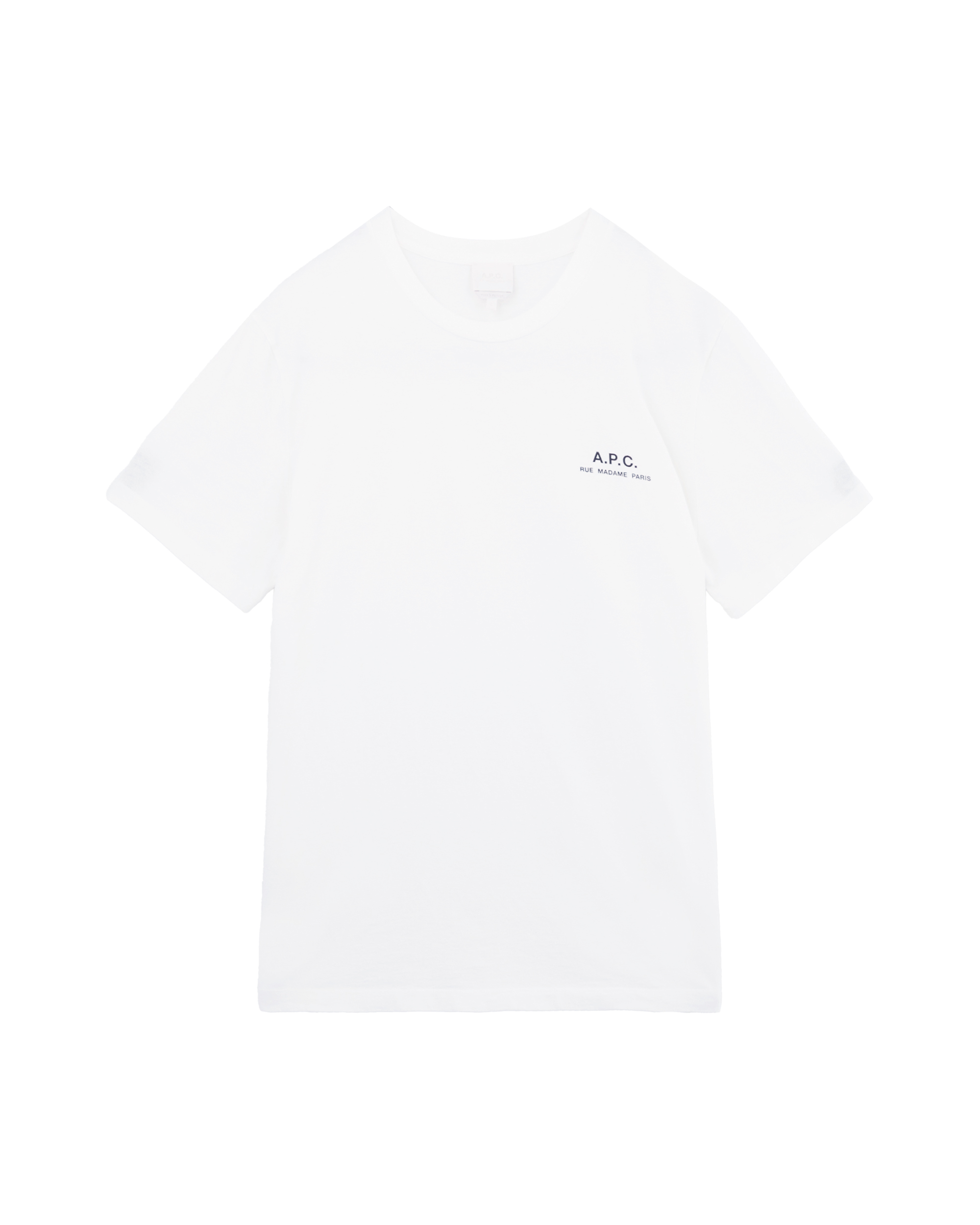
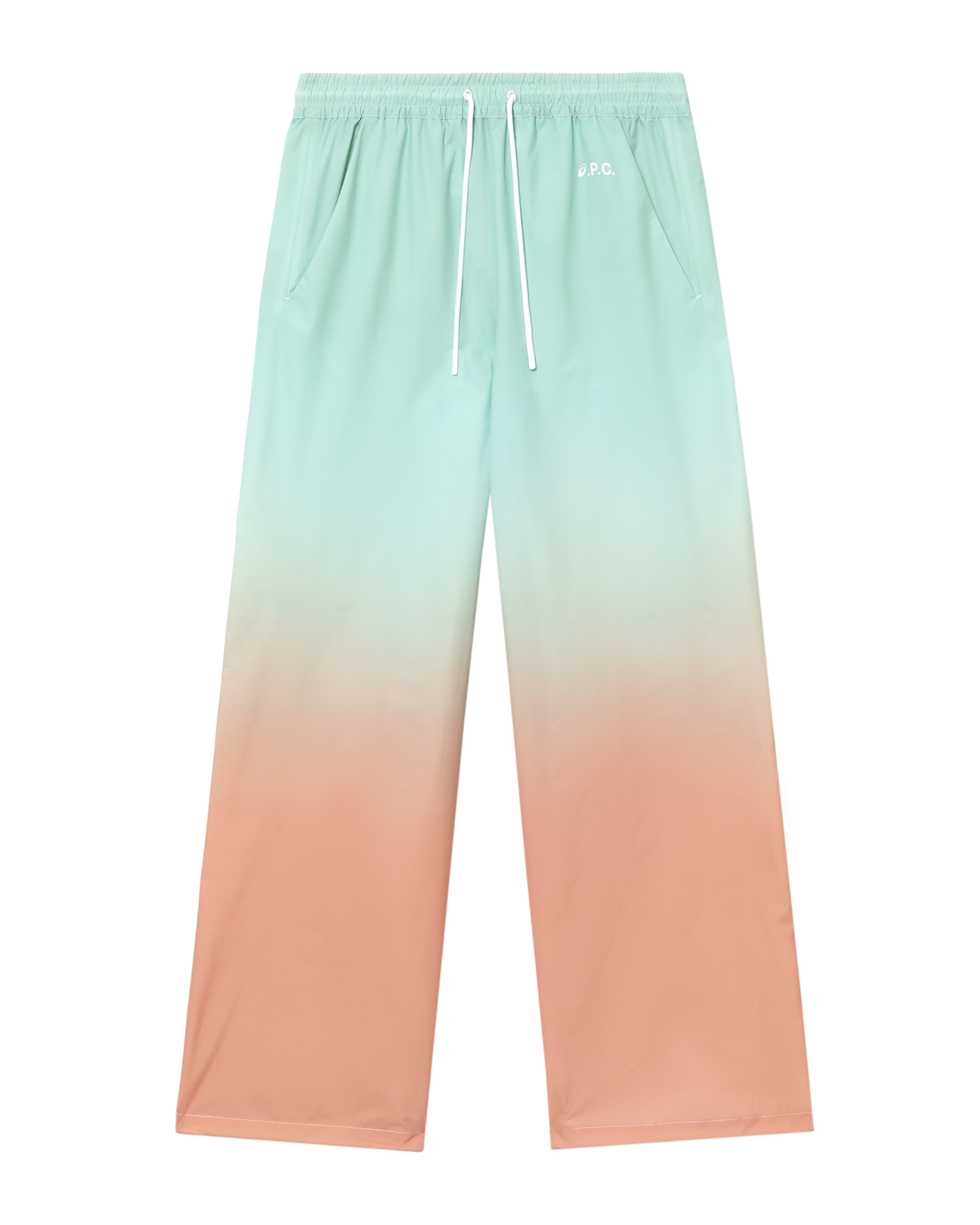
The most quietly radical thing about the Gap x A.P.C. fall collection is that it refuses to shout. Thirty-seven pieces of apparel and accessories, announced to considerable fanfare across Vogue, Hypebeast, and WWD, and yet the entire proposition rests on a paradox only a certain kind of designer could pull off: taking the most democratic garments in the American wardrobe and rendering them with the restraint, the slightly austere precision, that has defined A.P.C. for nearly four decades.
Jean Touitou founded Atelier de Production et de Création in 1987 with a contrarian instinct — clothes stripped of logo noise, cut with intention, meant to be worn until they wear out. To apply that sensibility to Gap, the brand that essentially invented casual American uniform dressing, is less a marketing exercise than a philosophical reconciliation. As Vogue framed it, this is "a chic way to be casual and a casual way to be chic," and that phrasing gets at exactly why the collection matters.
Two Houses, One Vocabulary
Consider what each brings to the table. Gap supplies the archetypes: the oxford shirt, the heavyweight hoodie, the khaki, the denim jacket, the tote. These are garments so embedded in the culture they have become almost invisible — which is precisely what makes them difficult to improve. A.P.C. supplies the discipline.
The Parisian label's signature moves are all present: garment-dyed fabrics that soften with wear, a muted palette of ecru, indigo, charcoal, and washed navy, and a fit philosophy that favors a clean shoulder and a straight line over anything trendy. Collaborative pieces carry subtle co-branding — understated woven labels rather than loud graphics — honoring Touitou's long-standing allergy to ostentation. Materials skew toward honest cotton twill, brushed fleece, and Japanese-influenced denim, the sort of textiles that look better in year three than in week one.
The Cultural Math Behind the Match
The timing is shrewd. Gap has spent the past several years cycling through creative directors and searching for a coherent identity in a market that no longer needs a mall brand to tell it what basics are. Meanwhile, the "French-girl" aesthetic — that enduring fantasy of effortless, slightly undone polish — remains one of the most bankable codes in fashion, endlessly referenced and rarely executed with authenticity.
A.P.C. is one of the few labels with a legitimate claim to it, precisely because Touitou never chased the trend; the trend came to him. Marie Claire noted that A.P.C. is "bringing its signature French-girl cool to Gap," and while that's the obvious headline, the more interesting angle is what Gap offers in return: scale, accessibility, and a genuine Americana archive. This is a partnership of equals rather than a designer lending credibility to a mass retailer, and the pricing reflects that middle ground — elevated relative to standard Gap, approachable relative to A.P.C.'s mainline.
Who It's Actually For
Not the sneaker-drop crowd, and not the archival workwear purist. It is for the person who has quietly tired of logos, who wants a chore coat that reads as considered rather than costumed, who understands that a perfectly proportioned striped tee is harder to find than a statement piece.
It suits the thirtysomething rebuilding a wardrobe around fewer, better things, and the younger buyer discovering that restraint can be its own form of confidence. The accessories — canvas totes, leather-trimmed caps, a scarf or two — extend the logic beyond clothing, functioning as entry points for those not ready to commit to a full look.
Why It Lands Now
We are living through a moment of maximal fashion exhaustion. Runway spectacle has never been louder, and yet the garments that actually get worn — the ones that survive the season and the photograph — tend to be the quietest ones.
The Gap x A.P.C. collection is a bet that American utility and French understatement were always speaking the same language, just with different accents. Thirty-seven pieces, no gimmicks, nothing that will look dated in two years. In a market obsessed with novelty, that restraint is the most subversive statement available — and the closest thing to Touitou's original promise: clothes meant to be worn, not announced.