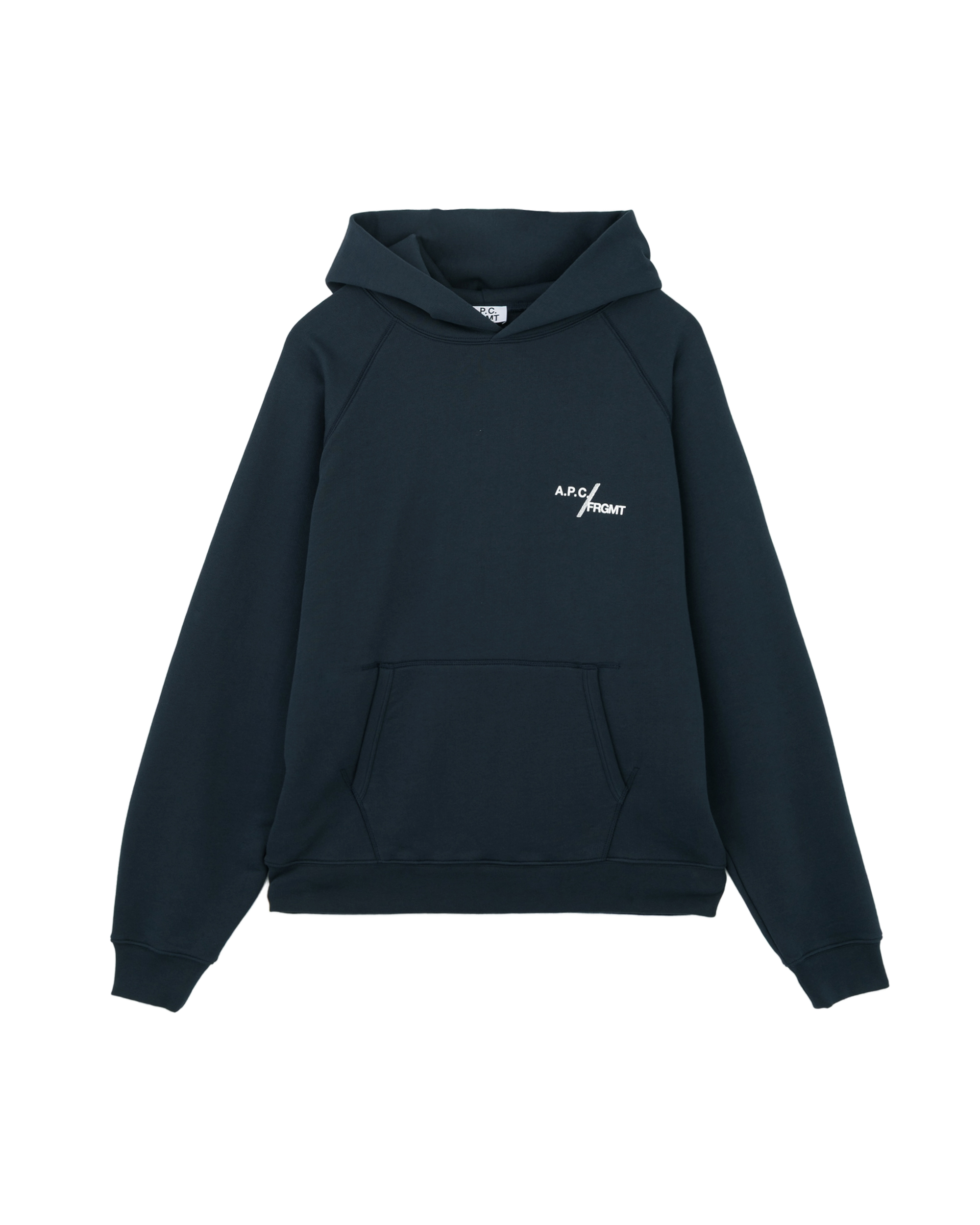
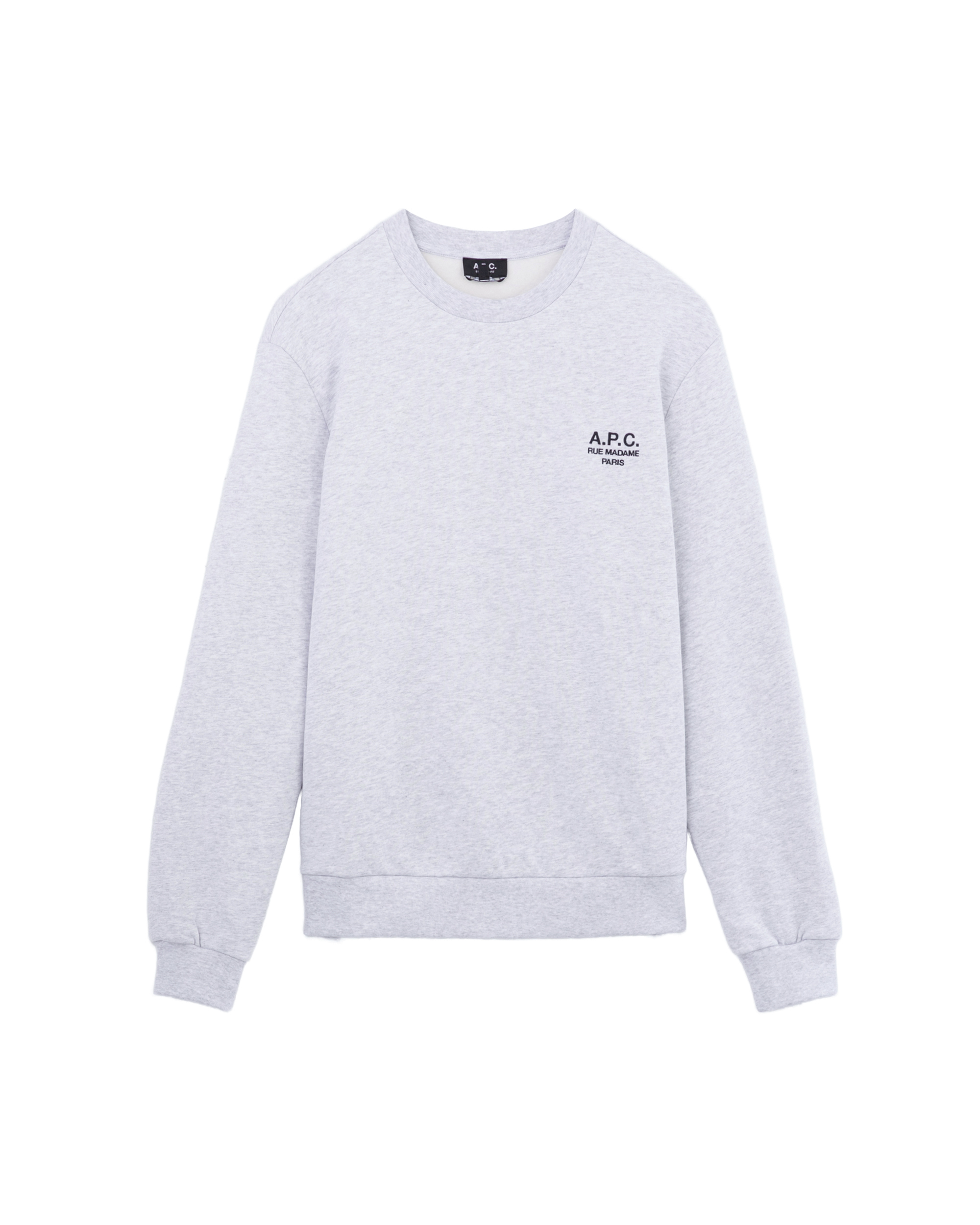
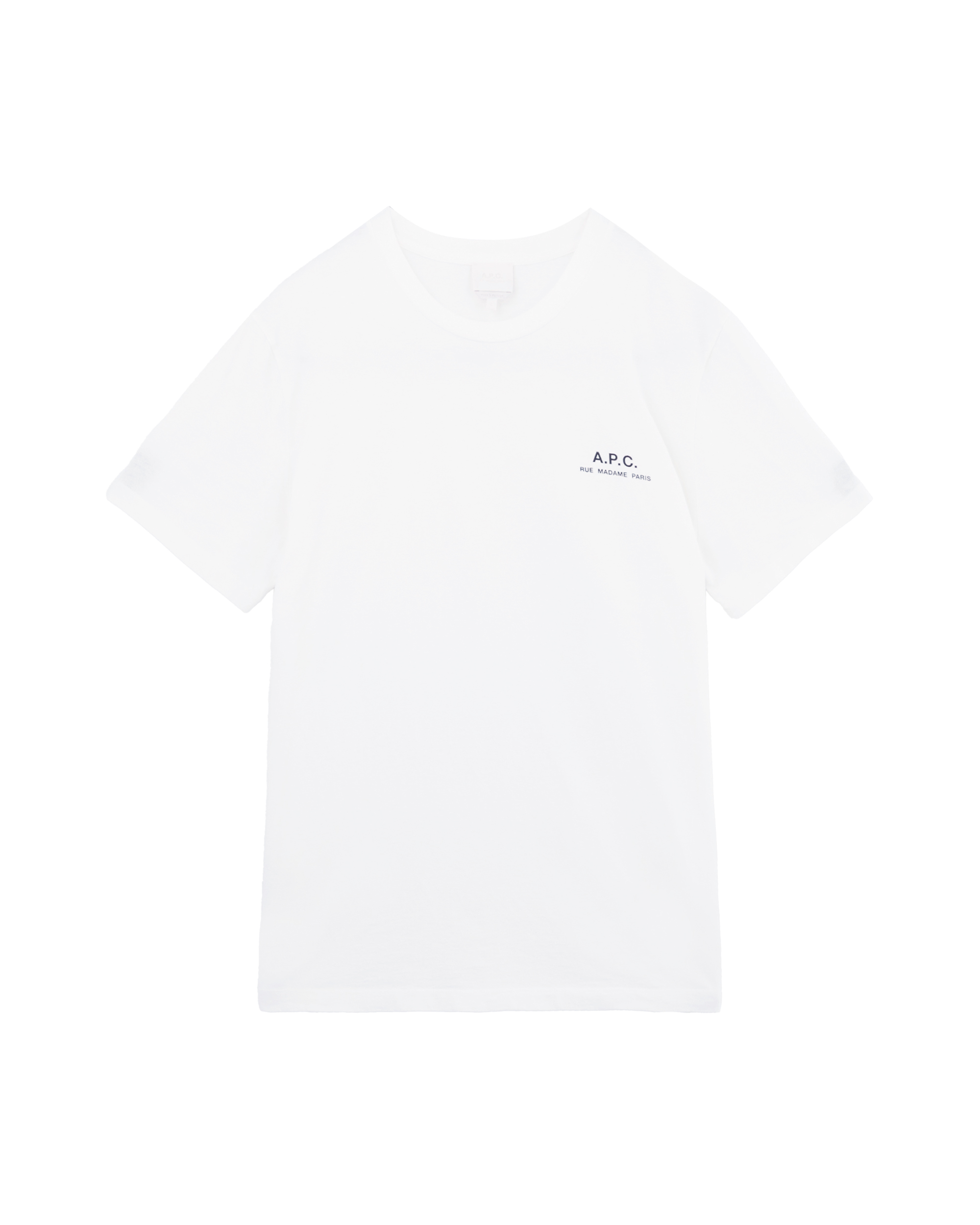
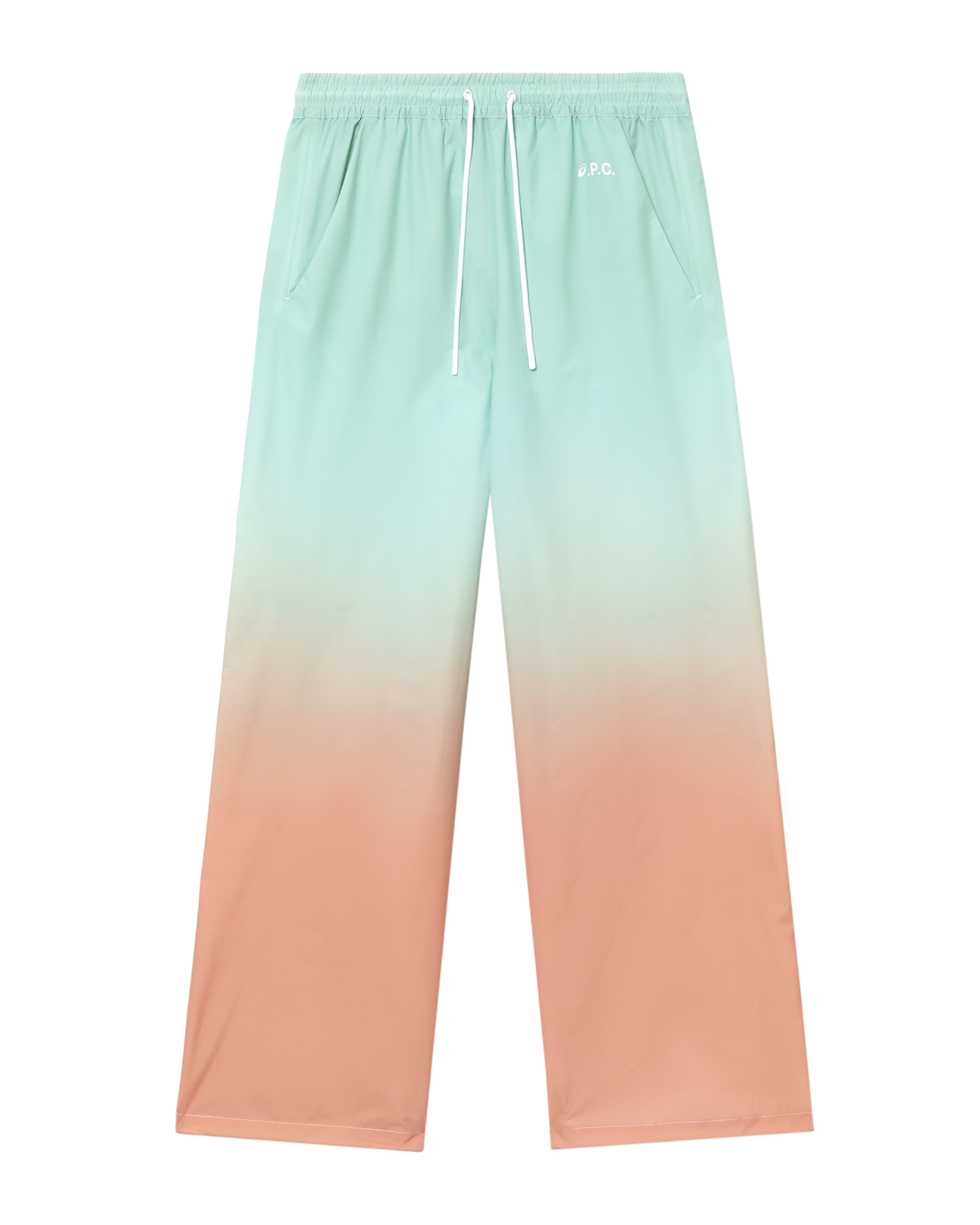
The news cycle runs hot these days — a constant, percussive drumbeat of political maneuvering, factional infighting, and logistical theater that demands your attention with every refresh. Armored personnel carriers roll through headlines, ultimatums get issued and retracted, and somewhere in the margins, tea packaging becomes a bureaucratic saga. It's a cacophony of information engineered for volume, not clarity. And into this deafening arena, French fashion house A.P.C. offers not a shout, but a whisper.
Founded by Jean Touitou in 1987, A.P.C.—Atelier de Production et de Création—has spent nearly four decades as the standard-bearer for a specific kind of quiet luxury. Not the opulent kind that announces itself with logos, but the steadfast kind that speaks through integrity. While the world scrambles for power and position, A.P.C. presents a counter-narrative: the radical act of dressing well without needing to declare anything at all.
The Uniform of Self-Respect
The brand's philosophy is a studied rejection of the ephemeral. While political players obsess over the next election cycle and perpetual repositioning for influence, A.P.C. obsesses over the permanence of a well-cut denim jean. The perfect cotton Oxford shirt. A silhouette that doesn't scream for validation but simply exists, impeccably.
Touitou has always operated with a contrarian's spirit, treating fashion not as a vehicle for transient trends but as a discipline of personal consistency. When the world fragments along partisan lines, the A.P.C. wardrobe offers a unifying form—straightforward, unadorned, deliberate. The iconic A.P.C. jeans or the demi-lune bag aren't purchased to signal tribal allegiance. They're acquired to signal allegiance to oneself, to a standard of quality that transcends the chaos of the daily briefing. This is intellectual luxury at its core: a form of self-respect that doesn't require external approval, a stark contrast to the political theater that demands constant public validation.
Defiance Through Construction
This commitment to restraint reads as a form of resistance precisely because it is so apolitical. In a world where even the choice of a seat in an armored vehicle becomes ideological warfare, the choice of a simple, unbleached cotton t-shirt is a quiet assertion of autonomy. The noise around us is often about control—over narratives, over territories, over futures. A.P.C. relinquishes that control in favor of a dialogue with the garment itself, with its past and its future.
When you purchase a piece from A.P.C., you're not buying into a hype cycle. You're buying into a legacy of construction. The brand's use of Japanese denim, its rigorous quality control, its refusal to dilute its aesthetic for mass-market appeal—these are all acts of defiance against the disposable nature of modern discourse. While the political world trades in promises broken by the next news cycle, A.P.C. trades in materials designed to age gracefully, to develop a patina of personal history that no headline can replicate.
The Other APC
The irony, of course, is that the acronym "APC" currently splashes across news wires for entirely different, considerably louder reasons. The political APC is embroiled in the messy, often unseemly business of governance—detained aides, backpedaled ultimatums, the grinding machinery of power. The fashion A.P.C. is involved in the serene business of crafting essential garments. One represents the world as it is—complicated, contentious, exhausting. The other represents the world as we might wish it to be—ordered, intentional, calm.
By choosing the latter, the wearer makes a subtle but profound statement. They're opting out of the binary of the political arena, refusing to be defined by the rivalries of the day. Instead, they define themselves by the cut of their cloth, the weight of their fabric, the precision of a seam. It's a sartorial silence that's increasingly difficult to find.
The Refuge of Restraint
In this sense, A.P.C. is not merely a brand; it's a refuge. It's the uniform for the person who has decided their energy is better spent on the cultivation of self rather than the consumption of outrage. The garments aren't loud, but they're confident. They don't ask for attention, but they command respect. In a world where everyone is vying for a voice, A.P.C. reminds us that true authority often comes from knowing when to be quiet.
The brand's longevity—its continued relevance in a market saturated with fleeting "drops"—is a testament to the power of this quiet rebellion. It proves there is a durable market for integrity, for quality, for a vision unshaken by the tremors of the political landscape. While the world argues about who's in and who's out, A.P.C. remains steadfastly in its own lane, crafting understated elegance for those who understand that the most potent statement is often the one left unspoken.