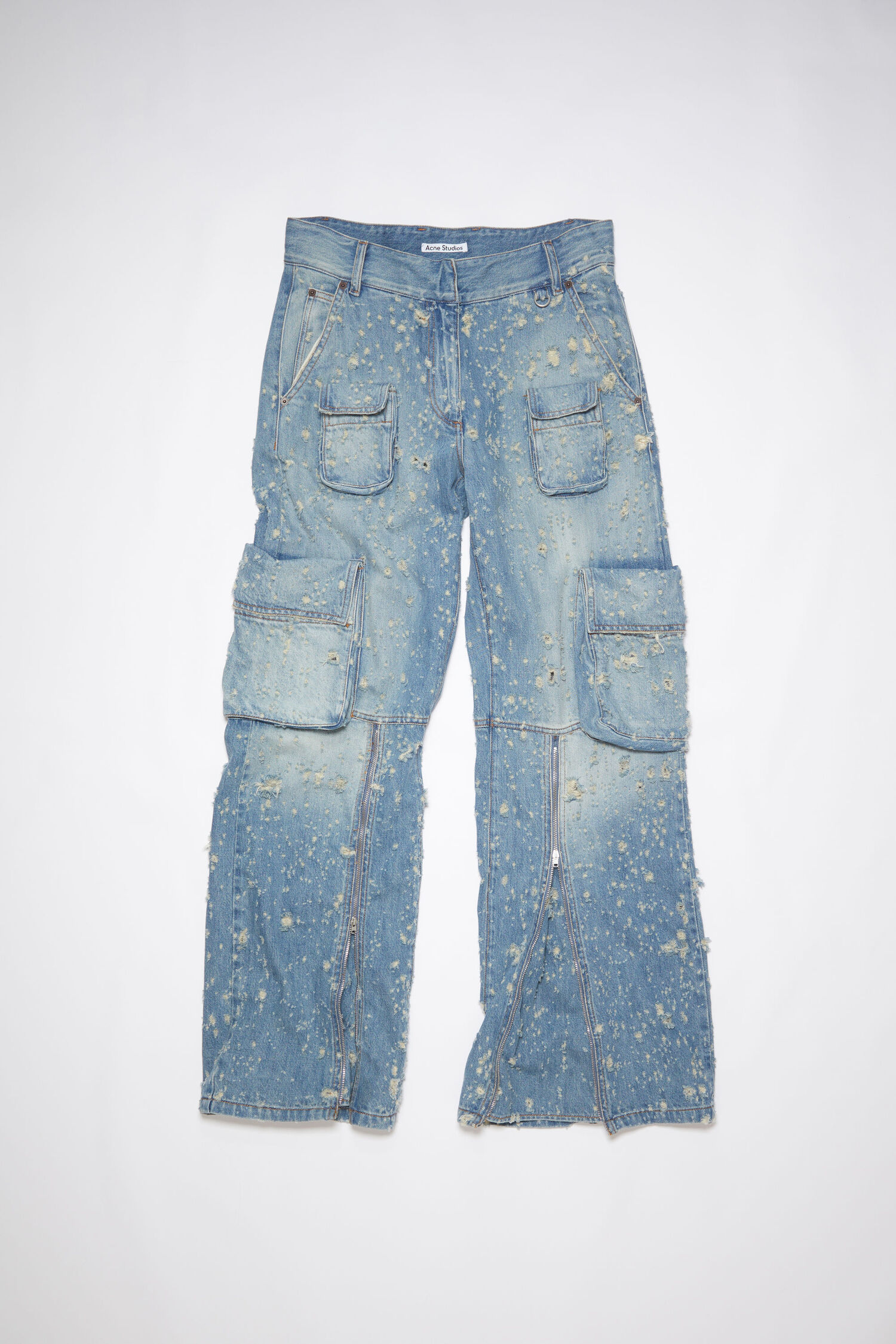
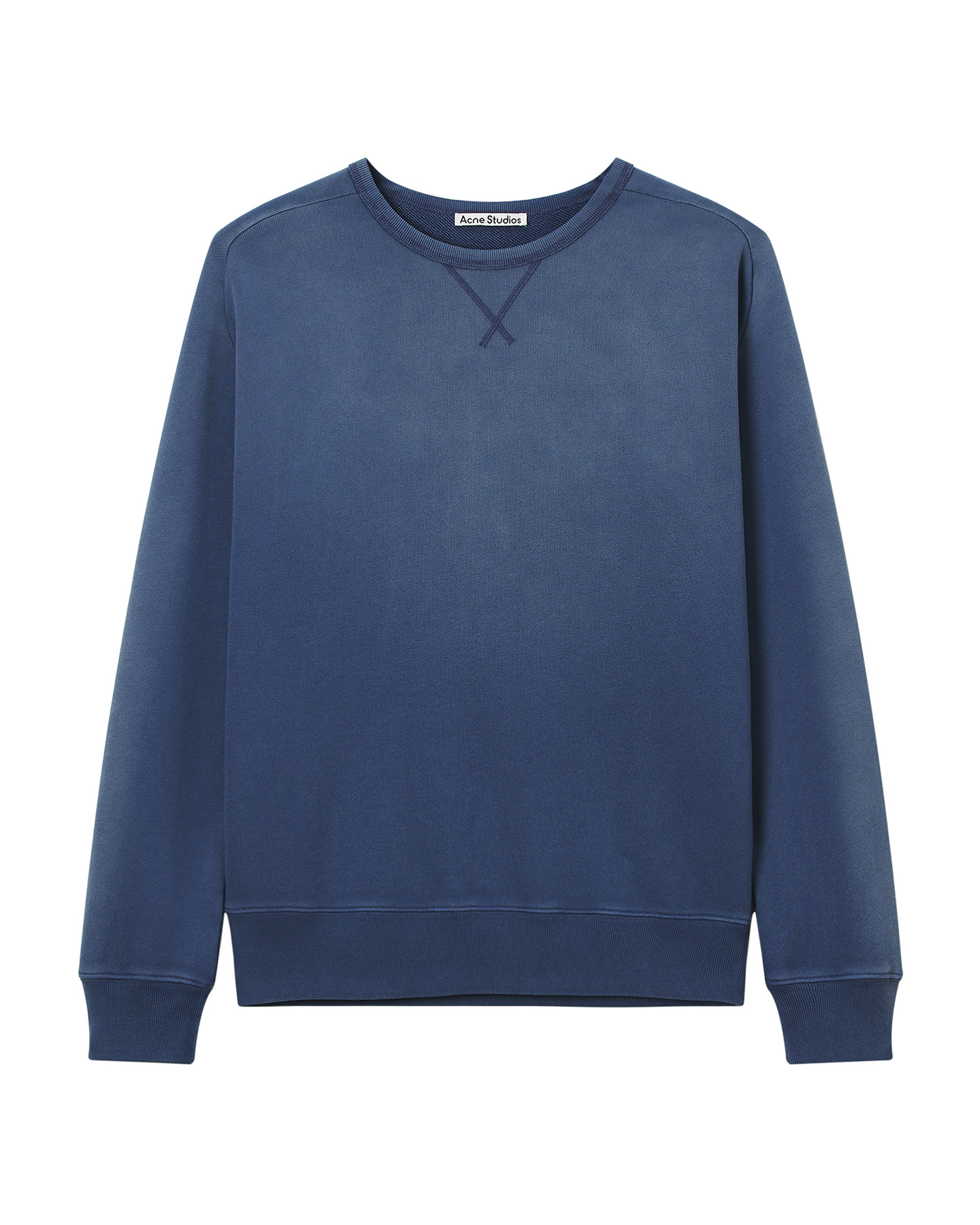
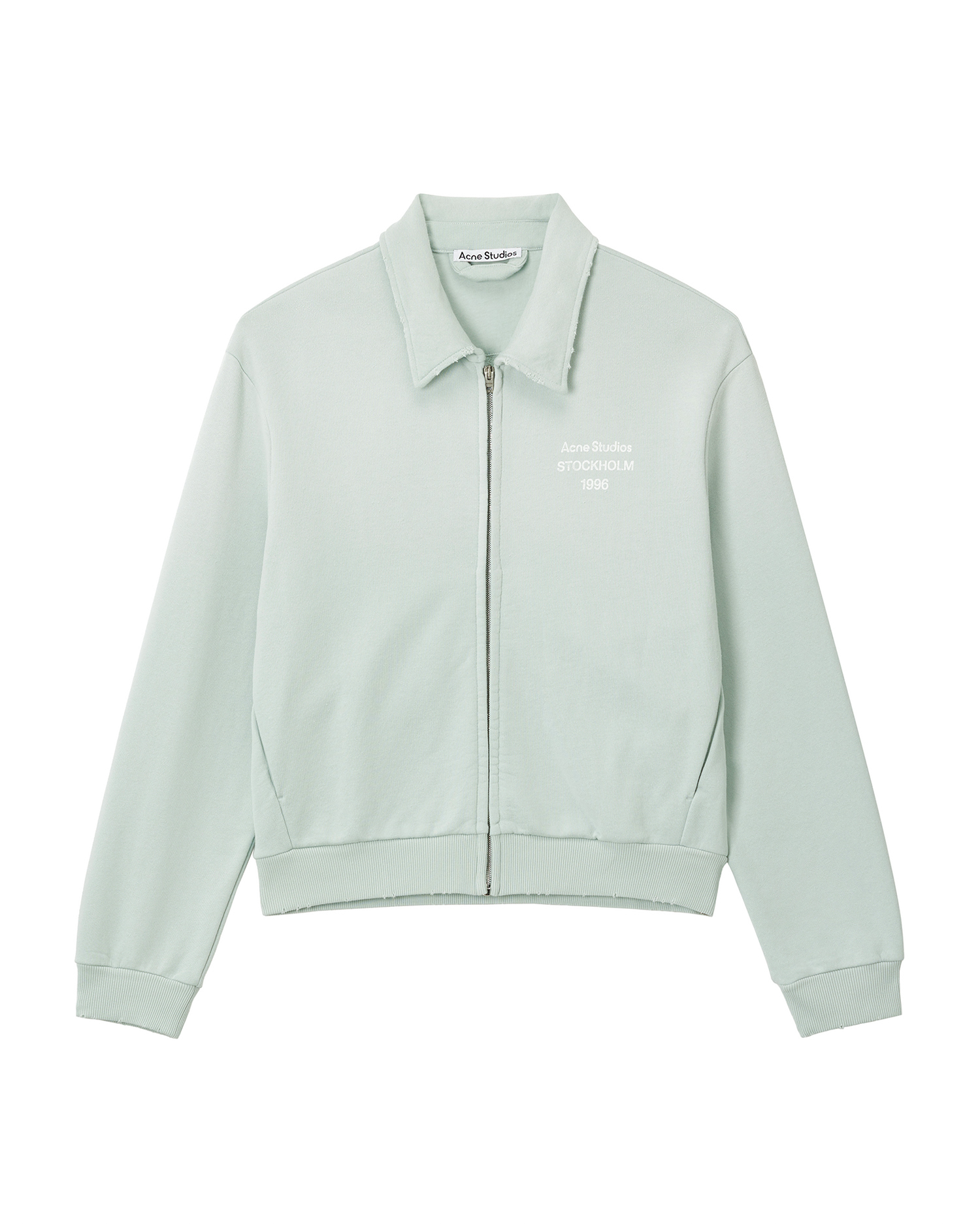
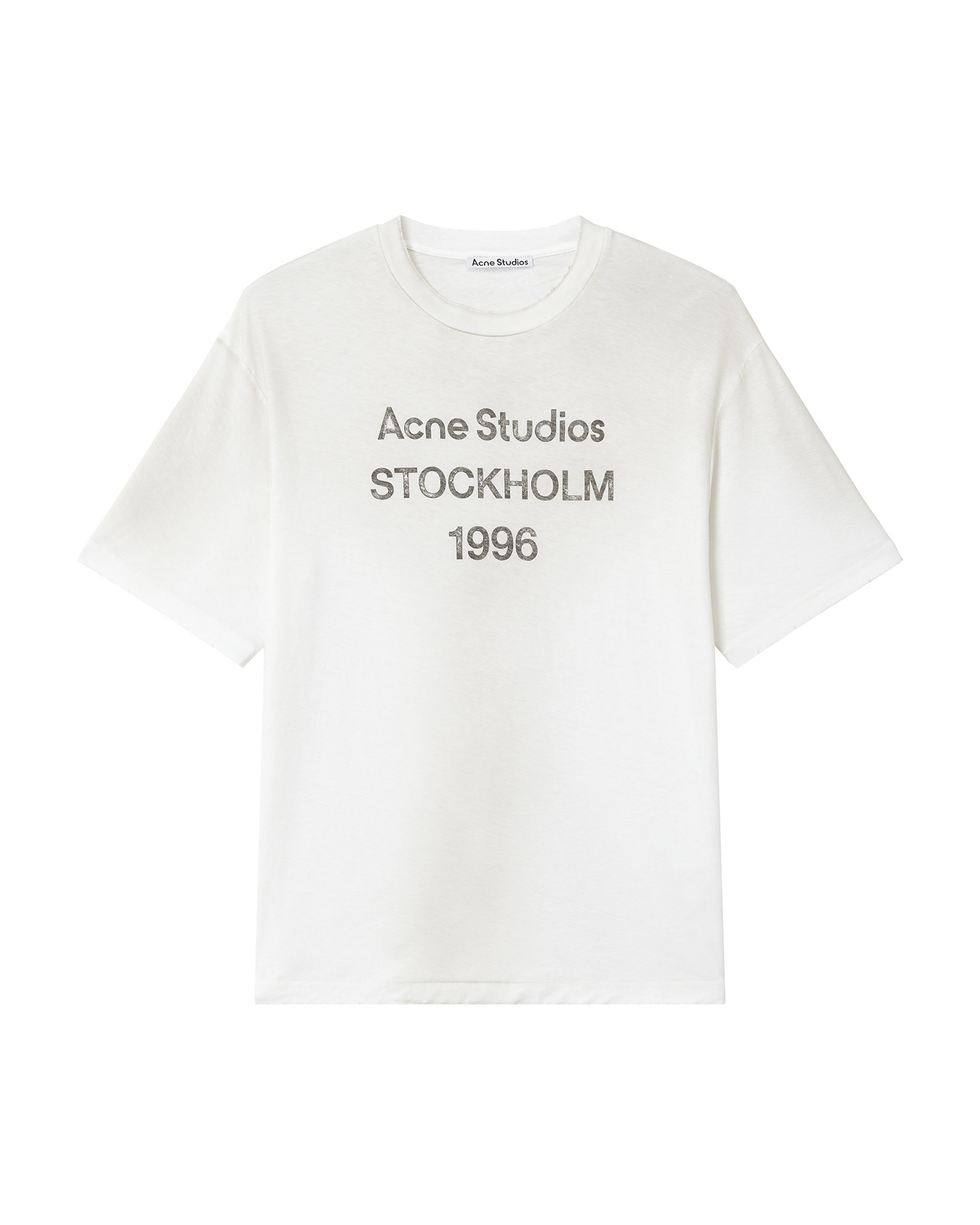
Few collaborations arrive with the weight of genuine archival reckoning. The Acne Studios x Hussein Chalayan denim capsule does exactly that—reviving one of fashion's most conceptually rigorous bodies of work through the unlikely, democratic medium of denim. Unveiled alongside the house's Spring 2027 ready-to-wear collection, the capsule has become the season's most dissected release, generating a drumbeat of coverage from Vogue and Hypebeast to GQ Middle East and Numéro. It is, by any measure, the rare fashion partnership that earns its headlines.
The origin story is appropriately human for a meeting of two design minds. As British Vogue reported, a father-son conversation set the project in motion—a reminder that even the most cerebral fashion begins with something intimate. What emerged is a capsule that pulls from Chalayan's defining archive—those sculptural, deconstructive gestures that made him a singular figure in late-nineties and early-aughts fashion—and translates them into a denim vocabulary native to Acne Studios. The pieces are not costume reproductions or museum replicas. They are living garments: reworked denim with the architectural intelligence of a Chalayan original, cut and finished with the Stockholm house's characteristic ease.
Fabric as Structure, Not Surface
The materials matter as much as the references. Acne Studios built its reputation on denim that behaves like ready-to-wear, and this capsule treats fabric as a structural proposition rather than a surface. The constructions nod to Chalayan's fascination with transformation and wearability—garments that hold their shape, that reward a second look, that reveal their complexity slowly. Where archival Chalayan pieces demanded a certain daring of their wearer, these denim iterations lower the threshold without diluting the idea. That is the quiet radicalism of the capsule: conceptual fashion made genuinely wearable, without the hushed reverence of the archive. You feel it in the hand before you see it on the body—denim with memory, denim that holds a line.
Memory as Method
Context sharpens the significance. This release sits inside a broader moment in which Acne Studios is interrogating its own history—the Spring 2027 collection drew on a 300-year-old maritime tragedy, and the house has simultaneously collaborated with Nan Goldin on portraiture. The through-line is memory: how fashion metabolizes the past without embalming it. The Chalayan capsule is the most literal expression of that thesis, and its timing feels deliberate. In a market saturated with logo-driven tie-ins, a collaboration grounded in archival craft reads as a statement of intent. The press has noticed; the coverage has been unusually thoughtful, with outlets from stupidDOPE to PAUSE Online framing the release as a genuine reimagining rather than a marketing exercise.
A Bridge, Not a Tribute
Who is this for? Not the collector who wants a sealed archive piece behind glass—though that audience will recognize the references. This is for the wearer who wants denim with an intellectual spine, garments that function on the street and reward scrutiny up close. It suits the Acne loyalist who has followed the house's drift toward art-world conversation, and the Chalayan admirer who never had access to the originals. It is, in the most flattering sense, a bridge—between two design cultures, between the conceptual and the everyday, between the archive and the wardrobe. The silhouette stays close to the body's logic; the detail asks you to lean in.
Fashion's current appetite for revival has too often produced hollow quotation. The Acne Studios x Hussein Chalayan denim capsule refuses that shortcut. It takes a body of work defined by difficulty and asks what happens when you make it wearable—when you trust denim, and the people who wear it, with an idea. The answer, this season, is a capsule that feels less like a tribute and more like a continuation—proof that a house can honor its references by letting them live in the everyday.