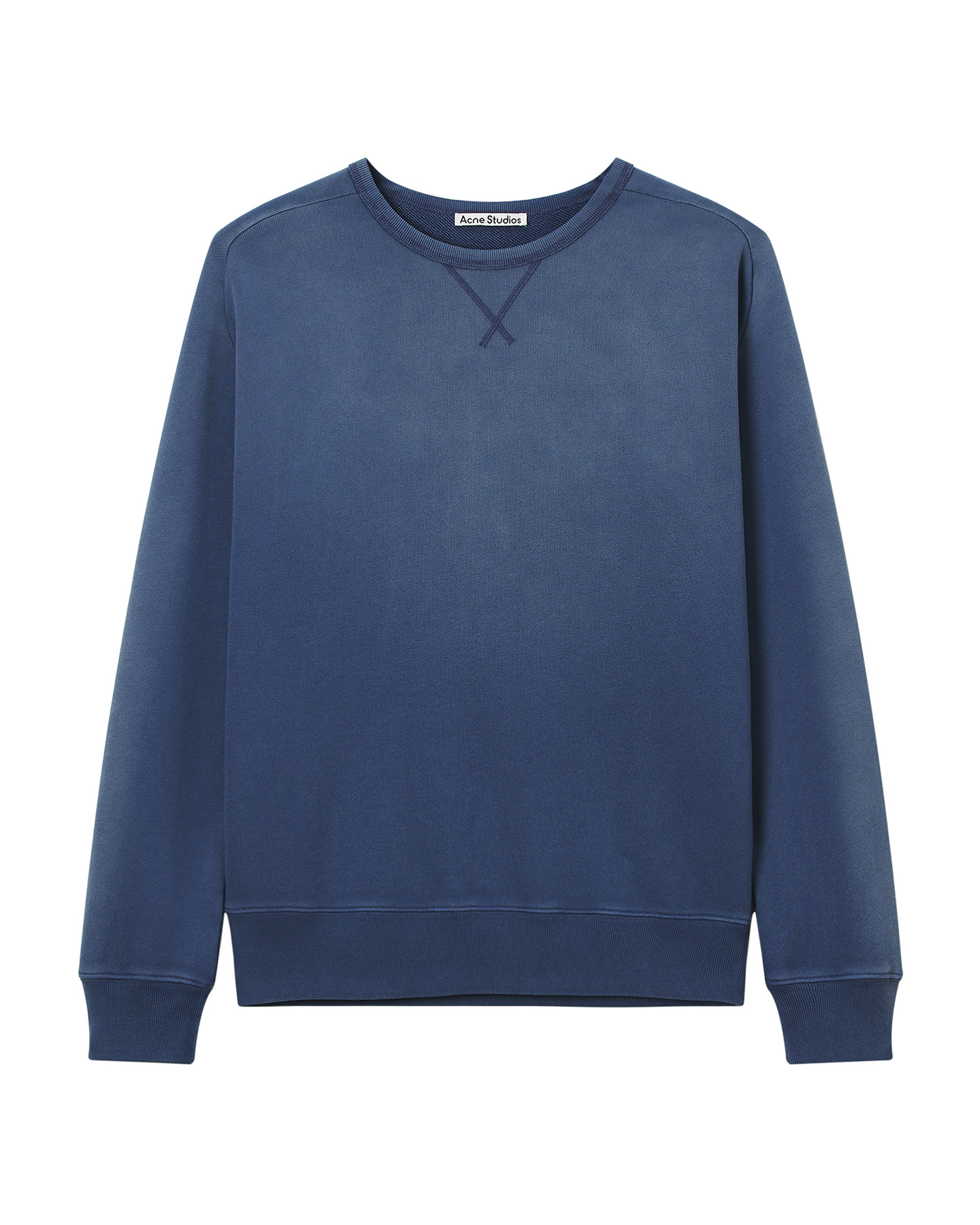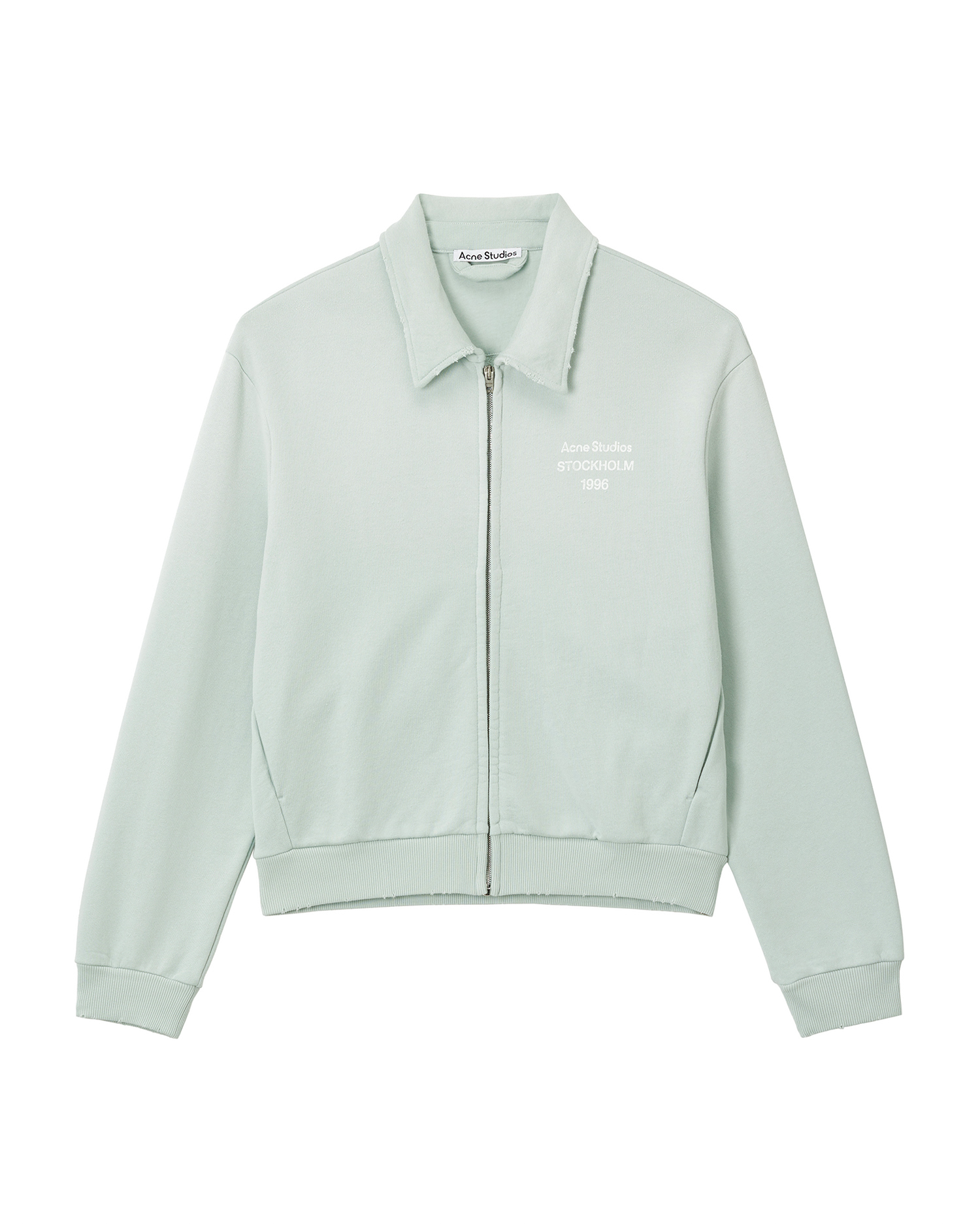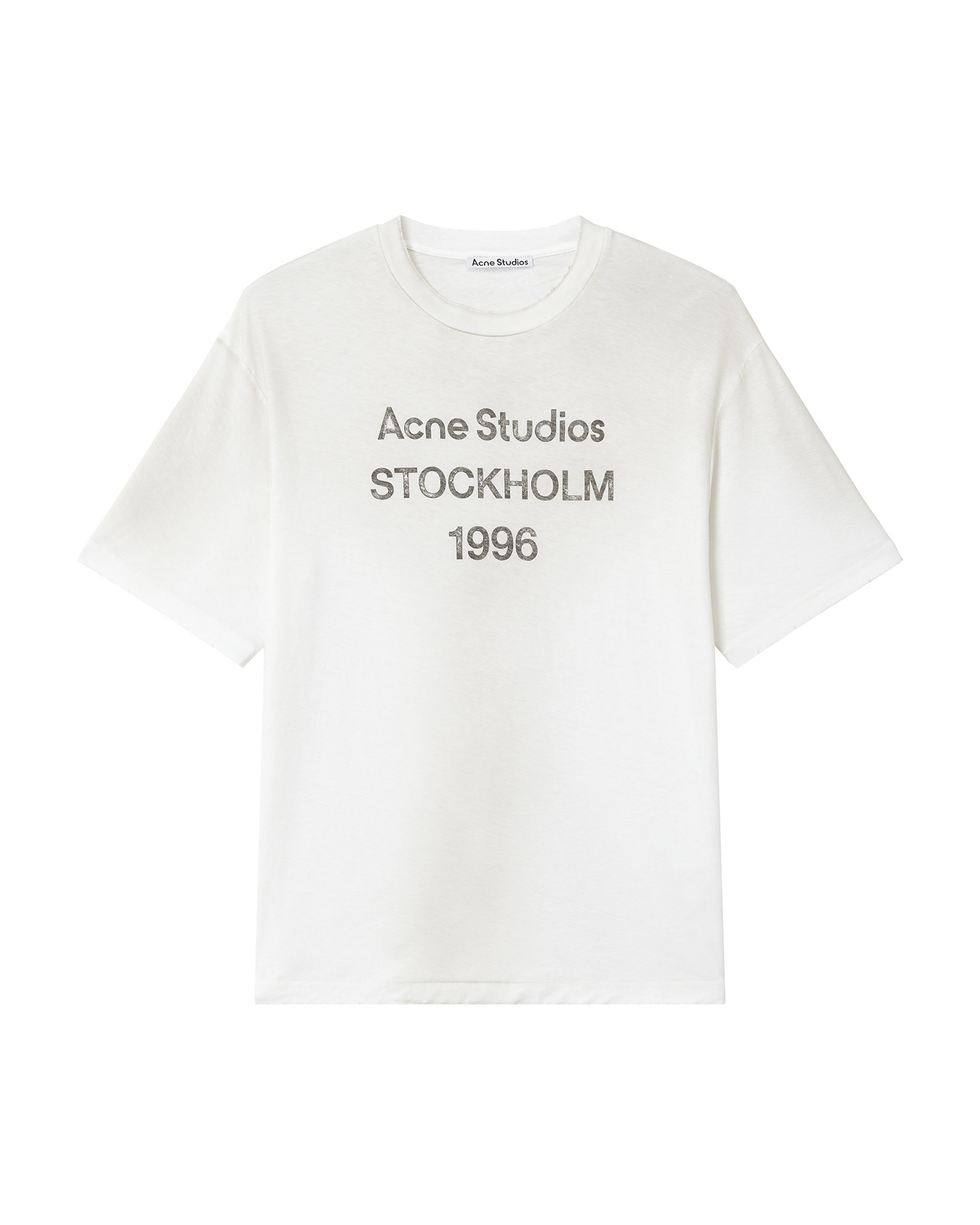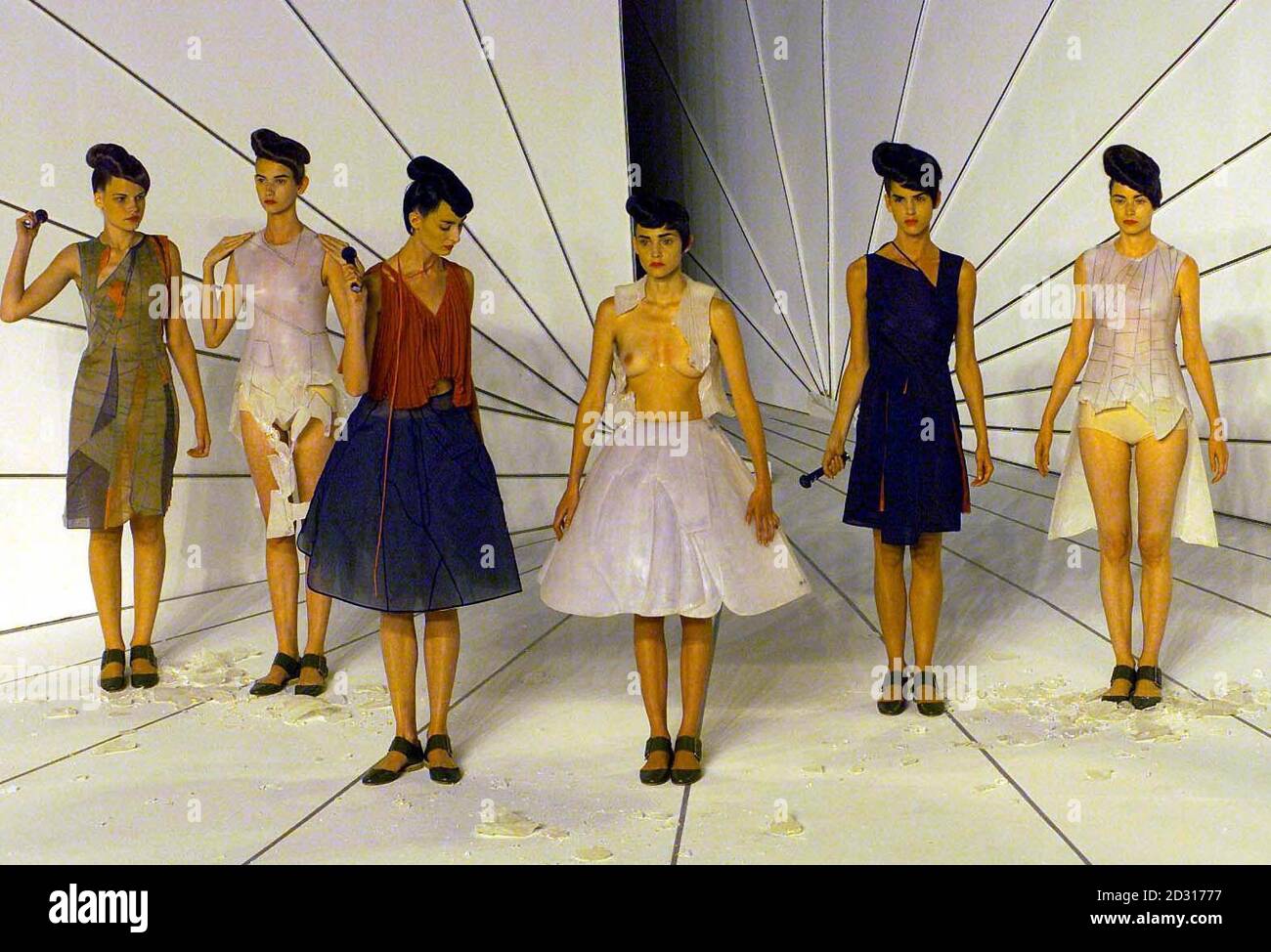
Thirty years into a career built on refusing to look backward, Jonny Johansson has done something quietly radical: he has turned around. The Acne Studios x Hussein Chalayan archival reissue capsule is not a nostalgia exercise, nor a greatest-hits parade staged for the algorithm. It is a deliberate act of fashion archaeology — a collaboration that pulls garments from Chalayan's most intellectually restless collections and rebuilds them through the Acne Studios lens, not as museum replicas but as living clothes for a wardrobe that exists right now.
In a season when the industry is consumed with its own history — reissues, re-editions, resurrected house codes — this capsule stands apart because it treats the archive as a question rather than an answer. The past, here, is not a safe place to hide. It's a provocation.
Severity, Softened for the Everyday
The design details are where the argument is made. Chalayan's original work was never decorative; it was structural, conceptual, often severe — garments that behaved like propositions about the body, about displacement, about time. The reissue capsule preserves that severity but softens its edges for daily wear: the sculptural tailoring is retained, the engineered seams and asymmetric closures intact, but the fabrics have been reconsidered for movement and longevity.
Acne Studios' signature denim expertise and Nordic pragmatism meet Chalayan's conceptual precision, producing pieces that read as cerebral on the hanger and surprisingly wearable on the body. The palette leans restrained — chalk, ink, washed neutrals — letting silhouette carry the weight, which is exactly as it should be. Nothing here shouts. Everything here holds a line.
A Study in Material Contrast
Materially, the capsule is a study in contrast. There is dry, papery cotton and dense wool suiting that holds a sharp line, set against softer, more fluid jersey where the archival reference called for drape. The construction is uncompromising: bound seams, considered interior finishing, hardware that feels machined rather than ornamental. This is the kind of garment you inspect and then keep inspecting — the interior finishing alone rewards a second look.
Importantly, the reissue is not a reproduction — it is a translation, and the translation is the point. Chalayan's ideas were often ahead of their commercial moment; Acne Studios has the infrastructure, the audience, and the retail fluency to give them a second life without flattening them. What could have read as costume reads instead as clothing with a pulse.
A House Taking Stock — and Looking Forward
The cultural context here is impossible to ignore. Acne Studios is in the middle of a thirtieth-anniversary reckoning — a pink granite flagship in New York, a pink library in Tokyo devoted to three decades of fashion, art, and publishing, a Spring 2027 collection that critics have described as print-driven and unexpectedly romantic. The house is simultaneously looking forward and taking stock, and the Chalayan capsule sits precisely at that intersection.
Johansson has said he looks forward far more than he looks back — which is exactly why the backward glance, when it comes, carries weight. Reviving Chalayan's archive now is a statement about what deserves to survive, and about a younger generation of buyers who encounter these ideas for the first time. The timing isn't incidental. It's the entire thesis.
For the Wardrobe-Builder, Not the Speculator
Who is this for? Not the completist collector alone, though they will recognize the references. It is for the design-literate wardrobe-builder — the person who wants a coat with an argument, a trouser with a thesis, something that rewards attention without demanding costume. It is also, crucially, for anyone who has watched archival fashion become a speculative asset class and felt uneasy about it. This capsule resists that logic: it is made to be worn, reissued at accessible scale, and positioned as clothing rather than artifact.
That distinction matters more than it might first appear. When the archive becomes a commodity, its ideas calcify into provenance. When it becomes a translation, those ideas stay in circulation — worn, washed, lived in.
Why it matters now is simple. Fashion's relationship with its own past has become lazy — logo revivals, deadstock mimicry, nostalgia as a business model. The Acne Studios x Hussein Chalayan reissue offers a different model: collaboration as critical practice, the archive as raw material rather than relic. It makes history relevant not by quoting it, but by re-arguing it. And in doing so, it makes a case for what a fashion house at thirty should be doing — not defending its legacy, but putting it to work.