For fifteen years, AMI has been making clothes for grown-ups who want to look like they didn't try too hard. The softly structured coat. The knit that looks like it's been worn a hundred times before you bought it. The heart motif that somehow never tips into twee. Alexandre Mattiussi founded the house in 2011 with the goal of dressing his friends, and in the process he built a whole vocabulary of relaxed Parisian elegance that the rest of us have been borrowing ever since. Now he's dressing their kids, too.
The Ami Paris Kids' Collection is the brand's first foray into childrenswear, and it arrives with a logic that feels less like a business decision than a natural next step. AMI's whole thing has always been about clothes that feel lived-in — pieces that suggest a person with a life, a history, a particular way of moving through the world. Shrinking that down to kid size isn't a stretch. It's just the same idea, cut smaller.
The Codes, Translated
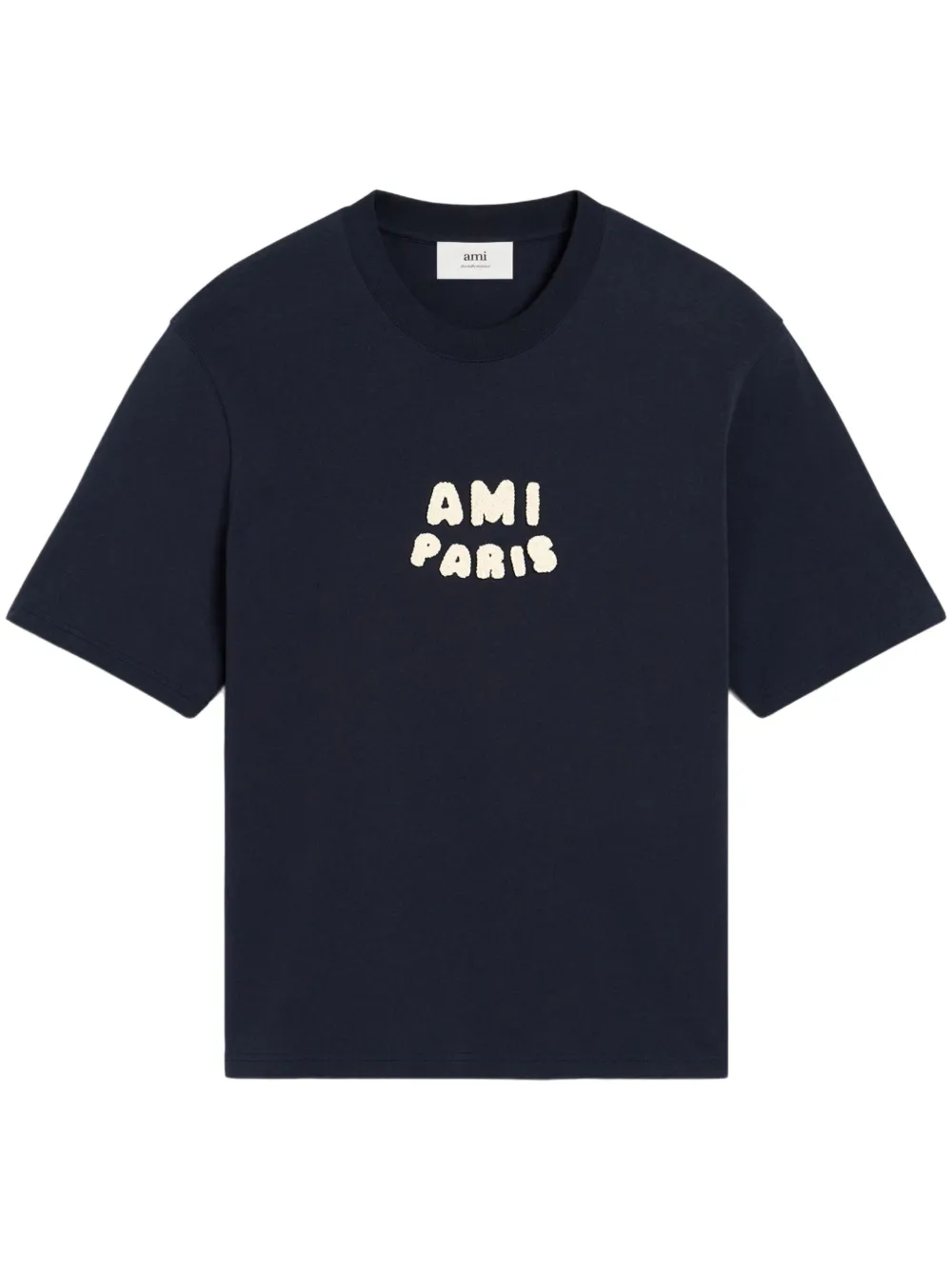
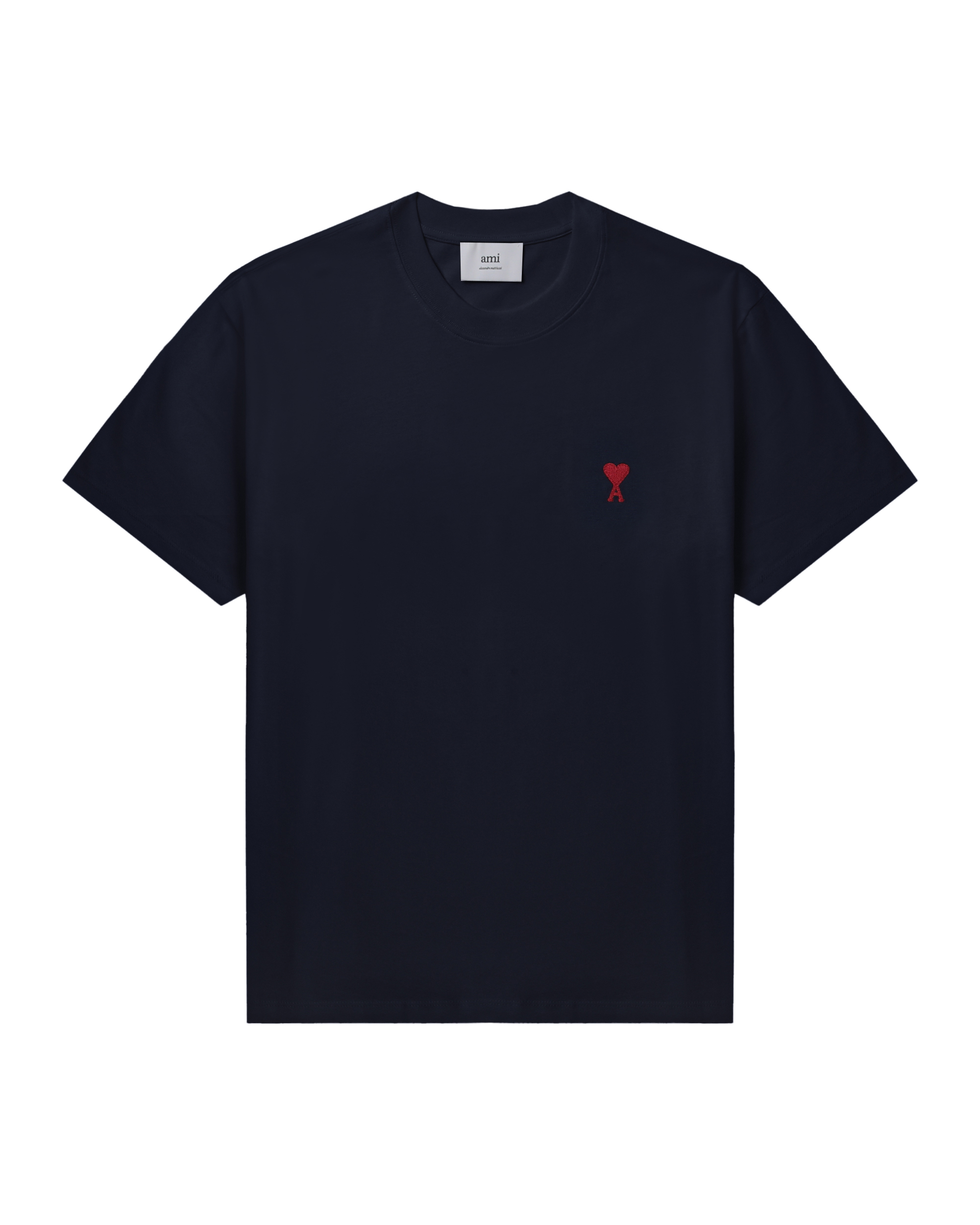
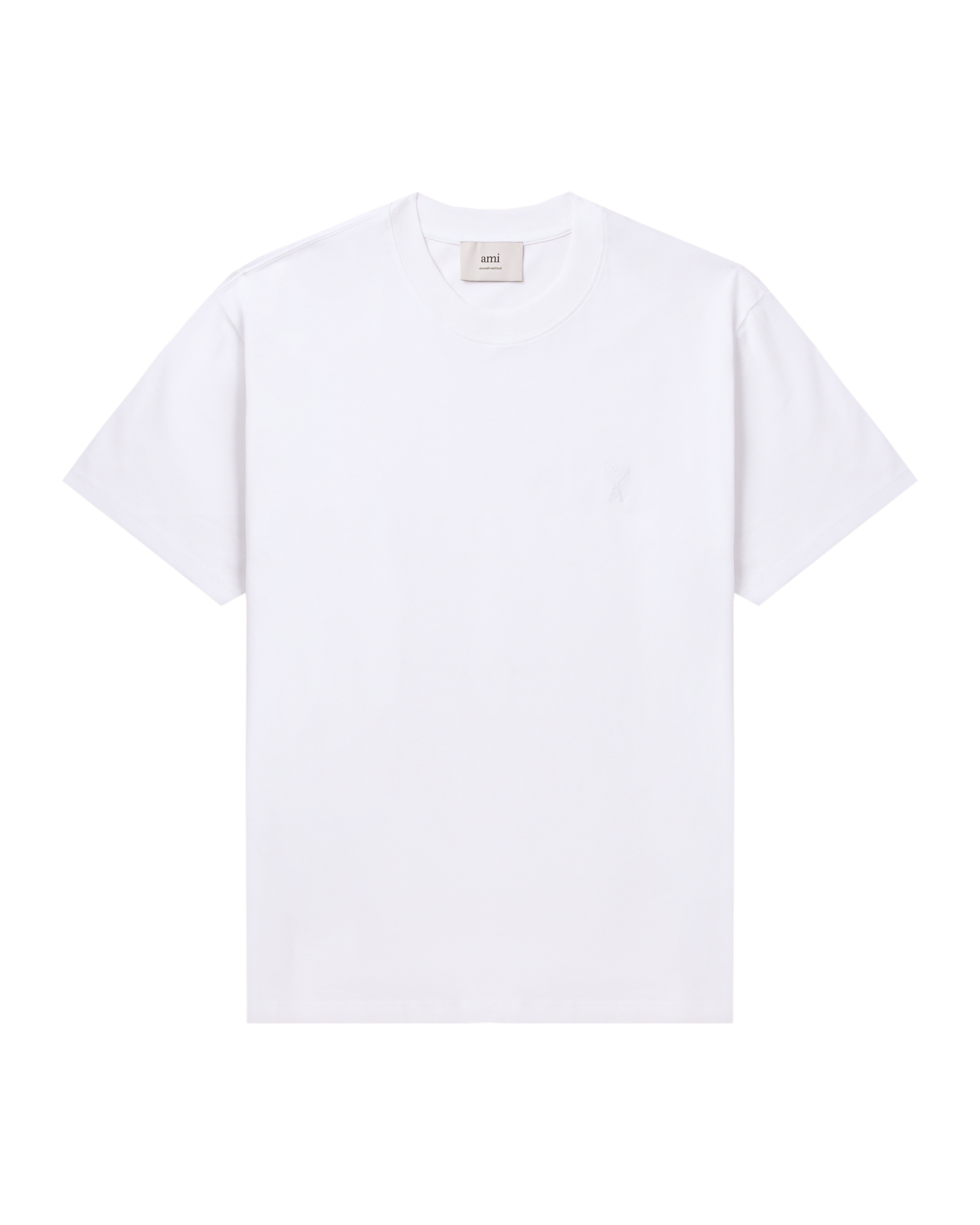
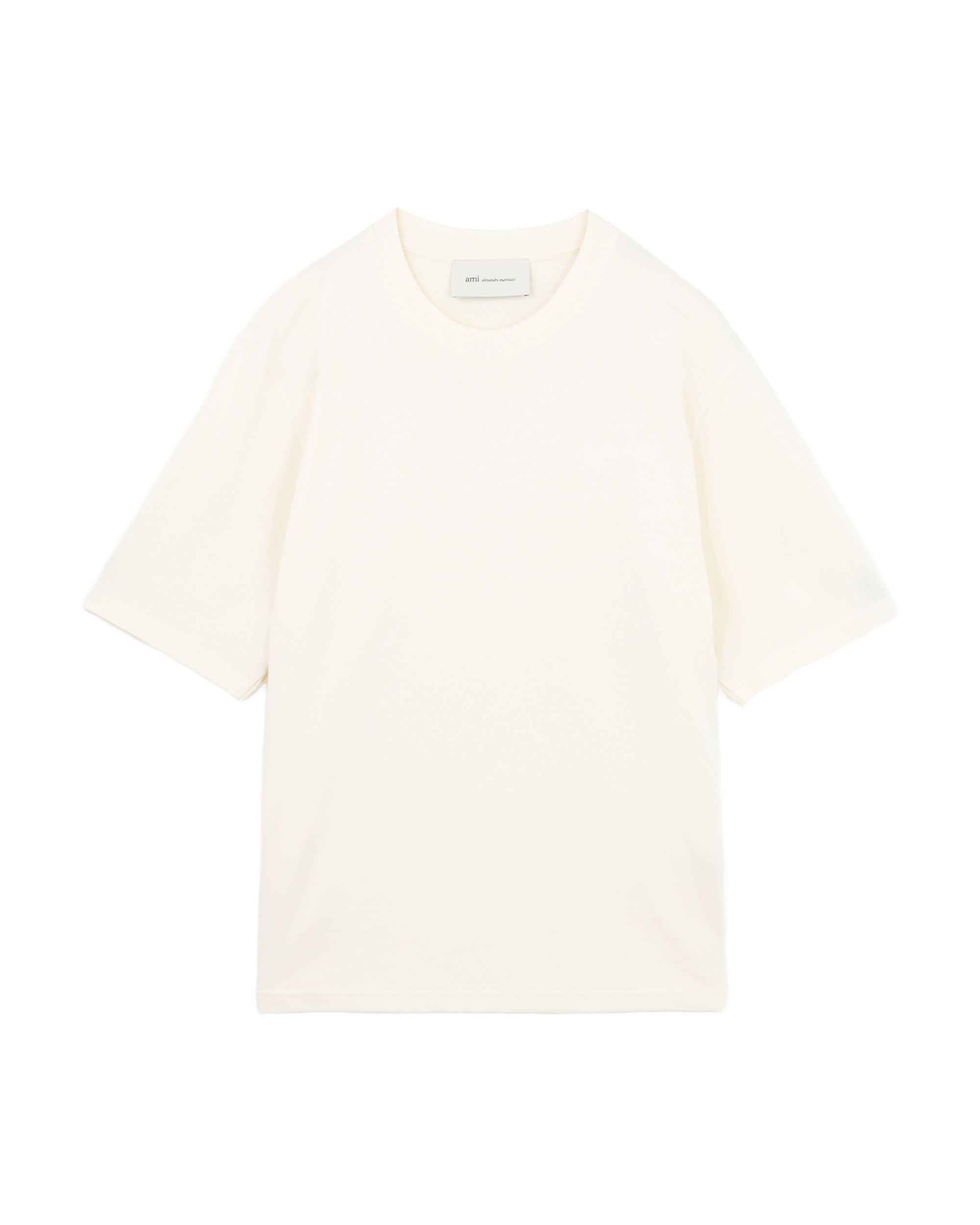
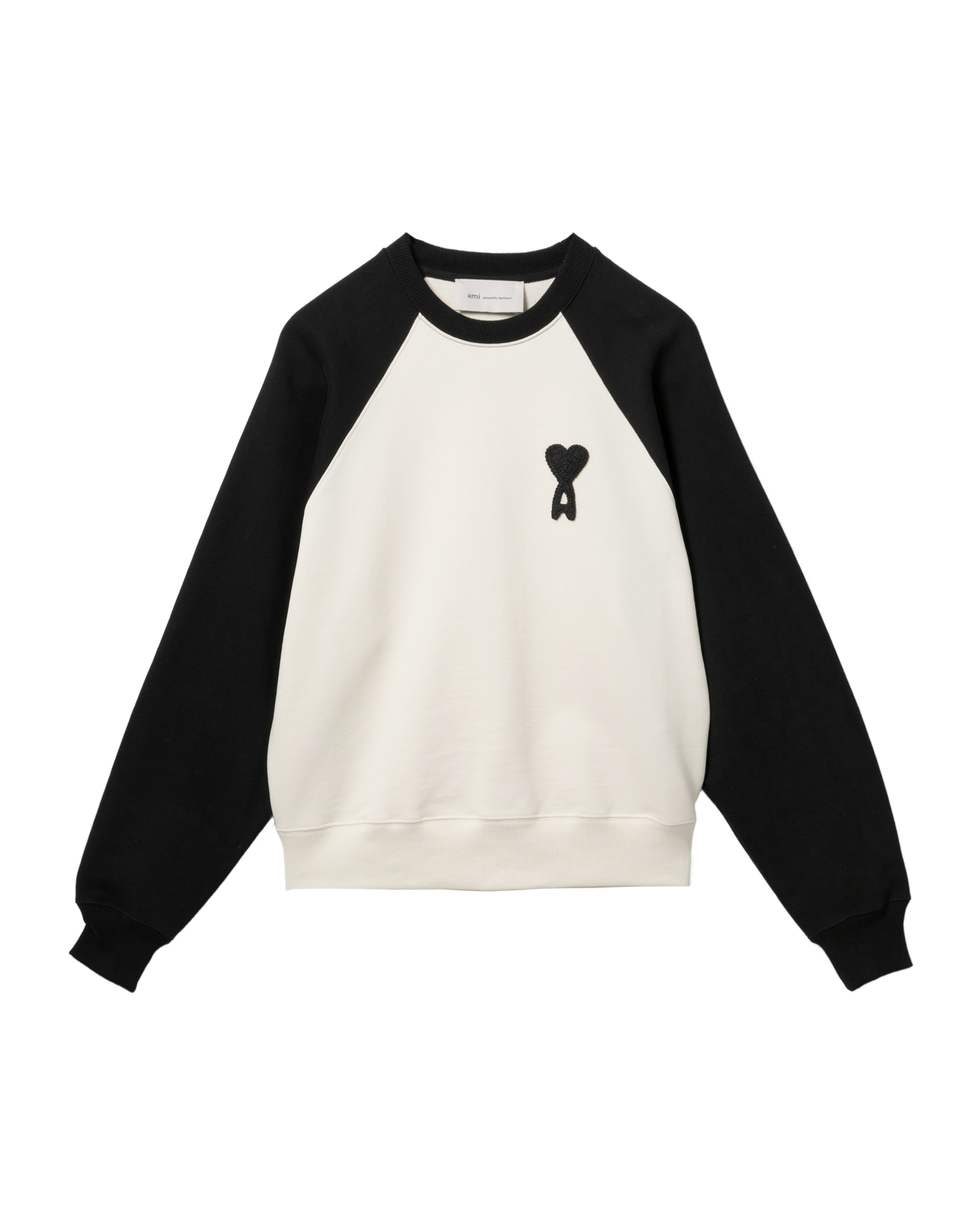
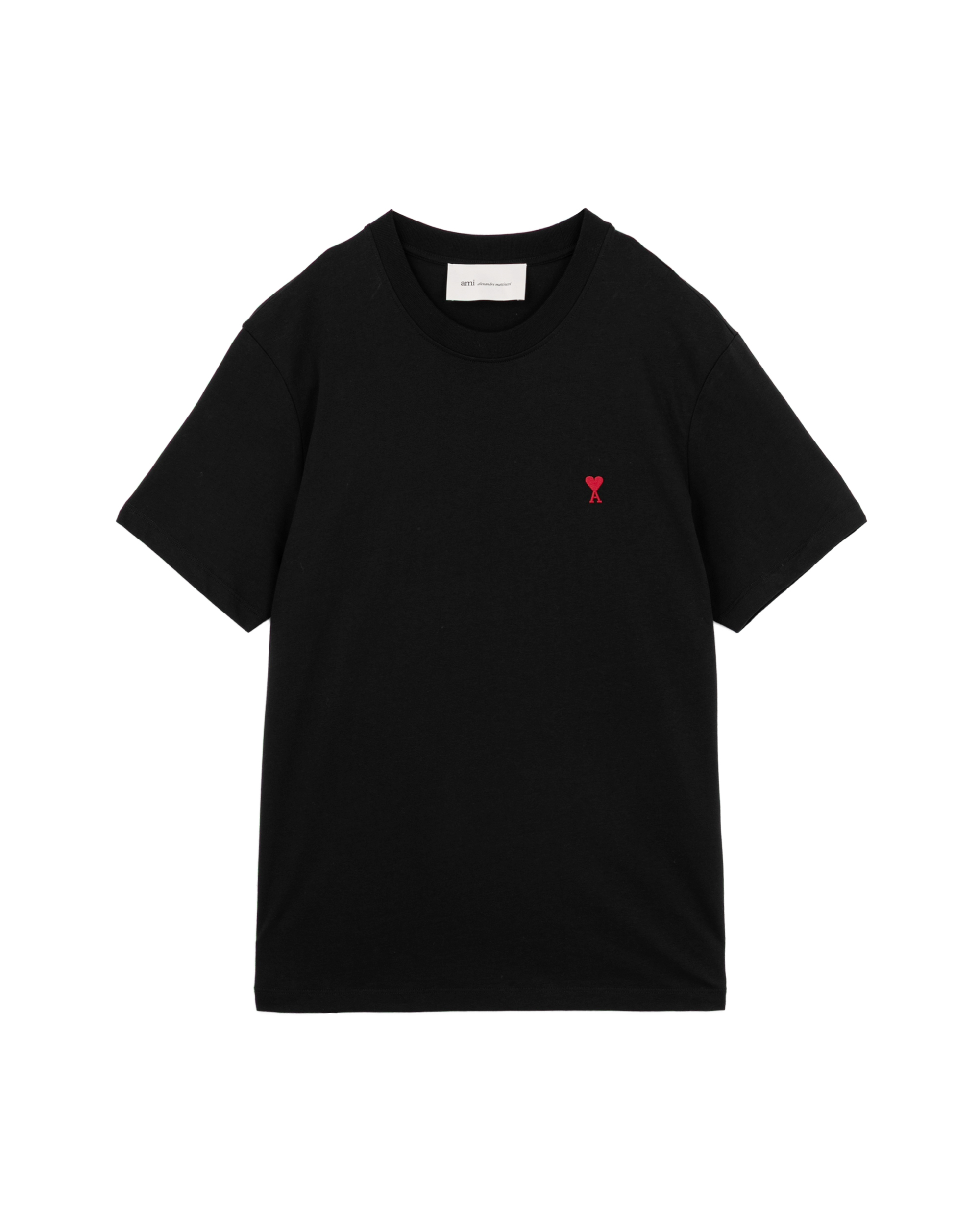
What makes the kids' line work is how faithfully it speaks the house language. The Ami de Coeur emblem shows up in soft embroidery rather than a bold print — a quieter gesture, appropriate for small wearers. Cardigans and crewnecks come in the same dusty rose, ecru, navy, and camel that anchor the adult collections. Trousers are relaxed, shirting is easy, everything is cut for movement rather than display.
Nothing here feels precious. Nothing feels like a costume. These are scaled-down versions of real clothes, which is precisely the point. A child in an Ami de Coeur cardigan isn't wearing a trend — they're wearing a small piece of a larger idea about how clothes should feel.
Fabric First
AMI hasn't treated materials as an afterthought, which matters enormously in childrenswear. The collection leans on soft cotton jersey, brushed wool blends, and gentle knits — fabrics chosen for tactile comfort and durability rather than surface effect. Construction is deliberately unfussy: flat seams, generous cuts, closures small hands can actually manage.
The result reads as genuinely wearable rather than merely photogenic. That distinction separates serious childrenswear from branded merchandise, and it's one AMI seems to understand instinctively.
Why Now
The timing here is telling. The childrenswear market has shifted decisively away from novelty and toward inheritance — parents who dress their kids in the same visual codes they dress themselves in, not as matching sets but as a shared language. AMI, with its heart emblem and its understated Parisian vocabulary, is unusually well positioned for that shift. The brand has never relied on loud logos or seasonal gimmicks. Its authority comes from consistency.
That consistency has also given AMI unusual cultural visibility lately. The house has been a fixture of the Paris presentation calendar, and recent showings alongside peers like Ganni and Moncler have reinforced its standing as a defining voice in contemporary French ready-to-wear. That momentum lends the kids' line a legitimacy a standalone childrenswear launch might lack. This isn't a licensing exercise or a branding extension. It's the same house, speaking at a different scale.
Who It's For
Practically speaking, it's for parents who've spent years buying AMI for themselves and want their children to share in something that feels considered rather than cute. Emotionally, it's for anyone who understands that dressing a child is one of the first acts of taste — a way of saying, this is how we see the world, this is how we move through it.
The Ami Paris Kids' Collection doesn't condescend to its wearers. It offers them the same quiet confidence the brand has always offered adults, cut to their proportions and softened for their skin.
In a market saturated with disposable childrenswear, that restraint is the real luxury. AMI hasn't reinvented itself for a younger audience. It has simply made room for one.