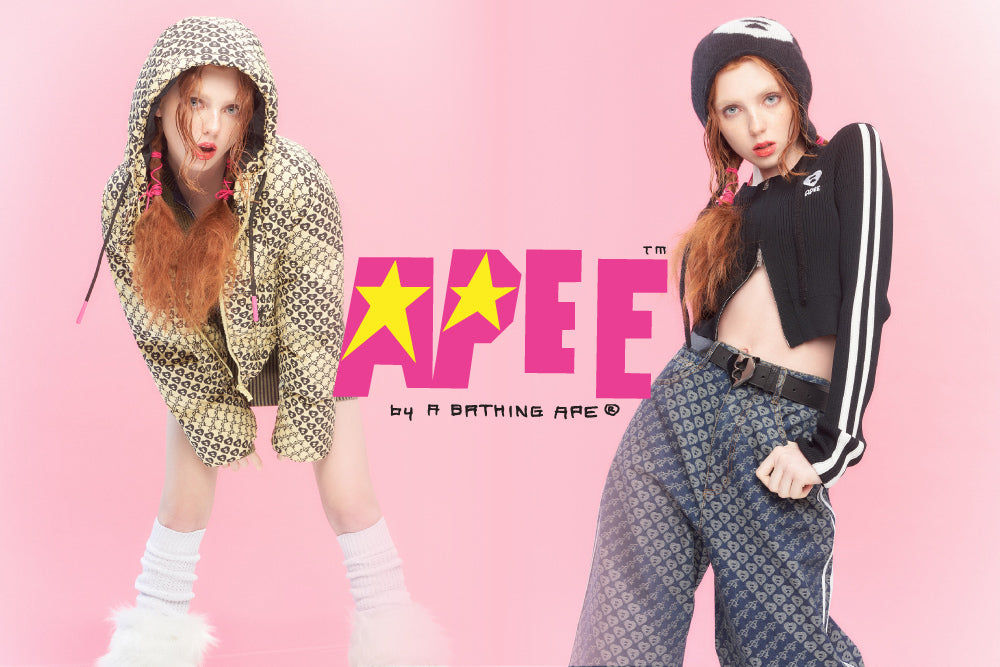
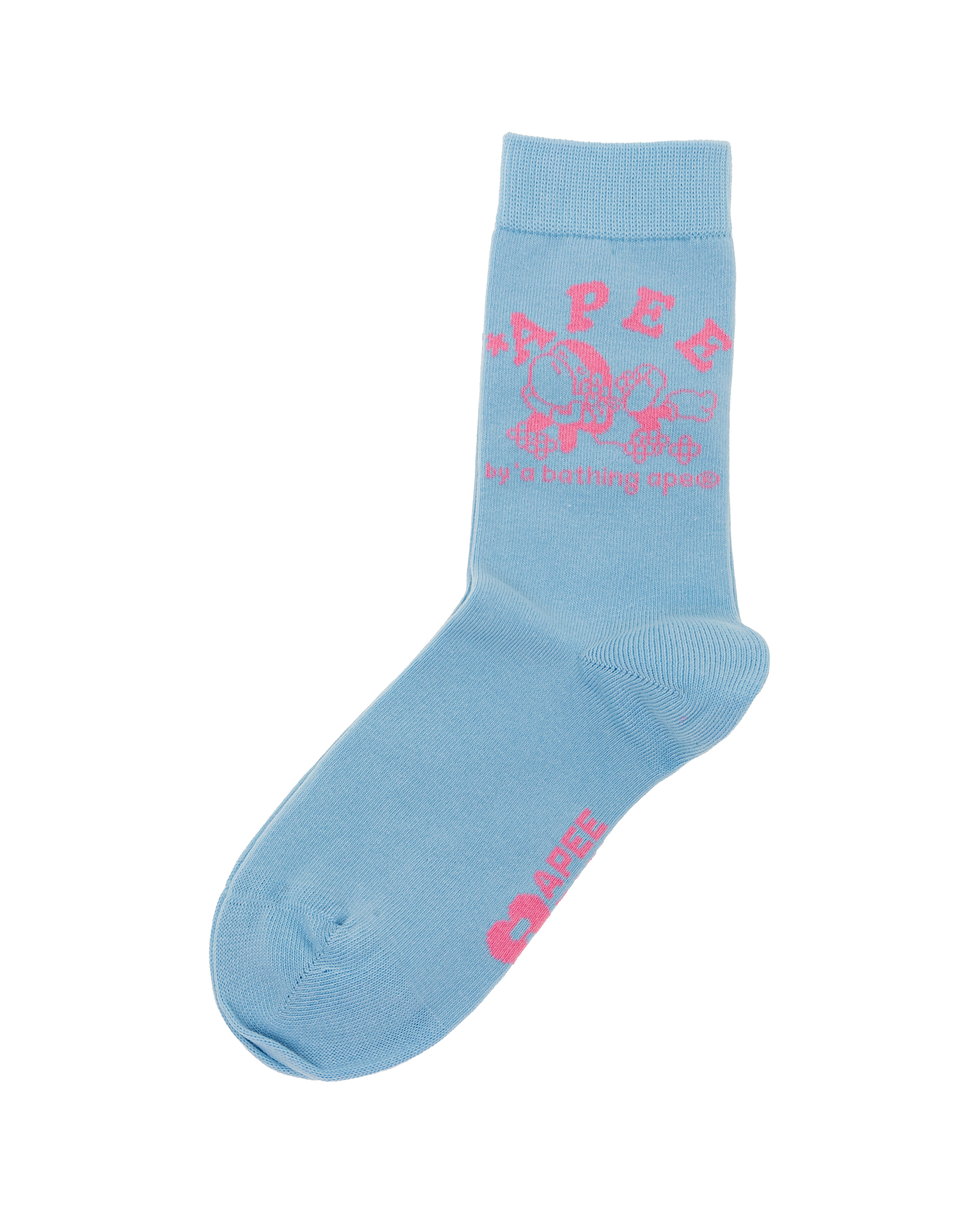
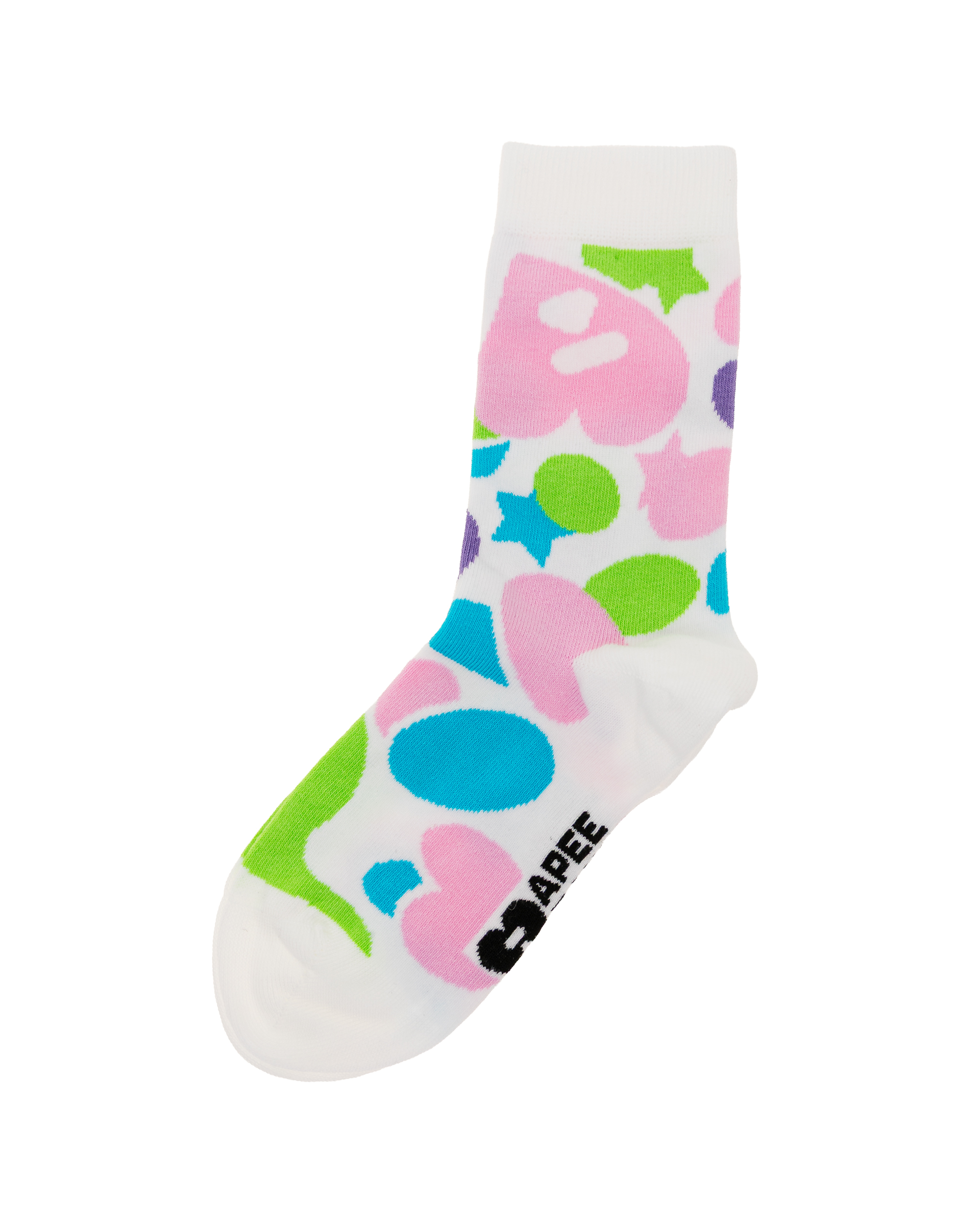
For over three decades, A Bathing Ape built its empire on a distinctly masculine, hyper-graphic language of camouflage, shark hoods, and street-level rebellion. But with the relaunch of APEE, the iconic Japanese label is rewriting its own origin story, delivering its first-ever dedicated women’s collection with a knowing nod to the era that made streetwear a global commodity: the Y2K mall crawl. This is not a mere sizing-down of menswear staples; it is a deliberate, sartorial pivot that repositions BAPE’s DNA through a lens of glossy, early-2000s femininity—capturing the exact moment when subcultural cool collided with suburban consumerism.
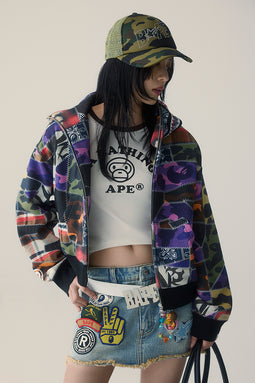
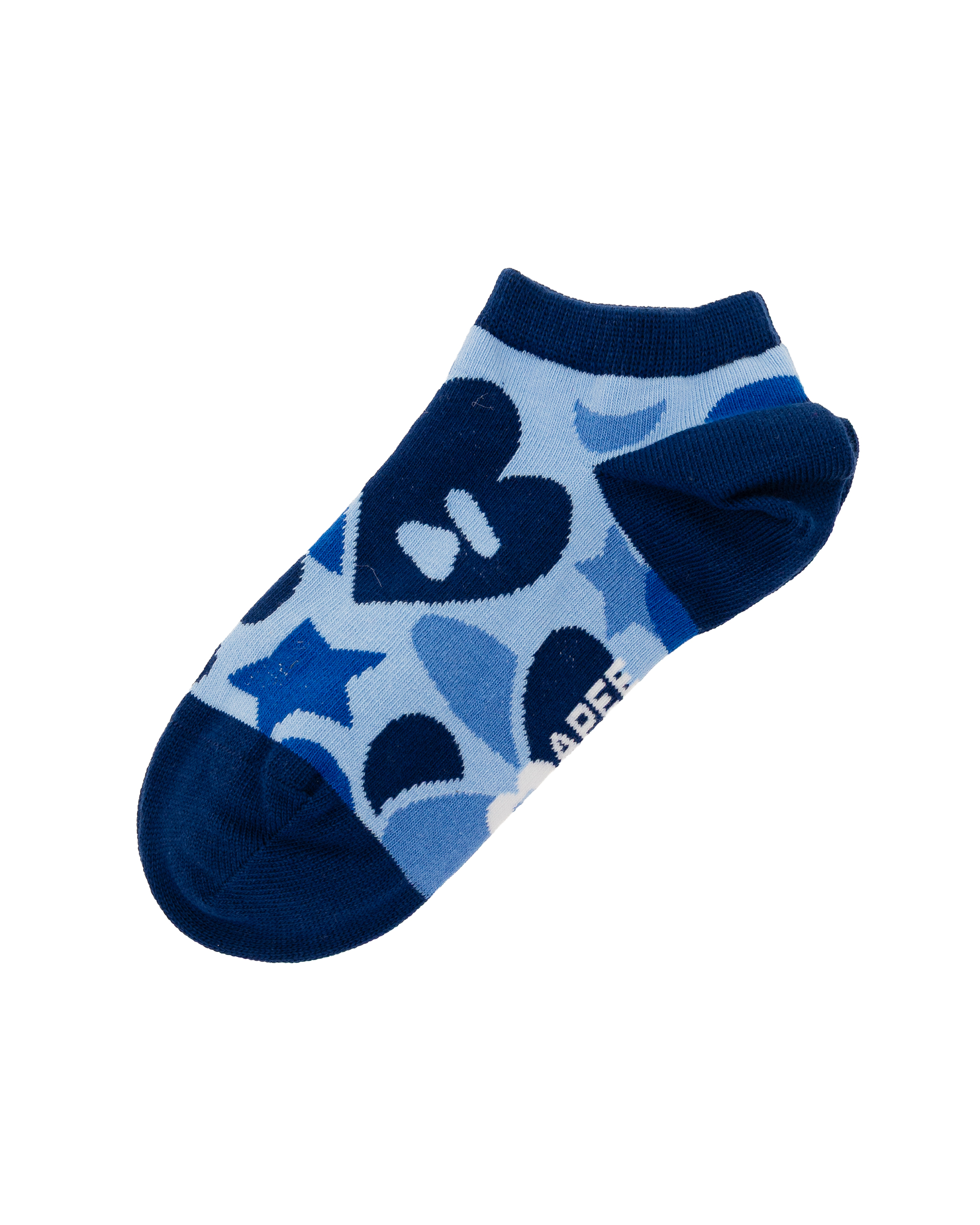
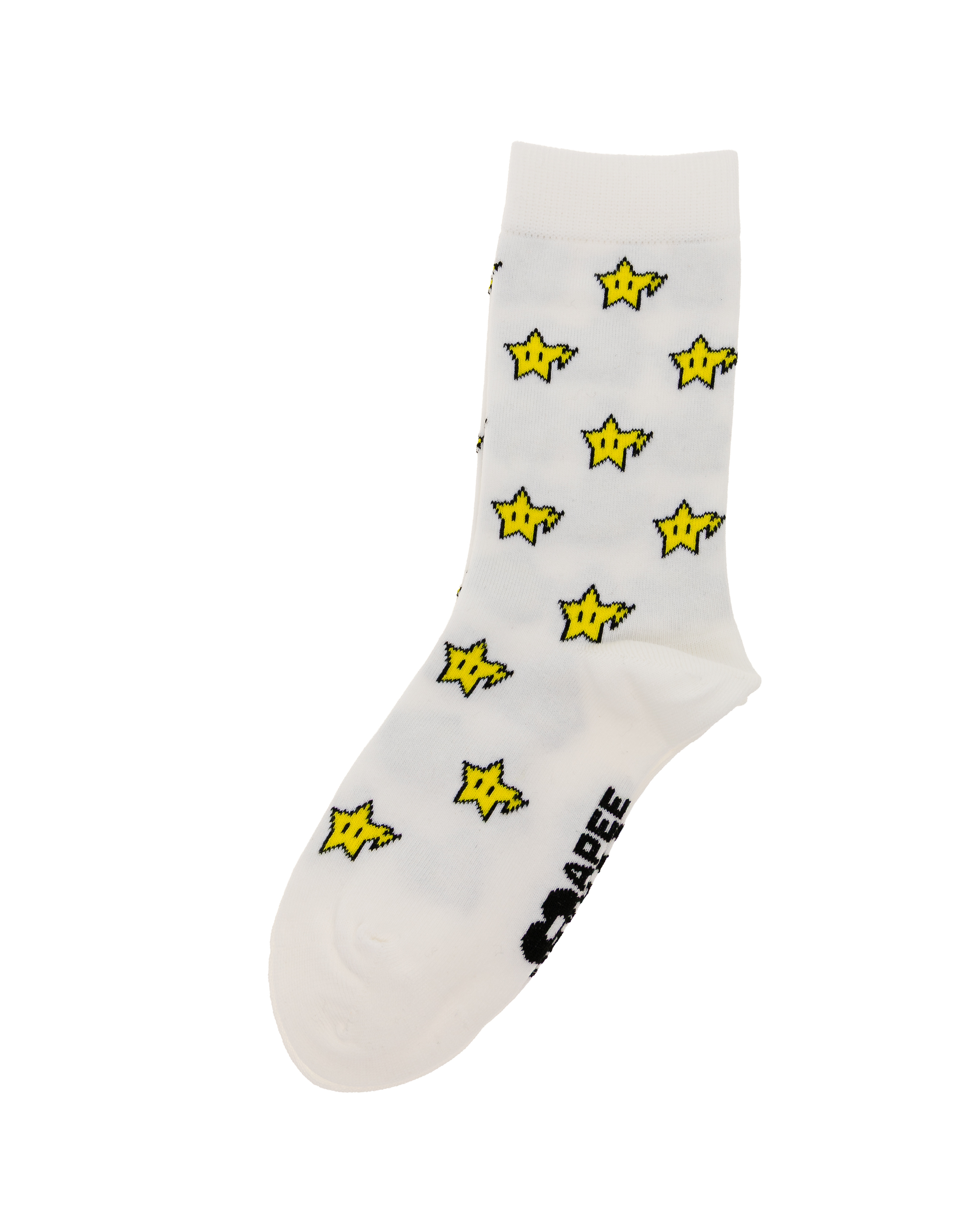
The APEE Women's Relaunch Collection is a masterclass in ironic nostalgia, filtering the brand’s aggressive apex predator motifs through a prism of butterfly clips, low-rise denim, and shimmering baby tees. It’s less a homecoming than a reincarnation—one that trades the heavy, oversized drape of the men’s line for a more articulated, body-conscious silhouette. Think cropped hoodies with the iconic Ape Head reimagined in pastel gradients and glitter-infused prints, while the legendary 1st Camo is subverted into a lighter, airier palette of lilac, powder pink, and acid mint. The construction materials have been elevated to match the new context—buttery-soft French terry and sheer mesh overlays that whisper rather than shout. Accessories, from chunky platform slides to micro shoulder bags with metallic WGM chains, anchor the collection firmly in the tactile memory of a hot summer spent at the food court.
The Cultural Resonance of the Comeback
The relaunch taps directly into the current fashion cycle’s obsession with the "indie sleaze" and "Y2K" revival, but it does so with a specific, authoritative provenance. Where other brands merely reference the era through generic rhinestones, APEE claims a direct lineage to the actual mall-core moment of the early aughts, when BAPE was the ultimate flex for hip-hop artists and skaters alike. The collection cleverly bridges the gap between the underground hypebeast and the PacSun shopper, acknowledging that the modern consumer’s nostalgia is less about the grit of the street and more about the glossy, fluorescent-lit environment of the suburban shopping center. It is a recognition that for a generation raised on social media, the "mall" is a digital state of mind—a place of curated discovery, viral micro-trends, and tactile desire.
There’s a certain poetry in watching a brand that once defined exclusivity through limited drops and invite-only stores lean into the most democratized retail space imaginable. But that’s precisely the point. The Y2K mall was never just a location; it was a sensory overload of chrome fixtures, sticky soda floors, and the electric hum of possibility. APEE captures that energy—the thrill of finding something rare in a sea of sameness, the adolescent rush of trying on a fit that made you feel invincible under those unforgiving fluorescent lights.
Who Is the APEE Woman?
She is the woman who understands that streetwear’s power lies not in uniformity, but in the ability to code-switch between masculine utility and feminine play. She might be a long-time collector of vintage BAPE who has been waiting for a fit that doesn’t require tailoring, or a new devotee drawn to the brand’s legacy through the lens of TikTok’s #BratSummer aesthetics. She appeals to the sneakerhead who wants the comfort of a chunky sole but desires the visual language of a ballet pump. The APEE woman is confident, slightly ironic, and deeply fluent in the visual cues of late capitalism—she wears the logo not as a badge of rebellion, but as a knowing wink at the commodification of cool.
The silhouette work here deserves particular attention. Where traditional streetwear drapes, APEE cinches. Where it overwhelms, APEE teases. The cropped proportions and high-rise bottoms create that quintessential early-aughts line—endless leg, abbreviated torso, a geometry that feels both nostalgic and refreshingly new. The sheer mesh overlays add a layer of texture that catches light differently with every movement, making even the most casual outfit feel deliberate.
Why This Matters Now
In a market saturated with collaborations and gender-fluid basics, the APEE Women's Relaunch Collection offers a distinct point of view that feels both fresh and deeply familiar. It leverages the current appetite for "coquette" and "balletcore" aesthetics but grounds them in the heavy, logo-centric heritage of a streetwear OG. This is a strategic move that acknowledges the massive purchasing power of female streetwear consumers, who have long been underserved by the primary lines of heritage brands.
The timing is impeccable. We’re in a moment where nostalgia is being mined at industrial scale, but rarely with this level of authenticity. APEE isn’t just borrowing visual cues from the early 2000s—it’s reclaiming its own history, recontextualizing the very motifs that made it legendary through a feminine lens that feels less like an afterthought and more like a revelation. By leaning into the specific visual vocabulary of the Y2K mall—rather than a generic "women’s cut"—BAPE is not just selling clothes; it is selling a curated memory, a place where the shark hoodie meets the butterfly hair clip, and where the apex predator of streetwear learns to purr.
The relaunch signals something larger: that heritage streetwear brands can evolve without losing their edge, that femininity and hype are not mutually exclusive, and that the most forward-thinking move in fashion might just be a backward glance—through the food court, past the arcade, straight into the glossy heart of the early aughts. APEE has arrived, and it’s carrying a shopping bag full of possibilities.