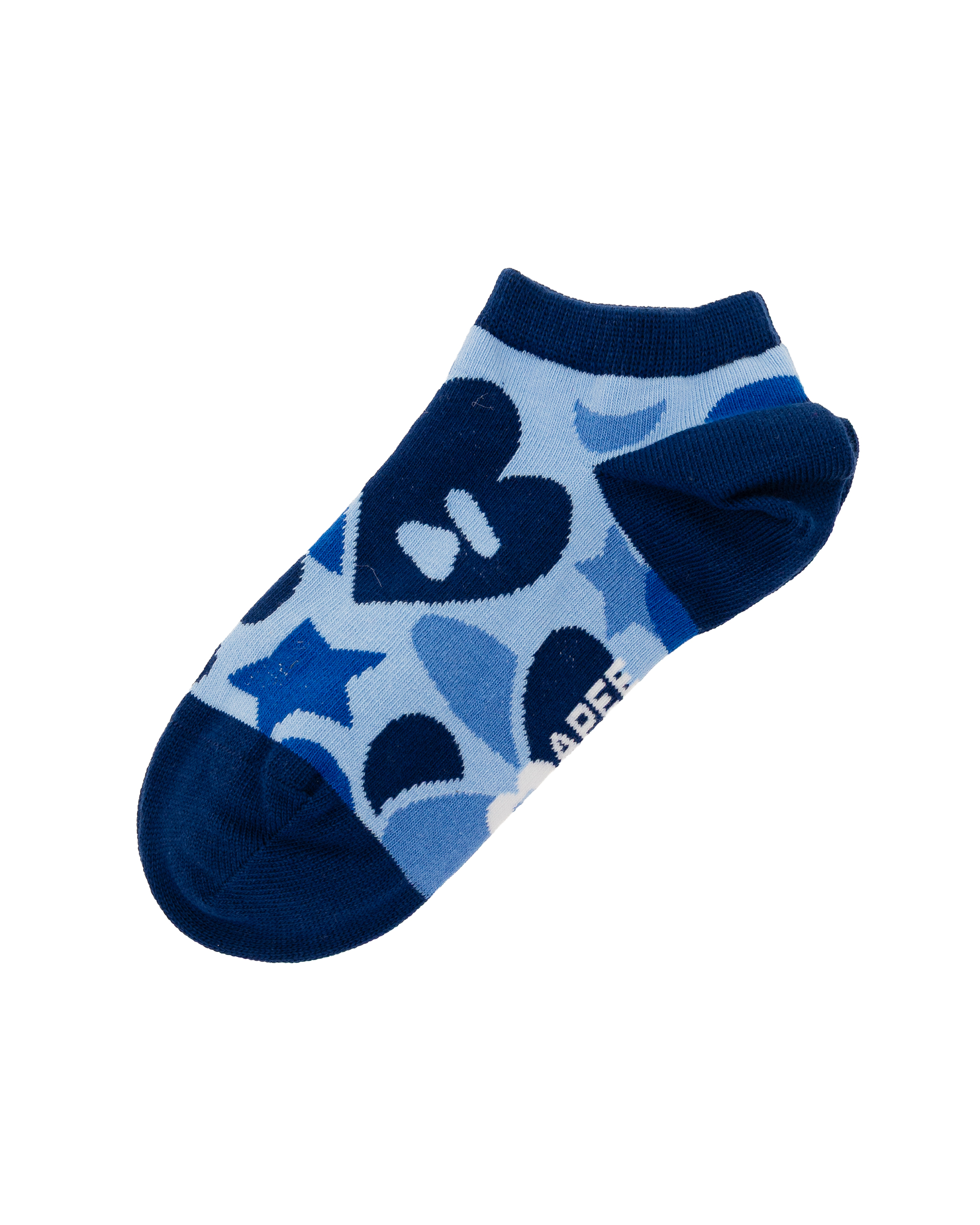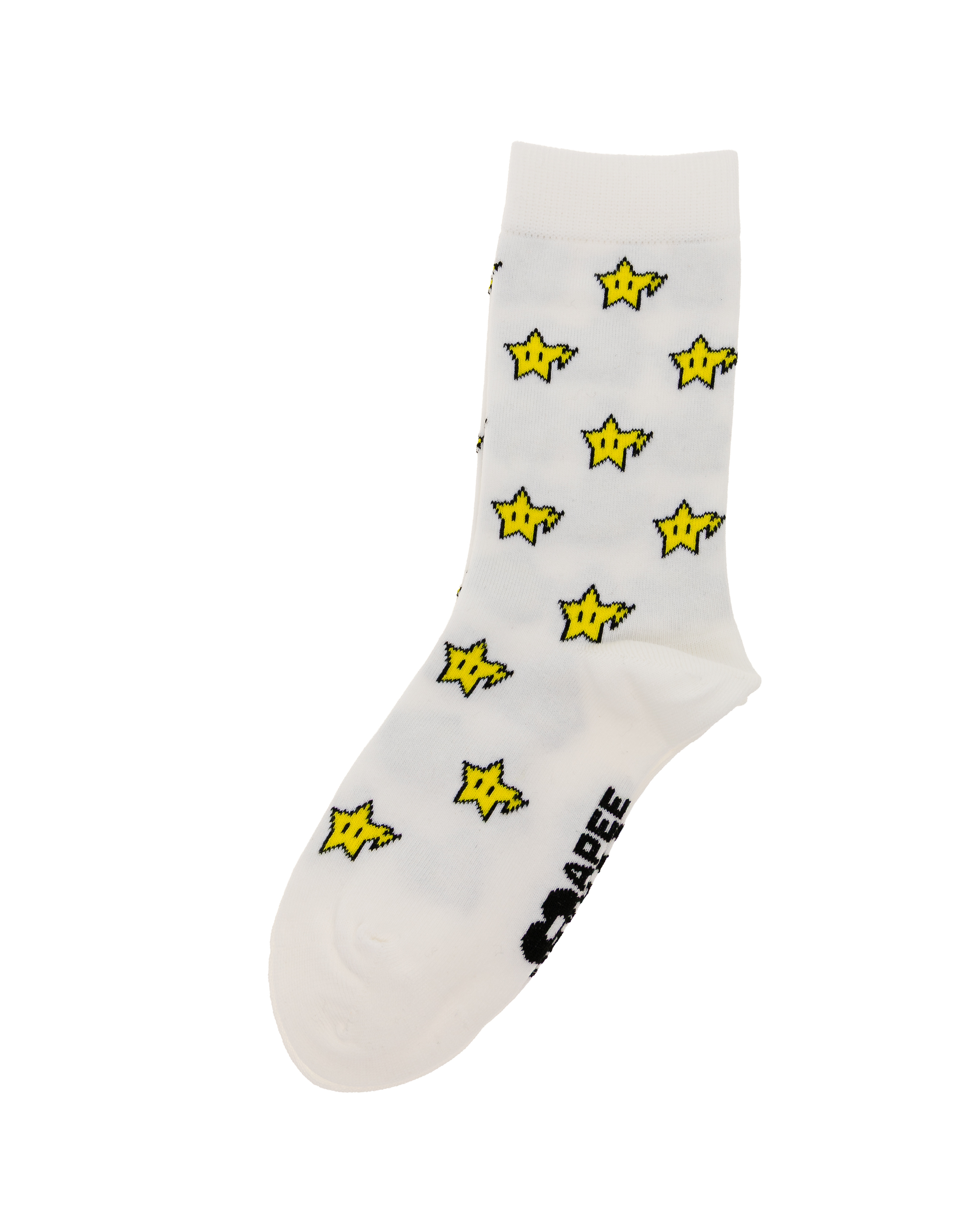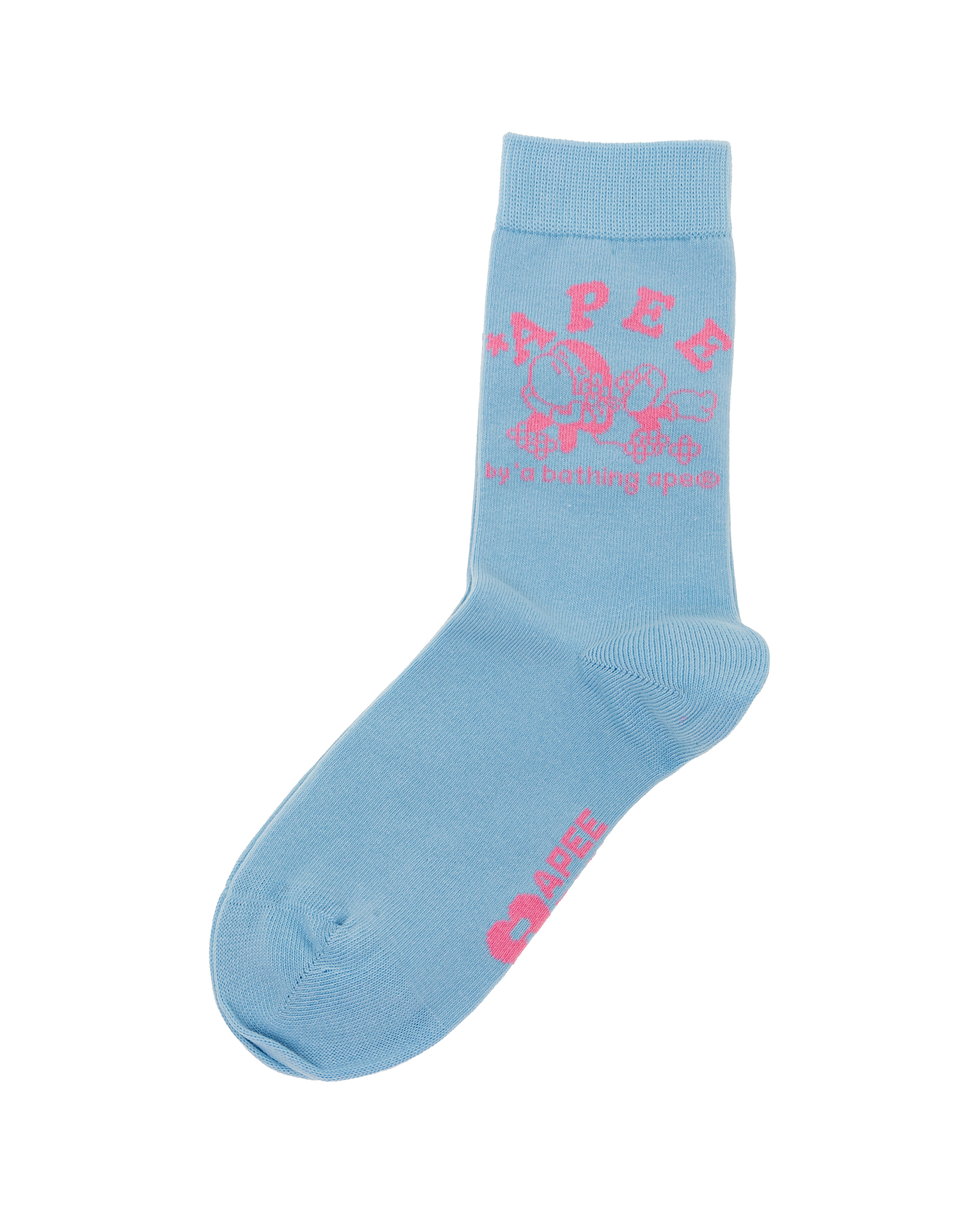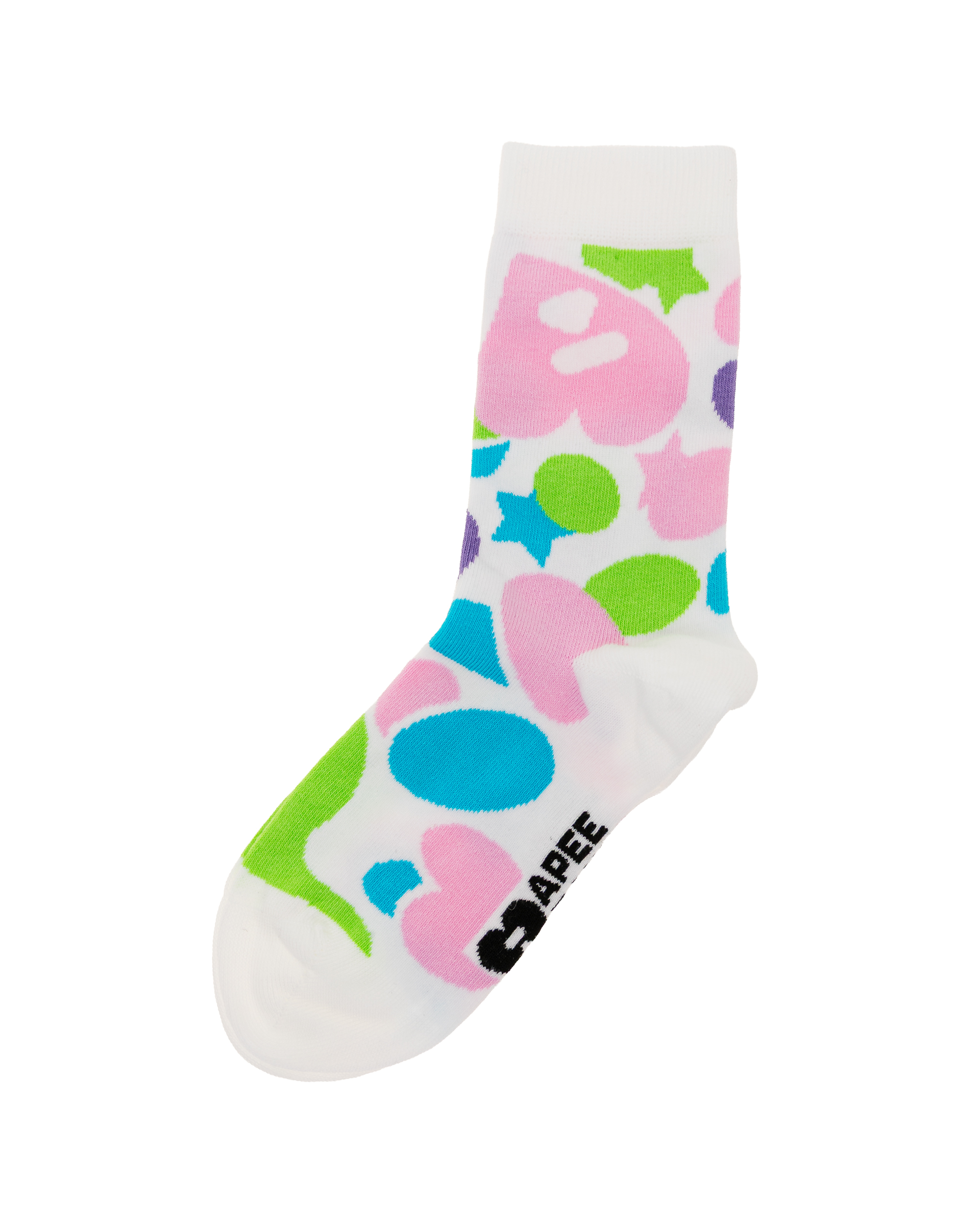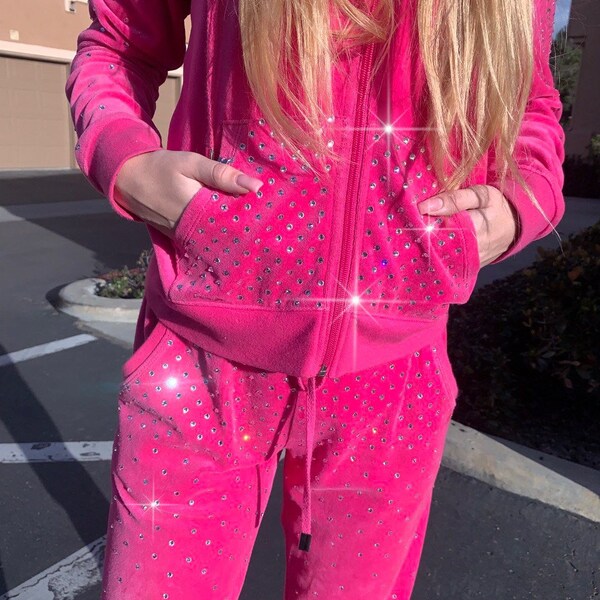
Somewhere between the gloss of a rhinestone heart and the soft drag of velour, a cult favorite is waking up. APEE, the women's arm that A Bathing Ape first introduced in the mid-2000s as a softer, more playful counterpart to its parent brand's camo-drenched masculinity, spent years as a footnote — a name traded among collectors, name-checked in forums, and quietly retired as BAPE's corporate identity shifted through ownership changes. Now, with the APEE Women's Relaunch Collection, the label returns not as nostalgia bait but as a deliberate strategic bet: BAPE's first fully realized women's line, rebuilt from the ground up for a generation that discovered Y2K style through TikTok rather than mall food courts.
The timing is anything but accidental. BAPE has moved aggressively to court Gen Z consumers, most visibly through the opening of an APEE flagship store in Hong Kong designed explicitly to target younger shoppers. That retail push, paired with high-visibility co-signs from K-pop figures — BABYMONSTER's ASA has been photographed wearing the collection, with community posts circulating across Weverse — signals that BAPE understands where its next decade of growth lives. The relaunch isn't just a product drop; it's a repositioning of an entire sub-brand around a demographic that treats early-2000s aesthetics as living vocabulary rather than irony.
The Archive, Re-Cut
What makes the collection land is its refusal to merely cosplay the past. The design language draws on the original APEE codes — the cursive logo script, the heart motifs, the candy-colored palette that once distinguished it from BAPE's olive-and-brown camouflage — but reinterprets them through contemporary silhouettes. Cropped baby tees, low-rise track pants, zip-up hoodies with contrast stitching and mini skirts sit alongside accessories that feel pulled from a 2003 mall directory yet cut for modern proportions.
The signature APEE heart logo reappears across pieces, sometimes rendered in rhinestones, sometimes in the same glossy enamel finish that defined the label's first incarnation. And the materials lean hard into the tactile nostalgia of the era: velour, terry cloth, washed cotton fleece, and the kind of synthetic satin that catches light the way early-2000s pop videos intended. It's a texture story as much as a silhouette one — the sort of clothing you want to touch before you try on.
Mall Fashion, Without the Apology
The cultural context here is layered. Y2K revival has been cycling through fashion for several seasons, but much of it has been filtered through luxury houses and designer reinterpretations. APEE arrives from a different direction — it's a genuine archival revival, executed by the original brand, aimed at the original audience's daughters. The PacSun comparison that surfaced in coverage of the relaunch is apt: this is mall fashion, unapologetically, and that's precisely the point.
Gen Z has spent years rehabilitating the aesthetics of a period they never experienced firsthand, and APEE offers authenticity rather than approximation. The brand was there. It knows the codes because it wrote them. There's a credibility in that which no amount of trend-forecasting can manufacture — and a certain license to be sweet, glossy and a little unserious without tipping into costume.
Who It's Actually For
Primarily women in their late teens and twenties who move between streetwear, K-pop fandom and the broader Y2K revival ecosystem — consumers who shop at BAPE but have long been offered only men's sizing and masculine silhouettes. The relaunch corrects that gap. It's also for the older collector who remembers APEE the first time around and wants to see it done properly rather than as a licensed afterthought. And it's for the Hong Kong and broader Asian market specifically, where BAPE's cultural capital remains strongest and where the new flagship gives the line a physical home.
Why it matters now comes down to one word: ownership. Plenty of brands are chasing Y2K, but few can claim to have shaped it. APEE can. By reviving its women's line with intention — proper retail infrastructure, celebrity visibility and design that respects both the archive and the present — BAPE is doing something rarer than a trend play. It's reactivating a piece of its own history for an audience that never got to see it the first time. The APEE Women's Relaunch Collection isn't a capsule or a cash grab. It's a reintroduction — and it arrives at precisely the moment its audience is ready to receive it.