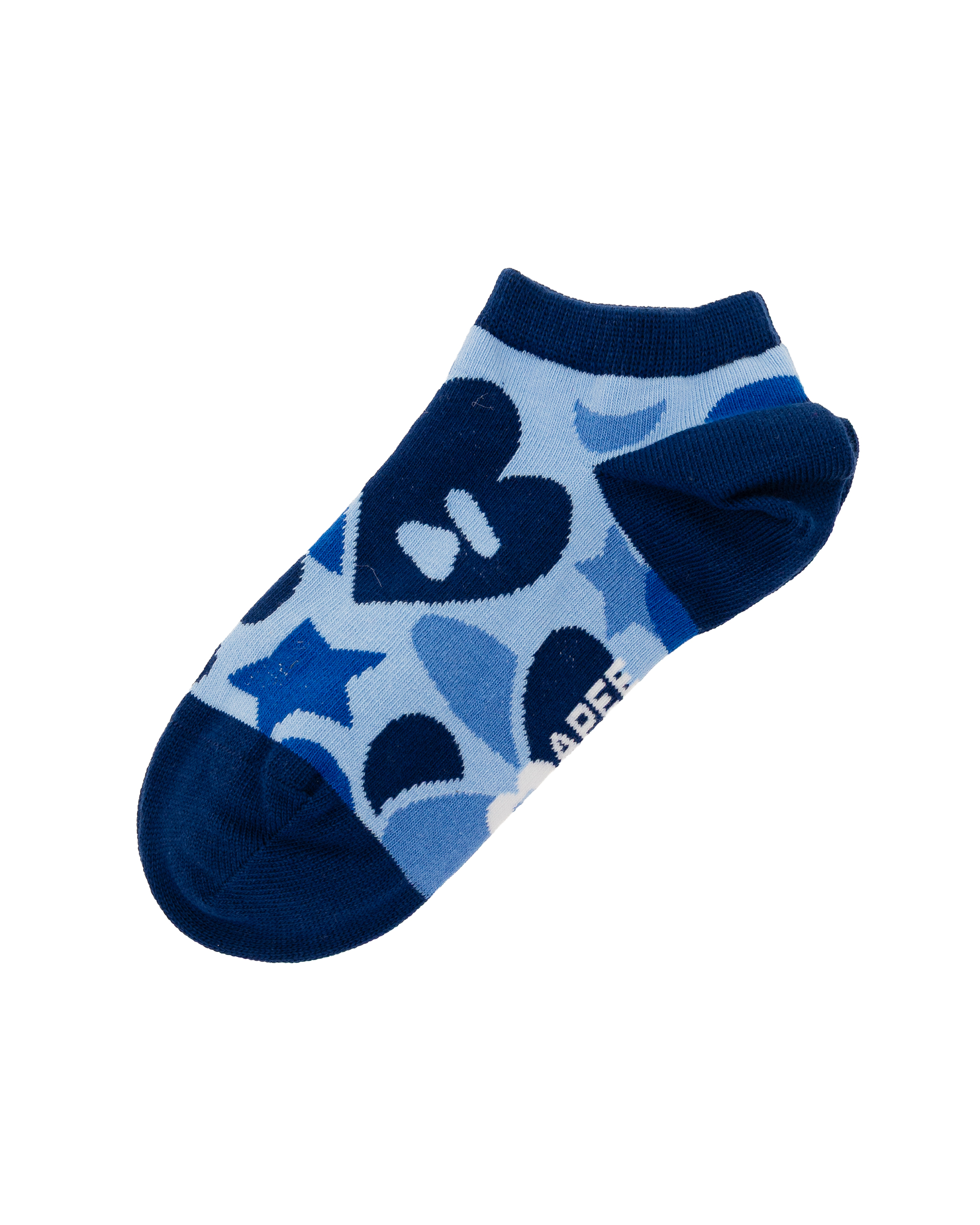
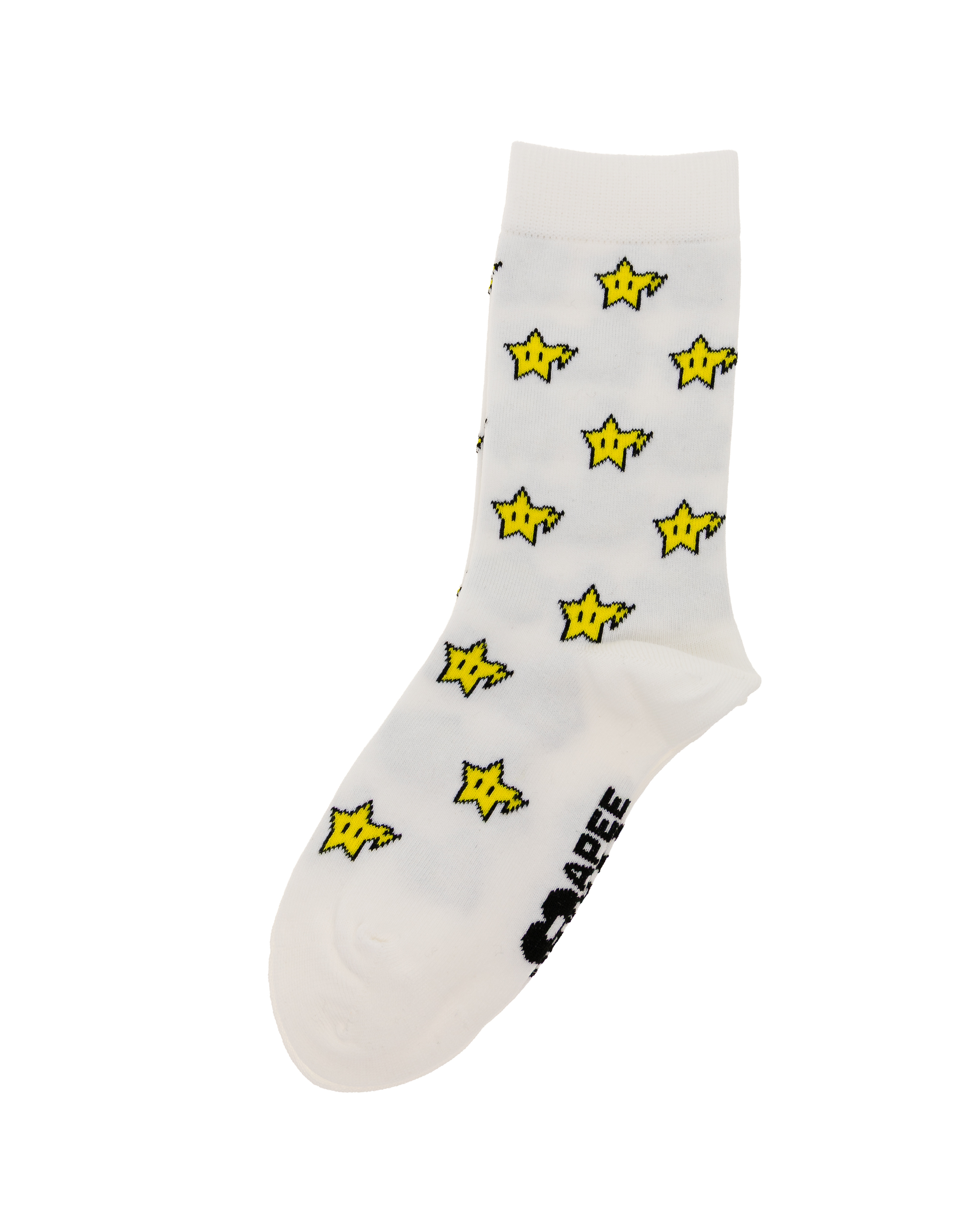
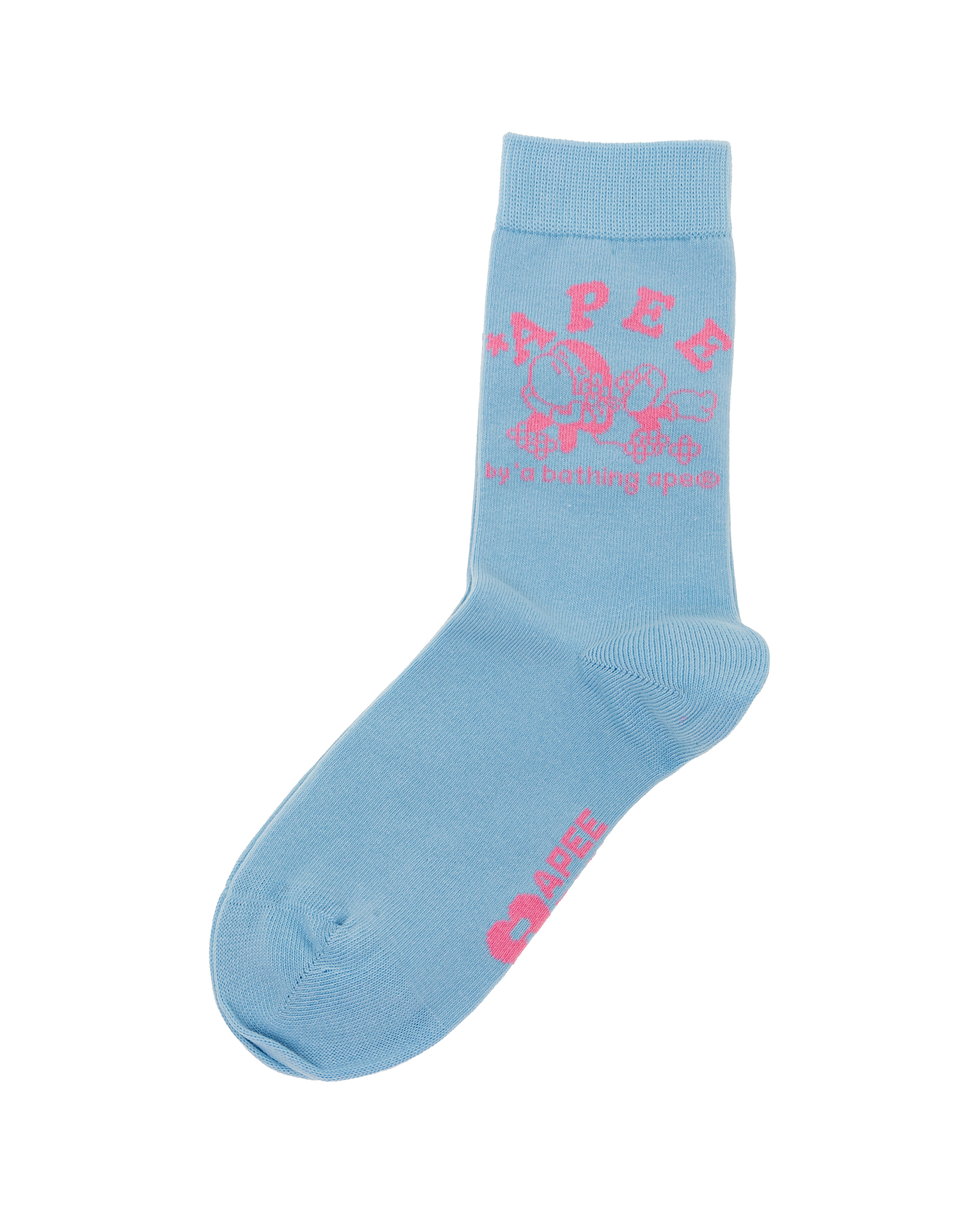
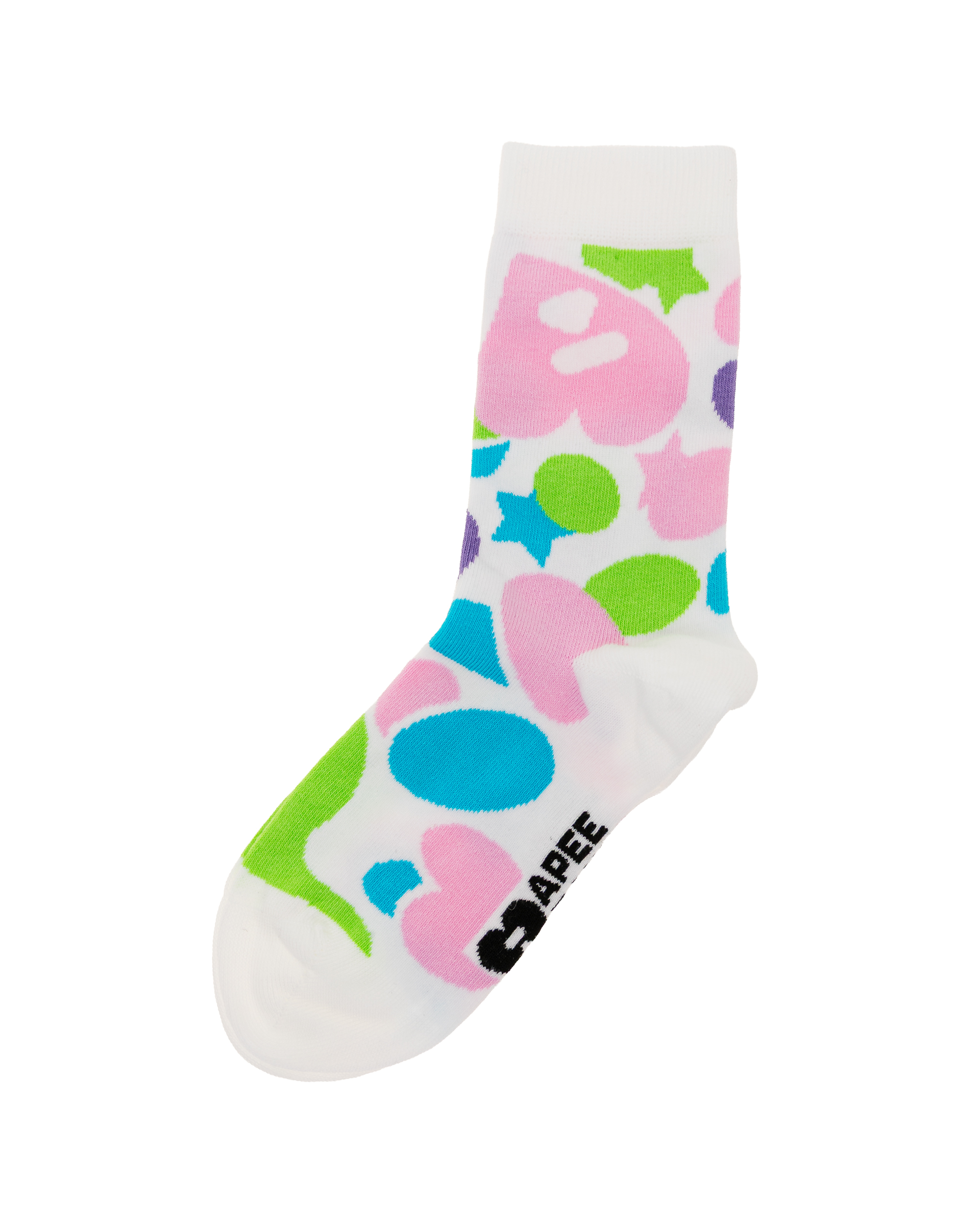
When A Bathing Ape announced the resurrection of APEE, its long-dormant women’s line, the initial instinct was to slot it into the relentless cadence of hype-driven drops. After all, BAPE has spent three decades perfecting the art of the loud logo, the limited release, and the cult of the camo. Yet the first look at APEE’s new direction tells a far more intriguing story. This is not a streetwear power play; it is a meticulously curated descent into the soft-focus, glitter-dusted, butterfly-clipped world of 2000s mall nostalgia. The relaunch feels less like a collaboration with a sneaker reseller and more like a walk through a memory of a Claire’s accessory wall, a Hint Water in one hand and a velour tracksuit on the credit card.
The distinction matters because the visual language is unmistakably different. Where BAPE’s mainline screams with aggressive shark hoodies and oversized graphic tees, APEE whispers in baby tees, low-rise flared denim, and delicate lace trims. The new collection leans into a hyper-feminine, almost saccharine palette — bubblegum pinks, frosted lilacs, and that specific shade of metallic silver that defined the era of the Motorola Razr. This is not the utilitarian, boxy fit that dominates contemporary streetwear. Instead, the silhouettes are clingy, cropped, and impossibly nostalgic, recalling the exact moment when Juicy Couture and Von Dutch ruled the suburban social hierarchy. The APEE logo itself, rendered in a loopy, cursive script, feels like a direct transplant from a 2003 middle school yearbook, a deliberate departure from the blocky, militaristic typeface of its parent brand.
The Anti-Streetwear Play
What makes this relaunch so clever is its refusal to engage with the current streetwear conversation. The modern market is saturated with techwear, gorpcore, and the quiet luxury of stealth wealth. APEE does not care about any of that. It is unapologetically loud in its femininity, but not in the way of a hypebeast flex. The collection’s energy is rooted in the social rituals of the early aughts — the weekend trip to the sprawling suburban mall, the anxious excitement of a first date at the food court, the ritualistic purchase of a new outfit for the school dance. It taps into a specific, visceral memory of a time when fashion was less about identity and more about aspiration, when the Limited Too catalog was a sacred text and the ultimate status symbol was a pair of low-rise jeans with a visible thong strap.
The strategic brilliance here is in the audience. The women who were tweens and teenagers during the peak of Y2K are now in their late twenties and early thirties, with disposable income and a fierce, protective nostalgia for their formative years. They are not looking for a rehash of the oversized, logo-heavy streetwear that their older brothers or boyfriends wore. They want the specific, gendered experience of that era — the friendship bracelets, the butterfly hair clips, the rhinestone-encrusted everything. By relaunching APEE with this laser focus, BAPE is not competing with Supreme or Stüssy; it is competing with the memory of a Delia’s catalog. It is a play for the emotional wallet, not the hype wallet.
Building a Cinematic Fantasy
Of course, the cynic might argue that this is simply a case of a heritage brand cannibalizing its own iconography to chase a trend. But the execution feels too precise, too deliberately styled to be a cash grab. The styling in the campaign imagery is evocative of a specific, almost cinematic nostalgia — think Lindsay Lohan in *Freaky Friday*, or the mall montage in *13 Going on 30*. It is a world-building exercise, not just a clothing drop. The accessories, from the beaded chokers to the sequined handbags, complete the fantasy, turning the wearer into a character from a beloved teen rom-com. This is the genius of the APEE relaunch: it understands that for this demographic, the 2000s were not just a decade; they were a defining emotional landscape.
The tactile details reinforce the spell. There’s a deliberate softness here — velvet-soft velour, whisper-light lace, the cool slick of metallic fabrics catching the food-court fluorescent light. These are clothes meant to be touched, twisted between fingers, and admired in a three-way mirror. They carry the weight of sleepover debates and magazine tear-sheets, of circling items in a catalog with a gel pen. It’s fashion as memory trigger, and it works precisely because it doesn’t try to be cerebral. It’s meant to be felt.
Nostalgia as Currency
In turning away from the aggressive posturing of modern streetwear, APEE has found a more potent cultural currency: collective memory. It is a reminder that true fashion nostalgia is not about reviving a logo, but about reviving a feeling. The feeling of being young, of having your whole life ahead of you, and of believing that the perfect pair of low-rise jeans could somehow make it all come true. That is a story far more compelling than another limited-edition drop, and it is one that only the mall could tell.