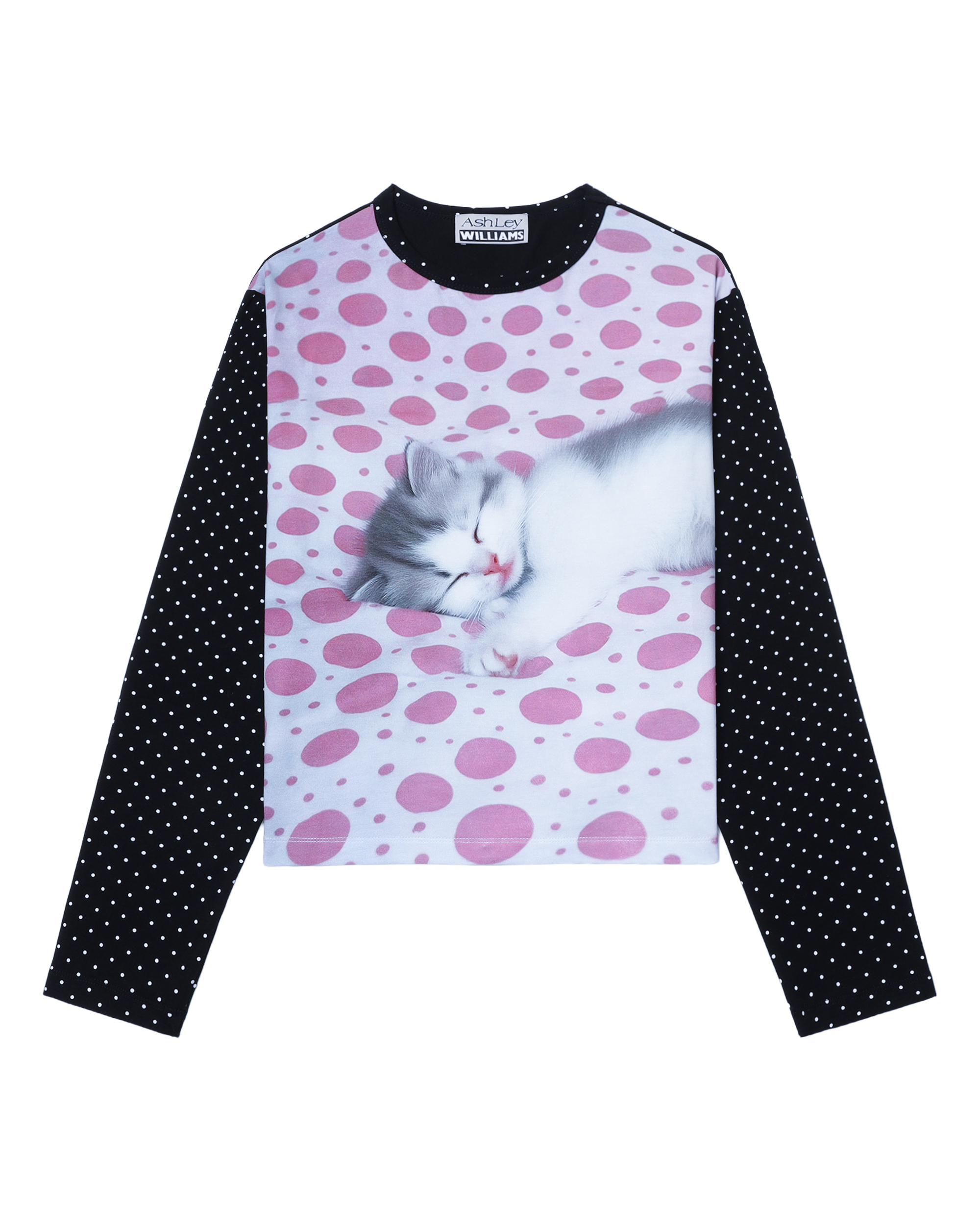
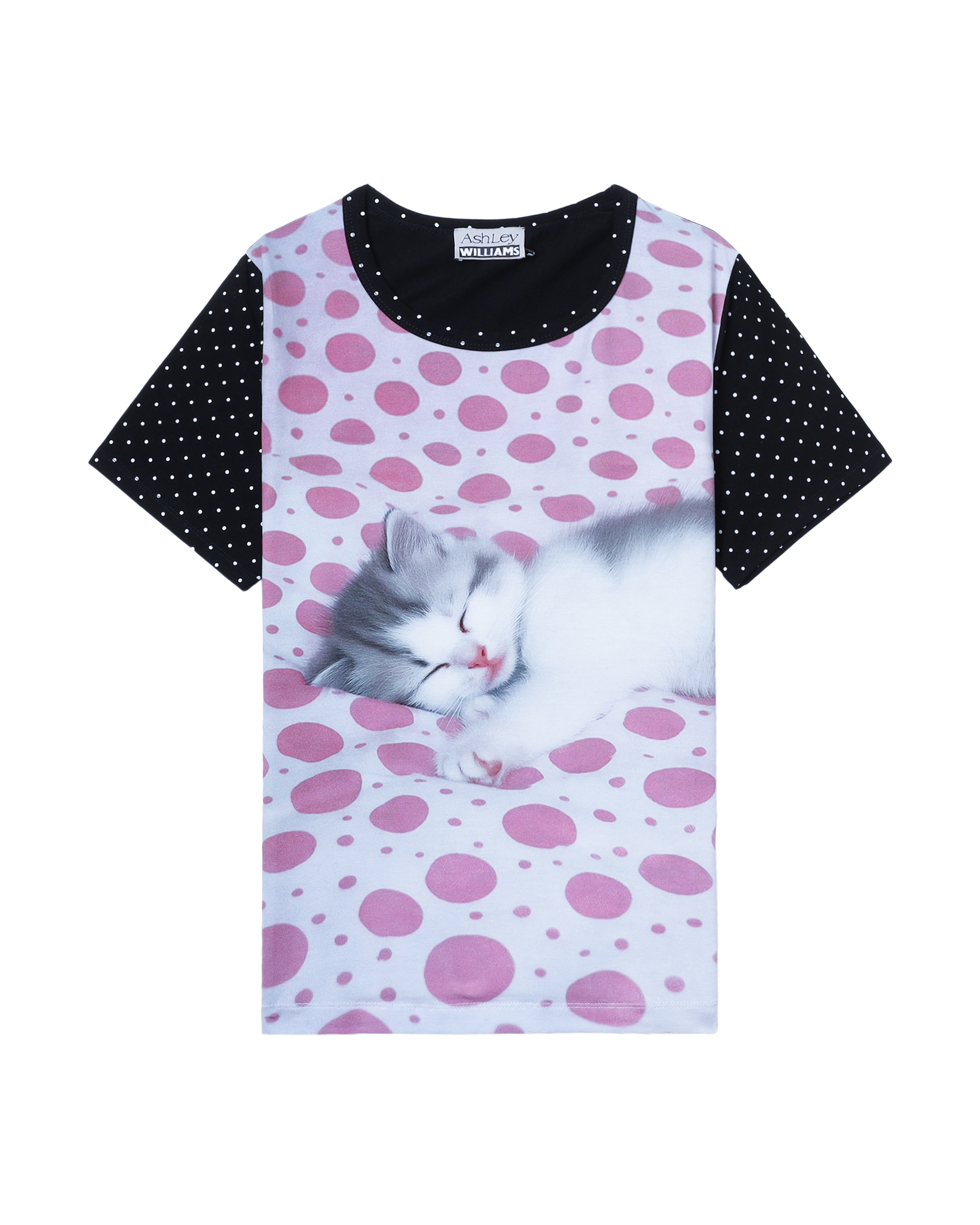
There is a particular kind of magic that happens when fashion refuses to look forward. While the industry obsesses over the next algorithm-driven micro-trend, British designer Ashley Williams has spent her career doing something far more subversive: she looks back. Her eponymous label, launched in 2013, has never been about quiet luxury or minimalist restraint. Instead, Williams builds her collections from the emotional detritus of British youth culture—the faded logos of seaside arcades, the synthetic sheen of a 90s prom dress, the defiant charm of a souvenir tea towel. The fabric is never just cloth; it is a repository of memory. Her recent Ready-To-Wear AW26 showcase, highlighted by 10 Magazine, continued this exploration, proving that in a world drowning in disposable fashion, the most radical statement is a garment that feels like a memory you can wear.
The Fabric of Feeling
Williams’s genius lies in her ability to translate the intangible—the ache of a summer that has passed, the thrill of a first kiss at a fairground—into tactile, wearable pieces. She is a storyteller first and a designer second. The cloth she chooses does the narrative heavy lifting: a chunky, hand-knitted mohair sweater isn't just warm, it evokes a grandmother’s living room; a slip dress printed with a blown-up floral motif doesn’t just flatter, it recalls the wallpaper of a childhood home. This approach elevates her work beyond mere clothing into the realm of personal archaeology. When you purchase an Ashley Williams piece, you are not buying a garment; you are buying a carefully curated fragment of a shared cultural consciousness, a piece of cloth that has been imbued with a specific, palpable nostalgia.
This focus on the fabric as a vessel for feeling is what sets her apart in the contemporary landscape. In an era dominated by the sterile efficiency of fast fashion, where cloth is often reduced to a commodity, Williams treats her materials with a reverence usually reserved for archival couture. She sources deadstock fabrics, repurposes vintage knitwear, and plays with textures that feel inherently lived-in. The result is a tactile honesty that cannot be faked. A Williams dress does not look like it just came off a conveyor belt; it looks like it has a history, a secret, a life before you. This is the antithesis of the throwaway culture that floods our feeds, and it positions her label as a quiet rebellion against the disposable.
A Life Woven In
The designer’s personal narrative often bleeds into her professional output, adding another layer of depth to the cloth. She is a working mother, navigating the impossible balance of creative demands and domestic life. This reality infuses her work with a grounded pragmatism that contrasts beautifully with the whimsy of her designs. There is a sense that every piece must be as functional as it is beautiful, as comfortable as it is striking. She understands that modern women live multifaceted lives—they are not just muses but mothers, professionals, and individuals with complex emotional landscapes. Her clothing acknowledges this by offering a sense of security and playfulness in equal measure, a sartorial hug for the complexities of the everyday.
The Luxury of Feeling
Ultimately, the enduring appeal of Ashley Williams lies in her refusal to separate fashion from feeling. She understands that the clothes we choose to wrap ourselves in become part of our own personal histories. The cloth is the canvas, but the emotion is the paint. As the fashion cycle spins ever faster, her work offers a moment of pause, a chance to connect with the past while dressing for the present. She proves that true style is not about the newness of the garment, but the richness of the story it tells. In her hands, a simple piece of fabric becomes a keepsake, a tangible link to the fleeting moments that define us. That is the true luxury of her brand—not the price tag, but the permanence of the feeling it evokes, stitched securely into every seam.