Ashley Williams has spent more than a decade perfecting a particular kind of fashion insurrection — the kind delivered with a wink, a safety pin, and an encyclopedic knowledge of exactly which British icon to subvert next. For Spring 2027 Ready-to-Wear, she brought that sensibility to a London runway for the first time, closing out a season that had spent weeks circling the same anxious question: what does British fashion even mean now?
Her answer, already circulating widely in the wake of WWD and Vogue's first-look coverage, is neither a flag-waving exercise nor a retreat into sepia-toned heritage. It's something thornier and more alive — a collection that treats nostalgia as raw material to be cut apart and re-stitched, held up to the light, and found wanting in places and unexpectedly tender in others. Less a retrospective than a recalibration.
The Past, Deconstructed
The design language is unmistakably Williams — that irreverent, punk-adjacent wit she has refined across her career — but it has matured into something more deliberate. Silhouettes play with the codes of British dress without ever settling into costume: deconstructed tailoring that nods to school uniforms and mod sharpness, slip dresses layered with athletic jersey, knitwear that seems to have been pulled from a charity-shop rail and then rebuilt with couture-level attention.
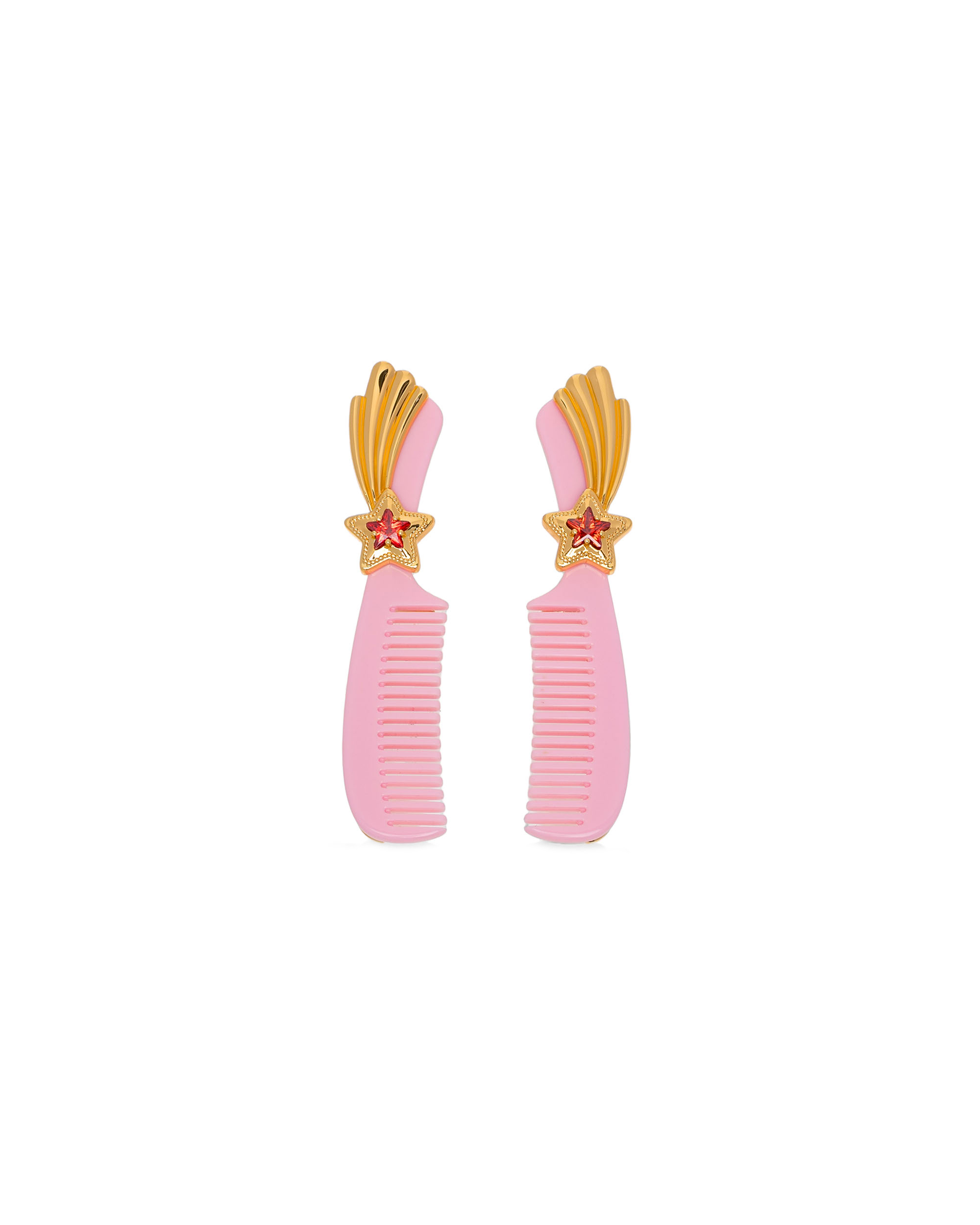
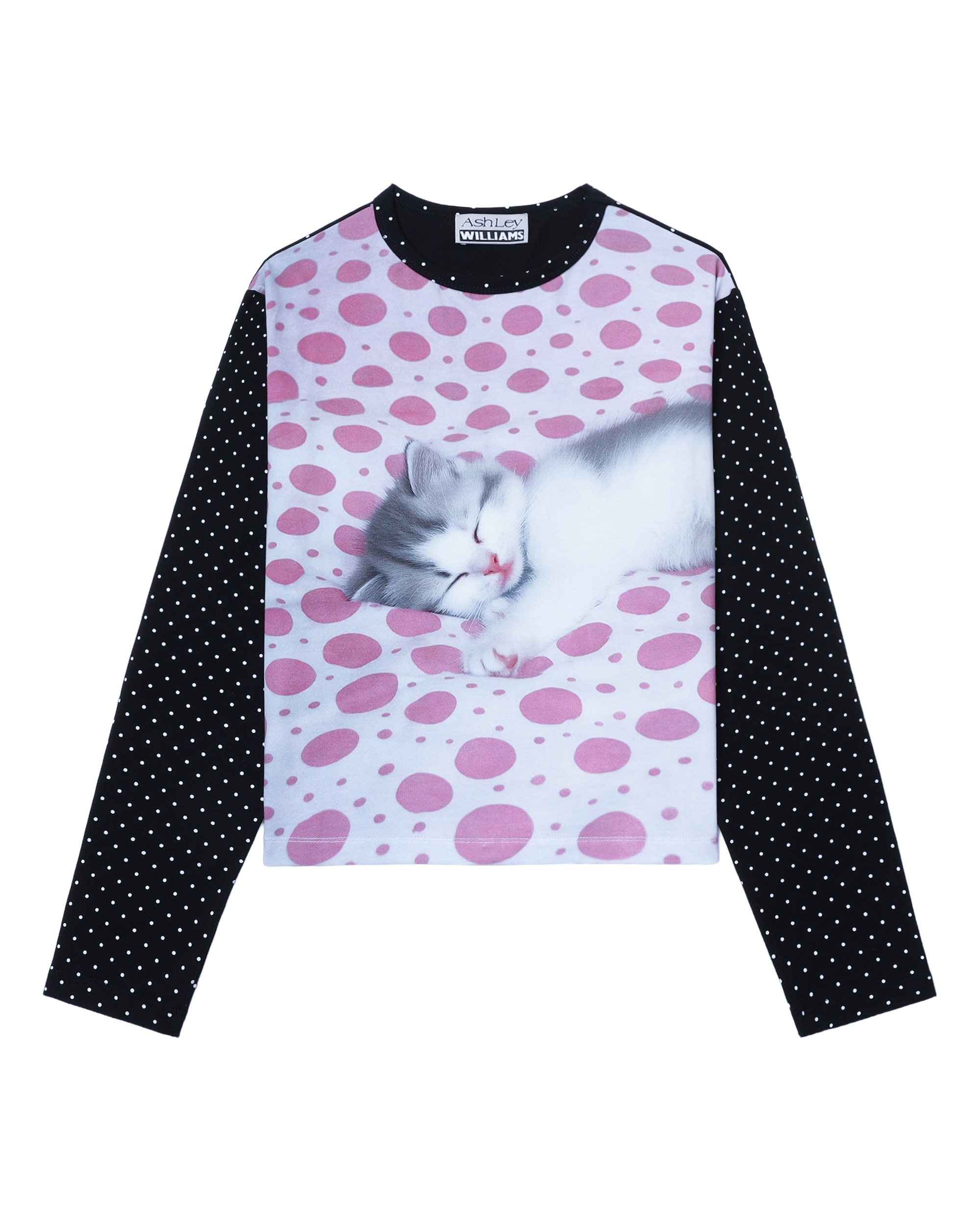
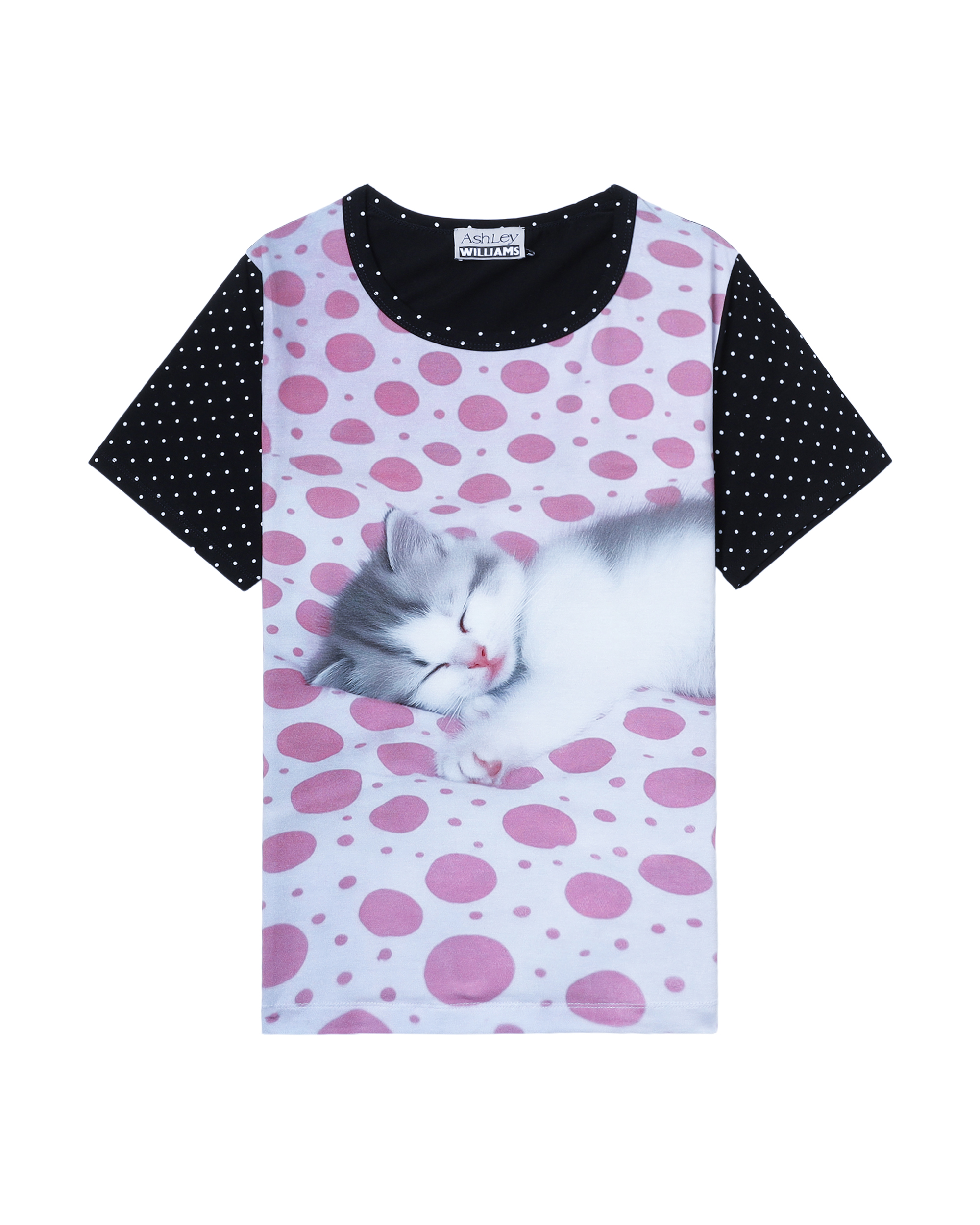
The standout pieces lean hard into contrast. A trench, perhaps, spliced and re-proportioned. Graphic prints that borrow from tabloid ephemera and council-estate iconography. Embellishments that flirt with the sentimental before turning ironic. It's a collection that rewards close looking — and the runway staging of her London debut gave it the theatrical frame it deserved.
Texture as Narrative
Materials matter here as much as message. Williams has long been a designer interested in texture as narrative, and Spring 2027 sees her working across washed cottons, distressed denim, and fluid silks in a palette that moves between faded Union Jack reds, bone whites, and the particular grey of a London sky.
There's a tactility to the clothes that reads as anti-digital — a deliberate counterpoint to the polished, algorithmic aesthetic that dominates so much of the contemporary market. The craftsmanship is never ostentatious, but it is precise, and it signals a designer confident enough to let the garment do the talking.
Britishness as Collage, Not Monument
Culturally, the timing is pointed. British fashion is in a moment of self-interrogation — post-Brexit identity, the erosion of manufacturing, the question of who gets to tell the national story. Williams's answer is to refuse the singular narrative altogether. Her nostalgia is plural, working-class in its references, queer in its sensibility, and unafraid of ugliness as a form of honesty.
This is Britishness as collage rather than monument — and in a season where so many houses reached for the safe and the sepia-toned, that refusal feels genuinely urgent.
Who It's For
The collection is for the wearer who has grown tired of being marketed to and wants instead to be provoked — the person who understands that a garment can be both a joke and a thesis. It will resonate with the longtime Williams acolyte and, crucially, with a newer audience encountering her work for the first time on a London runway. That debut matters: it positions her not as a cult concern but as a voice capable of shaping the broader conversation.
Fashion's nostalgia cycle has grown lazy, recycling eras without interrogating them. The Ashley Williams Spring 2027 Ready-to-Wear Collection insists that looking backward can be an act of critique rather than comfort — that the Union Jack, the school tie, the market-stall print can be turned inside out and made to say something new. In her London debut, Williams has done what the best designers do: taken the familiar and made it strange again.