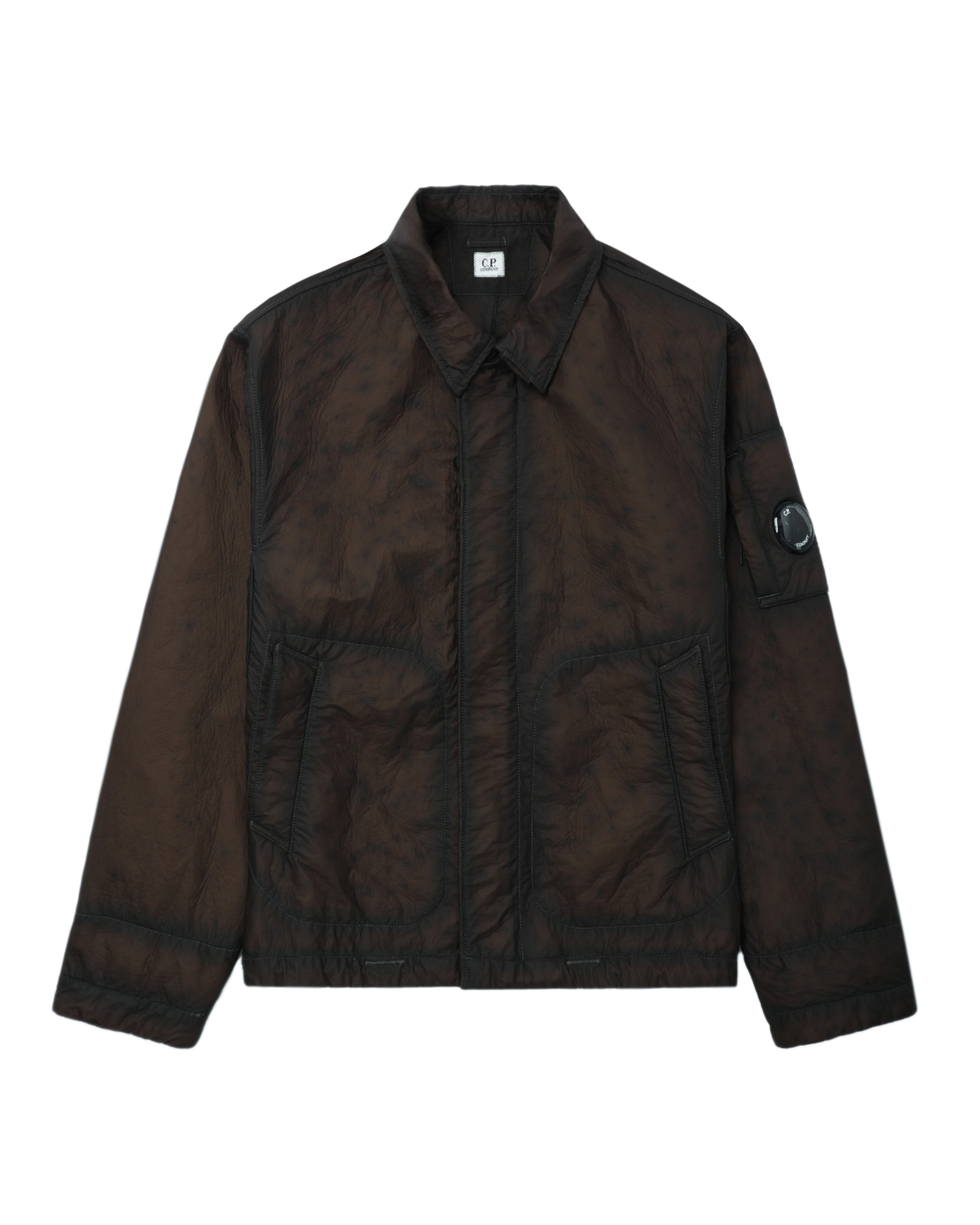
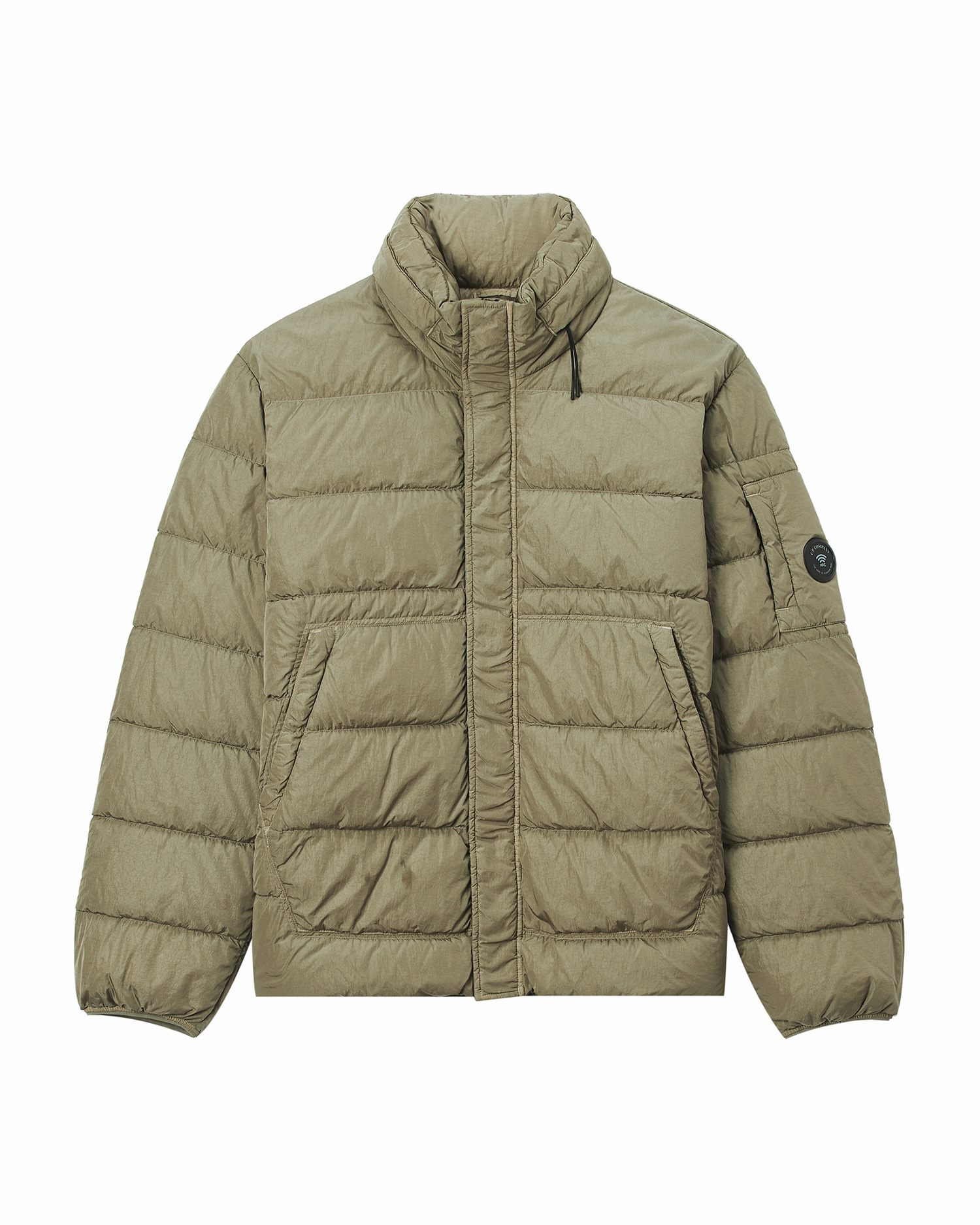
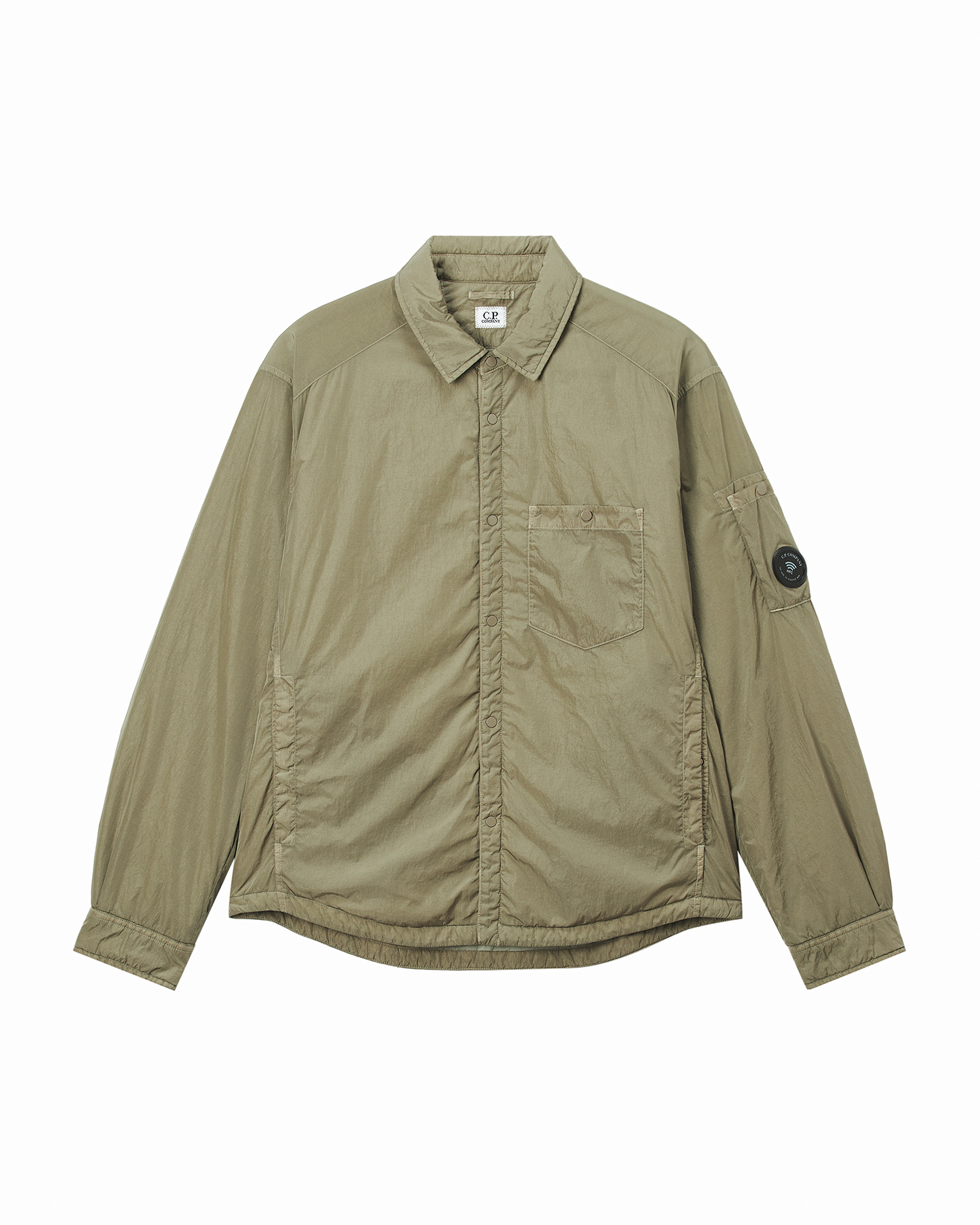
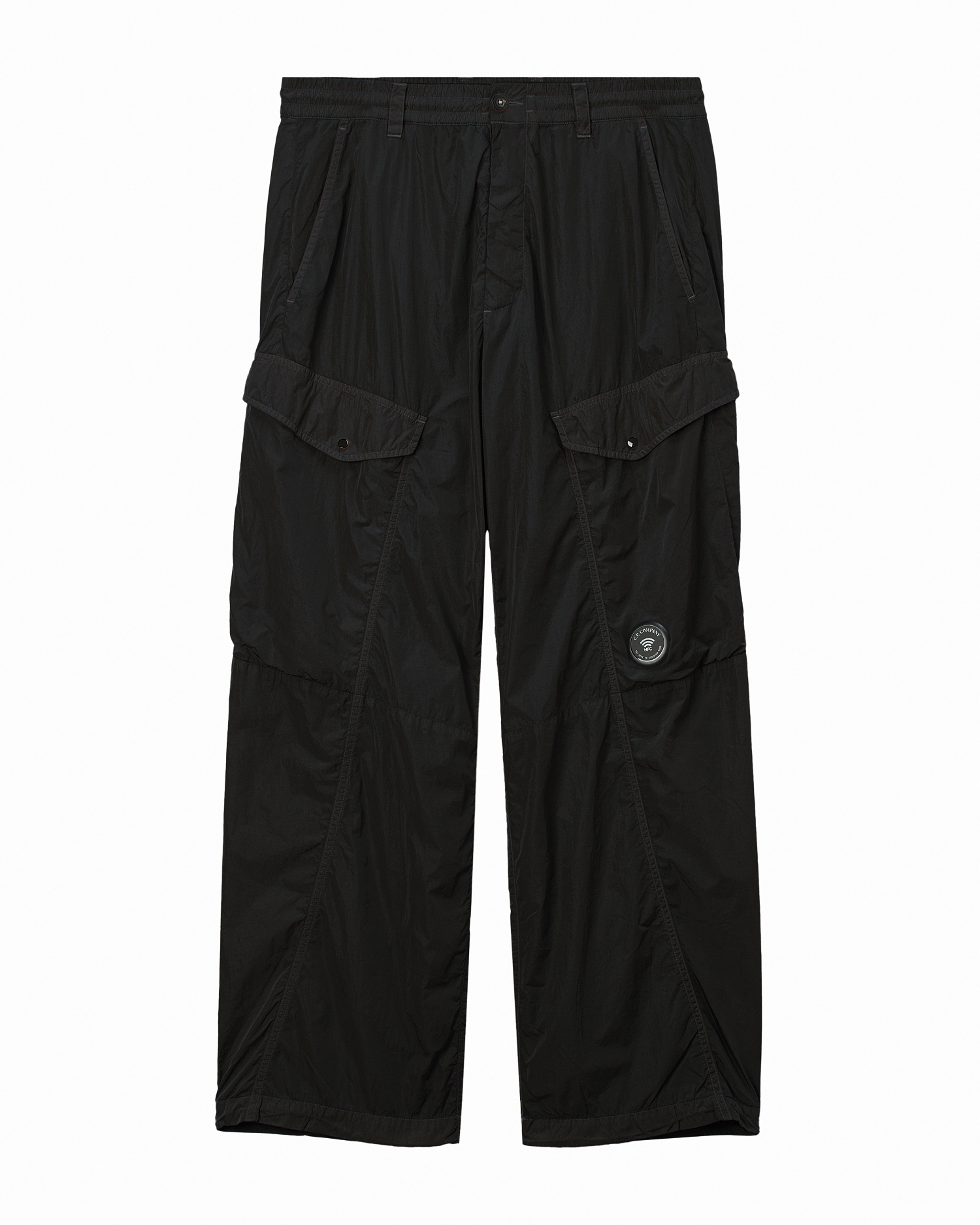
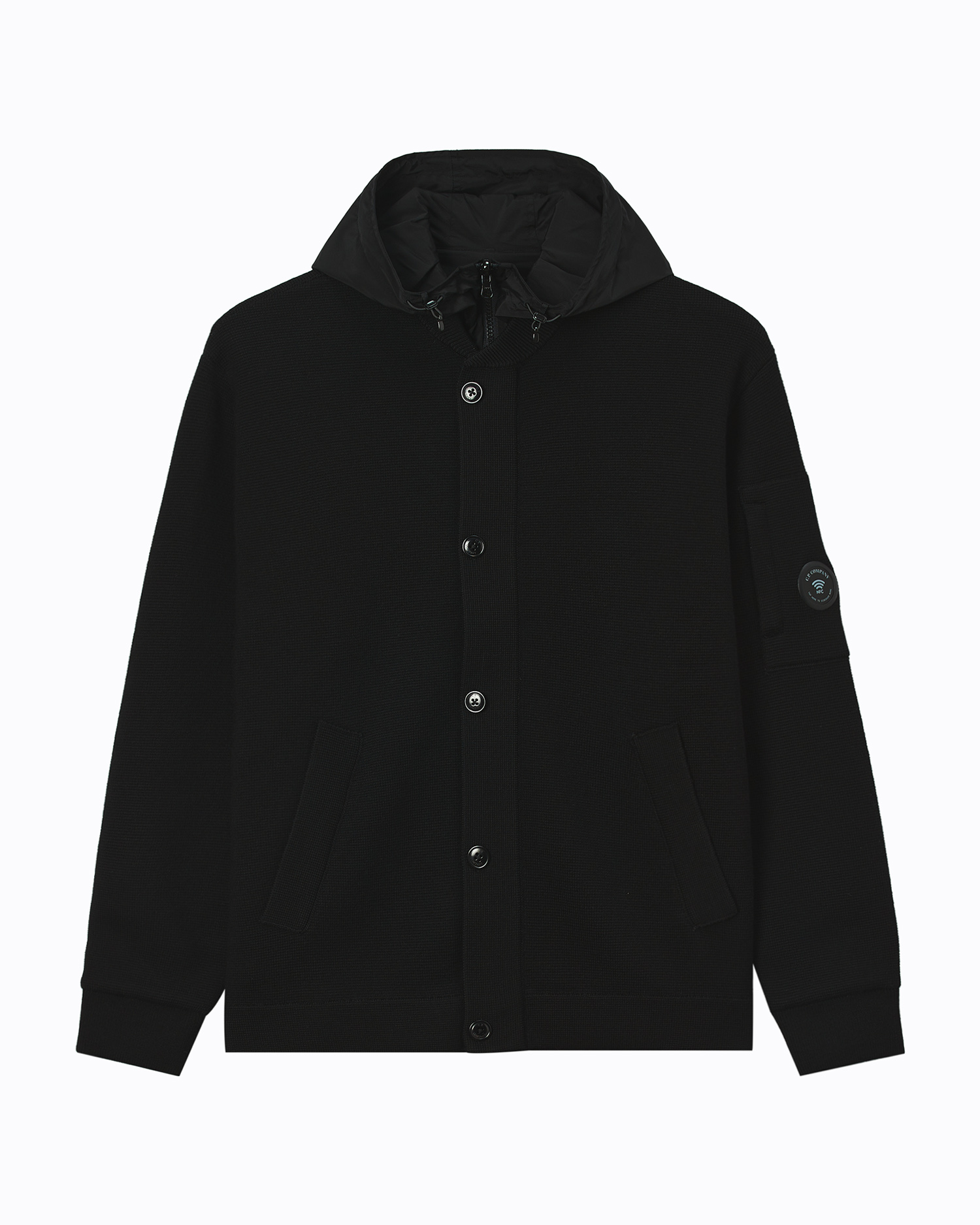
There is a rare moment in contemporary fashion when a single garment becomes less a product and more a proposition—a starting point for dialogue rather than a finished statement. For C.P. Company, that garment has always been the Goggle Coat, the lensed, utilitarian shell that Massimo Osti first conceived in the late 1980s as a study in functional anonymity. Over three decades later, the coat has outgrown its origins as a piece of Italian sportswear engineering to become something far more elastic: a blank canvas onto which collaborators as disparate as a Scottish rainwear house, a legendary Italian design atelier, and a Japanese sneaker giant are projecting their own obsessions. The recent flurry of partnerships—Mackintosh reimagining the Goggle Coat in bonded cotton, Alessi translating its lens motif into a coffee ritual, and ASICS embedding the goggle’s DNA into a new GEL-Quantum 360—suggests that C.P. Company’s true genius under creative director Leonardo Fasolo lies not in protecting the icon, but in offering it up for reinterpretation.
The coat’s enduring power has always been its paradox: it is at once brutally technical and strangely intimate. The goggle lenses, those circular portholes that stare back at the world, were never merely decorative. They were tools—windows for the wearer to navigate rain-slicked streets or alpine fog. But they also turned the coat into a kind of wearable camera, a device for framing the gaze of the person inside. That duality—protection and exposure, seeing and being seen—is precisely what makes the silhouette so fertile ground for collaboration. It is a garment that invites questions, not just compliments.
Mackintosh: Craft Meets the Lens
The Mackintosh collaboration is perhaps the most poetically logical. Here are two houses that have spent decades perfecting the art of protection against the elements, yet their material languages could not be more distinct. C.P. Company’s original Goggle Coat is a celebration of synthetic invention—nylon, polyurethane coatings, and that distinctive rubberised lens that feels like a piece of automotive glass sewn into fabric. Mackintosh, conversely, is the keeper of a 19th-century craft, bonding rubber to cotton in a process that has remained essentially unchanged since Charles Macintosh patented it in 1823. When the two houses converge, the Goggle Coat is stripped of its technical aggression and re-dressed in Mackintosh’s signature bonded cotton, a fabric that drapes with a liquid, almost ceremonial weight. The result is a coat that retains the silhouette’s iconic proportions—the boxy body, the oversized collar, the four goggle lenses staring out from the chest—but loses its hard-edged futurism in favour of a quieter, more architectural elegance. It is the same garment, yet entirely different; a study in how context transforms perception.
Alessi: The Lens at the Breakfast Table
If Mackintosh’s approach was reverent, Alessi’s is positively playful. The Milanese design house, famous for bringing wit and colour into the domestic sphere, has taken the goggle motif and transplanted it into the morning coffee ritual. The collaboration, unveiled during Milan Design Week 2026, reimagines the lens as a filter—literally and metaphorically—through which the act of brewing is observed. The capsule includes a moka pot and espresso cups whose design language borrows directly from the coat’s circular, framed apertures. It is a bold conceptual leap, but one that makes a kind of deep sense. Osti was always fascinated by the interface between the body and its environment; Alessi has simply shifted that interface from the street to the kitchen counter. The goggle, once a tool for seeing through fog and rain, becomes a device for watching coffee drip—a meditation on patience, ritual, and the beauty of a contained, observed moment. Fashion houses often struggle with homeware collaborations, producing logo-stamped objects that feel like merchandise rather than design. Alessi and C.P. Company have avoided that trap by finding a genuine conceptual bridge.
ASICS: The Icon, Worn on the Feet
Then there is ASICS, the collaborator that perhaps understands C.P. Company’s DNA most instinctively. The two brands have now reunited for a two-pack (and, per some reports, a trio) of GEL-Quantum 360 styles, and the footwear serves as a wearable translation of the Goggle Coat’s core principles. The shoe’s technical mesh upper, its sculptural GEL cushioning, and its muted, industrial colourways all echo the coat’s functionalist ethos. But the secret detail, as Highsnobiety recently noted, is the inclusion of a lens—a small, circular goggle window embedded in the heel or tongue, a nod to the coat’s defining feature. It is a clever piece of brand storytelling: the icon is no longer confined to the outerwear department but has become a recurring motif across an entire ecosystem of product. The ASICS collaboration also signals C.P. Company’s broader strategy of meeting the modern consumer where they are—on the sneaker page, in the design museum, at the coffee bar—without diluting the integrity of the original vision.
What unites these three collaborations is a refusal to treat the Goggle Coat as a static artefact. Fasolo, who has spoken openly about the new era of C.P. Company, understands that heritage is not a vault to be guarded but a language to be spoken in new accents. The Mackintosh version speaks in the accent of craft and cloth; the Alessi collaboration speaks in the accent of domestic design and material culture; the ASICS project speaks in the accent of contemporary streetwear and performance. Each one takes the same visual grammar—the circle, the lens, the frame, the gaze—and re-contextualises it for a different audience. The Goggle Coat, in other words, has become a blank canvas precisely because it was always more than a coat. It was an idea about seeing and being seen, about protection and exposure, about the relationship between the wearer and the world. And as C.P. Company continues to expand its collaborative universe, that idea proves endlessly generative, endlessly open to reinterpretation, and endlessly relevant to the way we dress—and think—today.