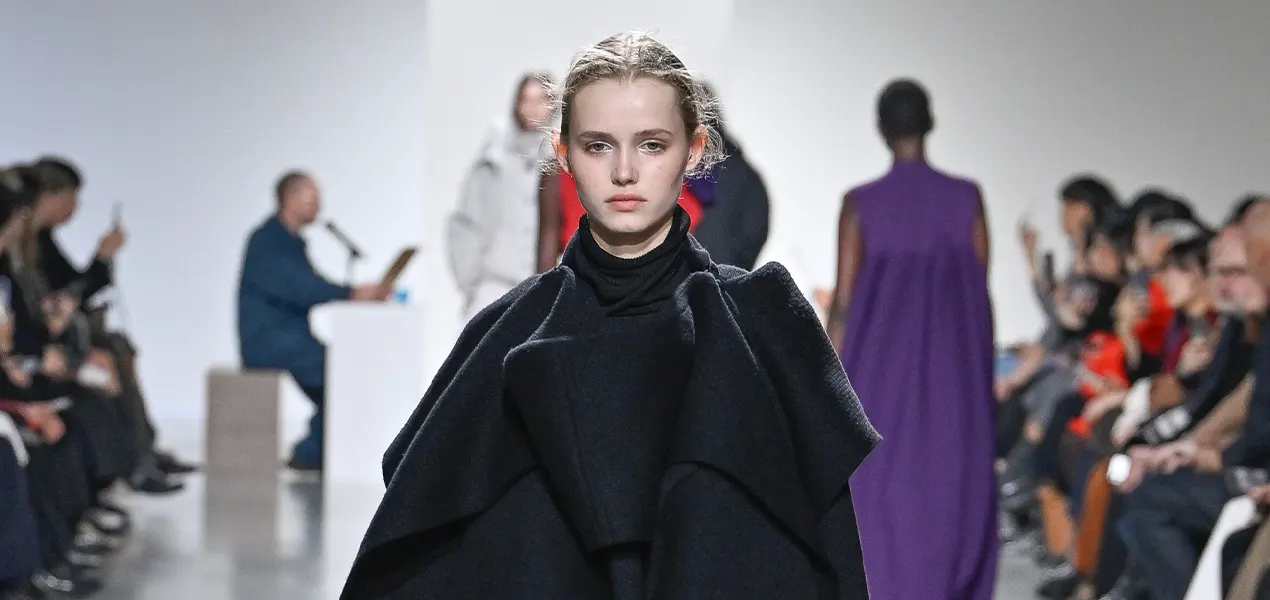
In a fashion landscape drowning in fleeting digital trends, Tokyo-based label CFCL is staging a quiet, structural revolution in knitwear. The brand—an acronym for "Clothing For Contemporary Life"—has long championed thoughtful design, but with its Fall/Winter 2026 collection, creative director Yusuke Takahashi has crystallized a thesis that transcends aesthetics: knitwear is not merely a textile, but a medium for sculpture, and a tangible vehicle for social change. Recent runway presentations, covered extensively by WWD and Vogue, showcase garments that drape with the gravity of carved stone and fold with the precision of origami. Yet beneath this artistic veneer lies a rigorous sustainability commitment that makes the collection feel profoundly relevant. This is not fashion as escapism; it is fashion as a tactile argument for a better world.
The Architecture of Zero Waste
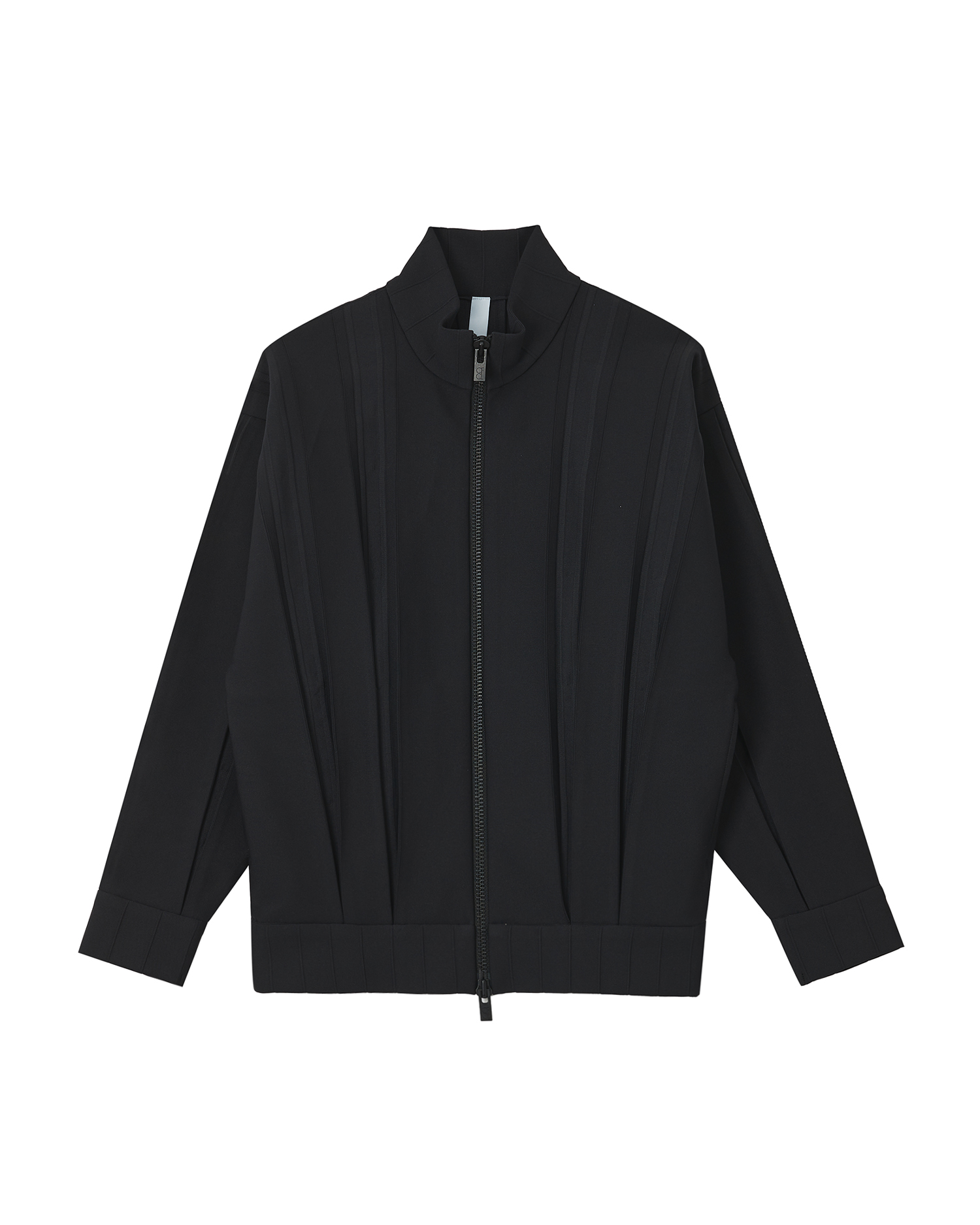
The new Fall 2026 line is a masterclass in three-dimensional construction, utilizing proprietary 3D knitting technology that allows for zero-waste manufacturing. Unlike traditional cut-and-sew methods that discard up to 30% of fabric, CFCL’s pieces are knit to shape, effectively eliminating textile waste at the source. This technical prowess results in garments with an architectural integrity rarely seen in soft materials. Torsos are sculpted with ribbed, column-like structures that mimic the fluting of classical columns, while sleeves are engineered to hold their form away from the body, creating dramatic negative space that invites the eye to trace the silhouette.
The collection’s palette is deliberately restrained, allowing the interplay of light and shadow across textured surfaces to do the heavy lifting. This focus on form over ornamentation is a bold statement in an era of maximalist logos, suggesting that true luxury lies in the intelligence of construction rather than the visibility of branding.
Ethics You Can Feel
The genius of CFCL lies in its ability to make the intangible concept of "ethics" feel physically present. When you handle a CFCL garment, you do not feel the compromise often associated with sustainable fashion; you feel the future. The yarns are predominantly recycled and derived from post-consumer waste, yet they are spun with such finesse that they offer a hand-feel comparable to the finest merino or cashmere.
This sensory experience sits at the core of Takahashi’s philosophy: by making sustainability feel luxurious and tactile, he compels the wearer to form a deeper, more respectful relationship with their clothing. It is a stark departure from the disposable nature of fast fashion, encouraging a wardrobe built on longevity and emotional durability. The sculptural aspect is not merely decorative; it is functional durability that resists the rapid obsolescence of seasonal trends, ensuring these pieces remain relevant in the wearer’s closet for decades.
Slowing Down the System
The social impact of CFCL extends beyond the environmental benefits of its production, reaching into how we perceive the fashion industry’s role in society. By championing a "monozukuri" (craftsmanship) approach that values precision and care, the brand challenges the industry’s relentless pursuit of speed. Each garment is meticulously engineered, and the complexity of the knitting patterns requires significant time and expertise, effectively slowing down the fashion cycle and placing value on human skill and machine intelligence.
In a world dominated by climate anxiety and social upheaval, the parallels are stark—CFCL offers a blueprint for how a global luxury label can operate with a conscience. The collection’s structural integrity becomes a metaphor for the structural integrity of our society; if we build our clothes with care, perhaps we can rebuild our world with the same precision.
A Philosophy in Motion
Looking at the broader trajectory of the brand, including the sharp, summertime tailoring of the Spring 2027 menswear and the quiet authority of the VOL.12 MEN collection, it is clear that this sculptural language is evolving into a unified design philosophy. The Fall 2026 showing, however, is the most potent distillation of CFCL’s mission yet. It proves that the most radical statement a designer can make today is not a provocative slogan, but a beautifully engineered sleeve that uses no excess resources.
The garments do not scream for attention; they simply exist with a confidence that is both calming and inspiring. They invite touch, encourage inspection, and ultimately, provoke a conversation about the materials we wear against our skin and the legacy we are leaving behind. In the hands of Yusuke Takahashi, knitwear has become a political act, a sculptural protest against waste, and a beautiful, wearable promise of a more conscientious future.