Some clothes sneak into your wardrobe. They earn their place slowly, season by season, until one day you can't remember getting dressed without them. Then there's the Chopova Lowena Carabiner Skirt — a garment that arrives fully formed, like a manifesto someone stitched into cloth and hung from a rack. It doesn't ask for your consideration. It simply announces itself.
Since its breakout moment, this pleated, hardware-laden skirt has become the calling card for designers Emma Chopova and Laura Lowena-Irons, the duo behind the eponymous London label. For the better part of a decade, they've been refining a vocabulary that sits somewhere between Bulgarian folk dress, Japanese schoolgirl uniforms, and the gleefully confrontational energy of the city's club underground. The skirt is the clearest sentence in that language.
Built From Panels and Climbing Hardware
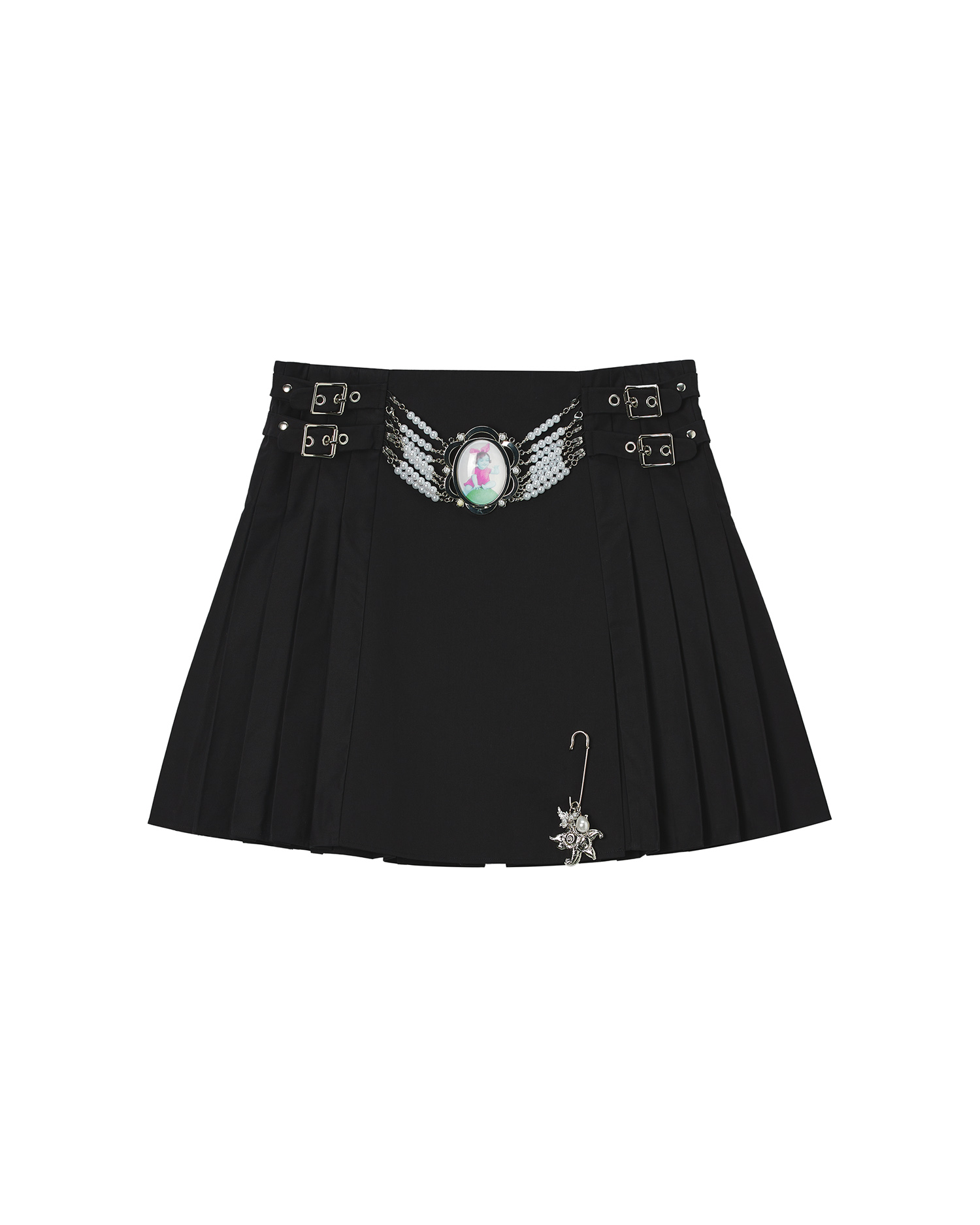
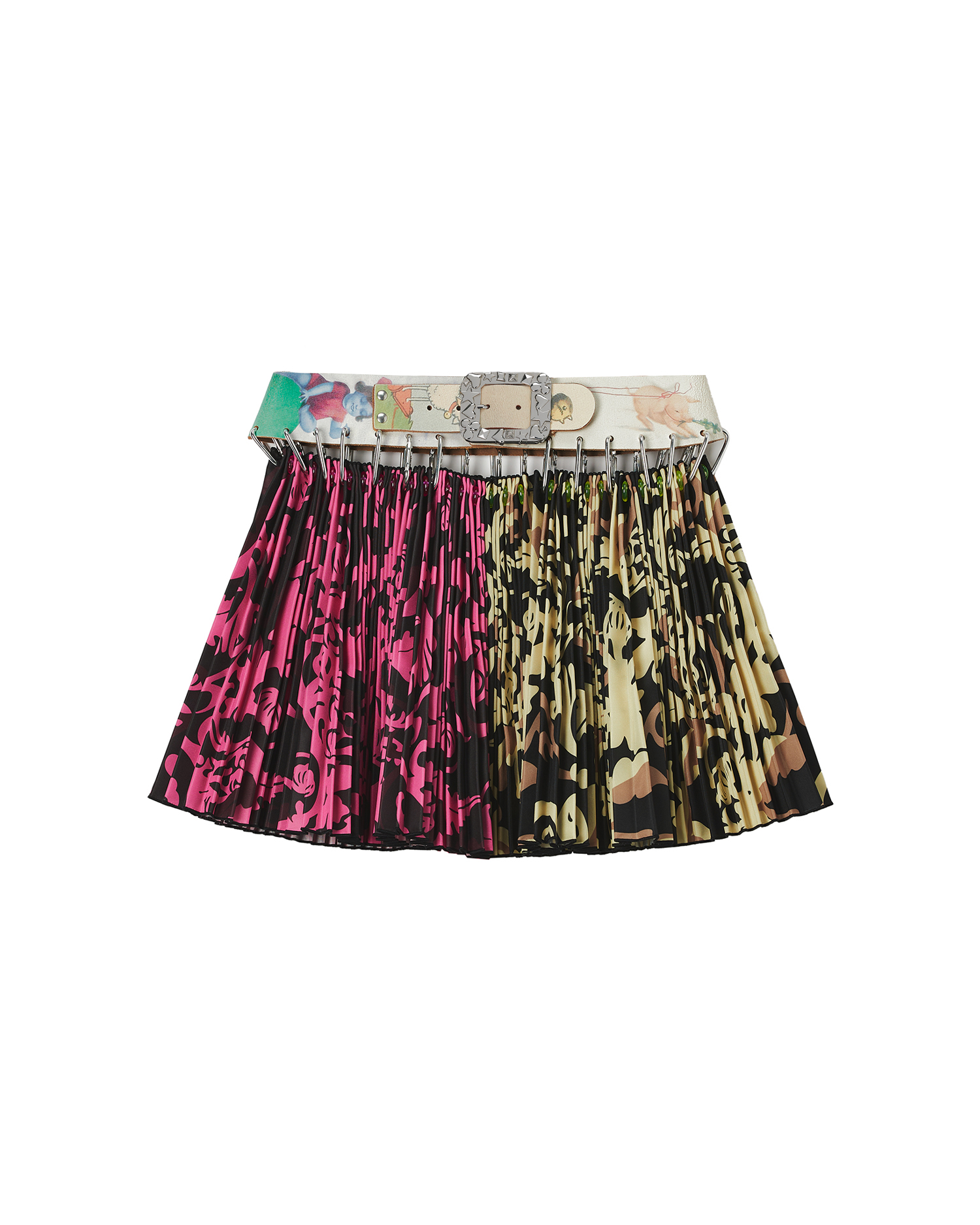
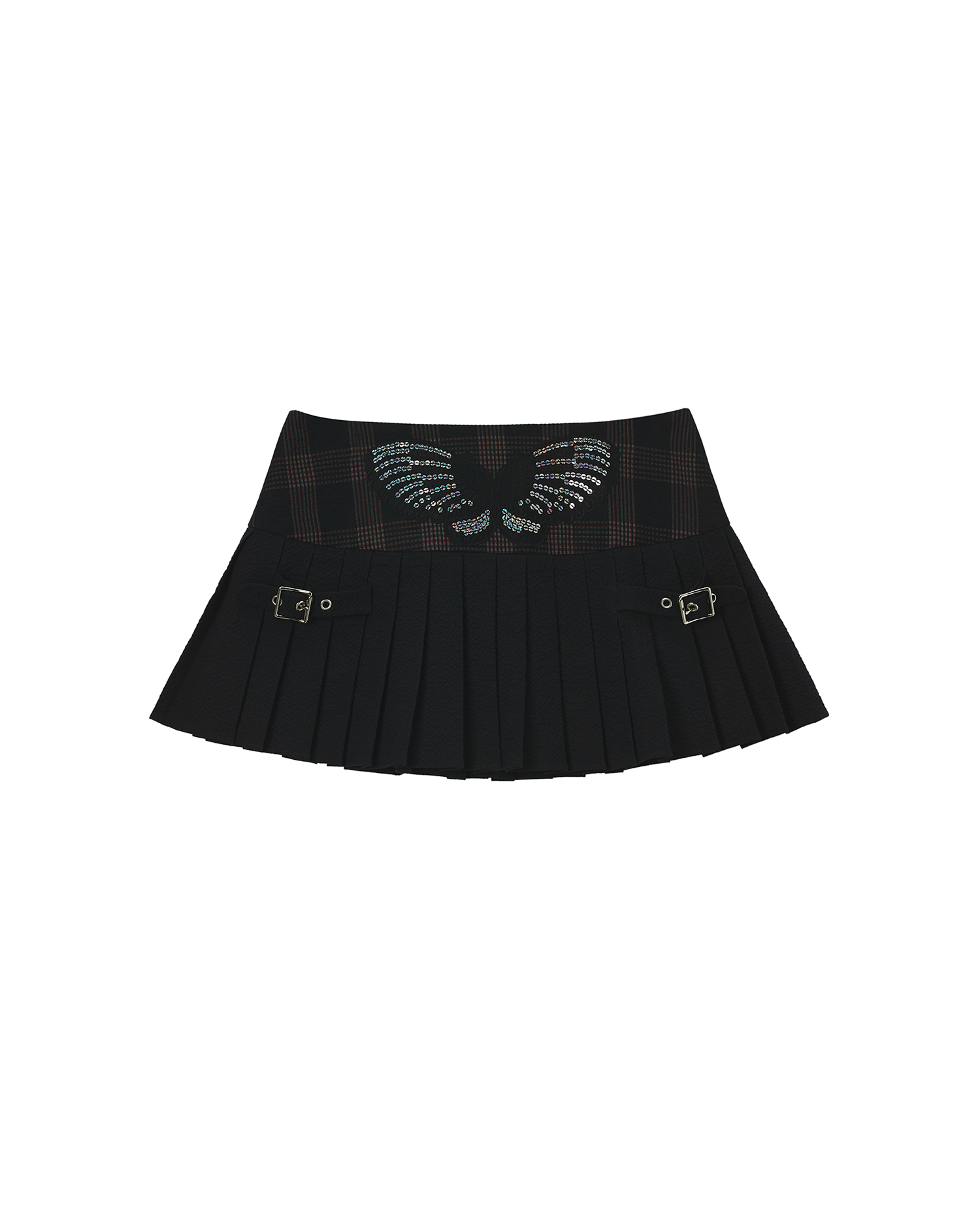
The construction is where the story begins. Each Carabiner Skirt is assembled from panels of pleated fabric — often deadstock or vintage, sourced with an obsessive eye — suspended from a series of climbing-grade carabiners that function as both fastening mechanism and ornament. The effect is deliberately unresolved, as if the garment were caught mid-assembly, held together by utility hardware rather than traditional tailoring.
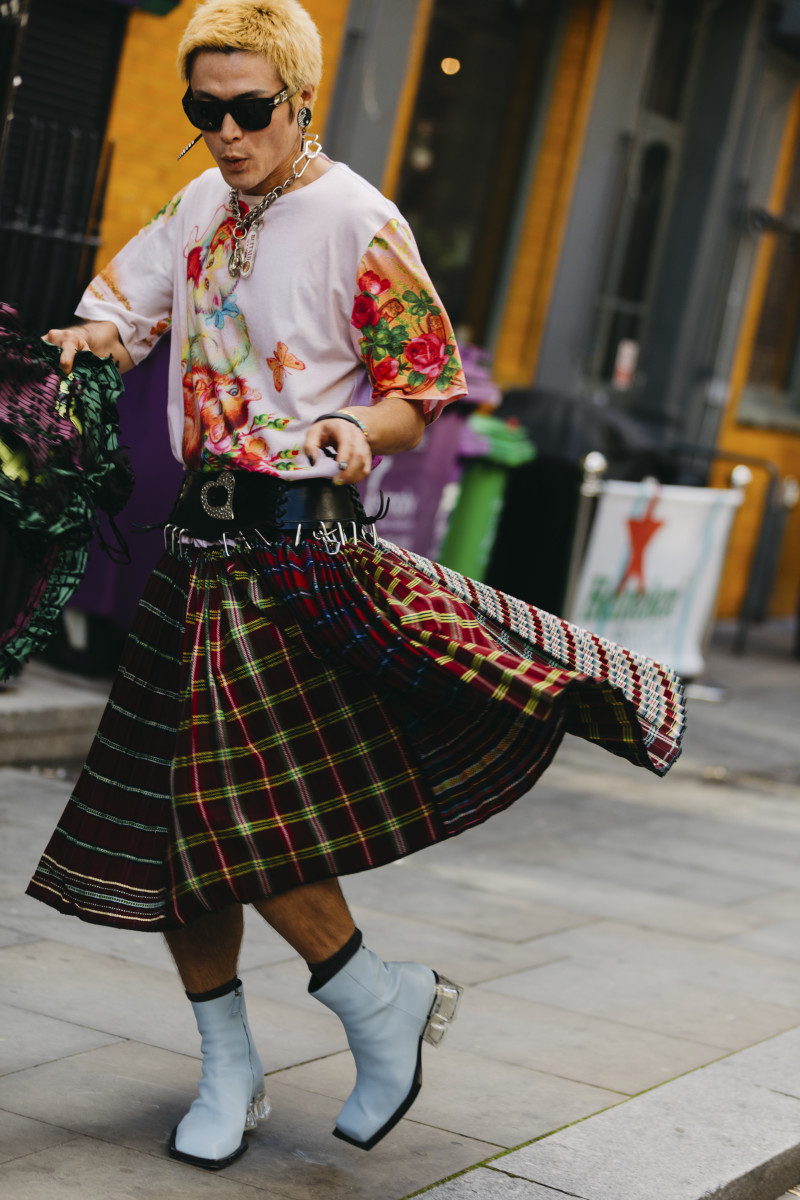
Tartan and checked wools recur throughout, nodding to the Scottish and Bulgarian textile traditions the founders grew up around. The pleats themselves carry a kinetic quality. They move. They swing. They resist stillness. Layered over denim or worn against bare legs, cinched with a belt or left to hang from their metal rings, the skirt refuses a single correct way of being worn. That ambiguity isn't a flaw in the design — it's the entire point.
Where Folk Craft Meets London Subculture
What elevates the piece beyond novelty is its cultural positioning. Chopova Lowena has always operated at the intersection of craft and subculture, drawing on the folkloric embroidery and regional dress of Eastern Europe while filtering it through the irreverent, DIY-inflected sensibility of London's youth. The Carabiner Skirt is the clearest expression of that synthesis: a garment that feels simultaneously ancient and utterly of-the-moment, handmade and industrial, romantic and punk.
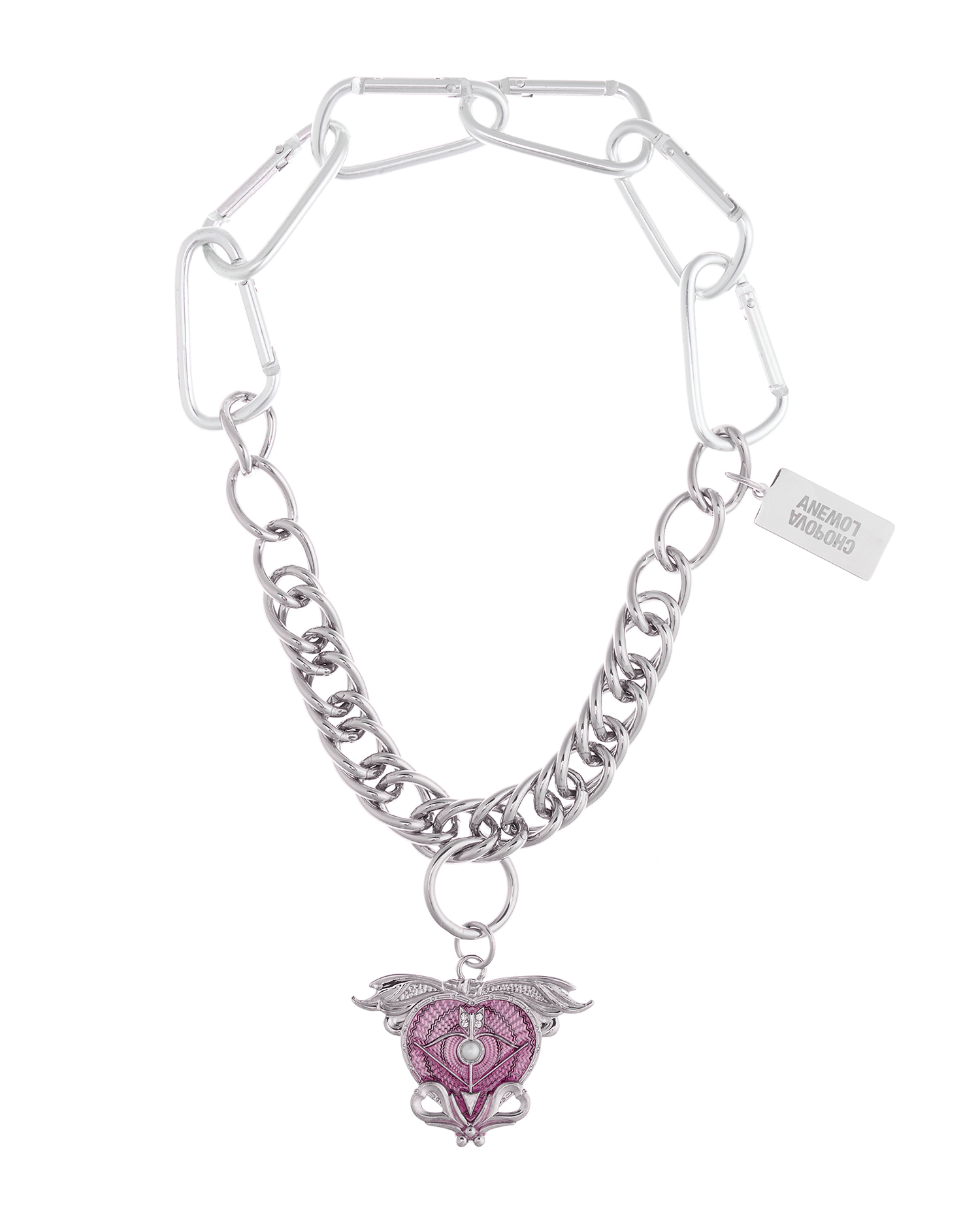
It has been photographed on pop stars and street-cast kids alike, and its appeal cuts across gender — the brand's menswear-adjacent styling has only widened its reach. Necklaces and accessories now extend the carabiner motif into new territory, turning a piece of climbing equipment into something closer to jewellery. The hardware isn't decoration. It's a signature.
The Clubhouse and the Cult of Feeling
The timing of the skirt's continued resonance is no accident. This season, Chopova Lowena opened the doors to its first physical store, a "Clubhouse" retail concept that has been greeted with the kind of breathless coverage usually reserved for heritage houses. British Vogue framed it as a place to "find your new best friend," while WWD noted the brand's deliberate doubling down on experience and service — a retail model built around community rather than transaction.
The Clubhouse is not merely a shop. It is an extension of the world the Carabiner Skirt has always implied, a physical manifestation of the label's emotional connection to its clothes. As ELLE observed, Chopova Lowena has become London's favourite cult brand precisely because it treats garments as objects of feeling rather than mere product. The skirt, in other words, was always a door. Now there's a room behind it.
Who It's For
Not for the timid. Not for those who require their clothing to resolve neatly. The Carabiner Skirt rewards wearers who understand that fashion's most interesting moments happen at the edges — where references collide, where utility meets ornament, where a climbing clasp becomes a piece of jewellery. It is for the person who wants to look like they assembled themselves that morning from whatever the world offered, and did so with unmistakable intention.
That intention is the thread running through everything Chopova Lowena does. The brand has never been interested in polish for its own sake, or in nostalgia that doesn't speak to the present. Instead, it treats folk tradition and subcultural energy as living things — materials to be cut apart, re-pinned, and worn out into the night. The Carabiner Skirt is not a costume. It's a philosophy you can fasten around your waist, one metal ring at a time. And with the Clubhouse now anchoring the brand in physical space, that philosophy has a front door. All you have to do is walk through it.