There are garments that announce themselves and garments that reward recognition, and the Chopova Lowena Carabiner Skirt belongs firmly to the latter. When Alexander Skarsgård stepped onto the carpet for the premiere of *Wicker* in full Chopova Lowena—the pleated kilt silhouette suspended by climbing hardware, paired with a shirt bearing the face of Olivia Colman—the fashion press responded with the knowing delight reserved for a piece that feels less like a trend and more like a password. The New York Times profiled the duo behind the look, Harper's BAZAAR called it precisely what it is—an IYKYK skirt—and W Magazine distilled the entire moment into a single, perfect phrase: Skarsgård, wearing Olivia Colman's face. This is what happens when a cult garment crosses over without ever diluting what made it cult in the first place.
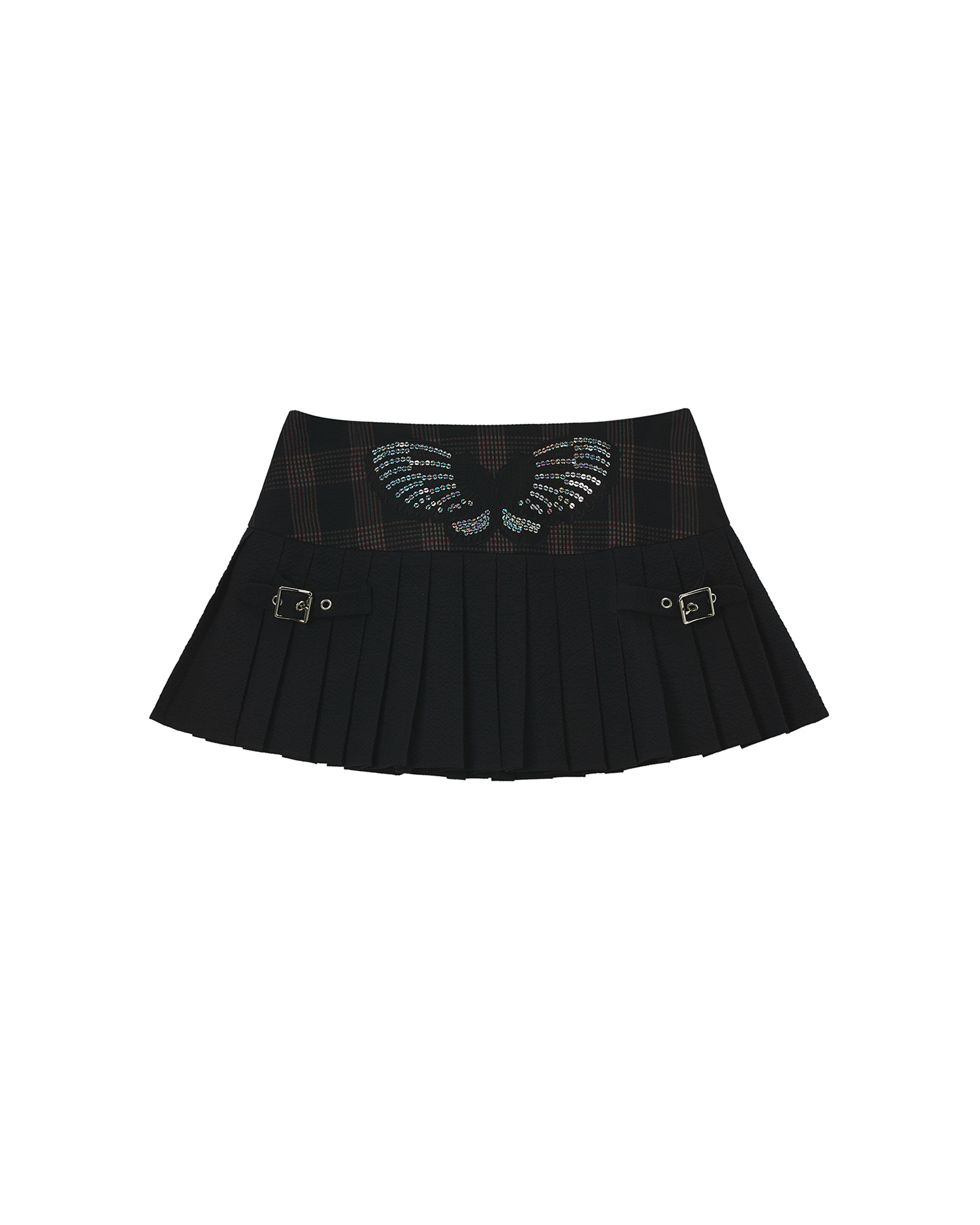
The design itself is a study in deliberate contradiction. Chopova Lowena—the London-based label founded by Emma Chopova and Laura Lowena-Irons—built its reputation on a silhouette that fuses the pleated kilt with the hardware of sport climbing, secured at the hip by industrial carabiner clips and heavy metal rings. The effect is part school uniform, part summit expedition, part folk costume dragged through the club. Each skirt is assembled from panels of deadstock and vintage fabric, sourced and pieced together so that no two are truly identical; the pleats are knife-sharp, the trims are often hand-finished, and the hardware is unapologetically functional rather than decorative. It is a garment that looks engineered and feels handmade, which is precisely the tension the designers have spent a decade perfecting.
The Hardware Is the Point
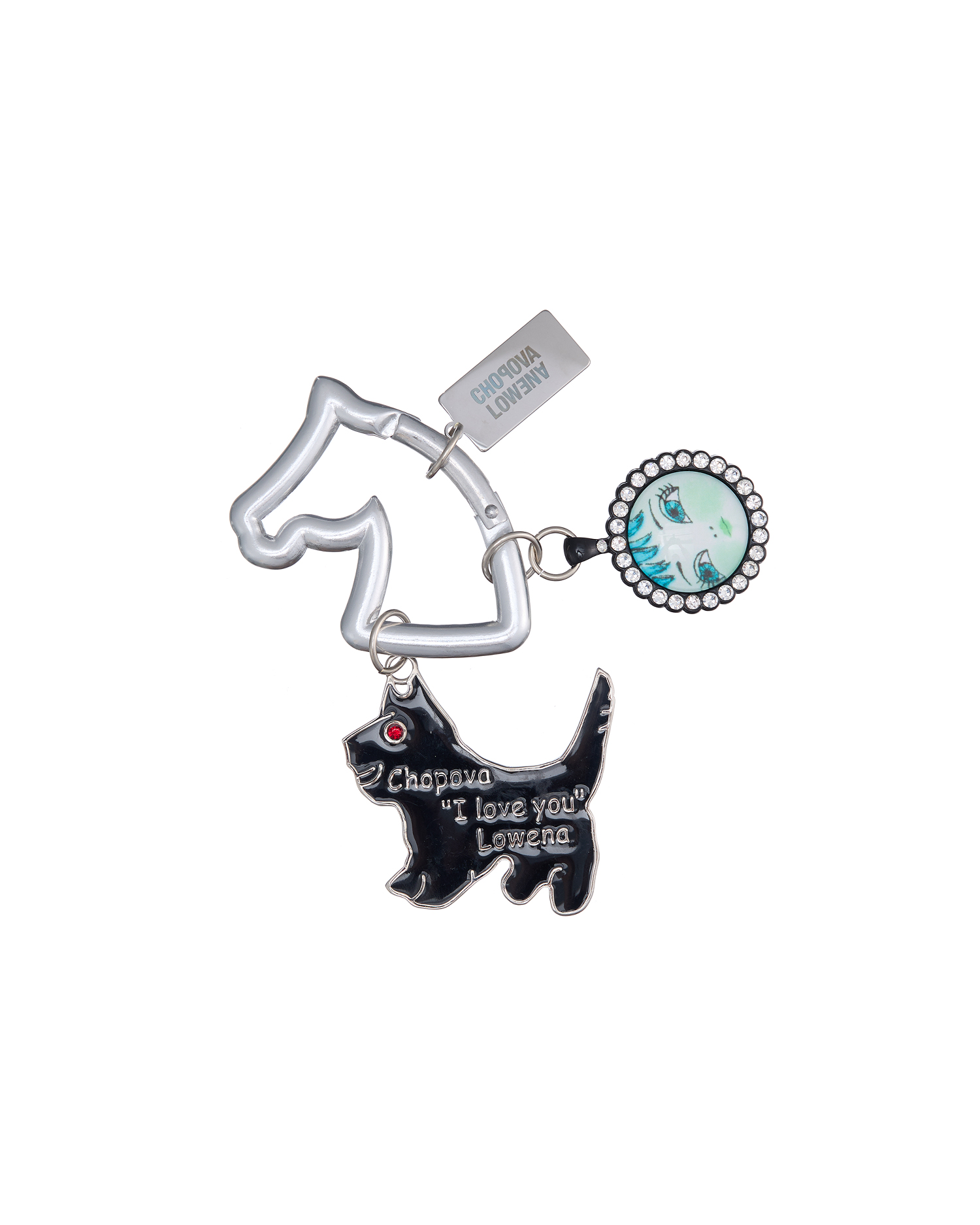
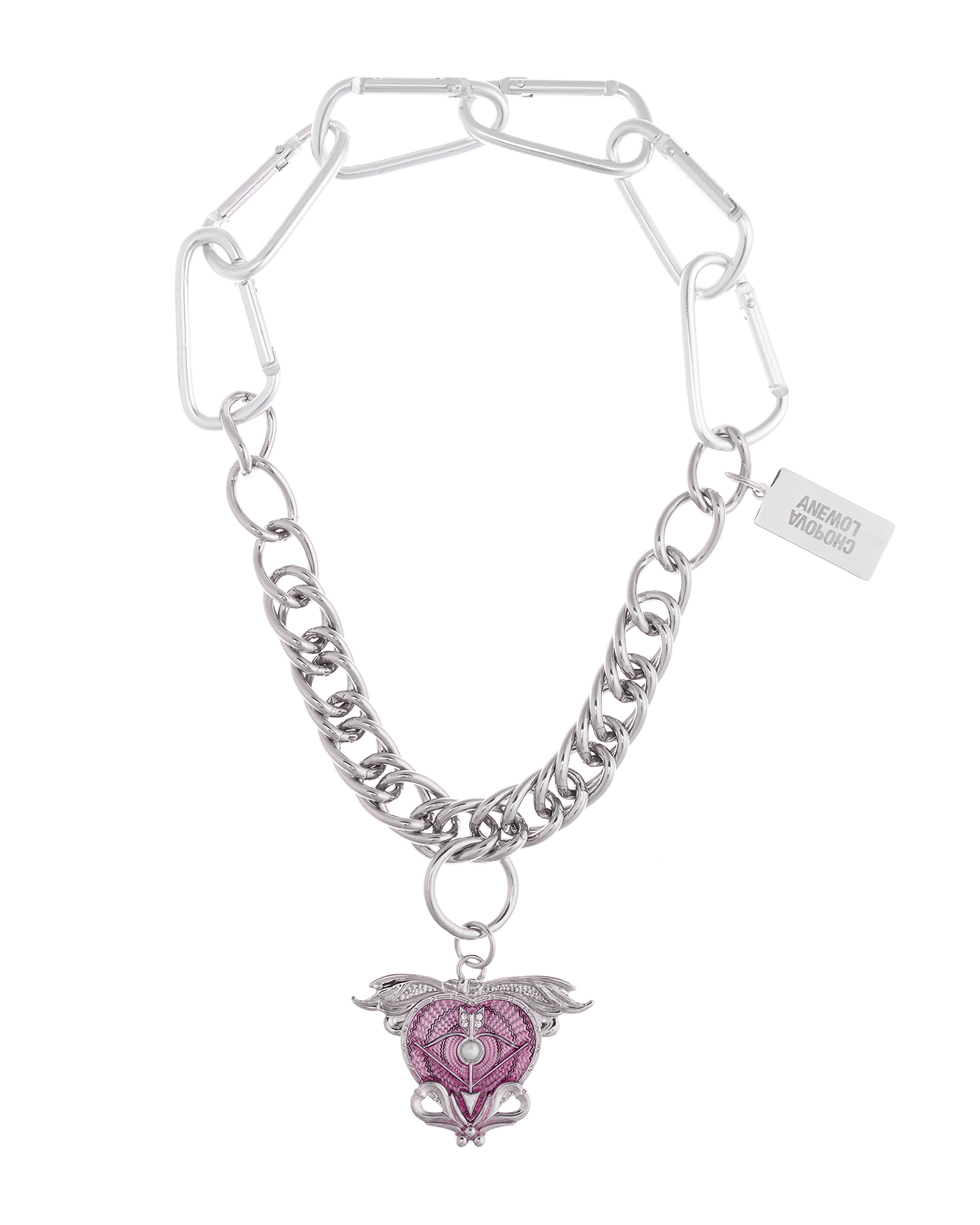
Look closely at the hip and you'll find the detail that does all the talking: industrial carabiner clips and heavy metal rings, the kind of climbing hardware that belongs on a harness, not a hemline. It's a deliberately jarring collision—the softness of a pleated skirt against the cold, utilitarian snap of metal. The trims are often hand-finished, the pleats pressed knife-sharp, and the whole thing reads as engineered even as it feels unmistakably handmade. That tension is the house signature, and it's what separates the skirt from every watered-down kilt that followed in its wake.
Folk Dress, Club Vernacular, and a Decade of Brand-Building
Culturally, the skirt sits at a fascinating intersection. Its roots are in Bulgarian folk dress—Chopova's heritage—and in the vernacular of British subculture, but its contemporary resonance is broader and more interesting. The kilt has always carried a whiff of masculine ceremoniality, and the carabiner has long been a coded signifier in queer and club communities. To see the piece on Skarsgård, one of the most conventionally masculine leading men of his generation, is not a stunt but a logical conclusion: the Chopova Lowena Carabiner Skirt was never really about gender so much as about confidence. It rewards the wearer who understands that the most compelling red-carpet statements are the ones that require the viewer to lean in.
From Cult Secret to Mainstream Moment
The timing is immaculate. The label's Spring 2027 collection—covered enthusiastically by Vogue, WWD, and Dazed, the latter noting that the "coven" went bowling—confirmed that Chopova Lowena is in a moment of expansion rather than consolidation. The opening of The Clubhouse, the brand's first bricks-and-mortar store, profiled by AnOther Magazine, signals a label ready to translate its community into a physical home. And the skirt's red-carpet moment, arriving alongside collaborations and a growing chorus of celebrity endorsements, suggests that the IYKYK era may be giving way to something more mainstream—without, crucially, any loss of edge.
Who It's For, and Why It Still Matters
Who is this skirt for? In truth, it is for anyone who has ever wanted to wear their allegiances on their hemline. It suits the collector who understands the value of deadstock textiles and hand-assembly; the subculture loyalist who clocked the carabiners years ago; the red-carpet risk-taker who knows that the best-dressed lists, as this week's Red Carpet Fashion Awards roundups confirm, reward conviction over convention. It is not a garment for the timid, but it is an unusually generous one—available in iterations that flatter a range of bodies and aesthetics, unified by that unmistakable hardware and pleat.
Why it matters now is simpler than the discourse suggests. In an era of algorithmic sameness, the Chopova Lowena Carabiner Skirt remains stubbornly, gloriously specific. It cannot be fast-followed into oblivion because its value lies in the sourcing, the assembly, the years of brand-building that made a carabiner feel like a signature. Skarsgård wearing it—with a wink to Olivia Colman, no less—is the ultimate proof of concept: a piece built for a discerning few, now speaking to a very wide audience, without ever raising its voice. That is the rarest thing in fashion, and it is hanging, pleated and clipped, exactly where it belongs.