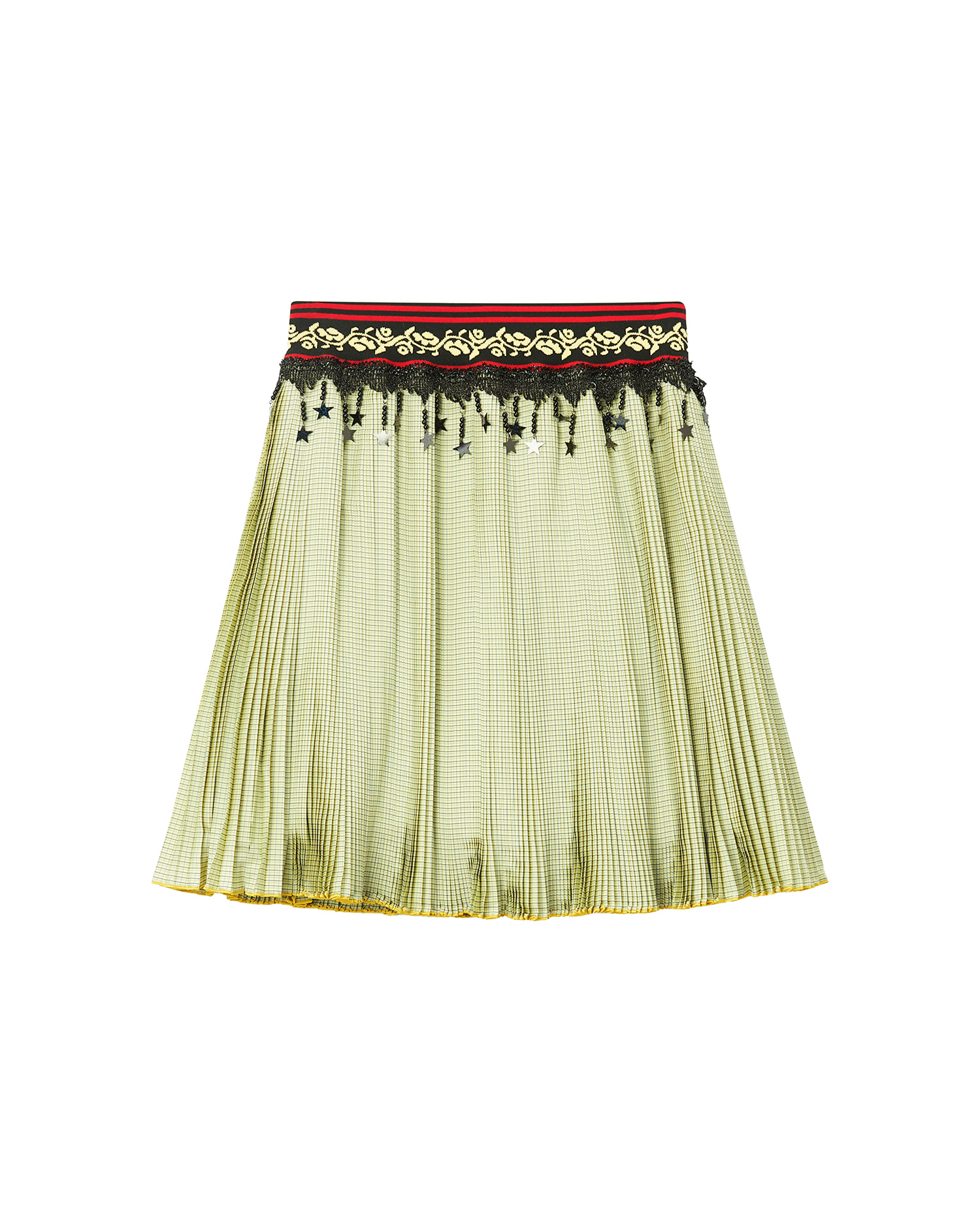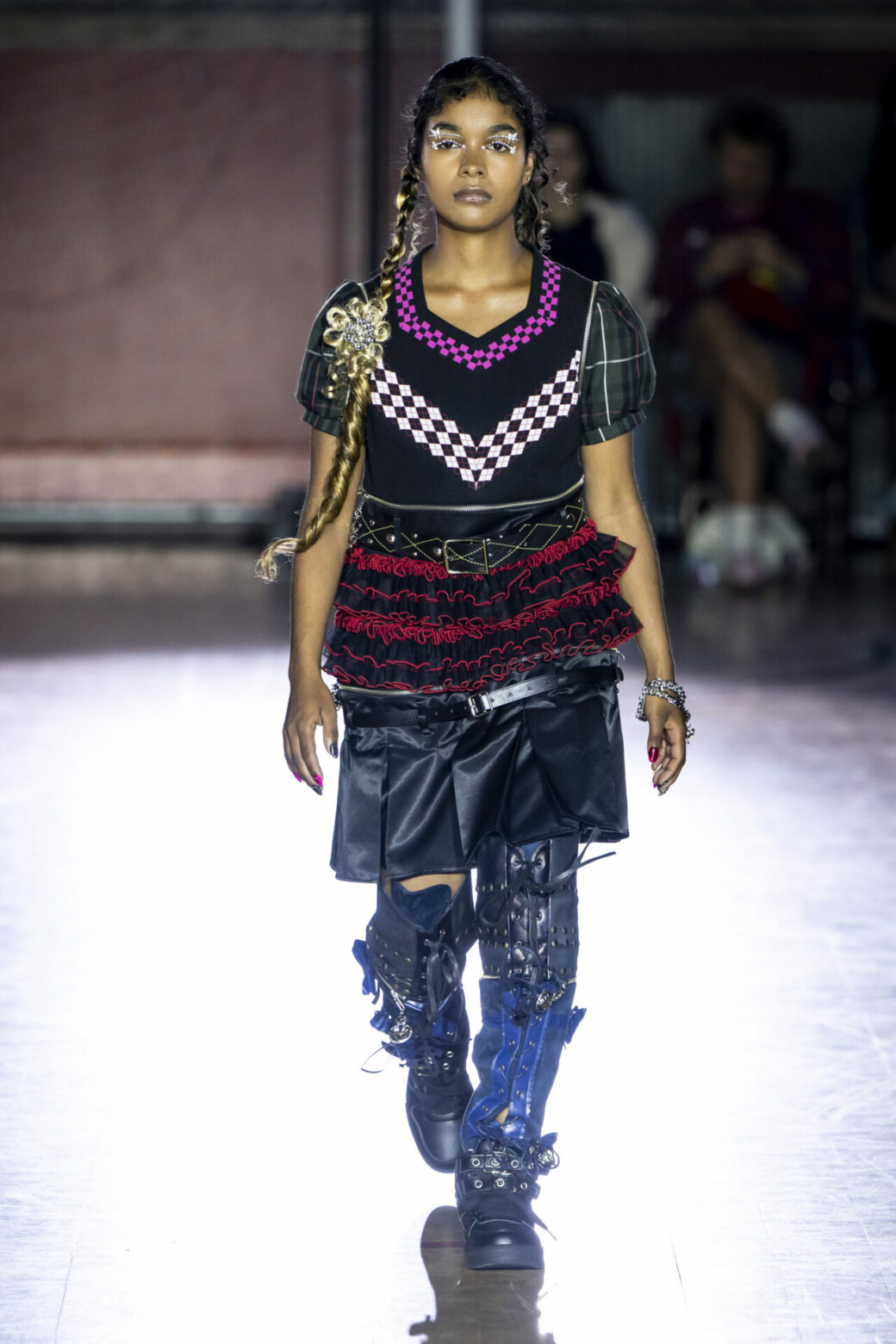
When Chopova Lowena announced its debut physical space, the fashion world braced for a boutique. What arrived instead was something far more radical: a clubhouse. Not a shop in any conventional sense, but a gathering place where the transaction feels almost incidental to the experience. The London-based label, beloved for its carabiner-clasped kilts and folkloric patchworks, has joined a quiet revolution among cult brands—one that treats the store not as a point of sale but as a portal into belonging. And in doing so, Chopova Lowena has crystallised what many in the industry have been circling for years: the anti-retail model, where community spaces replace traditional stores for the brands that matter most.
The logic is simple yet profound. For a label with a devoted following—one that sells out drops in hours and has fans who treat each collection like a treasure hunt—a conventional shop floor with rails of garments and a till is almost an insult to the relationship. Chopova Lowena understands that its audience doesn't want to browse; they want to belong. The clubhouse concept, as detailed by WWD and British Vogue, leans into this desire with dressing-up stations, archival pieces, and spaces designed for lingering rather than purchasing. It’s a space that invites you to stay, to play, to try on identities rather than merely clothes. The genius is that this isn't a marketing gimmick—it's a fundamental reimagining of what a retail environment can be when the brand's currency is cultural capital rather than foot traffic.
The Anti-Retail Philosophy
This shift speaks to a broader movement among cult labels. The traditional store, with its sterile lighting and sales associates who hover at precisely the wrong distance, was built for an era of abundance. But we are in an era of scarcity—of attention, of meaning, of authentic connection. Chopova Lowena knows that its community doesn't need another place to buy things; they need a place to feel understood. The clubhouse delivers on that promise by being less about inventory and more about identity. It’s a space where the brand's folklore-inspired prints and eccentric silhouettes become the backdrop for human interaction, not just objects to be consumed. This is the anti-retail philosophy in its purest form: the product is the excuse, but the community is the point.
A New Kind of Value
What makes this particularly potent is how it flips the traditional economics of fashion. A store's value is typically measured in sales per square foot, but the clubhouse model measures success in something far less quantifiable: loyalty. Chopova Lowena is betting that the emotional connection forged in a space designed for joy and play will translate into a deeper, more durable relationship with its customers. And they're right. When you've spent an afternoon in a brand's clubhouse, trying on pieces with friends and feeling like you're part of an inside joke, you don't just buy a skirt—you buy into a world. This is the kind of brand devotion that no amount of targeted advertising can manufacture.
The tactile details matter here. Imagine running your fingers over hand-stitched embellishments while someone hands you a piece from the archive—a garment with a story, not just a size. The dressing-up stations aren't about conversion; they're about permission. Permission to be playful, to be bold, to inhabit the eccentric silhouettes that define the label. There's no hovering sales associate, no pressure to decide. Just the quiet hum of possibility and the sense that you've stumbled into something intimate.
The Timing Is Telling
The timing is also telling. As the fashion industry grapples with overproduction and the environmental cost of endless consumption, the clubhouse model offers a way forward that isn't just sustainable but regenerative. It shifts the focus from acquiring to experiencing, from owning to being. Chopova Lowena has always been a brand that wears its heart on its sleeve—quite literally, with its hand-stitched embellishments and recycled fabrics. The clubhouse is a natural extension of that ethos, a space where the values of craft, community, and creativity are on display as much as the clothes themselves.
The Future of Fashion Spaces
Of course, this isn't just about Chopova Lowena. It's a signal to the entire industry that the old retail playbook is obsolete. Cult brands everywhere are realising that their power lies not in distribution but in connection. The clubhouse, with its promise of experience over transaction, is the future of how we engage with the labels we love. It's a space where fashion stops being a commodity and becomes a culture. And if you're lucky enough to find your way in, you'll understand why the store as we knew it is dead—and why the clubhouse is so much more alive.