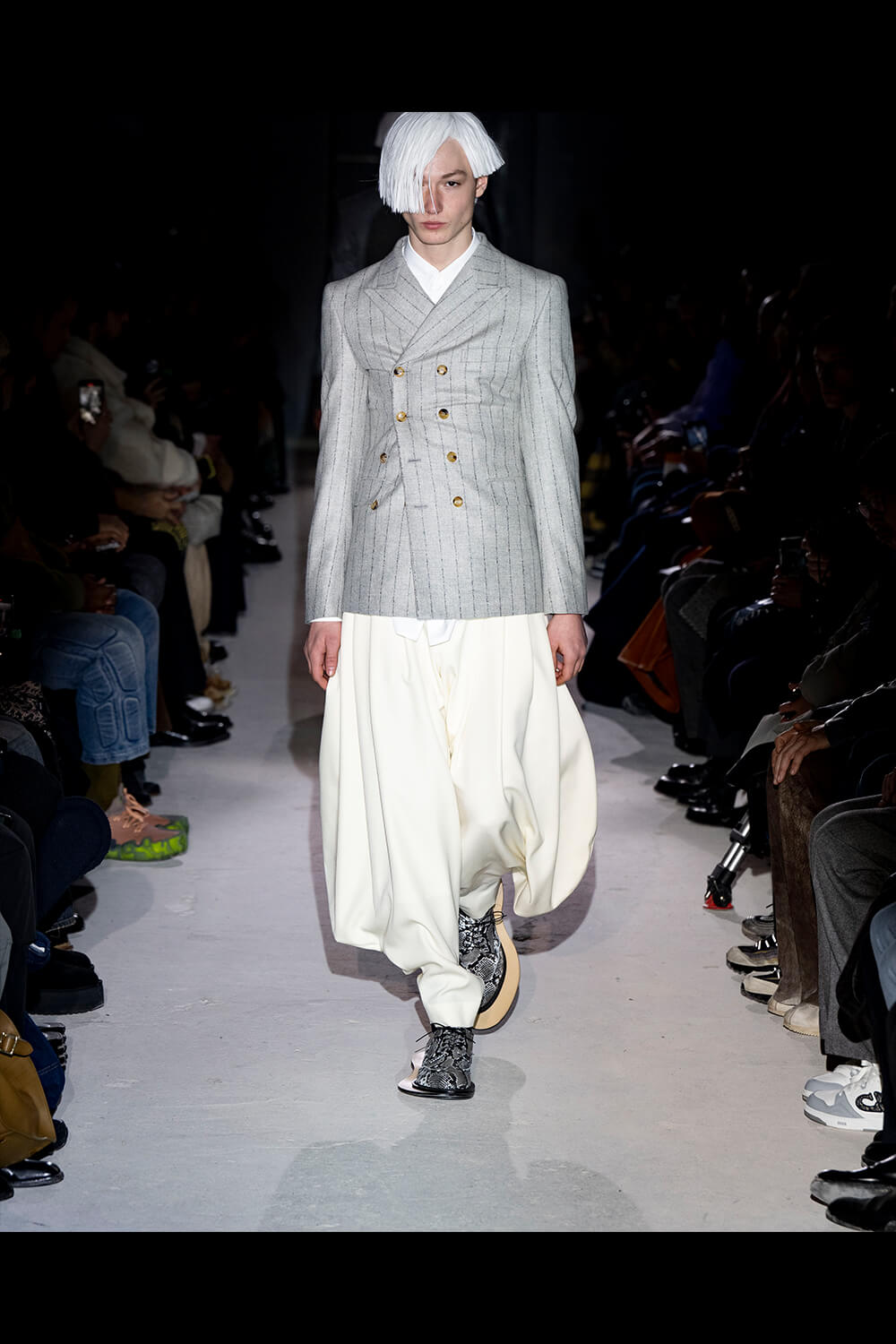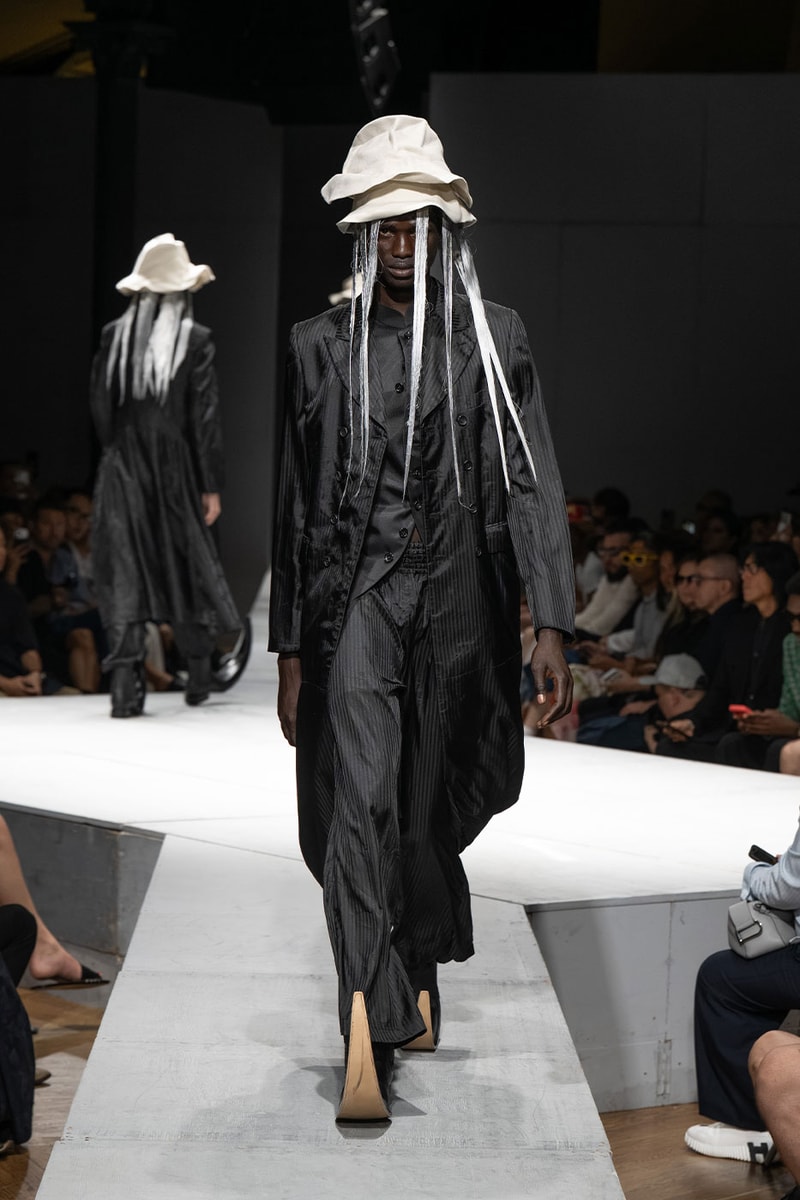
Rei Kawakubo has never treated a runway as a single statement. She treats it as an argument with itself. For COMME des GARÇONS Homme Plus Spring/Summer 2027, the designer staged a show titled "If The War Were To End.." — an ellipsis doing the heavy lifting, as it always does in her hands — and split it into two distinct acts. The first imagined the soldier; the second imagined the man who outlives him. It was, by the account of nearly every critic in the room, one of the season's most quietly devastating propositions, and it arrives at a moment when fashion's appetite for escapism is being challenged by a world that keeps refusing to look away.
The collection's architecture follows that duality precisely. Act one leaned into the vocabulary of conflict and uniform: structured shoulders, utilitarian layering, a palette pulled toward the somber and the martial. But Kawakubo being Kawakubo, the tailoring never settled into mere military cosplay. Instead, it interrogated the uniform as a garment of erasure — the way war strips identity down to function. Act two dissolved that rigidity into something softer and more provisional: deconstructed tailoring, garments that seemed to be rebuilding themselves in real time, a sense of fabric learning to breathe again. The critical consensus, from WWD's framing of the show as a "Peace Treatise" to AnOther Magazine's question of what comes after war, was that this was Kawakubo at her most humane — asking not how we fight, but how we reassemble.
The Uniform as Erasure
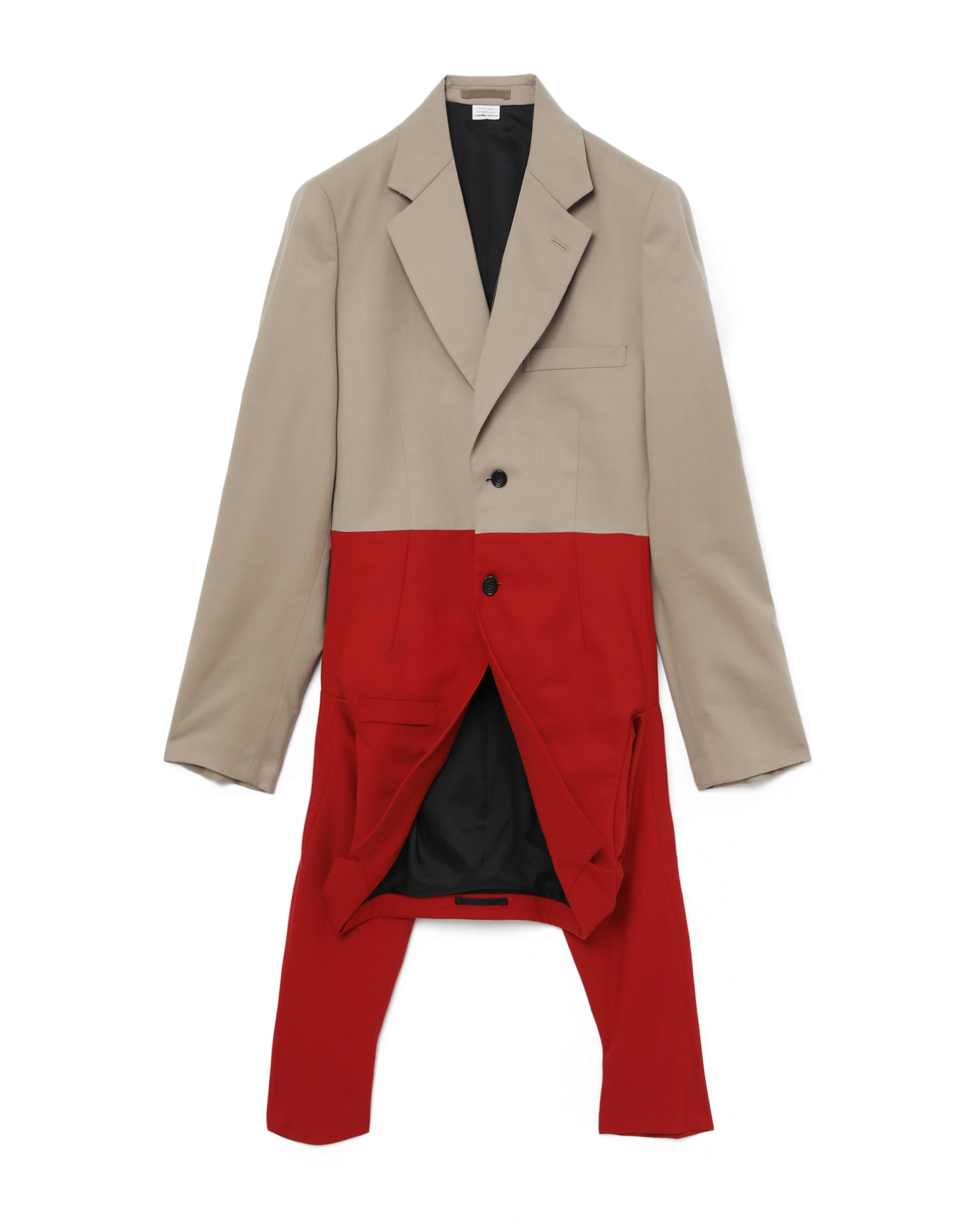
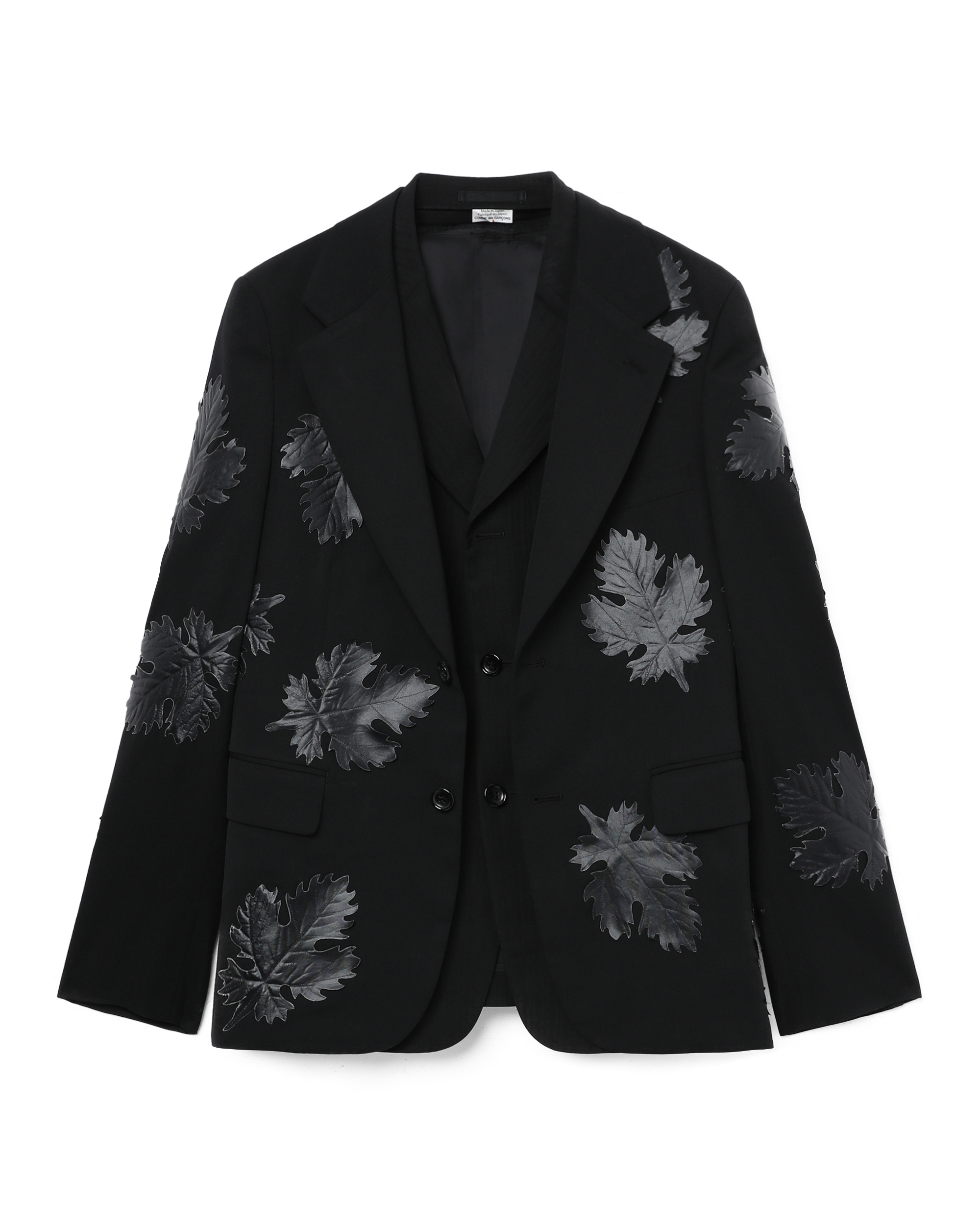
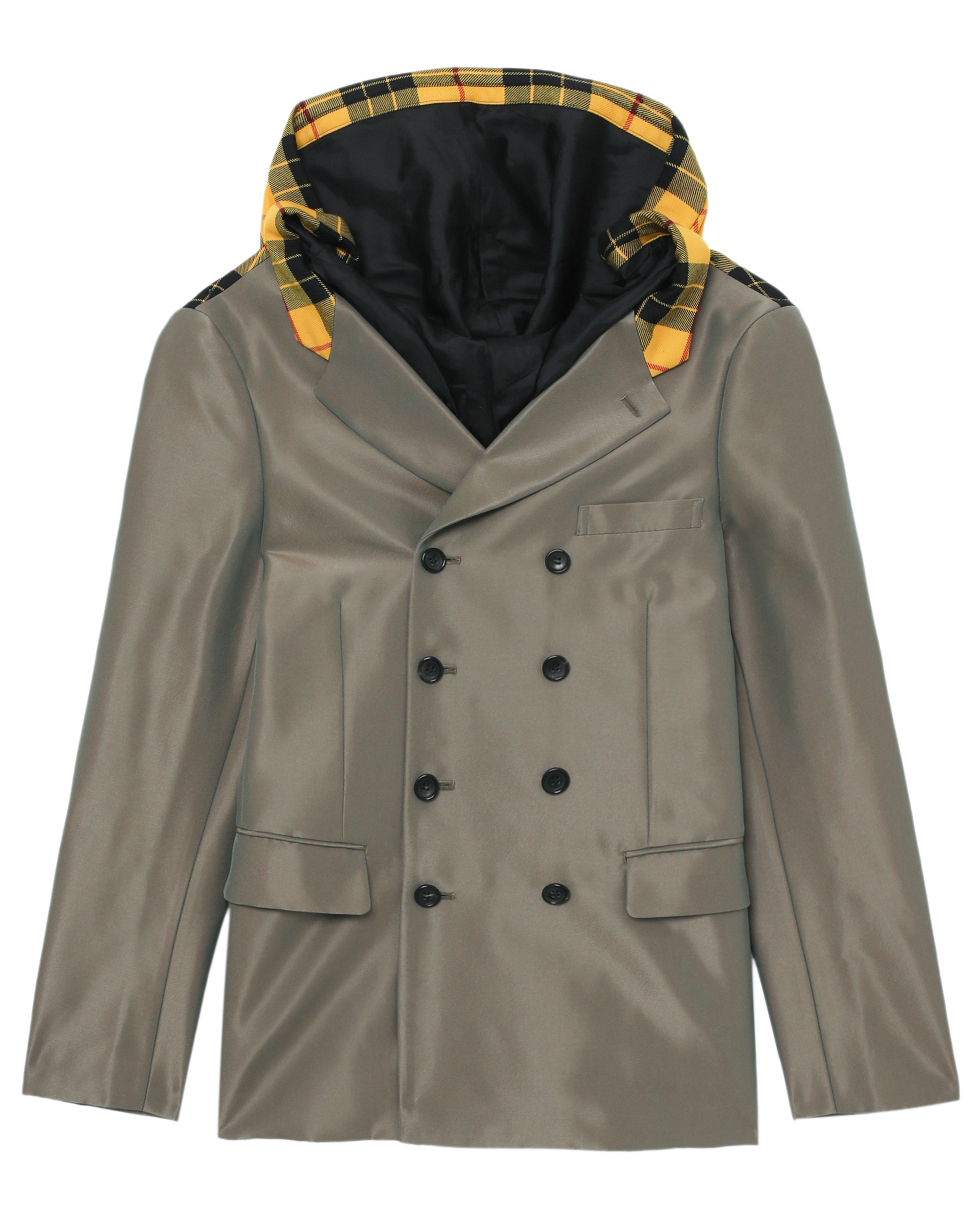
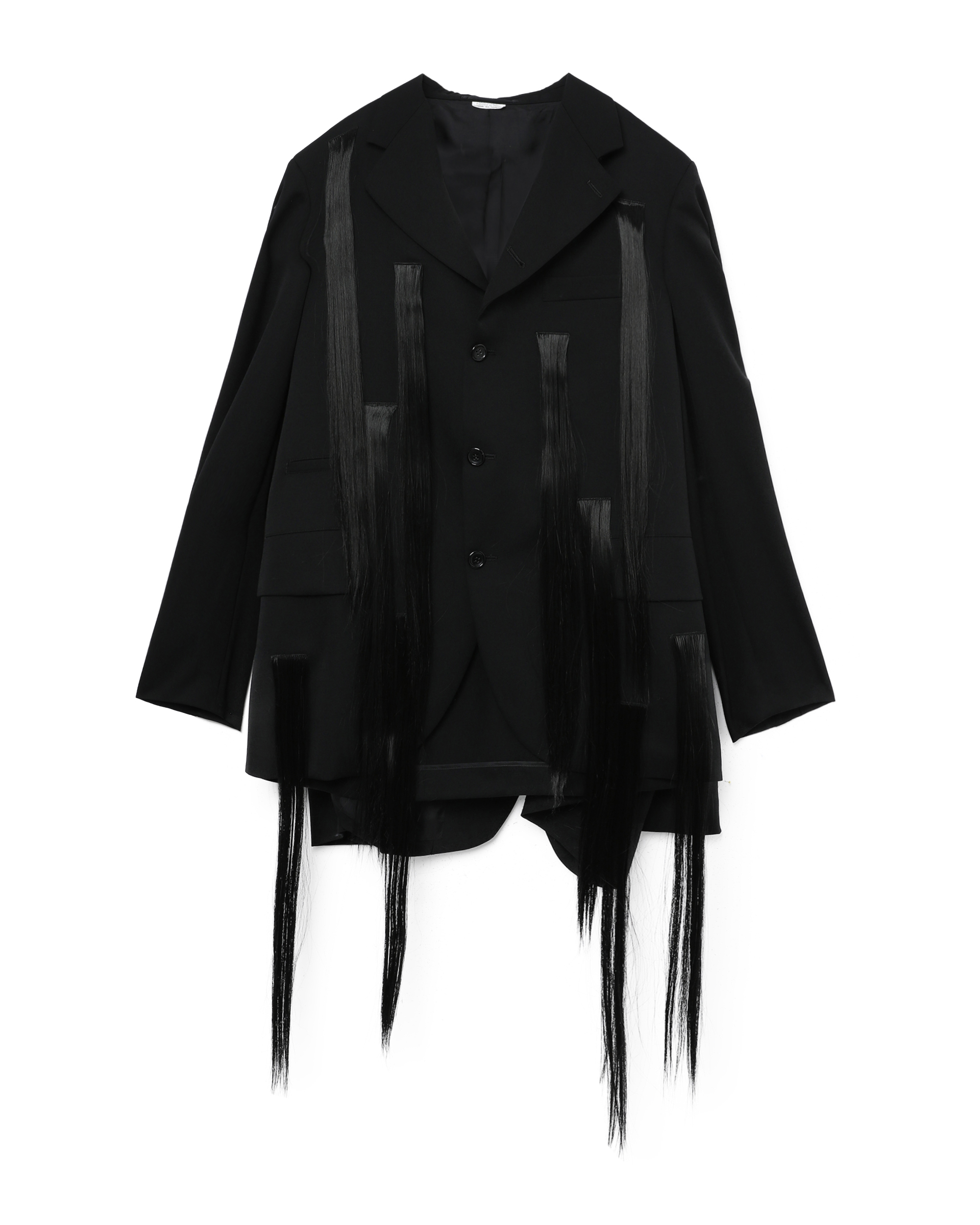
What distinguishes the Homme Plus SS27 outing in material terms is its refusal of costume drama. Kawakubo's men's tailoring has always been the most rigorous laboratory in the CDG universe, and here the construction does the philosophical work. Jackets carry the ghost of armor in their line but shed its weight in the hand. Panels appear to have been cut and reconsidered, seams exposed as evidence of process rather than flaw. The result reads as clothing mid-recovery — garments that acknowledge damage without romanticizing it. This is tailoring as convalescence, and it demands a wearer who understands that the most interesting menswear is rarely the most comfortable proposition.
A House in Deliberate Revival
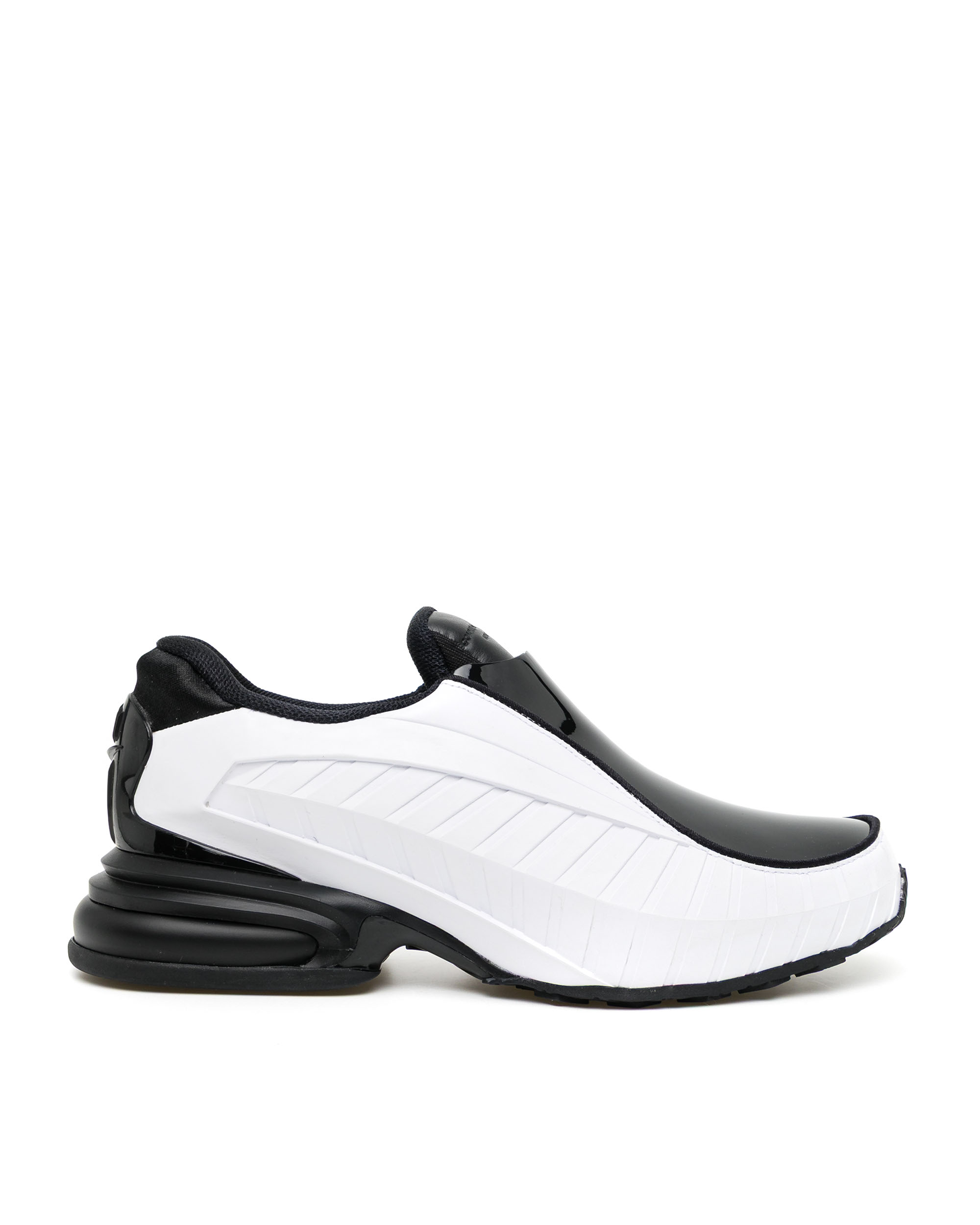
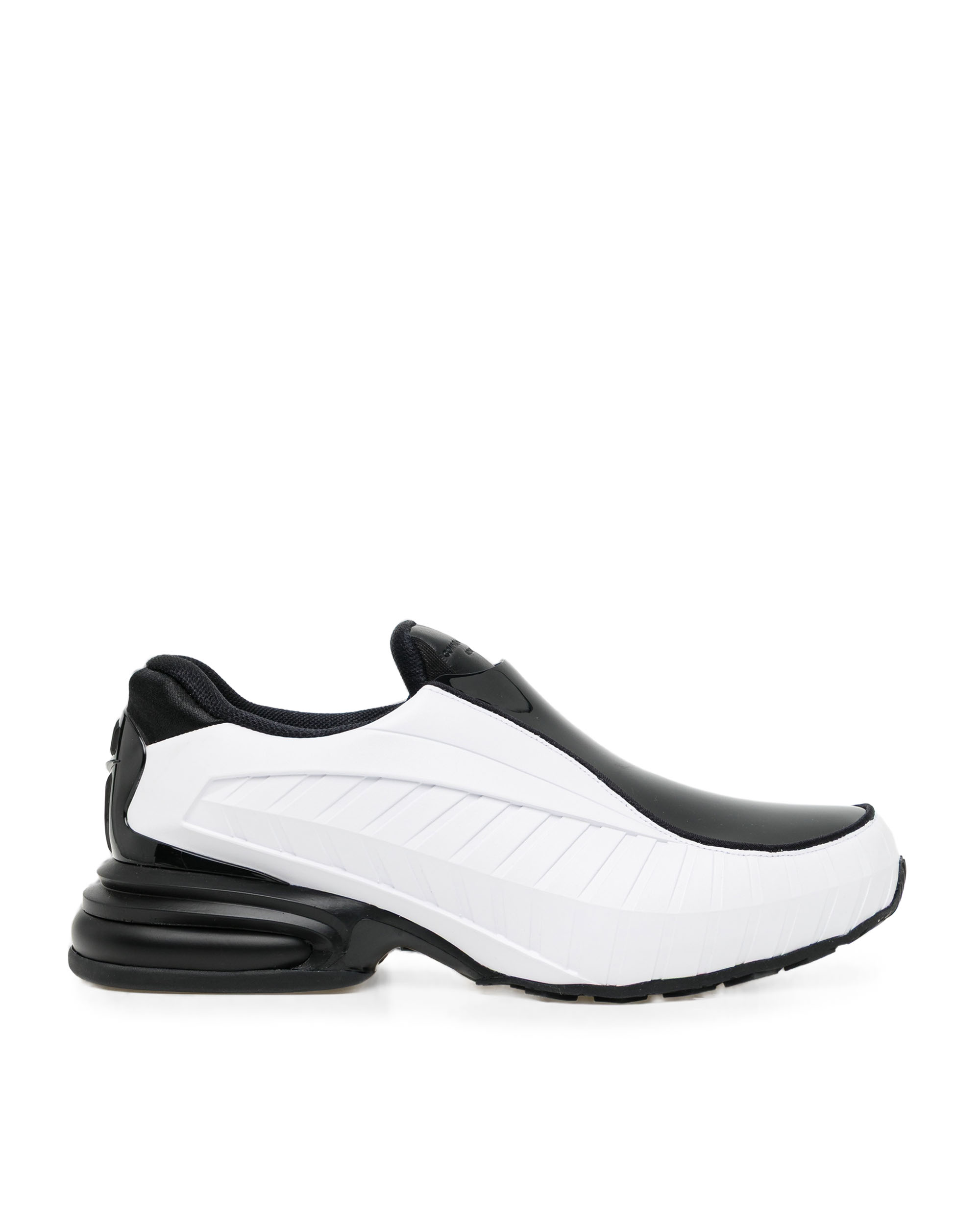
The timing is impossible to separate from the work. This is a house in a state of deliberate revival: COMME des GARÇONS has resurrected its cult magazine *Six*, and the same week saw the brand's ongoing cultural reach extend into sneaker territory with the CDG x Air Jordan 11 and the monochrome Air Max TL 2.5 'CDG White' — collaborations that, tellingly, treat a basketball shoe with dress-shoe gravity. Kawakubo's universe has always collapsed the sacred and the commercial, and SS27 sits at the center of that tension. The show's celebrities-in-the-front-row coverage and the breathless sneaker drops are not distractions from the collection's thesis; they are the proof that a house can sell product and still ask uncomfortable questions.
Armor or Aftermath?
Who is this for? Not the collector chasing logos, and not the minimalist seeking anonymity. "If The War Were To End.." is for the man who treats his wardrobe as a form of intellectual commitment — someone who wants tailoring with a point of view, who understands that a jacket can carry a position. It rewards the wearer willing to sit with ambiguity: is this garment armor or aftermath? The collection declines to answer, and that refusal is the point.
Why it matters now is precisely that refusal. In a season crowded with nostalgia and quiet luxury, Kawakubo delivered something rarer — menswear with moral weight, executed with the technical authority only four decades of Homme Plus can confer. The ellipsis in the title is not a hedge. It is an invitation, and the most provocative thing on any runway this season was a designer insisting we imagine the morning after.