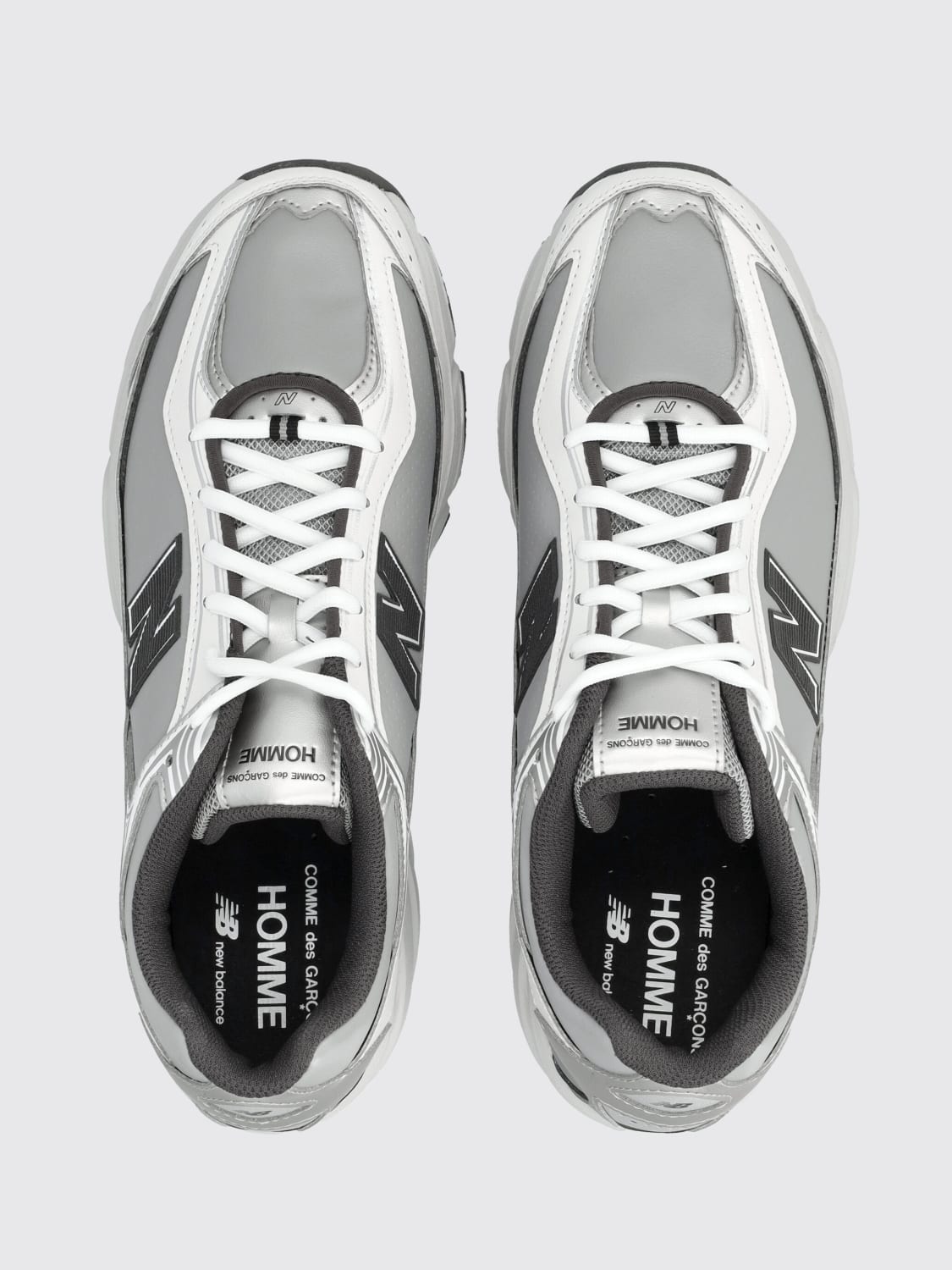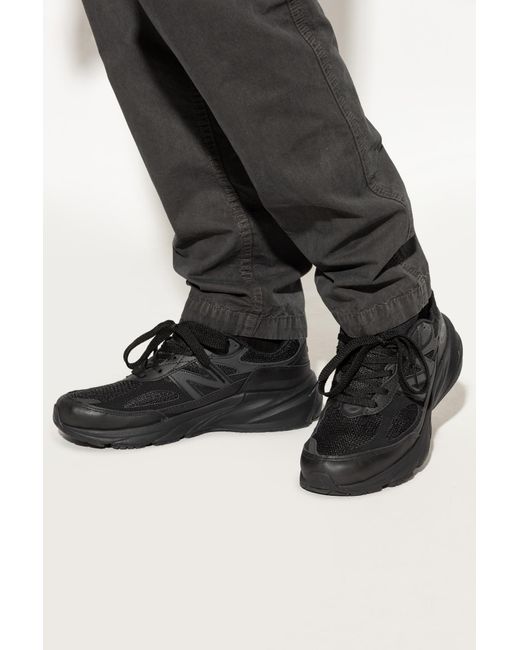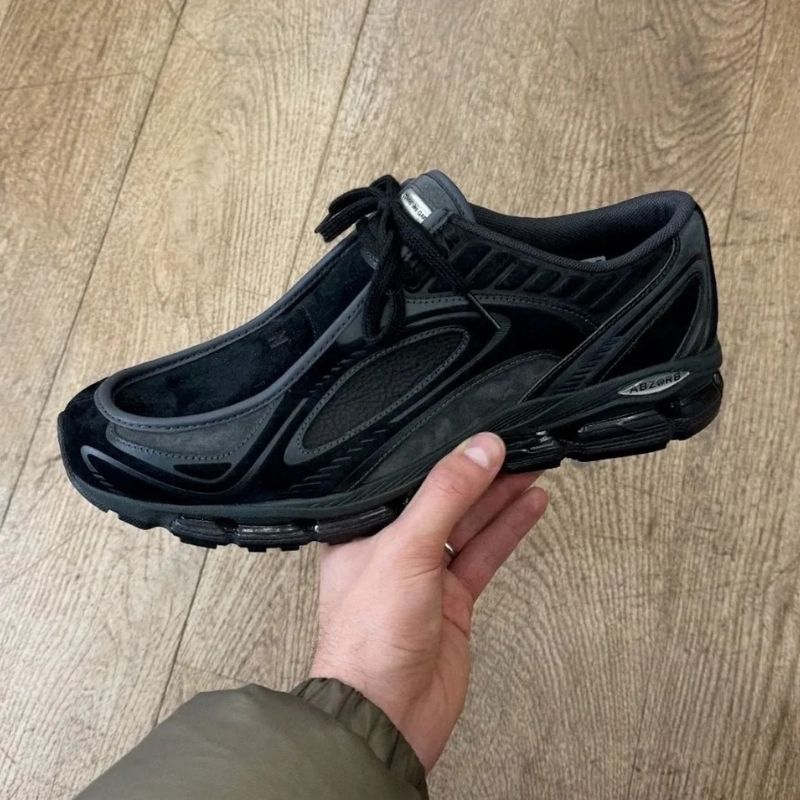
Some sneakers arrive through a press release; others earn their moment on a runway. The COMME des GARÇONS HOMME x New Balance 1890A belongs firmly to the latter category, having made its first public appearance on the Paris runway before a single pair reached retail shelves. Now, after months of speculation and quiet anticipation, the collaboration has a confirmed release date: November 6. For a certain kind of collector — the one who tracks both Kawakubo's seasonal propositions and New Balance's archival deep cuts with equal devotion — this is the drop that has quietly anchored the autumn calendar.
The 1890A itself is the story's engine. New Balance's revival of the 1890 silhouette has been one of the more intriguing moves in the brand's recent archival strategy, and the "A" designation signals the nuanced, specification-shifted variant that the HOMME team worked from. What distinguishes this interpretation is restraint executed with intent: a considered palette, premium material blocking, and a low-profile bearing that reads as tailoring-adjacent rather than overtly athletic.
A Silhouette That Speaks Softly
Where many fashion-sneaker collaborations shout, this one speaks in the measured tone of a well-cut trouser. The suede and mesh construction carries the texture and depth one expects from a HOMME-adjacent project, while the silhouette's proportions — neither chunky nor aggressively retro — allow it to move between wide-leg wool and relaxed denim without friction. It is the kind of shoe that disappears into a good outfit and then rewards a second look.
Runway Provenance, Real-World Purpose
Context matters here, and the context is unusually rich. The 1890A debuted alongside a COMME des GARÇONS HOMME Plus collection that has dominated critical conversation — a body of work in which Rei Kawakubo framed questions of what comes after conflict, moving from the "black hole" imagery that preoccupied observers toward something approaching hope. The sneaker, in that light, reads less as merchandise and more as a functional object designed to walk out of that darkness. It is footwear conceived for movement — literal and otherwise.
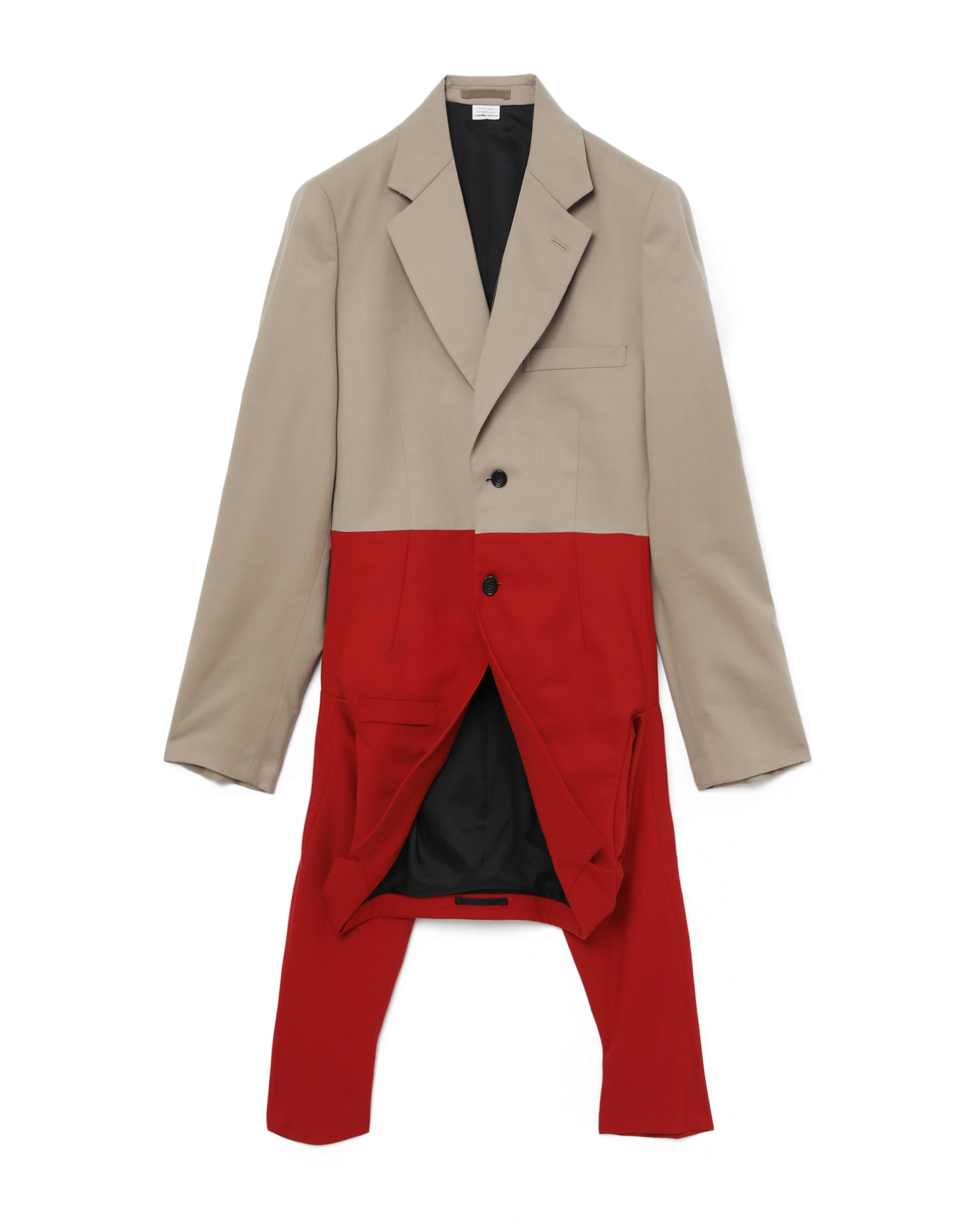
That the same season saw HOMME extend its collaborative reach toward BATONER's military-inflected wool tailoring and a revived 1226 archival runner only underscores how deliberately the house is engaging with utility and craft in equal measure. The through-line is coherence: each piece earns its place rather than borrowing relevance from a logo.
The Materials Do the Talking
The materials and make are where the COMME des GARÇONS HOMME x New Balance 1890A justifies its position. Expect the muted, almost garment-dyed tonalities that have become a signature of HOMME's output — colors that behave like fabric rather than like athletic trim. The co-branding is discreet, placed with the kind of confidence that doesn't require legibility from across a room. This is a shoe built for people who understand that the most authoritative pieces are often the quietest ones. The 1890A's tooling, drawn from New Balance's performance lineage, provides the underlying credibility; the HOMME treatment provides the point of view.
Who It's For
It is for the collector who has grown weary of the loud collaboration cycle and wants something that ages into a wardrobe rather than out of relevance. It is for the COMME des GARÇONS loyalist who has followed the HOMME line's steady, unsentimental refinement of menswear staples. And it is for the New Balance devotee curious about a silhouette still being written into the brand's contemporary canon. In a market saturated with hype-driven footwear, the November 6 release offers something rarer: a sneaker with a runway provenance, an archival backbone, and the composure to outlast its own launch window.
What lingers, finally, is the philosophy. COMME des GARÇONS has never treated collaboration as spectacle but as extension — a way of testing an idea against another house's craft. The 1890A is that principle made wearable: quiet, exacting, and built to be lived in long after the launch-day chatter fades. Mark the date — pieces like this tend not to linger.