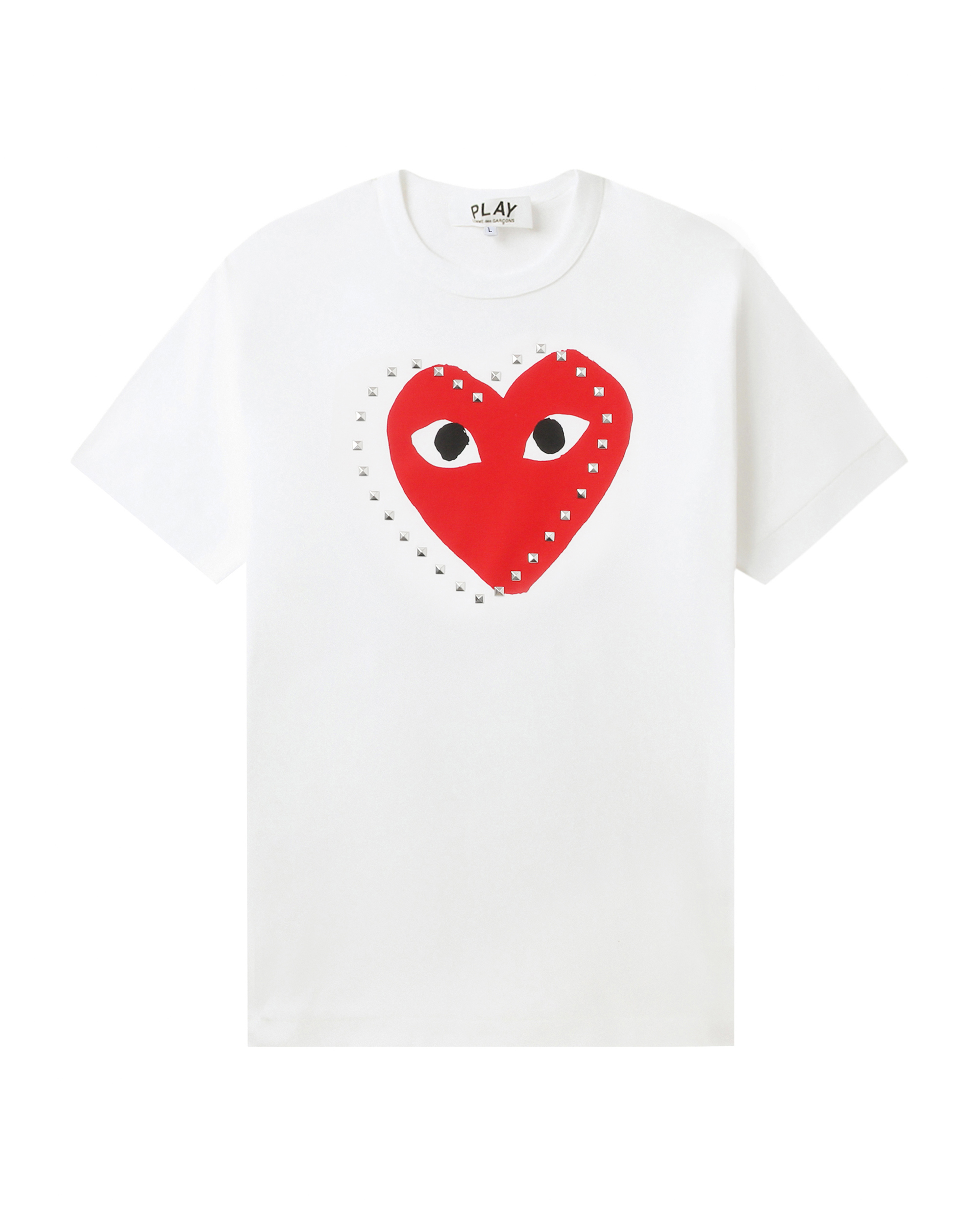
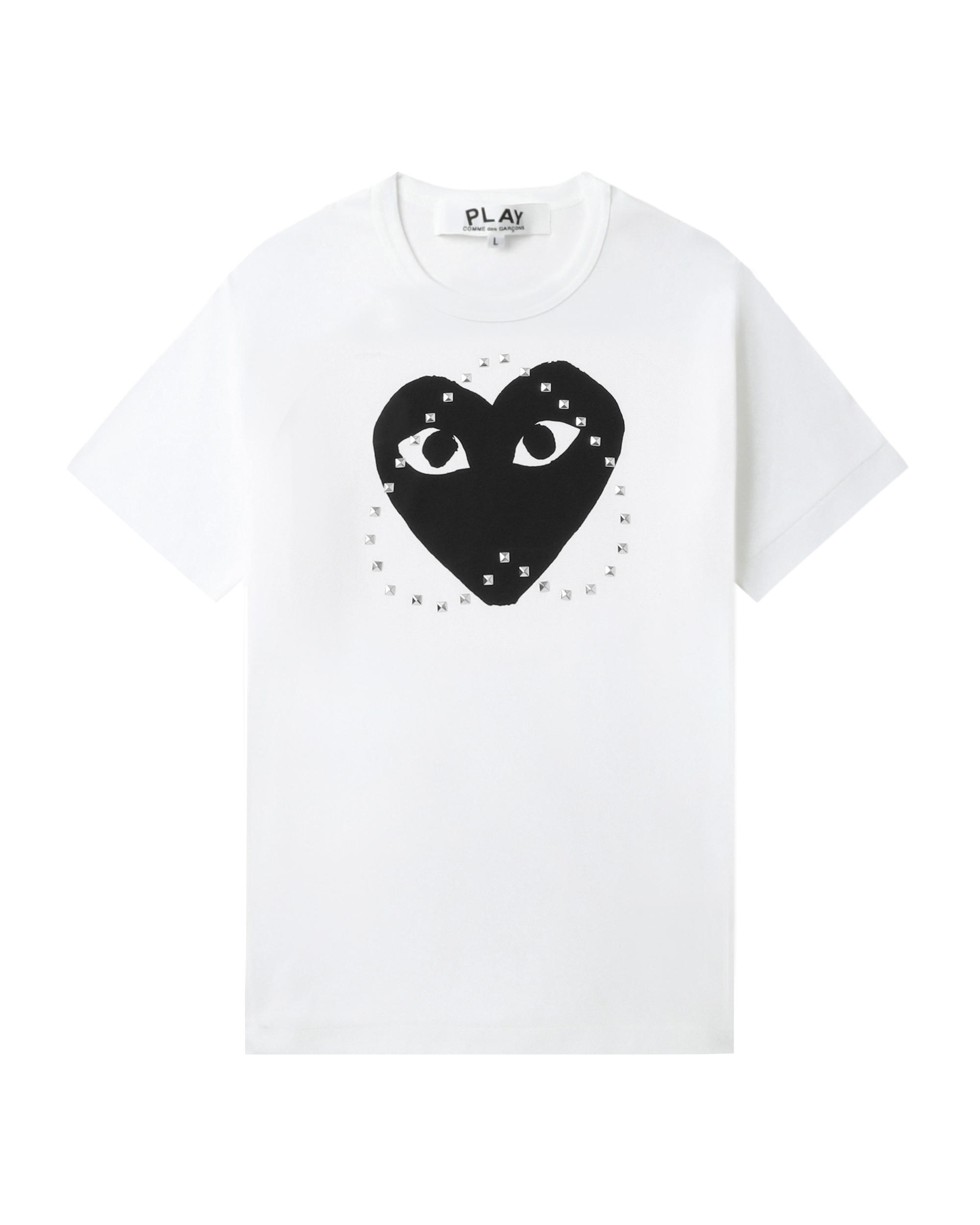
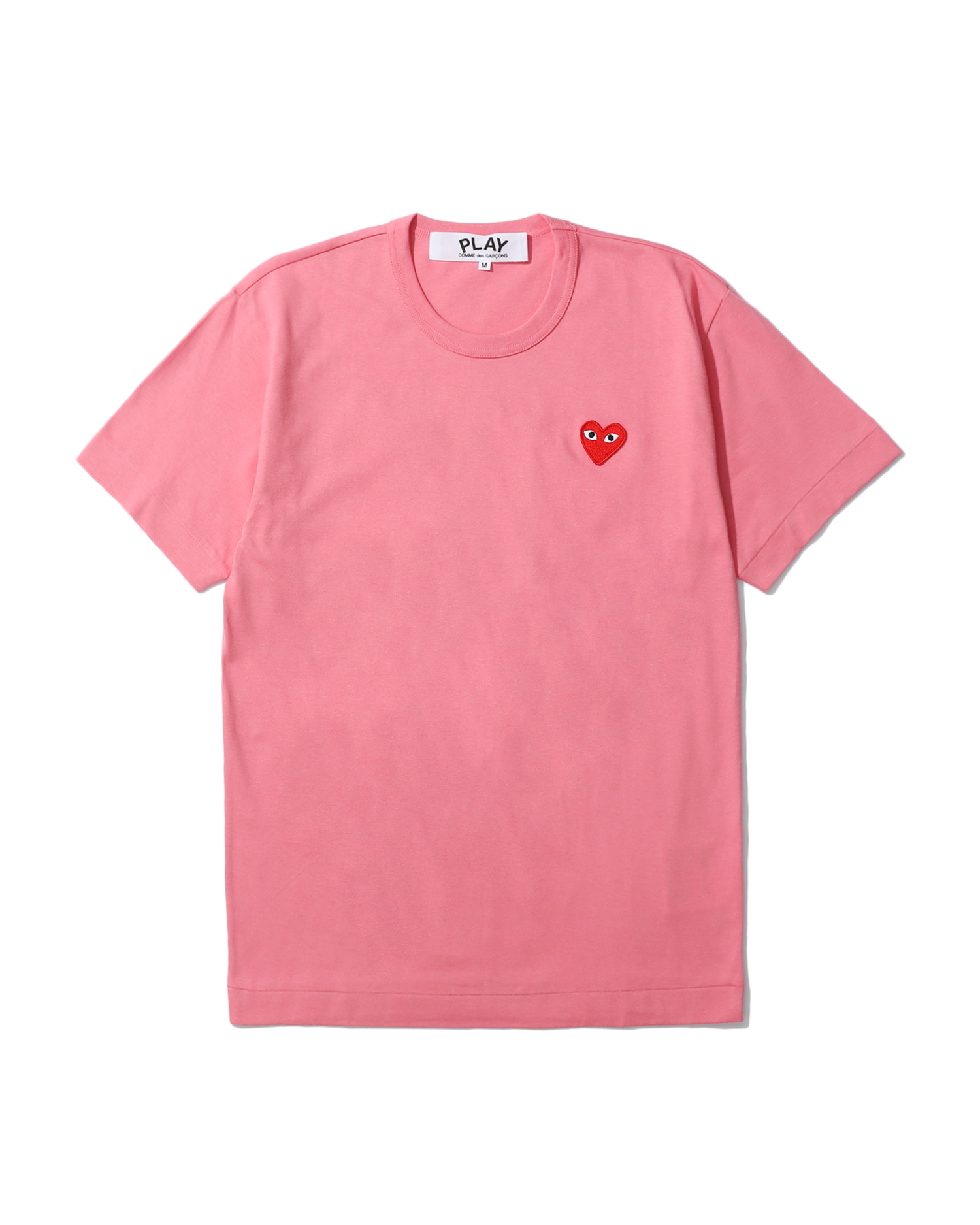
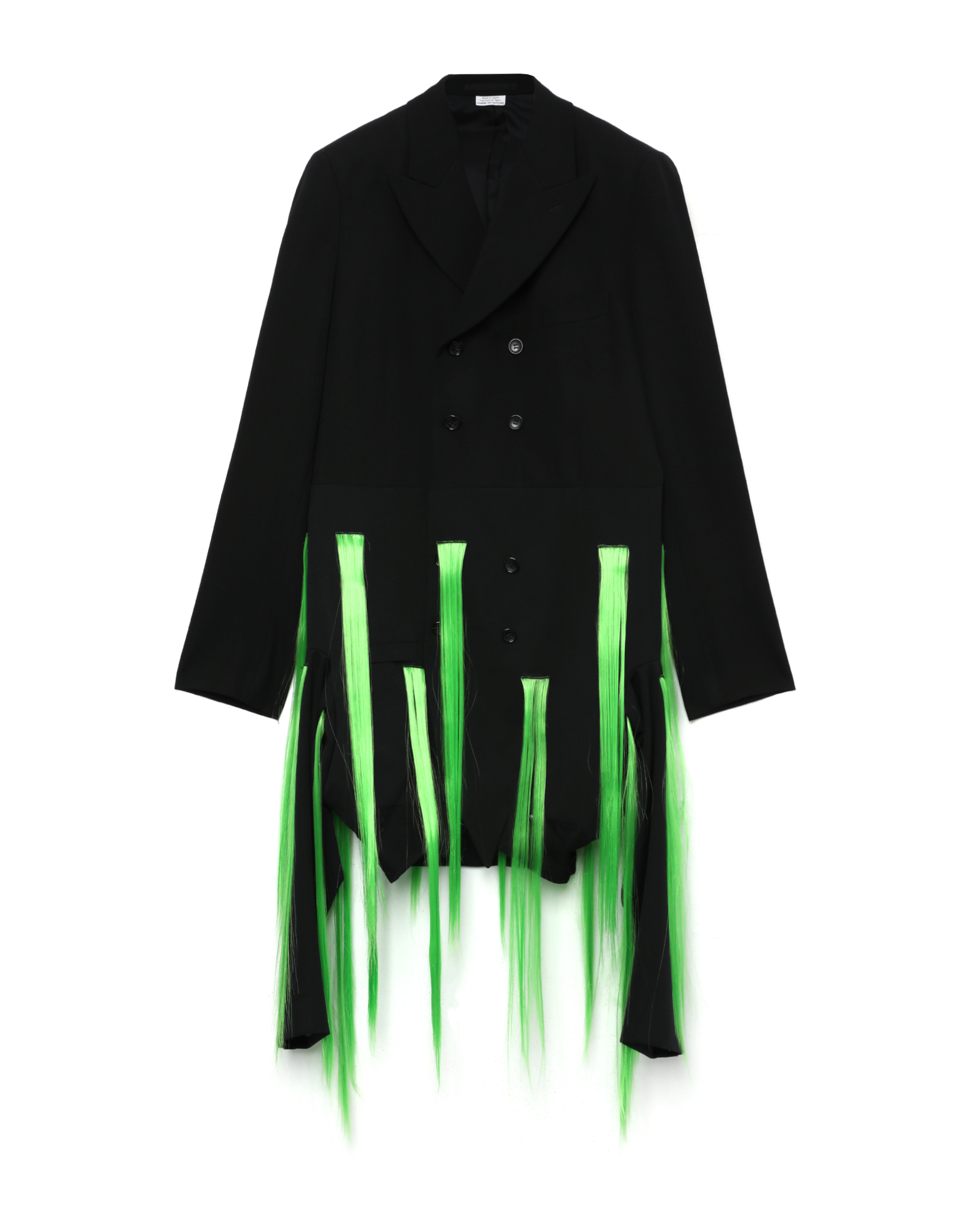
There is a particular madness that descends upon those who collect seriously, and it is not the gentle madness of accumulation but something far more precise—a compulsion to order chaos through the relentless pursuit of a single vision. When the news broke that a 265-piece Comme des Garçons archive was heading to auction, first through Kerry Taylor Auctions and later via the dot COMME platform, the fashion world collectively leaned in. This was not merely a sale of garments; it was the unspooling of a decades-long obsession, a private devotion made suddenly, breathtakingly public.
The collector in question, whose identity has been partly shielded behind the garments themselves, has spent years amassing what is now being called one of the most significant private archives of Rei Kawakubo's work ever assembled. And in the act of letting go, he has revealed something profound about the nature of collecting, the architecture of memory, and the strange, holy transaction between maker and wearer.
The Archive as Ideology
What makes this archive so extraordinary is not simply its size—though 265 pieces would dwarf most museum holdings—but its scope. Spanning key moments from the 1980s through the 2000s, the collection traces Kawakubo's radical deconstruction of silhouette, her war on symmetry, her relentless interrogation of what clothing means when it is freed from the body's expectations.
To page through the auction catalogue is to witness the evolution of an ideology: the early shredded knits that scandalized Paris, the sculptural volumes of the mid-nineties that seemed to defy gravity, the monochromatic severity that gave way, briefly, to the occasional shock of red or acid yellow. Each piece is a thesis statement, and the collector—by acquiring them, preserving them, and now releasing them—has functioned as a curator of Kawakubo's thinking, imposing a narrative arc onto a body of work that has always resisted easy storytelling.
The tactility of these garments is almost impossible to convey through a screen. The deliberate gaps in a knit, the way a sleeve hangs at an angle that feels wrong until it feels inevitable, the weight of a fabric that has been manipulated into architecture—these are the details that reward proximity. The archive offers that proximity, preserved like pressed flowers between the pages of fashion history.
The Confession of Obsession
The collector himself has admitted, in interviews leading up to the sale, that he has learned he is "crazy." There is something disarmingly honest in that confession. Obsession, after all, is not a rational state. It is the refusal to let a single button, a single seam, a single perfectly imperfect fold escape one's possession. It is the hours spent tracking down runway samples in Tokyo backrooms, the negotiations conducted in hushed tones with dealers who know exactly what they hold, the quiet thrill of discovering a piece that no one else has catalogued.
But obsession, too, is a form of devotion. The collector as curator understands that garments are not inert objects but vessels of intention, and that to own them is to enter into a dialogue with the designer—a conversation conducted across time, through fabric, without a single word spoken. There is a particular intimacy in this kind of collecting. You are not merely purchasing an object; you are agreeing to carry forward a piece of someone else's thinking, to keep it alive through the simple act of attention.
The Timing of Release
The timing of this auction is not accidental. It arrives at a moment when the fashion industry is reexamining its own archives with renewed hunger, mining the past for relevance in a present that feels increasingly unstable. The Comme des Garçons Homme Plus collaboration with Air Jordan, announced for September 2026, speaks to the brand's enduring ability to bridge the avant-garde and the mainstream, while the auction itself offers something rarer: access to the unmediated, uncommercialized heart of Kawakubo's vision.
These are not pieces designed for the Instagram feed or the red carpet. They are garments that ask questions, that demand patience, that reward the wearer with a kind of quiet, confrontational beauty. In an era of relentless novelty, there is something almost radical about the archive's insistence on permanence—the idea that a garment from 1989 can still speak with urgency, can still challenge the way we think about dressing.
Passing the Torch
What does it mean, then, to release such a collection into the world? The collector has spoken of wanting these pieces to find new homes, to be worn and loved rather than sealed in archival plastic. There is a generosity in that decision, a recognition that obsession, at its highest form, is not about hoarding but about stewardship. He has held these garments for years, protected them, understood them. Now he is passing them onward, trusting that the next custodian will honor the same covenant.
In doing so, he has transformed his private madness into a public gift—a reminder that fashion, at its most profound, is never really about the object at all. It is about the faith we place in the hands that made it, and the hope that someone, somewhere, will understand. The archive will scatter, as archives always do, but the vision it represents—Kawakubo's relentless refusal to compromise, her belief that clothing can be a form of thought—remains intact. That is the true legacy of the collector as curator: not the preservation of objects, but the continuation of a conversation. And for those lucky enough to acquire a piece, the conversation has just begun.