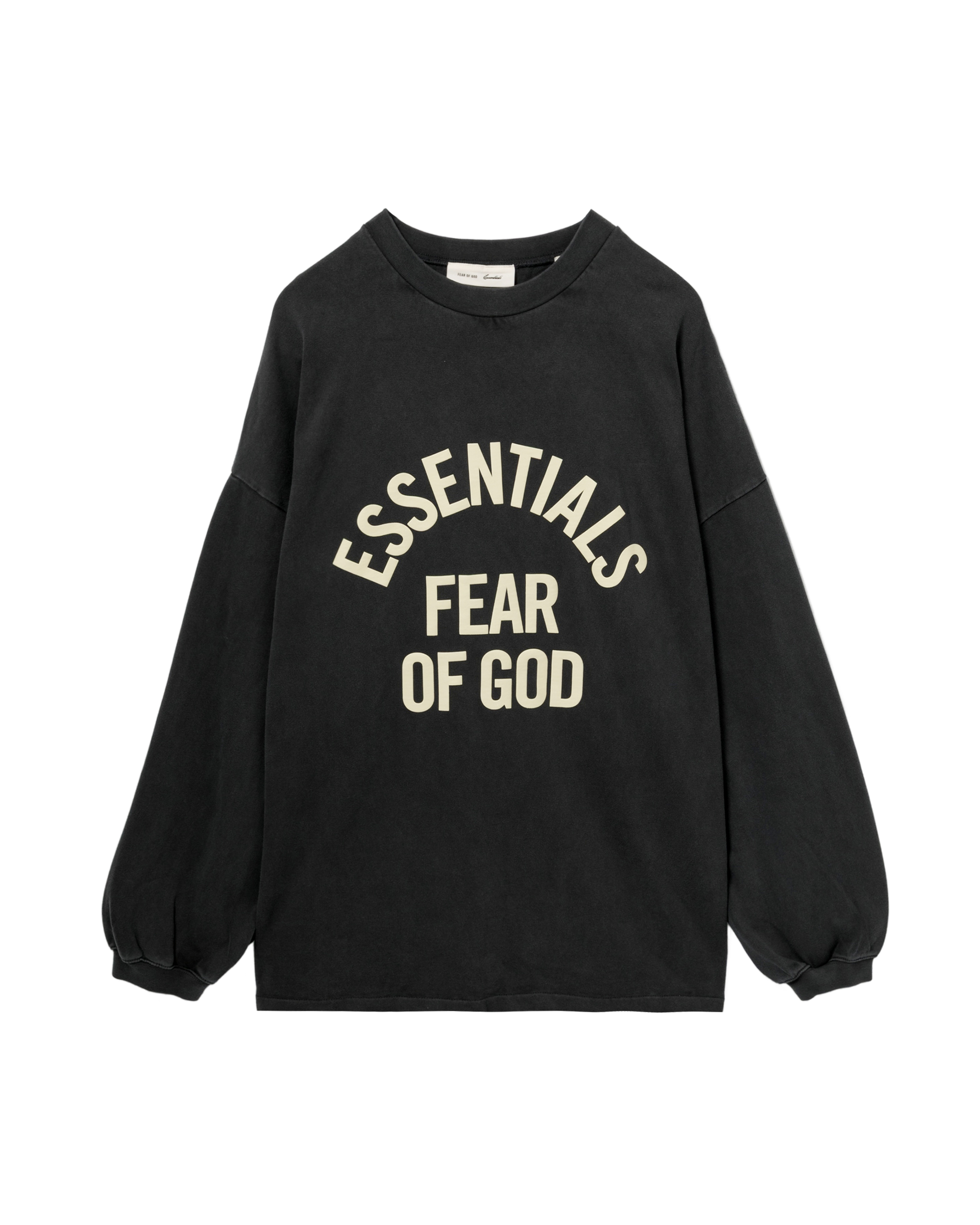
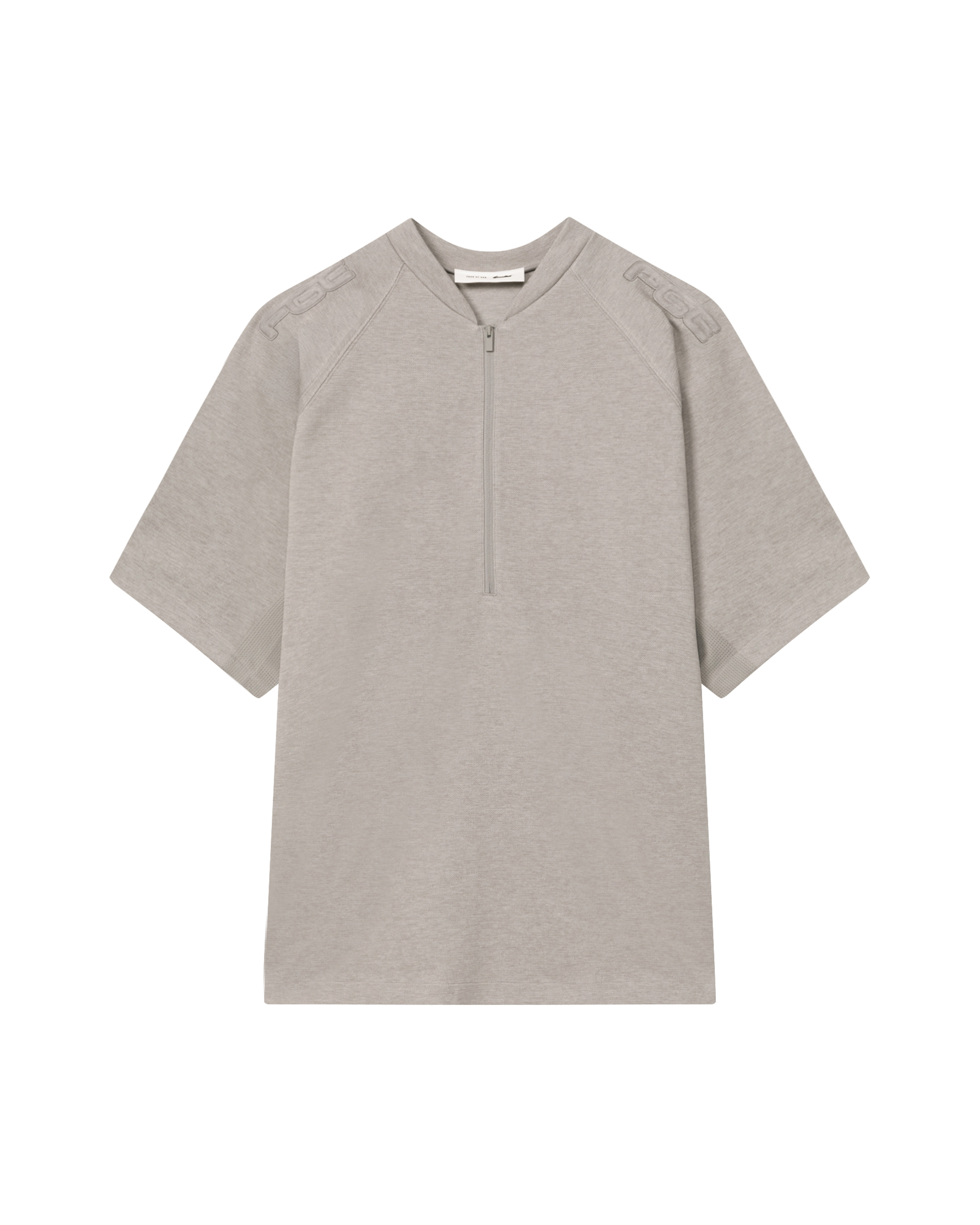
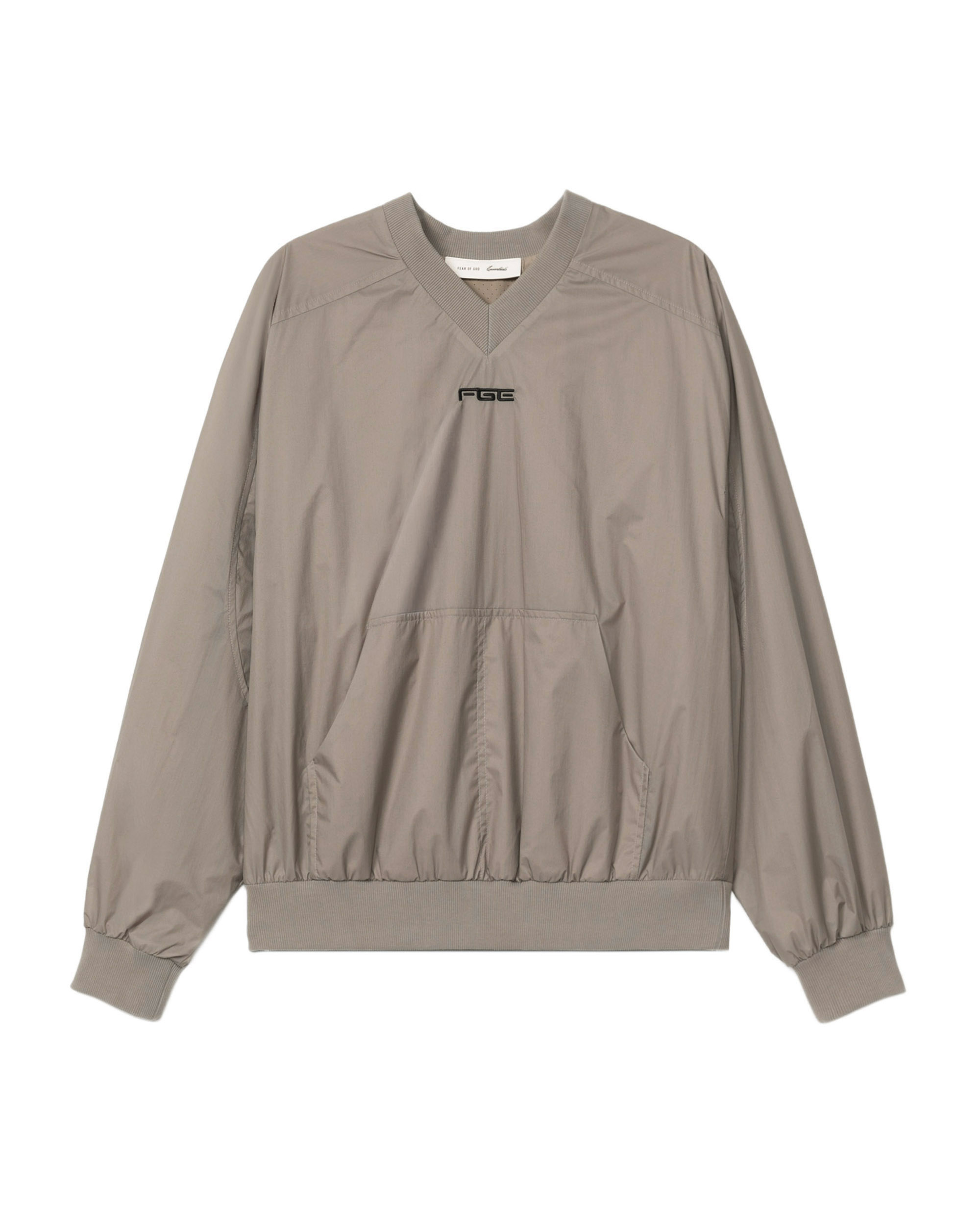
For a decade, Fear of God ESSENTIALS has served as the great democratizer of Jerry Lorenzo's design language—a diffusion line that carried the solemnity of luxury tailoring into the everyday register of hoodies, sweatpants, and coach jackets. Its licensed sportswear, introduced in successive seasons with the NBA and then the NFL, always felt like a parallel pursuit: beloved by fans, admired by collectors, yet cordoned off from the core Signature collection as though team affiliation were a separate aesthetic proposition entirely. Fall 2026 ends that separation. In the first unified release across Signature, NFL, and NBA lines, Lorenzo has folded professional licensing into the mother tongue of the brand itself, and the result is the most coherent statement ESSENTIALS has made since its founding.
The design logic is deceptively simple: instead of treating league marks as decorative appliqués bolted onto existing silhouettes, the Fall 2026 collection renders them in the same restrained register as the core line. Team iconography appears in tonal embroidery, muted chenille patches, and screen-printed graphics that sit flush with the garment's palette rather than shouting against it. The ESSENTIALS block lettering—still the collection's quiet signature—shares space with NFL shields and NBA wordmarks at matched scale, so a Chicago Bulls hoodie reads first as an ESSENTIALS hoodie and second as fan merchandise. That inversion is the whole point.
The Materials Do the Talking
What separates this collection from the licensed-apparel glut is the hand-feel. Heavyweight cotton fleece with a brushed interior gives every hoodie the density of a garment meant to be kept, not cycled through. Garment-dyed knits carry the brand's characteristic washed softness—that lived-in patina Lorenzo has built his reputation on—while nylon coach jackets are cut with the dropped shoulder and boxy proportion that have become his structural fingerprint. These are tactile decisions, the kind you register with your fingertips before you ever read a logo. The palette stays disciplined: muted tones that let chenille patches and tonal embroidery emerge slowly, rewarding a second look rather than demanding a first one.
Why the Timing Is Sharp
Culturally, the release lands at a precise moment. Sports licensing has spent the last several years migrating from stadium concourse to streetwear floor, with vintage league apparel becoming a genuine pillar of contemporary menswear rather than a novelty. Yet most licensed product still treats the fan as a billboard. Fear of God ESSENTIALS proposes something else: the fan as a person with a wardrobe, whose allegiance should be legible but not loud.
The unified Fall 2026 release also arrives as the broader market reassesses what a "wardrobe essential" even means. Stylists are publicly retiring dated closet staples in favor of pieces with clearer point of view, and consumers are gravitating toward garments that justify their place through cut and fabric rather than logo volume. A collection that merges team identity with the discipline of a core line answers that appetite directly—it doesn't ask you to choose between supporting your team and dressing with intention.
Who It's For
This is apparel for the supporter who owns one good hoodie and wants it to be the right one—someone who follows both the league and the fit, who would rather wear a Raiders piece because it looks considered than because it looks official. It suits the season-ticket holder and the design obsessive equally, and it works precisely because it refuses to choose between them. The NBA and NFL capsules no longer read as merchandise drops appended to a fashion label; they read as chapters of the same book, sharing fabric, proportion, and restraint.
Why it matters now is a matter of consolidation. Lorenzo has spent years arguing that sportswear is the native language of American luxury—that the hoodie deserves the same seriousness as a tailored jacket. By unifying Signature with the league lines under a single design vocabulary, Fear of God ESSENTIALS Fall 2026 makes that argument structurally rather than rhetorically. The fan gear and the fashion gear are the same gear. For a brand built on the premise that essentials are anything but basic, that is not a licensing deal. It is a thesis, finally completed—and a reminder that the most convincing luxury statements are often the ones you can wear to the game.