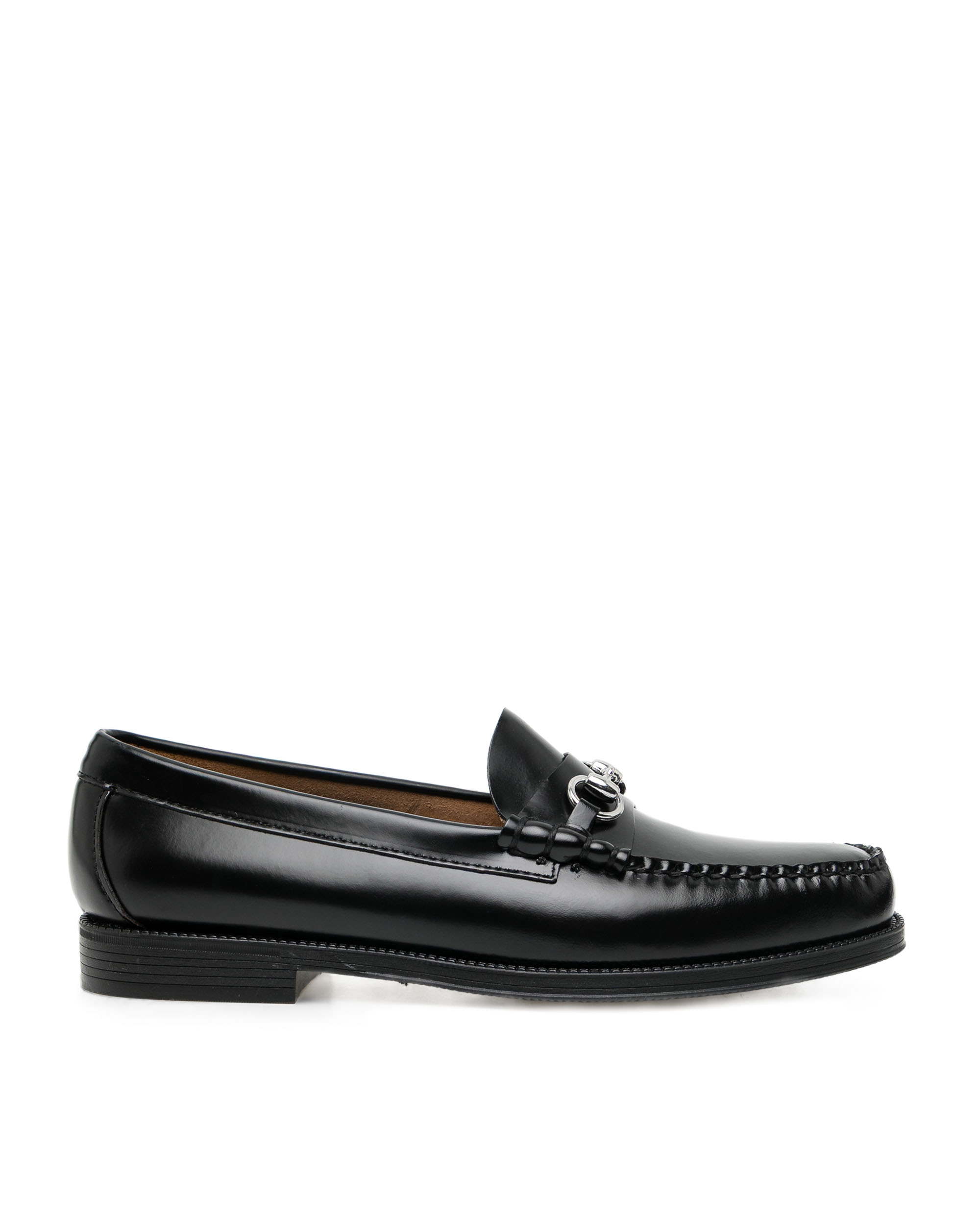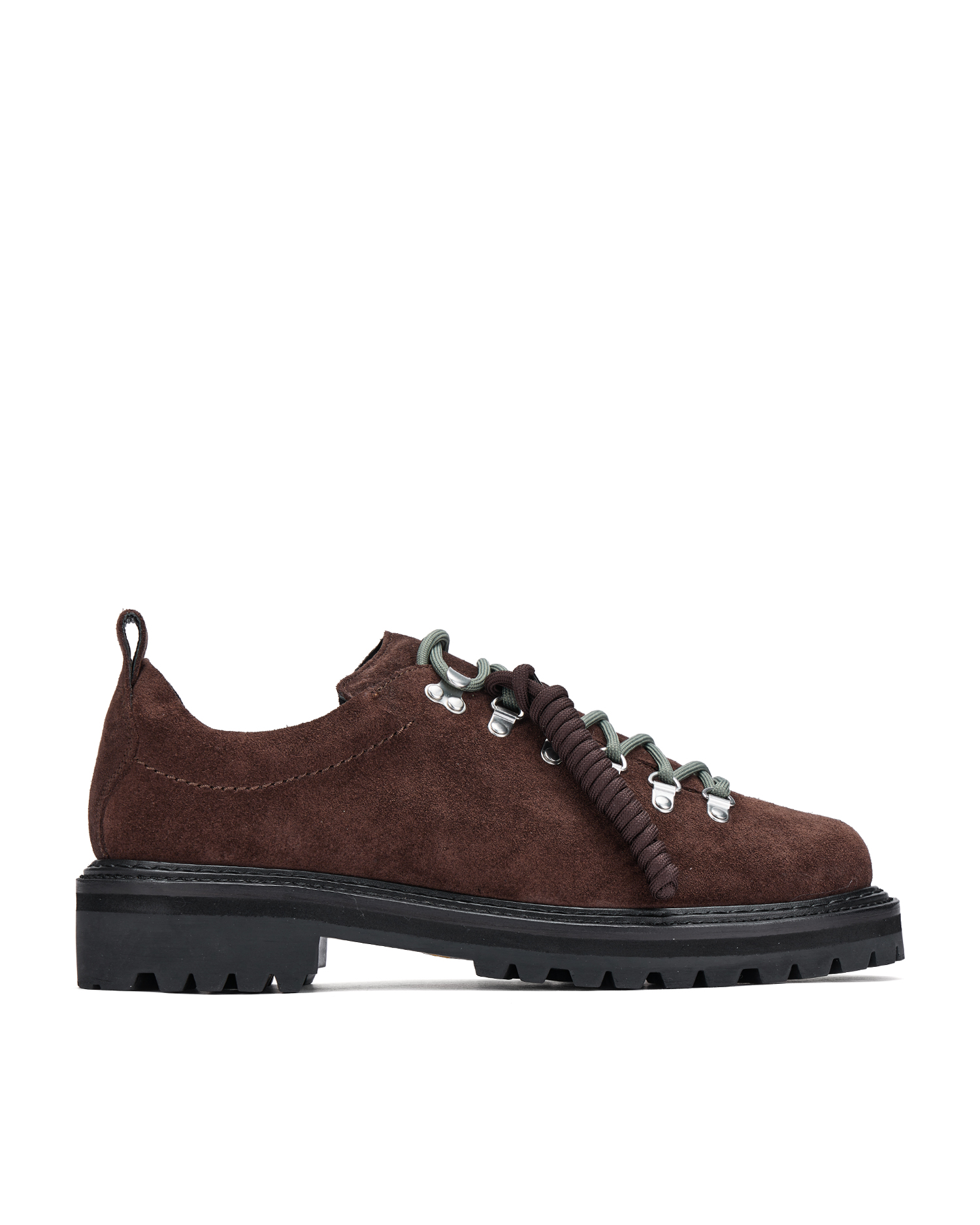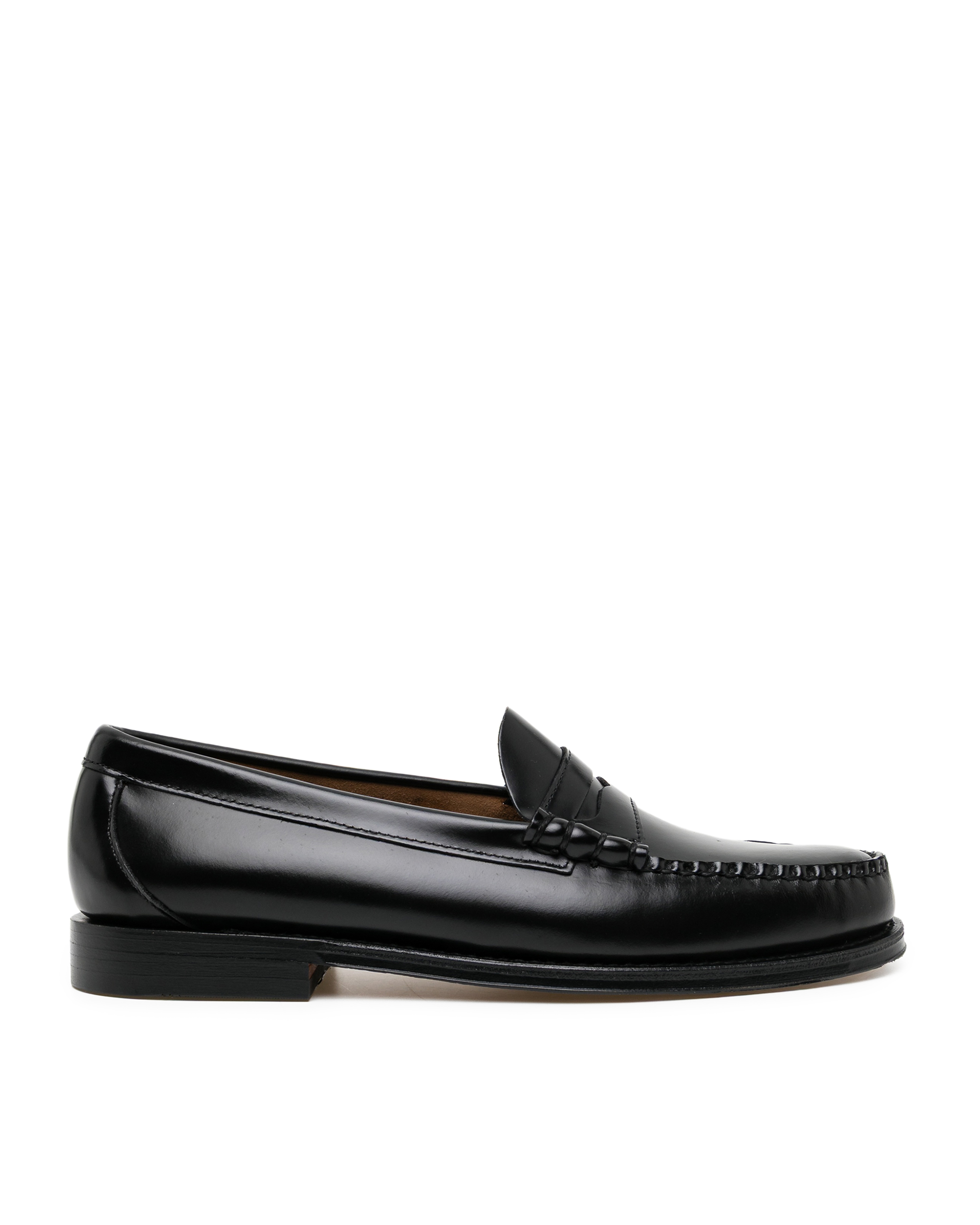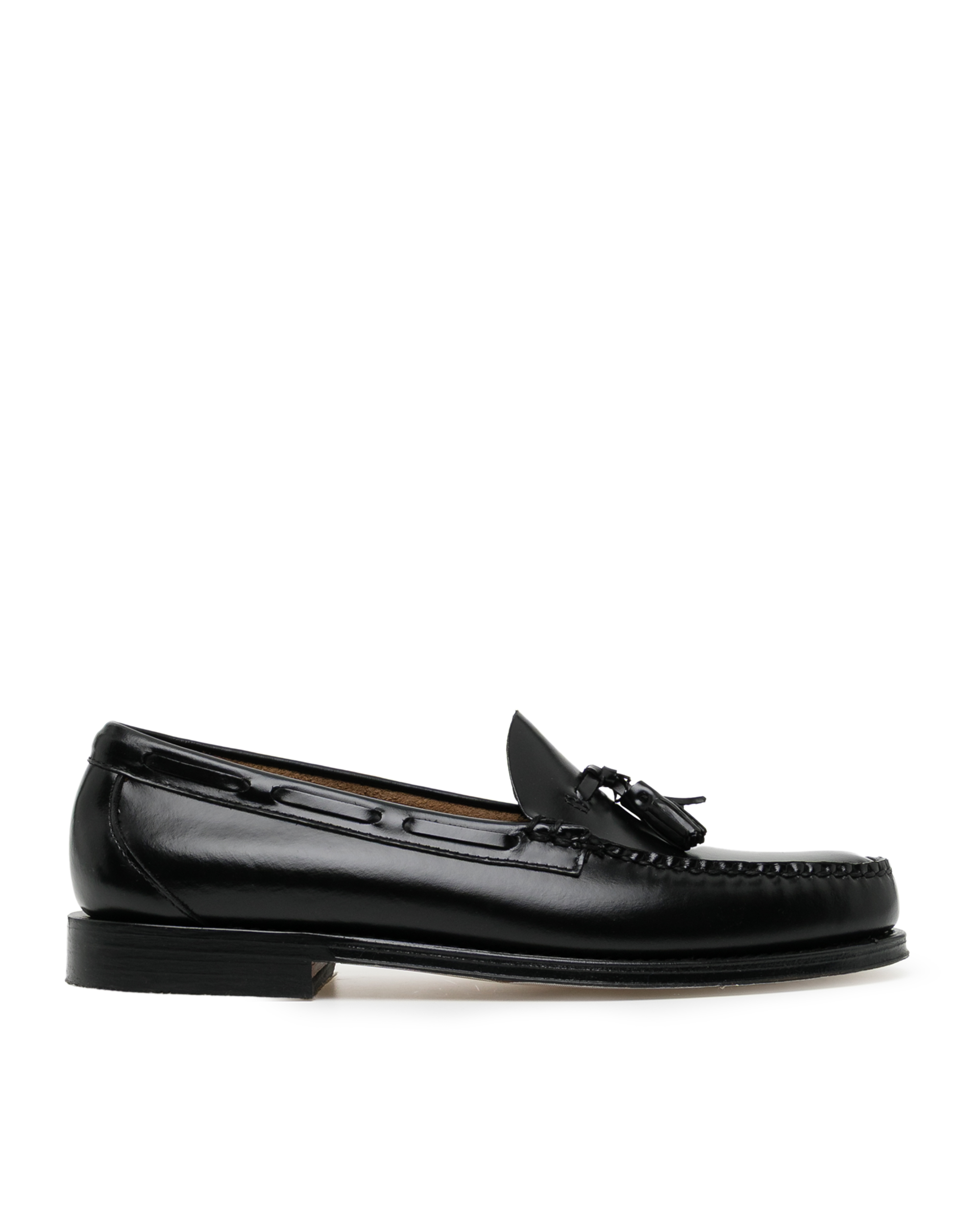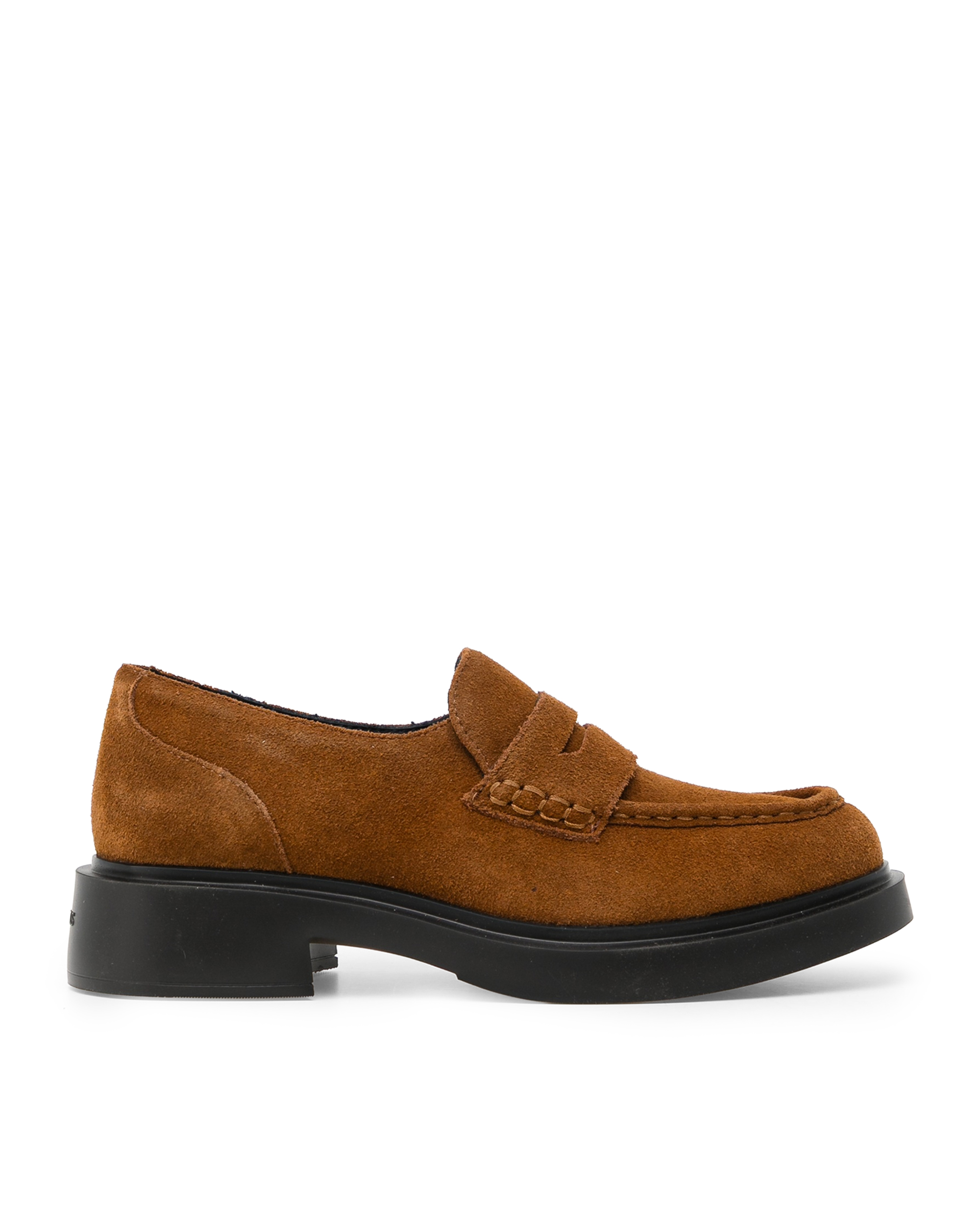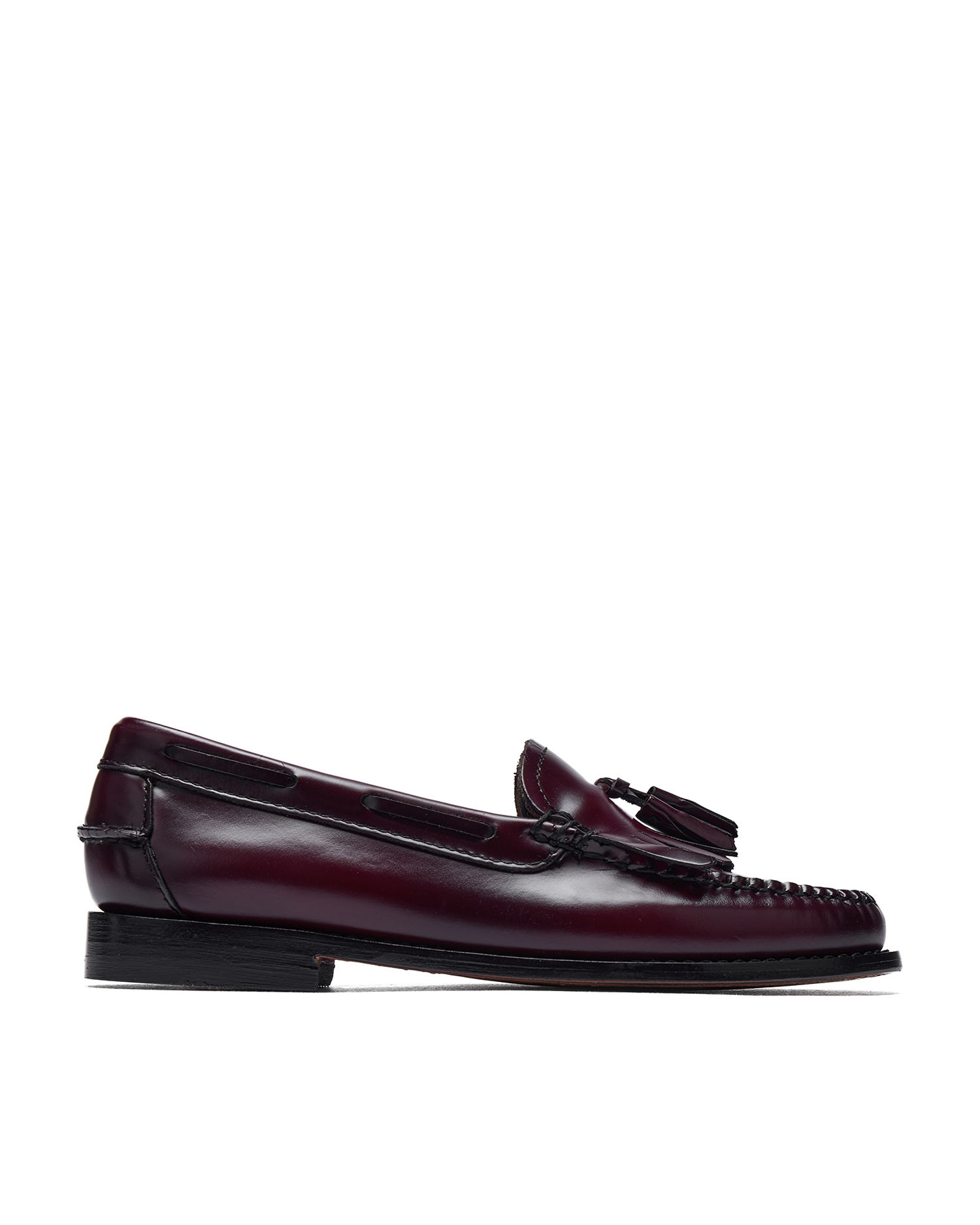
There is a peculiar magic in the artifact that refuses to stay buried, and few objects in American footwear history possess the quiet magnetism of the G.H. Bass × Metalwood Studio Sportocasin. For decades, this silhouette haunted the periphery of golf’s golden era—a hybrid that never quite fit the athletic canon nor the dress shoe lexicon, yet somehow anticipated both. Now, through a collaboration that feels less like a marketing stunt and more like an archaeological dig conducted by people who genuinely love the dirt, the Sportocasin has been exhumed with archival precision, and its return could not be timelier. The shoe itself is a study in contradictions resolved: it takes the structural bones of a classic saddle oxford, softens them with the supple hand of a moccasin construction, and grounds the entire affair in a vulcanized crepe sole that whispers of fairways rather than boardrooms. What emerges is not a golf shoe in the modern sense—no aggressive spikes, no waterproof membranes, no carbon fiber plates—but something far more intriguing: a pre-lapsarian vision of the sport when gentlemen walked the course in tailored tweed and the footwear was expected to be as civilized as the conversation.
A Forensic Approach to Nostalgia
The partnership between G.H. Bass and Metalwood Studio, the latter a cult purveyor of vintage golf aesthetics, is a masterclass in respecting the source material. Rather than reimagining the Sportocasin through a contemporary lens that might flatten its idiosyncrasies, the collaborators have opted for a faithful reconstruction, sourcing leathers that carry the same weight and patina potential as the originals from the 1920s. Run your fingers across the upper and you’ll feel it—that dense, slightly toothy hide that promises to mold to your foot like a broken-in glove, developing a burnished map of your own history with every wear.
The detailing is obsessive. The perforation patterns along the saddle mimic the original tooling dies, each tiny puncture placed with the precision of a watchmaker’s touch. The eyelet spacing is mathematically identical to archived factory spec sheets, and even the heel counter has been sculpted to replicate the subtle inward curve that made the original so distinctive on the foot. This is not nostalgia as vague feeling but nostalgia as forensic science. The result is a shoe that looks simultaneously antique and utterly fresh, a paradox that explains why the Sportocasin has already generated the kind of buzz typically reserved for limited-edition sneakers rather than heritage footwear.
The Third Path in a Polarized Wardrobe
Why does this resurrection matter now, beyond the obvious appeal of a beautifully made object? The cultural moment is primed for exactly this kind of reconsideration. As the worlds of golf, streetwear, and tailored dressing continue to collide, there is a growing appetite for pieces that carry authentic provenance rather than manufactured heritage. We’ve cycled through chunky dad sneakers and lug-soled monstrosities; we’ve seen the dress shoe get deconstructed and reconstructed until it barely resembles itself. The Sportocasin offers a third path between the ubiquitous chunky sneaker and the overly precious dress loafer—a middle ground that feels genuinely novel because it is genuinely old.
It speaks to the current fascination with what fashion historians call "the utility of elegance," where garments and accessories are prized not for their overt performance claims but for their ability to navigate multiple contexts with quiet confidence. For the modern man or woman who finds themselves oscillating between the office, the weekend, and the occasional unexpected invitation to a golf outing, the Sportocasin is a chameleon of the highest order. It pairs as effortlessly with tailored flannel trousers as it does with raw denim or even tailored shorts, and its crepe sole provides a cushioning that makes it a legitimate all-day wear proposition. The silhouette reads as familiar from across the room—that saddle oxford grammar we all learned in prep school—but up close, the moccasin construction and soft sole reveal something altogether more relaxed and modern.
Who Is This Shoe For?
Who is this shoe for? It is for the collector who owns the complete archive of G.H. Bass penny loafers but has always felt a pang of curiosity about the brand’s more esoteric offerings. It is for the golfer who has grown weary of the neon-infused, carbon-plated monsters that dominate the modern market and longs for a connection to the sport’s more romantic roots—a time when the walk mattered as much as the score. It is for the style obsessive who recognizes that true originality in fashion often requires looking backward before moving forward, understanding that the most disruptive ideas are sometimes the ones that have been waiting patiently in the archives all along.
And it is for anyone who appreciates the craftsmanship inherent in a shoe that is not mass-produced but rather assembled with the kind of care that was once standard and is now exceptional. Pick up a pair and you’ll notice the weight of it, the deliberate construction that speaks to hands rather than machines. This is footwear with a pulse, an object that rewards attention.
As G.H. Bass celebrates its sesquicentennial—150 years of continuous American shoemaking—the Sportocasin collaboration with Metalwood Studio stands as a testament to the brand’s enduring relevance. It proves that heritage is not a static museum piece but a living dialogue between past and present, and that the most forward-thinking thing a brand can do is sometimes to listen very carefully to what its own history has been trying to say all along. In an era of relentless novelty, the most radical gesture might just be remembering—and remaking—what was always beautiful.