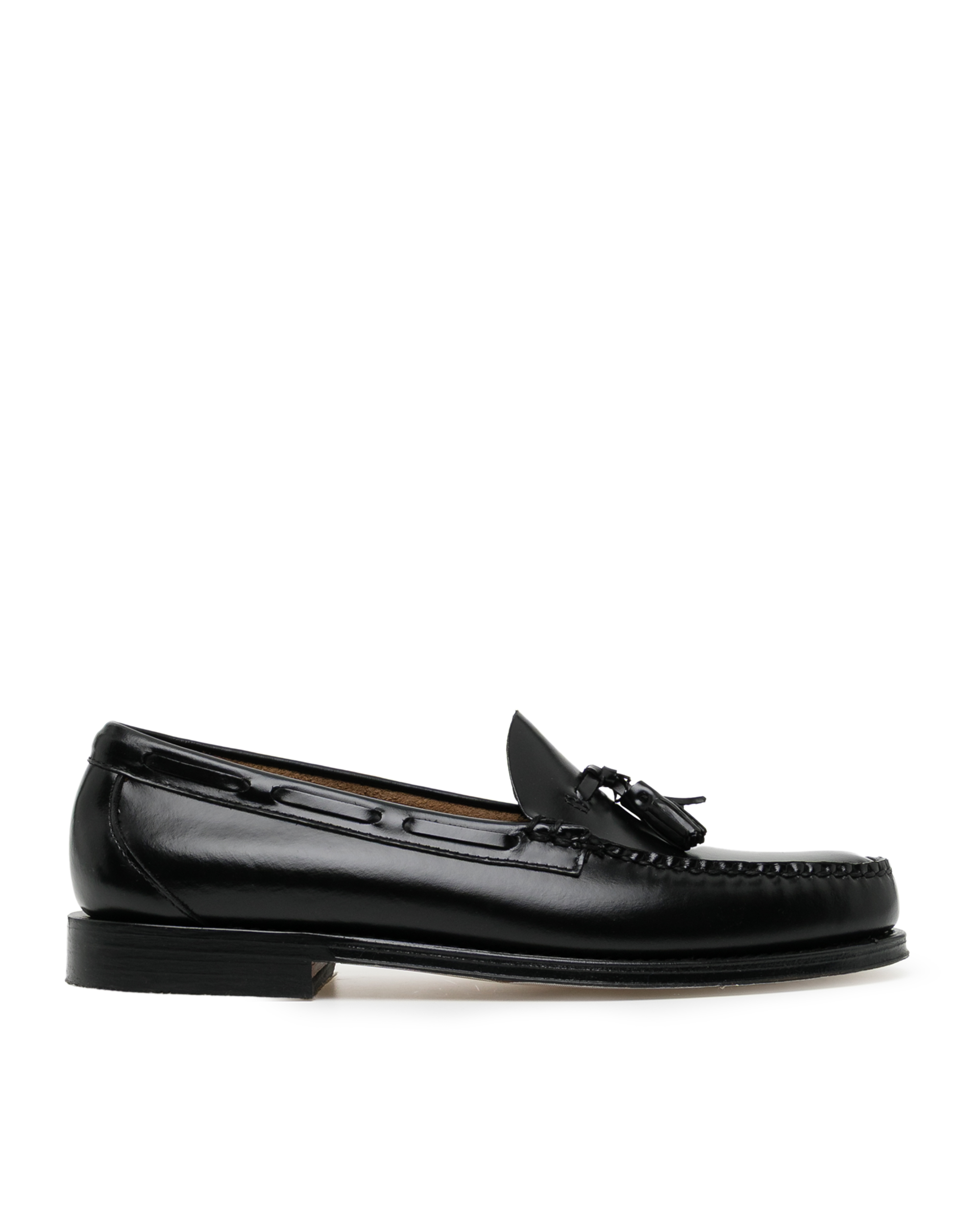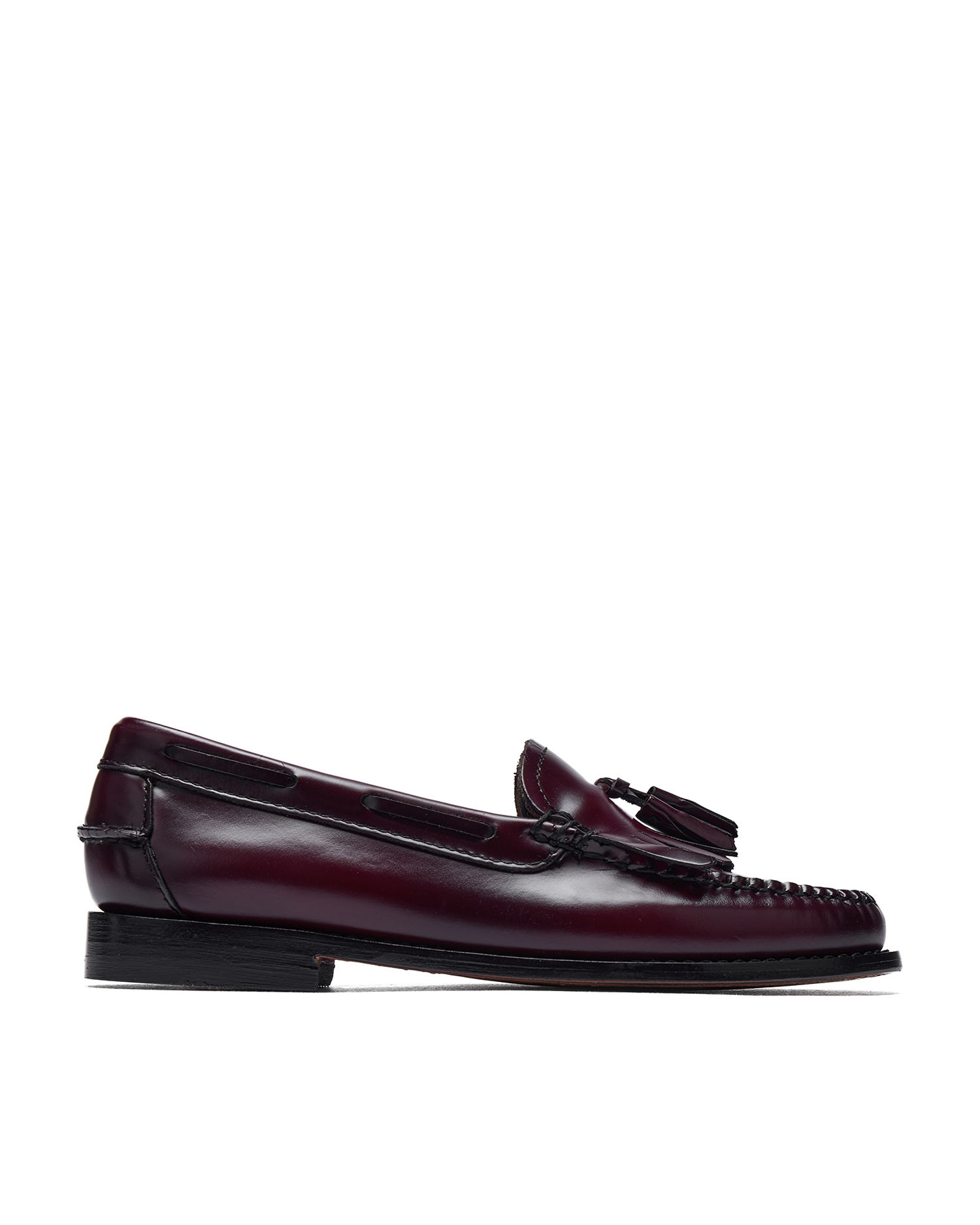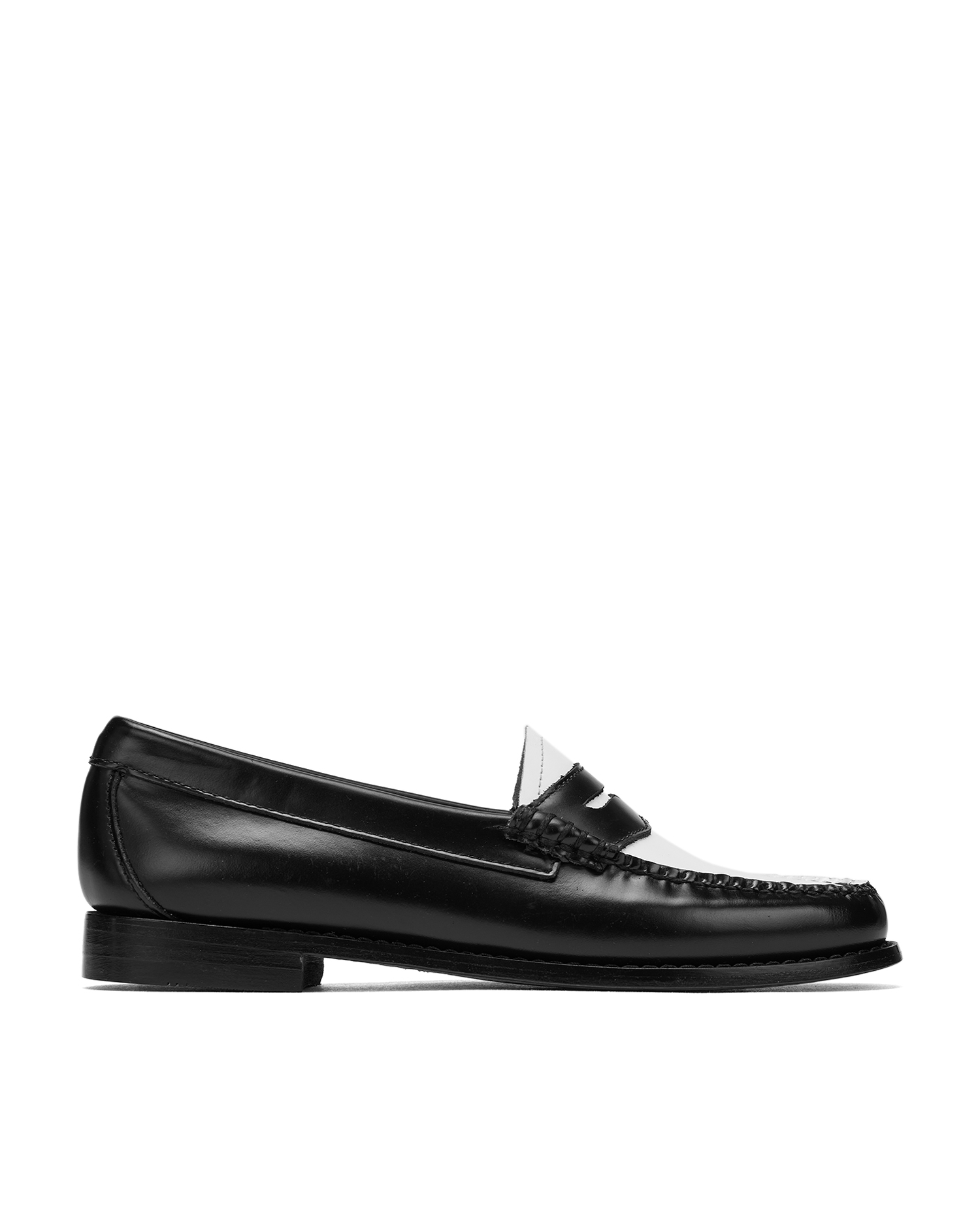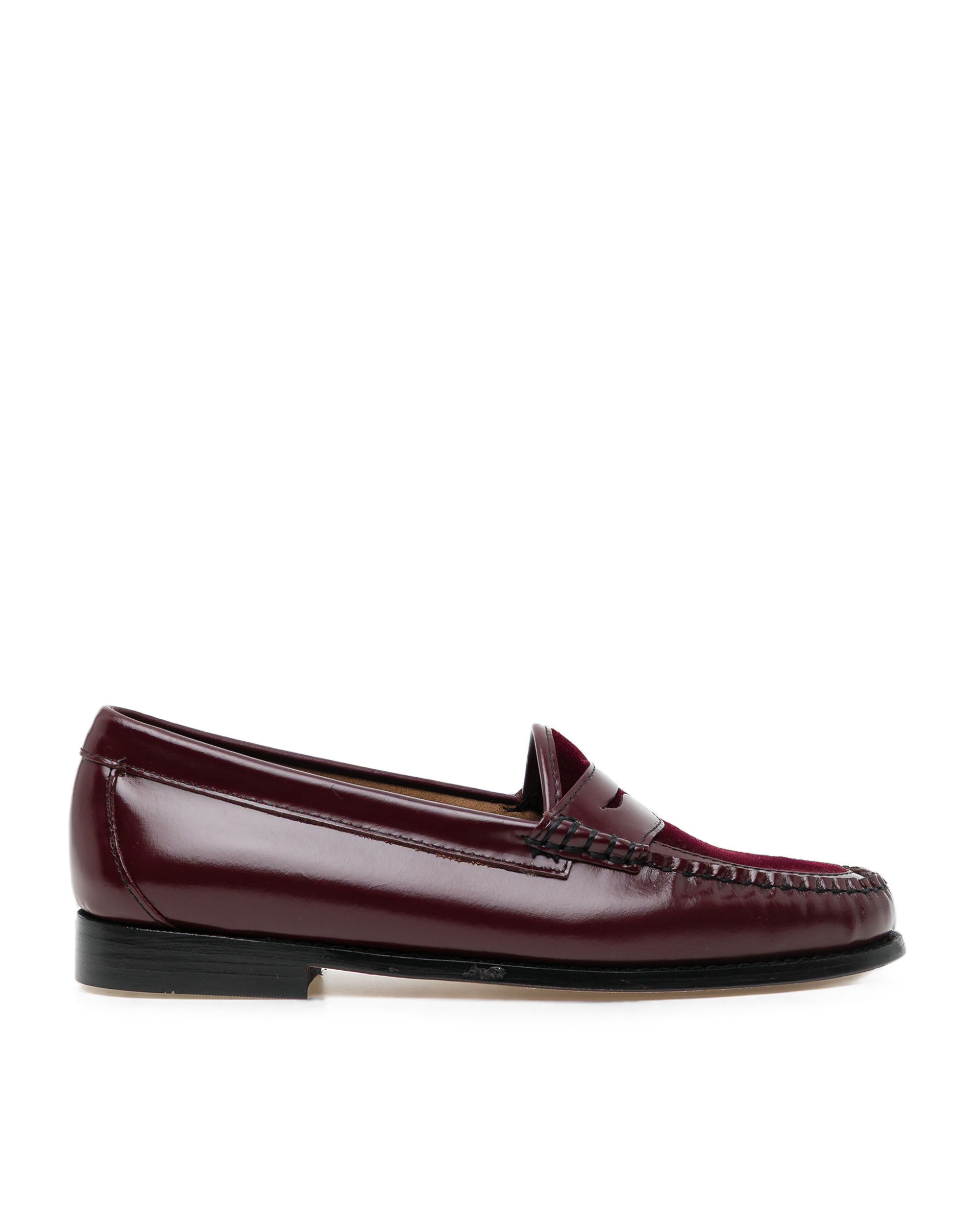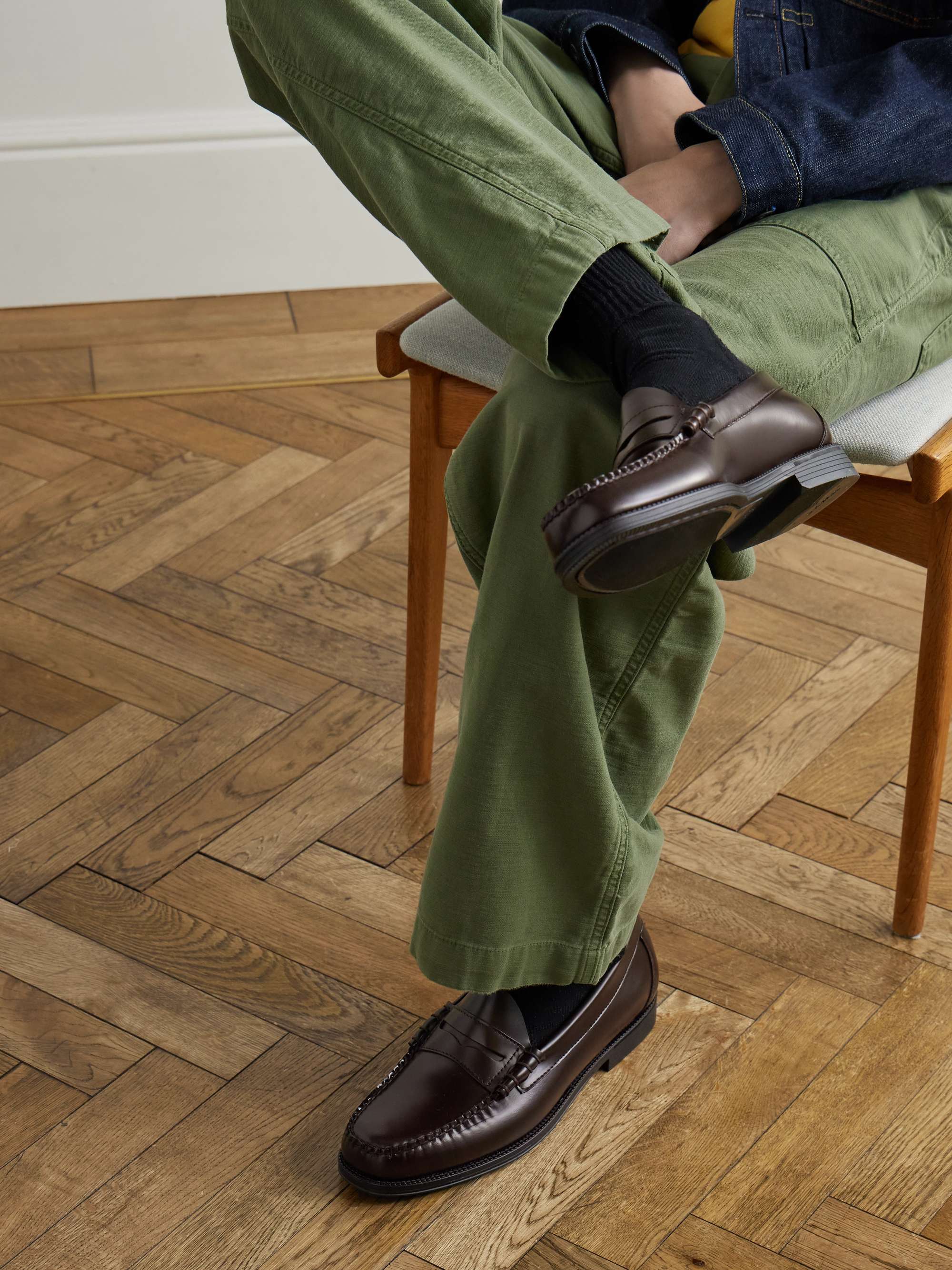
Some shoes chase the trend cycle. Others simply outlast it. The G.H. Bass Weejuns 90th Anniversary Penny Loafer belongs firmly to the second camp — a shoe that has watched nine decades of fashion come and go and somehow still looks like the most current thing in the room.
Few products in American fashion can claim a genuine ninetieth birthday, let alone one spent at the center of a cultural revival. The Weejun — the world's first penny loafer, introduced by G.H. Bass in 1936 — has been reissued in an anniversary edition that honors its original blueprint while quietly correcting the compromises cheaper imitations have made over the decades. The result feels less like a nostalgia exercise and more like a correction: the loafer as it was always meant to be made.
The Details Do the Talking
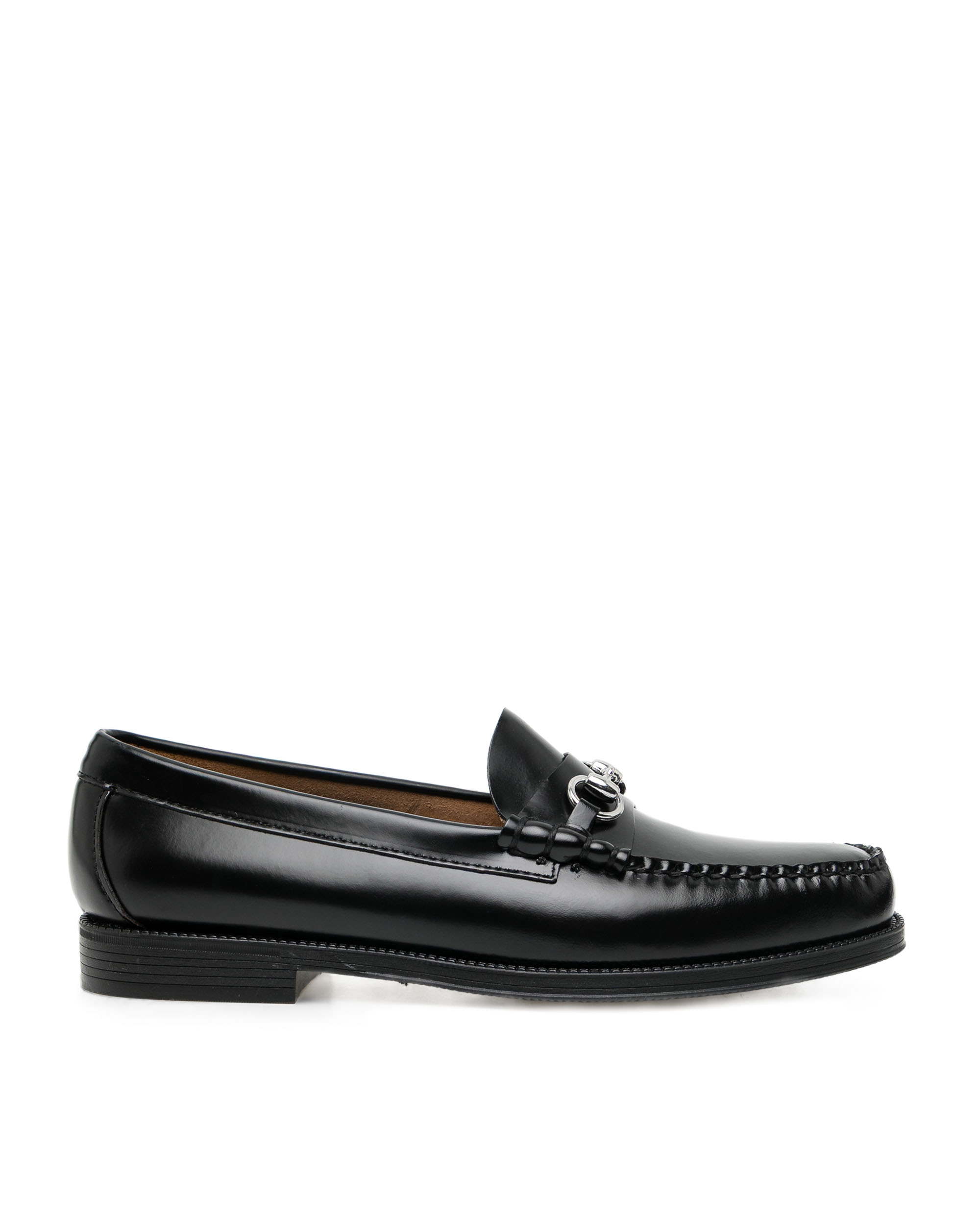
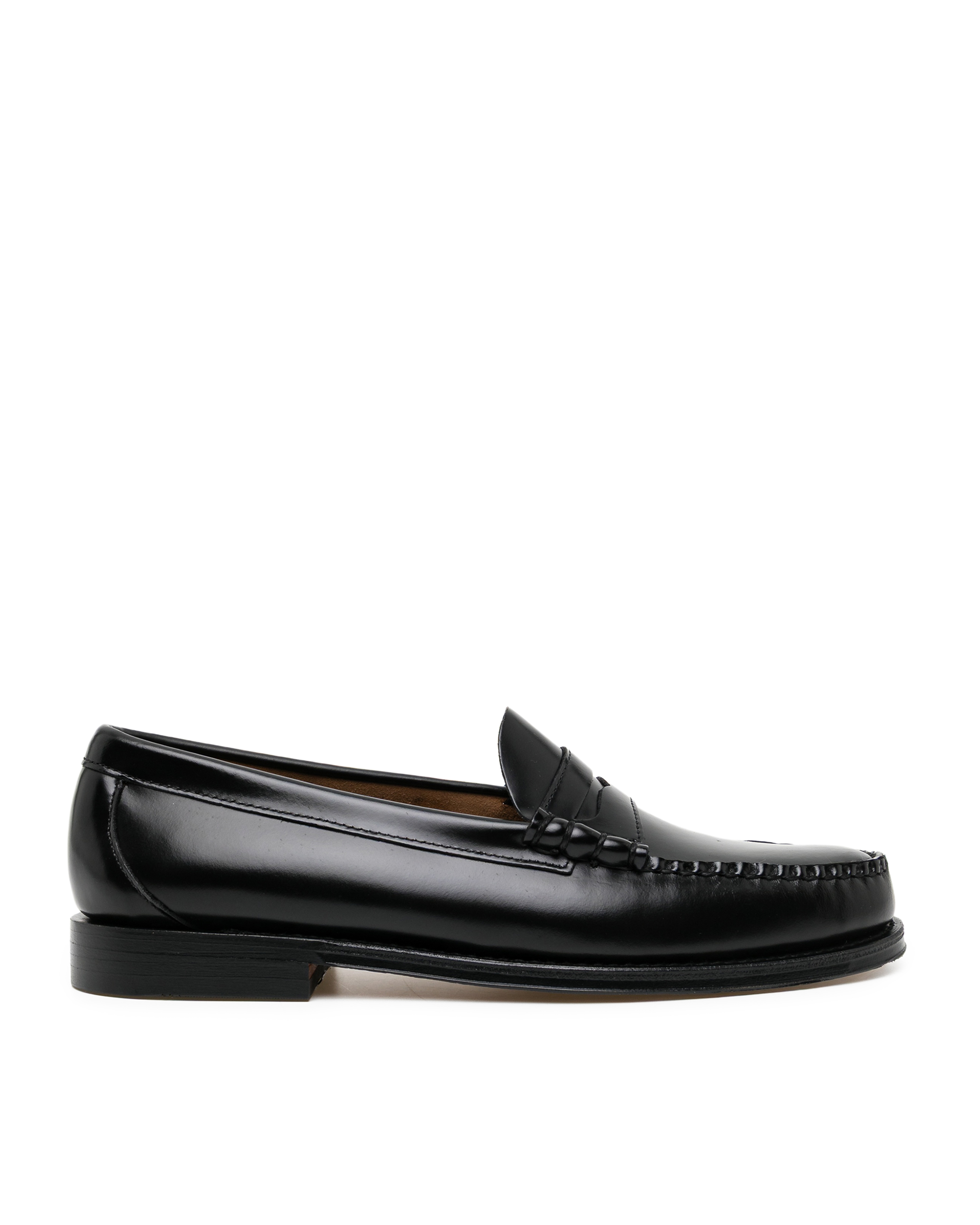
The design details are the point, and they reward close attention. The 90th Anniversary Weejuns retain the signature moccasin construction, the hand-stitched apron toe, and the distinctive leather strap across the vamp with its now-iconic penny slot — a detail whose folklore origin (a coin slipped in for a payphone, or for luck) has outlived the payphone itself.
The silhouette is unmistakably the original: low, elongated, slightly softened at the toe, with a heel that sits flat and grounded rather than fashionably elevated. What separates this edition is the material. G.H. Bass has specified a rich, full-grain leather upper that takes a polish but develops a patina with wear, paired with a leather-lined interior and a sturdy, resoleable leather sole. That leather outsole is a deliberate choice — the detail that separates a heritage loafer from a fast-fashion approximation, and the reason these shoes are built to be repaired, not replaced.
Nine Decades, One Silhouette
That durability matters because the Weejun is not a seasonal purchase. It is, historically, the American shoe that refused to stay in its lane. Born in Wilton, Maine, in 1876 — G.H. Bass itself turns 150 this year — the brand invented the penny loafer as a casual alternative to the stiff dress shoes of the era, naming it after "Weejuns," the colloquial term for Norwegian shoemakers whose moccasin style inspired it.
From there it became a strange kind of American uniform: Ivy League prep in the fifties, counterculture in the sixties, Wall Street in the eighties, and now, once again, the default shoe of anyone who wants to look considered without looking like they tried.
The Comeback Nobody Had to Engineer
The anniversary edition lands at a moment when that cycle has come full circle. Vogue, The Cut, Coveteur, and Highsnobiety have all recently anointed the loafer as the defining footwear of the season, and a new generation of collaborations — Buck Mason, Metalwood Studio, and a European licensing deal that signals genuine global ambition — has pushed the Weejun back into the center of the conversation. A 150th-anniversary capsule and an immersive party in New York have only sharpened the point: this is a brand that understands its own gravity.
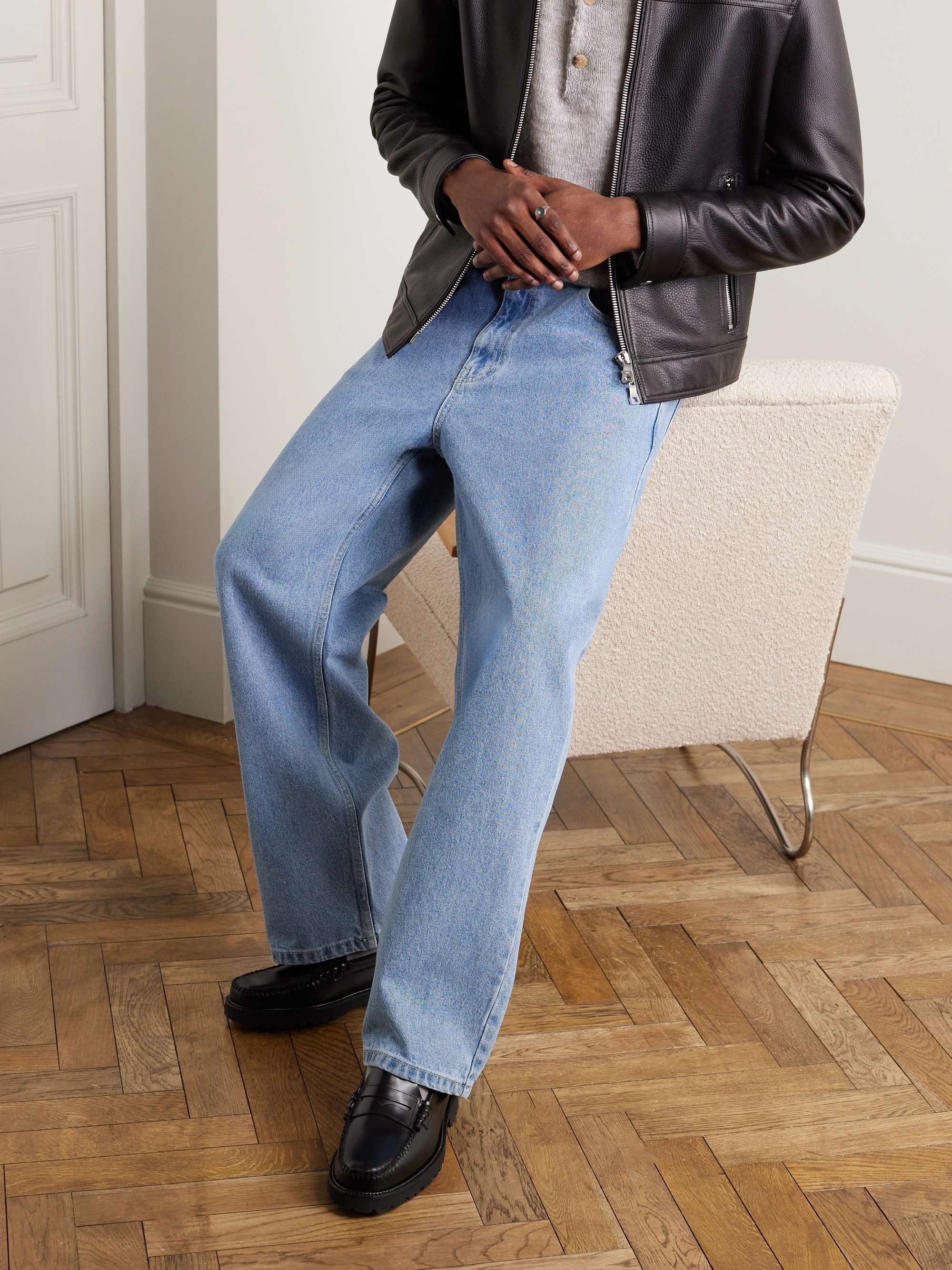
Who is this shoe for? Frankly, anyone who has grown tired of footwear that demands attention rather than earns it. The 90th Anniversary Penny Loafer works with tailored trousers and a blazer, with raw denim and a crewneck, with a midi skirt or a suit. It reads as equally appropriate at a gallery opening and a grocery store, which is precisely why it has survived nine decades of trend cycles. For women, it offers the androgynous polish that has made loafers a perennial Vogue recommendation; for men, it is the rare dress-casual option that doesn't collapse into either formality or sloppiness. It is, in the truest sense, a unisex shoe — the original genderless footwear, predating the term by roughly seventy years.
Permanence as a Statement
Why it matters now is simpler than the history suggests. In an era of disposable fashion and synthetic everything, the Weejuns 90th Anniversary Penny Loafer is a small, tangible argument for permanence. It is made of leather that will age, stitched by hand, and priced as an investment rather than an impulse.
It celebrates a milestone not by reinventing itself but by refusing to compromise — which, in 2026, is the most contemporary statement a shoe can make.