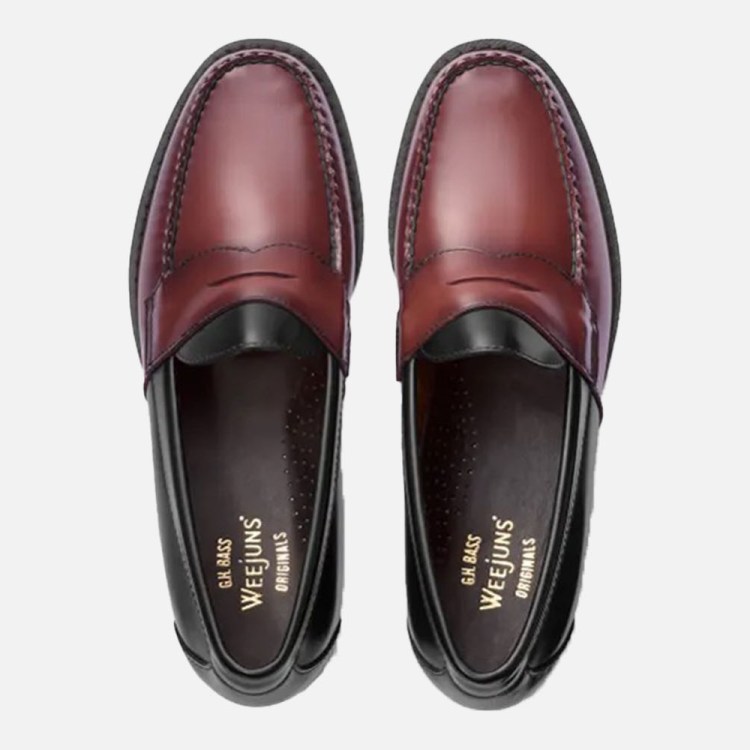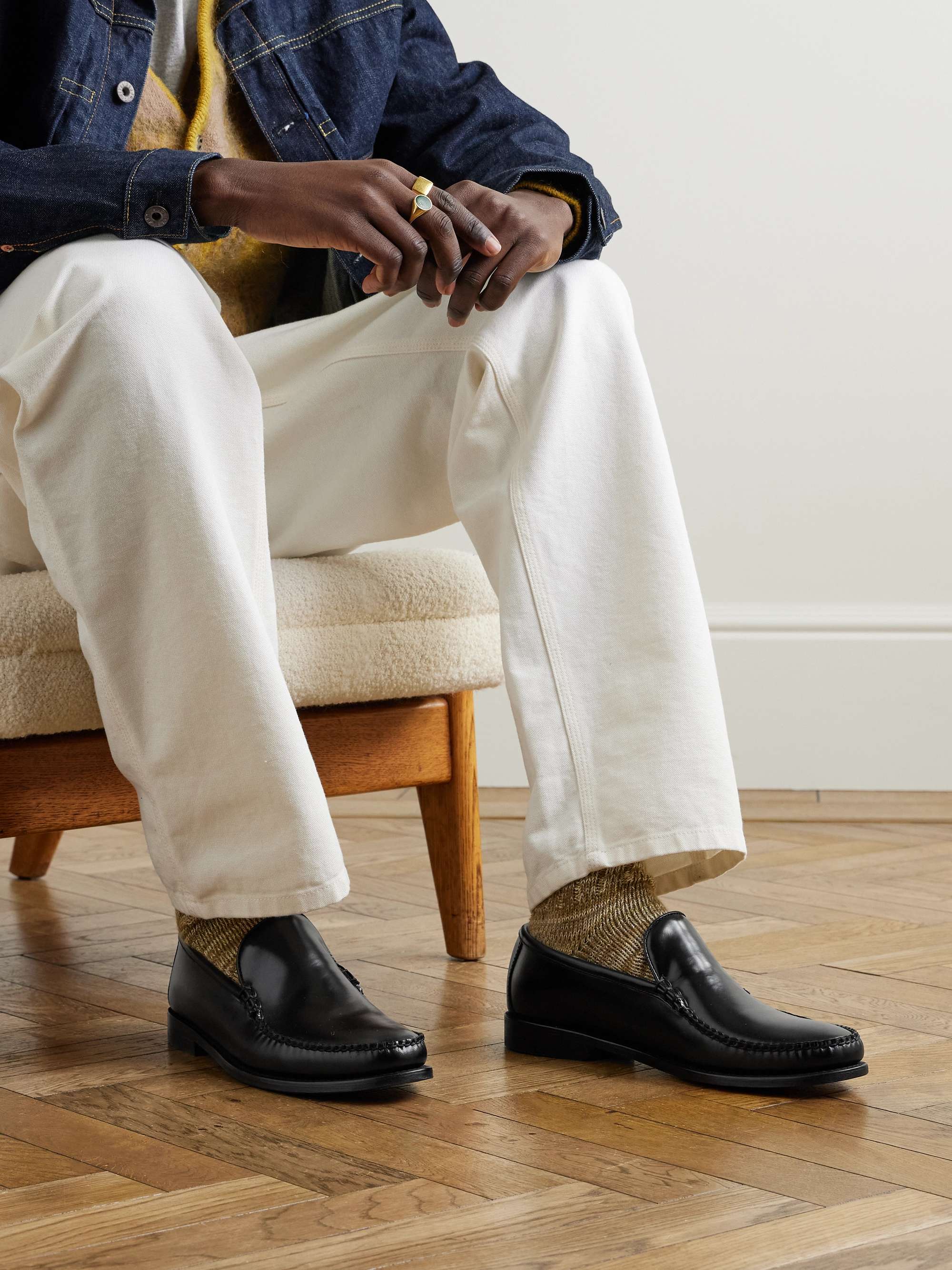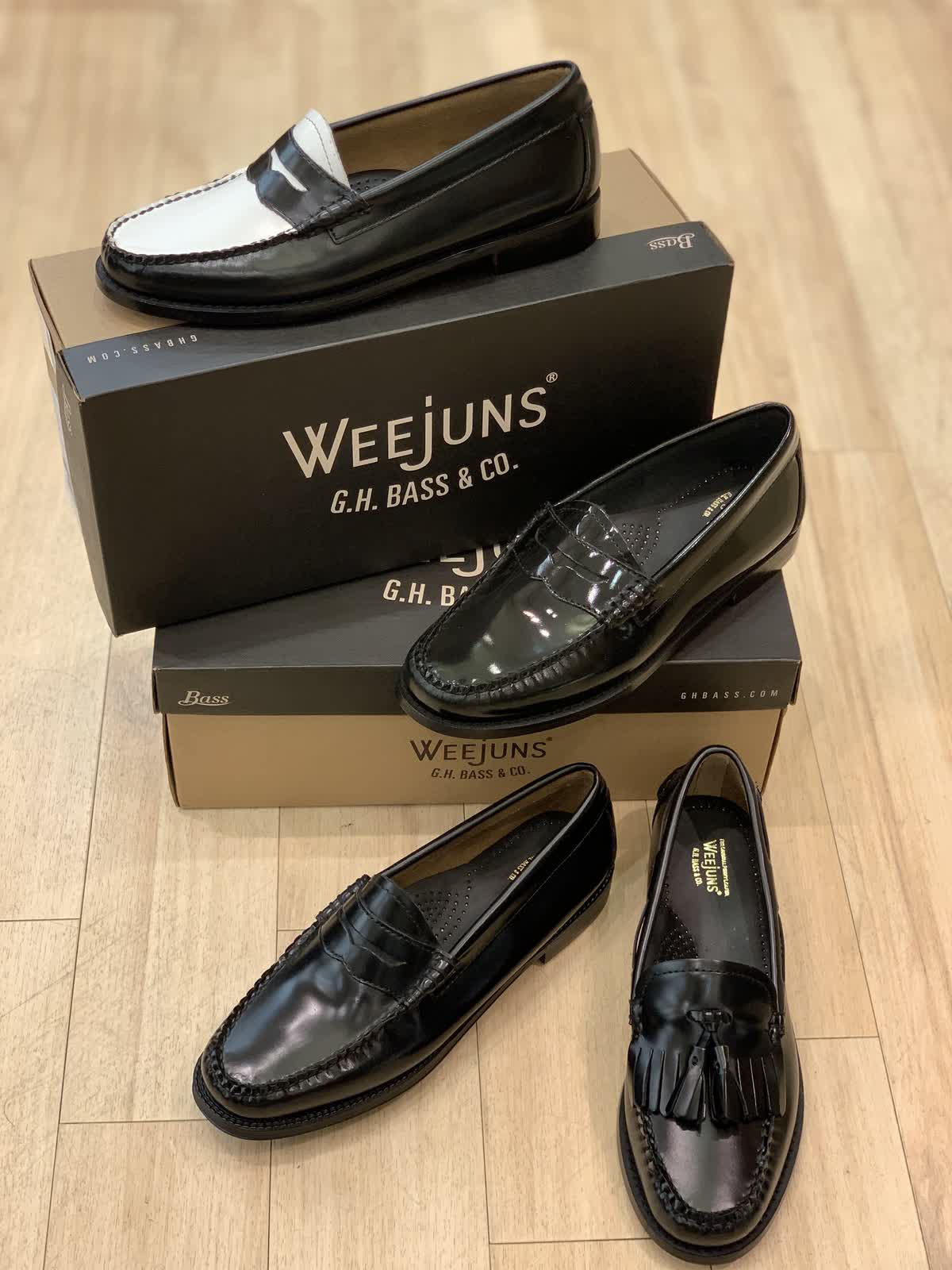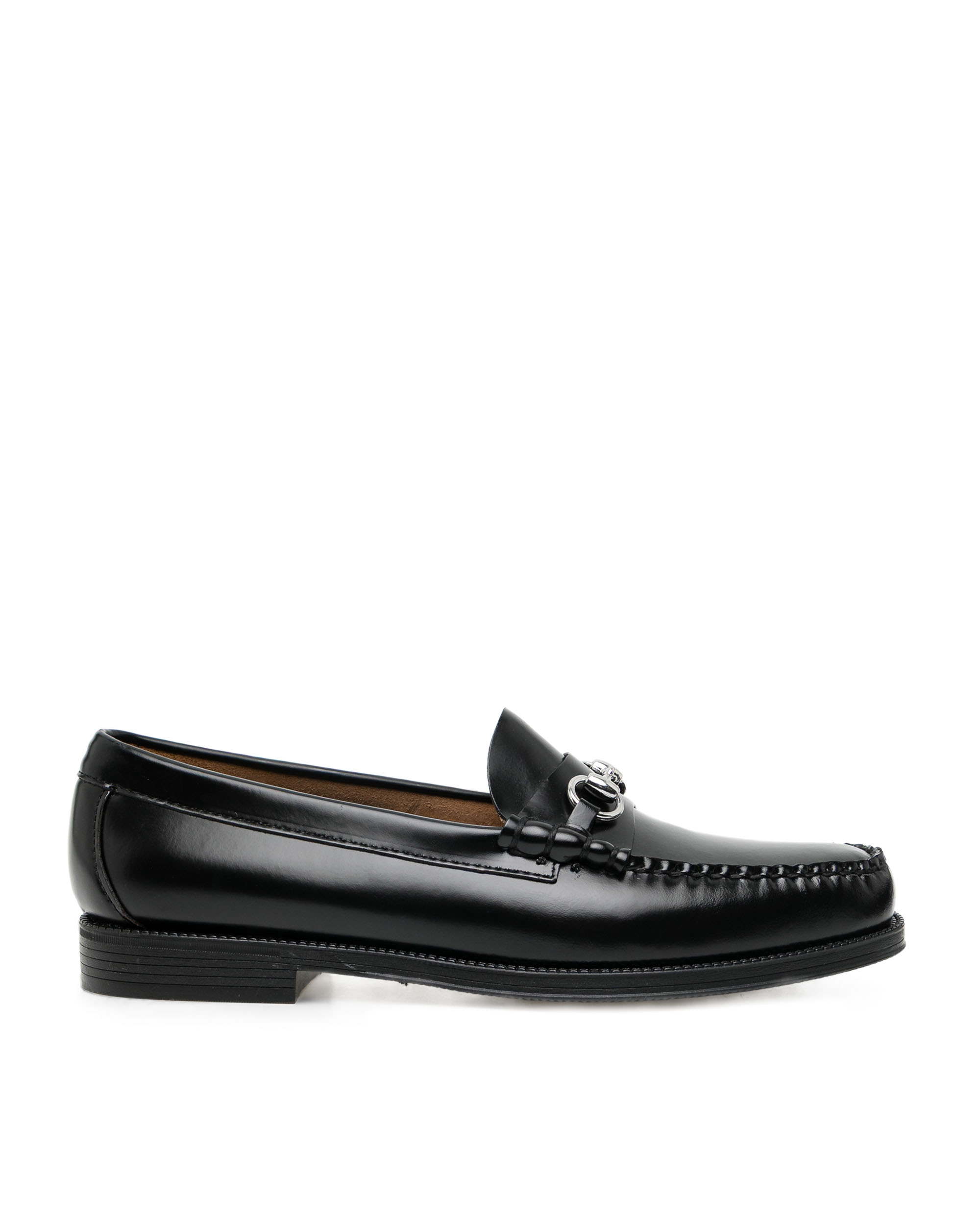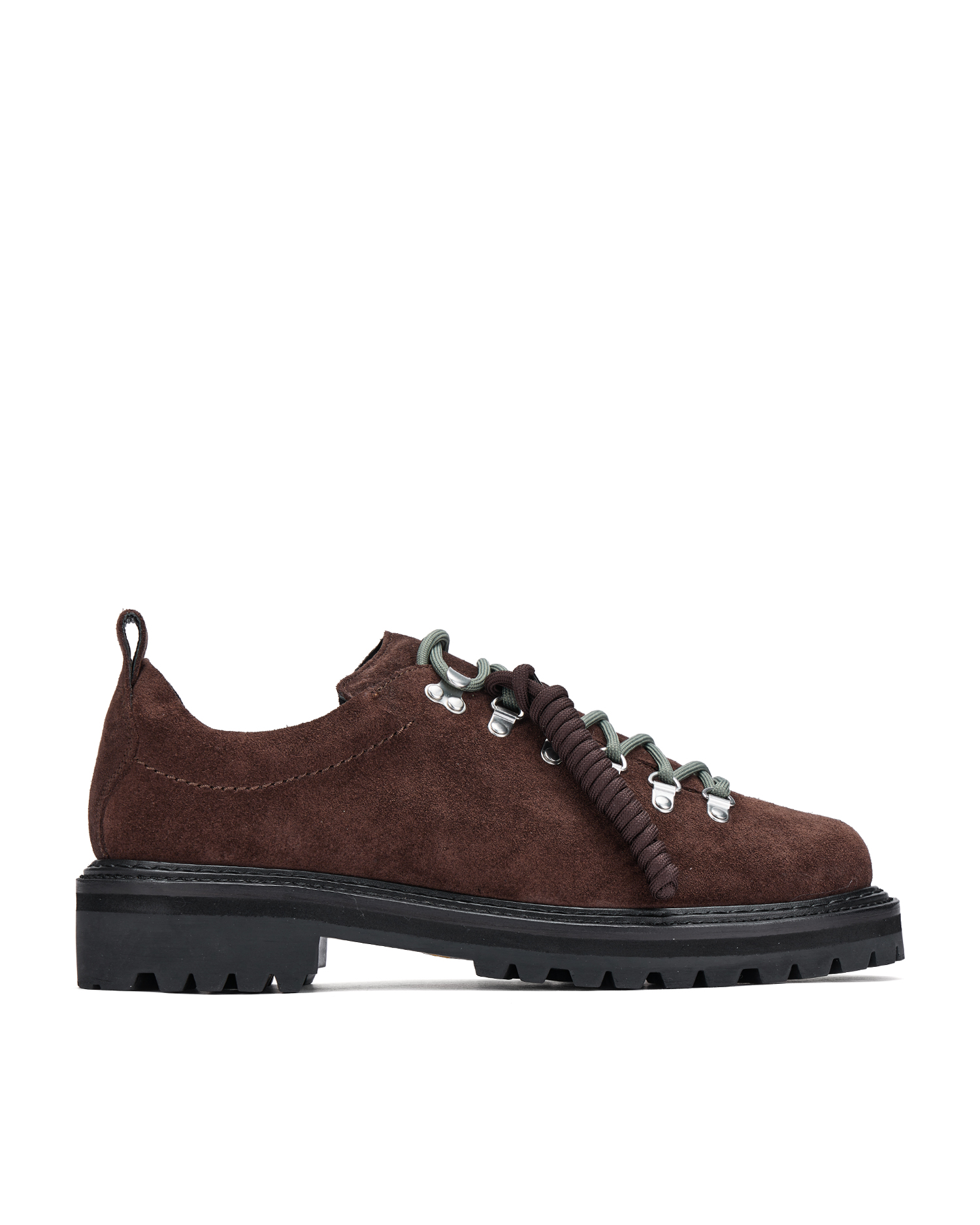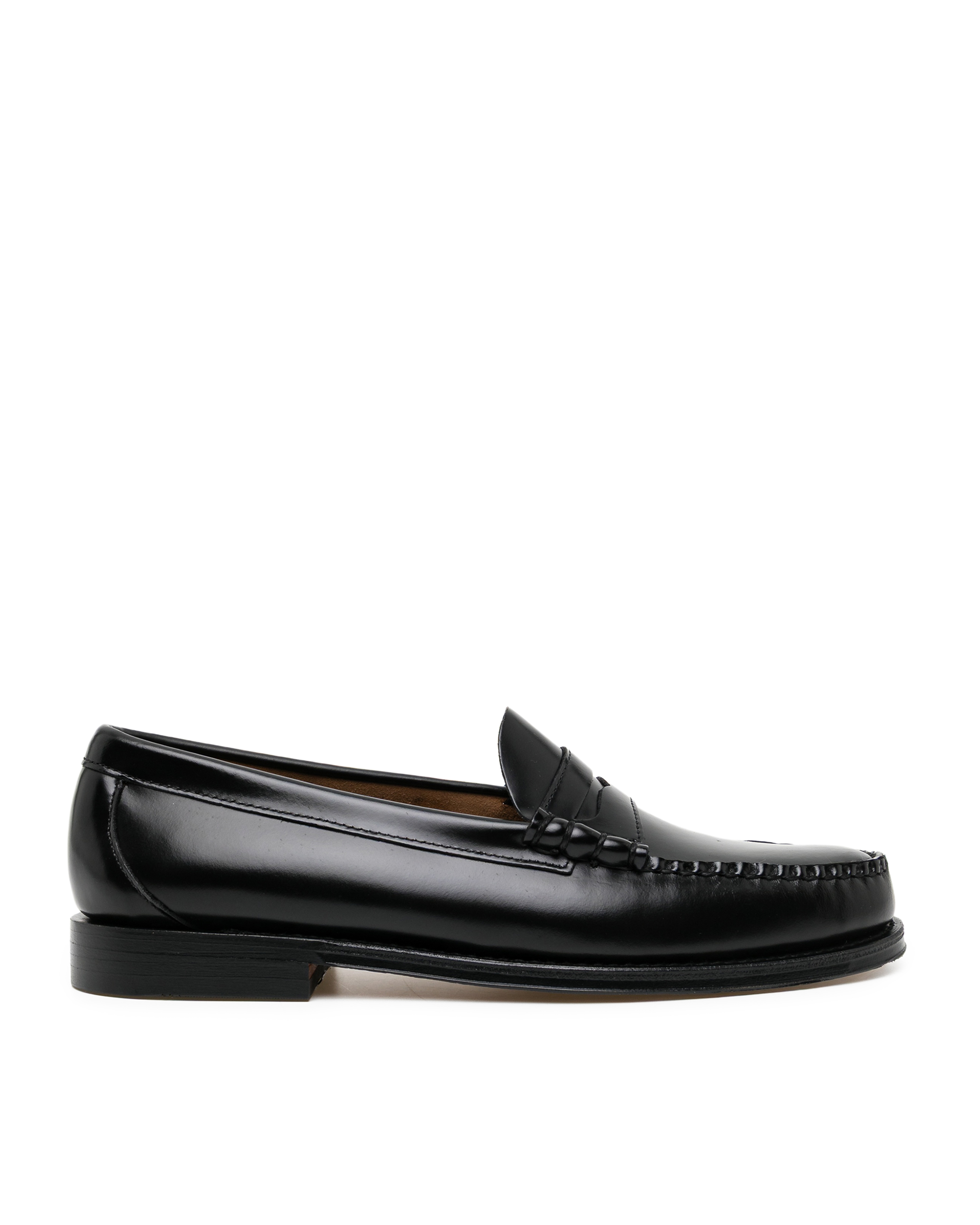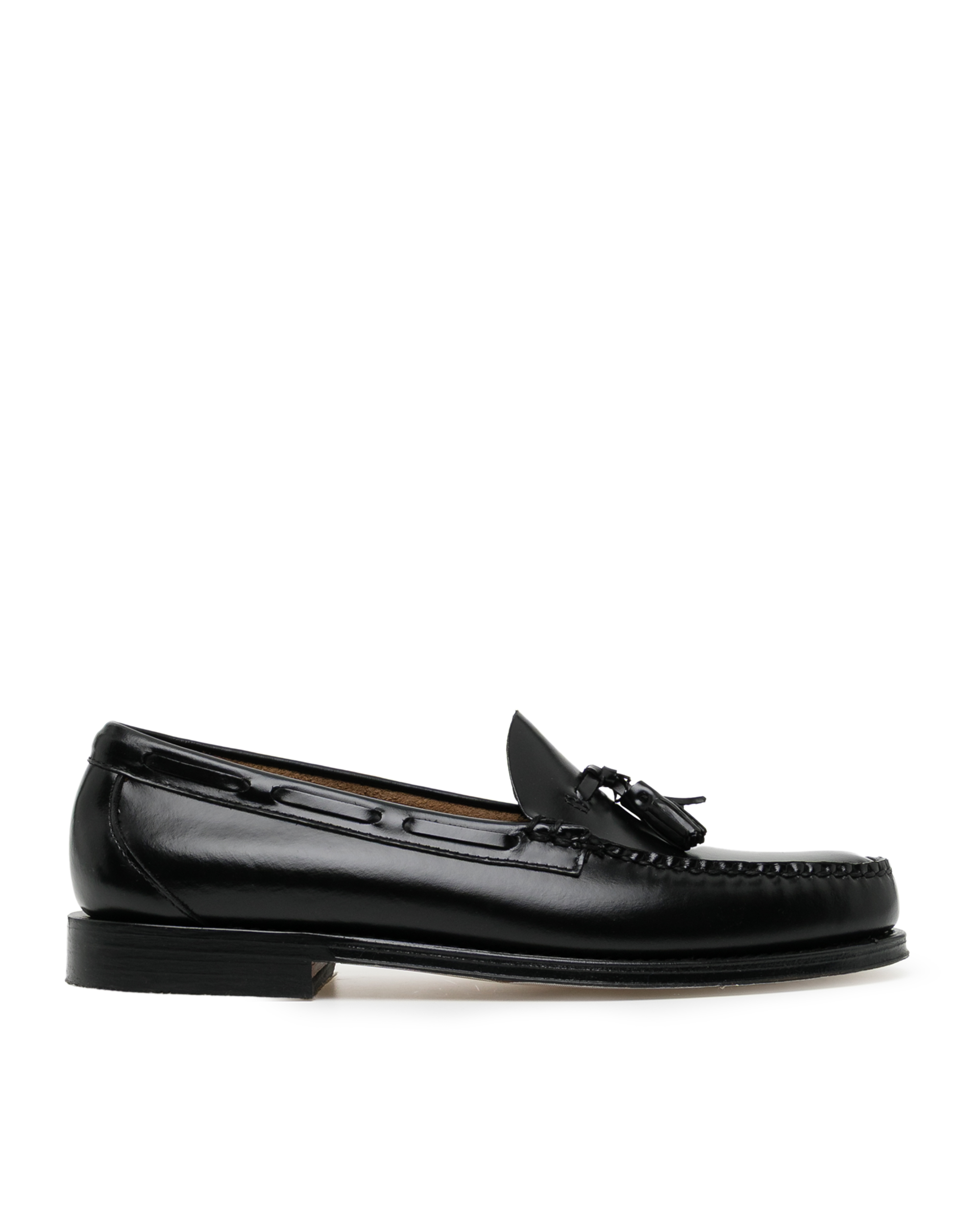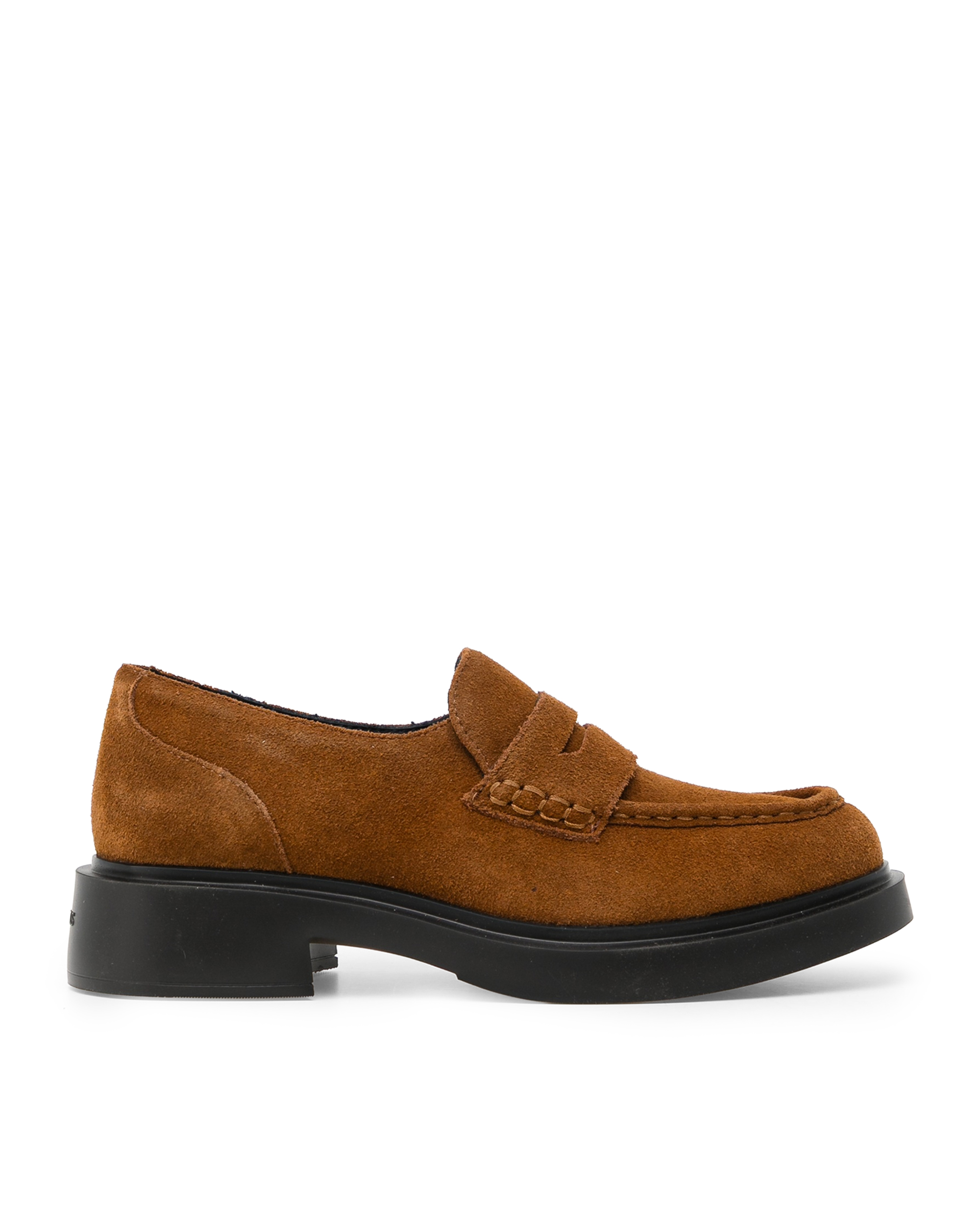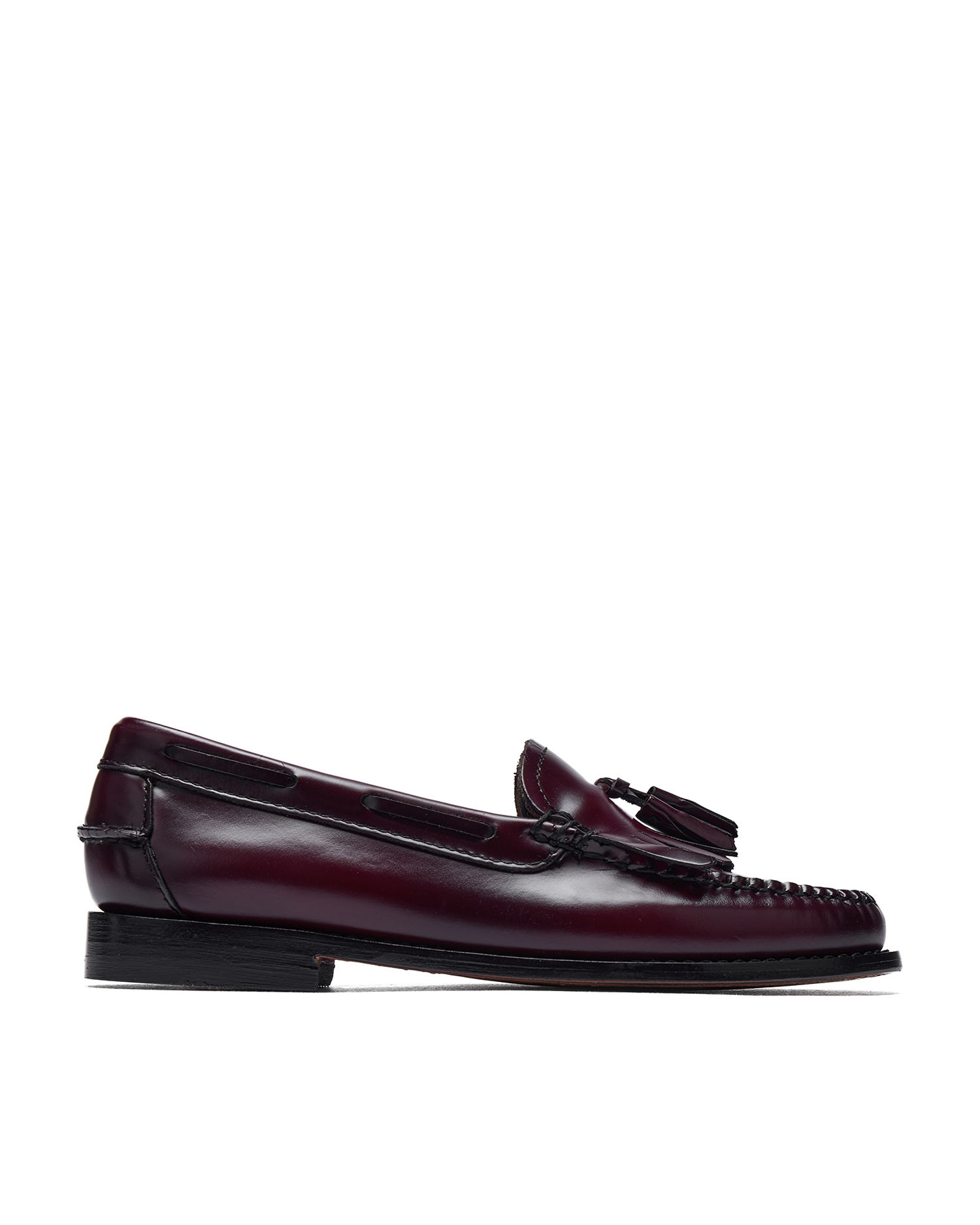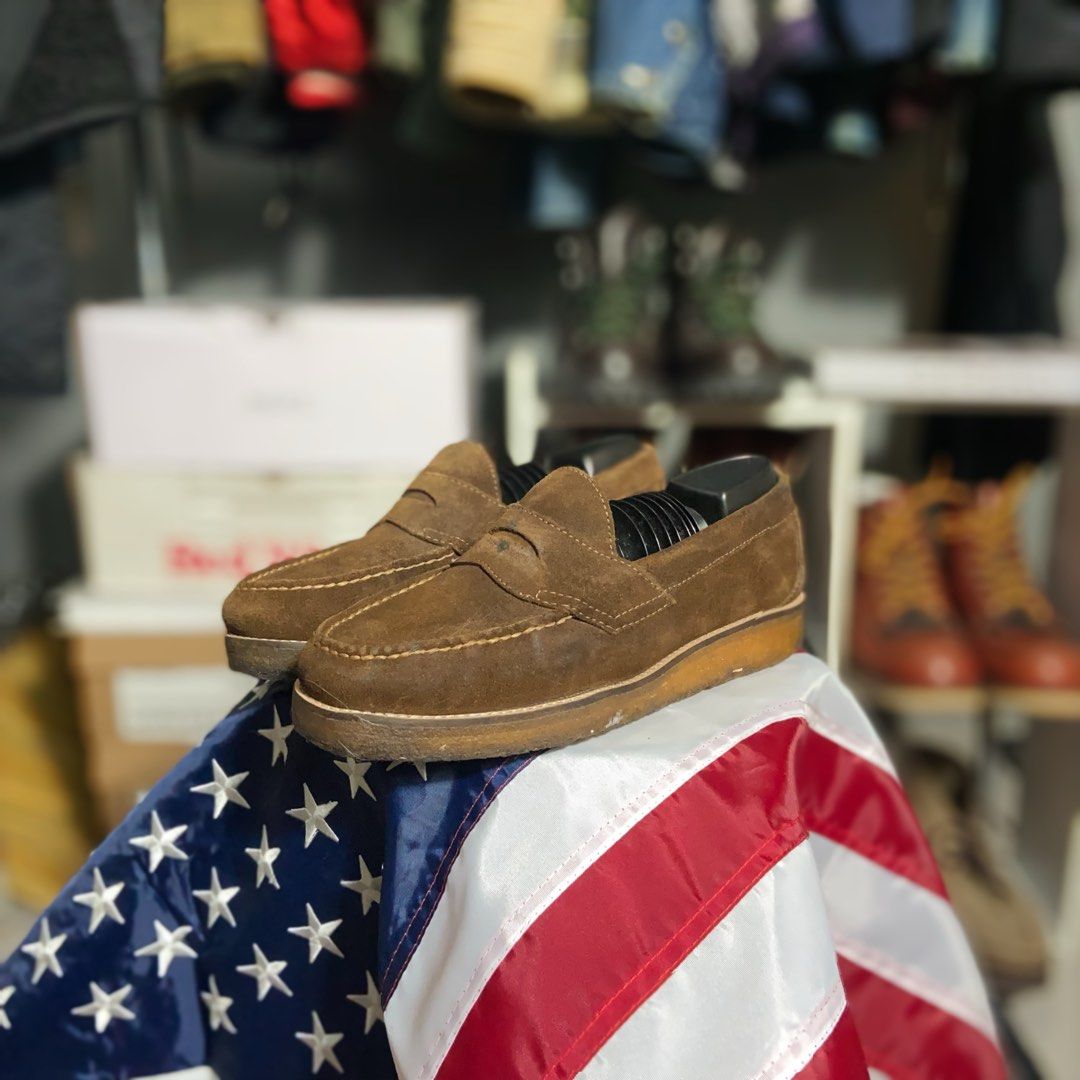
Some collaborations feel like marketing math. This one feels like destiny. The Clarks x G.H. Bass Wallabee Weejuns 150th Anniversary Loafer takes two heritage silhouettes — each with its own devoted congregation — and welds them together at the exact moment loafer culture is enjoying its most fervent revival in decades.
The result, unveiled in a collaboration that has set the menswear and footwear press alight, could easily have been a gimmick. Instead, it reads as something closer to a thesis statement about where classic American and British shoemaking now stands.
Two Icons, One Silhouette
The design logic is deceptively simple. Take the Wallabee's unmistakable moccasin-stitched vamp, its softly structured upper, and its crepe-soled foundation — a shoe that has spent half a century oscillating between counterculture uniform and mainstream staple. Then graft onto it the Weejuns' defining grammar: the penny loafer strap, the low-slung profile, the easy slip-on architecture that has made Bass's most famous shoe the default entry point into smart-casual footwear since 1936.
What emerges is a loafer with the Wallabee's generous, rounded toe box and tactile suede or leather upper, sitting atop that signature natural crepe sole, finished with the Weejuns' characteristic strap across the instep. It is, in effect, two comfort-first icons shaking hands.
Where Craft Meets Craft
Materials matter enormously here, and the collaboration honors both houses. Bass brings its long-standing expertise in supple leathers and the kind of unlined construction that lets a loafer mold to the foot within a week. Clarks contributes its crepe sole heritage — a material the brand has used since the 1950s, prized for its cushioning and its distinctive honey tone that patinas beautifully with wear. The stitching follows genuine moccasin construction, a technique that dates to Bass's earliest days and remains a marker of quality that mass-market competitors rarely bother with.
A Shared History, Finally Converged
The cultural context is difficult to overstate. Bass turns 150 this year, an anniversary that has prompted Esquire to trace five moments that shaped the brand and nssmag to celebrate 90 years of the Weejuns specifically. The Weejuns loafer — named for the Norwegian farmers whose slip-on footwear inspired it — became the shoe of Ivy League campuses, then of mod subculture, then of every revivalist movement that followed. Clarks's Wallabee traveled a parallel path through reggae, Britpop, and streetwear.
That these two shoes now share a single silhouette is a neat encapsulation of how heritage footwear has become the lingua franca of contemporary style, worn by Heidi Klum with two wildly different looks and championed by GQ as the ultimate footwear flex.
Who It's For
It is for the person who owns a pair of Weejuns and wonders why they can't have a crepe sole. It is for the Wallabee loyalist who has always wanted something slightly more polished. It is for anyone who understands that the current loafer renaissance — documented exhaustively by WWD, Highsnobiety, and New York Magazine alike — is not a passing trend but a return to a genuinely comfortable, genuinely versatile form.
Under Jonathan Frankel's stewardship, G.H. Bass has been carefully bringing its archives into conversation with the present, and this collaboration with Clarks Originals is the most convincing argument yet that the strategy is working.
Why it matters now is straightforward. Formalwear is loosening, and the loafer sits precisely at that inflection point. The Clarks x G.H. Bass Wallabee Weejuns Loafer doesn't ask you to choose between polish and ease, between British heritage and American utility. It simply refuses the premise that you should have to. For a 150th anniversary, that is a remarkably forward-looking statement — one stitched in crepe and leather, and built to be worn for the next century, not just celebrated for the last one.