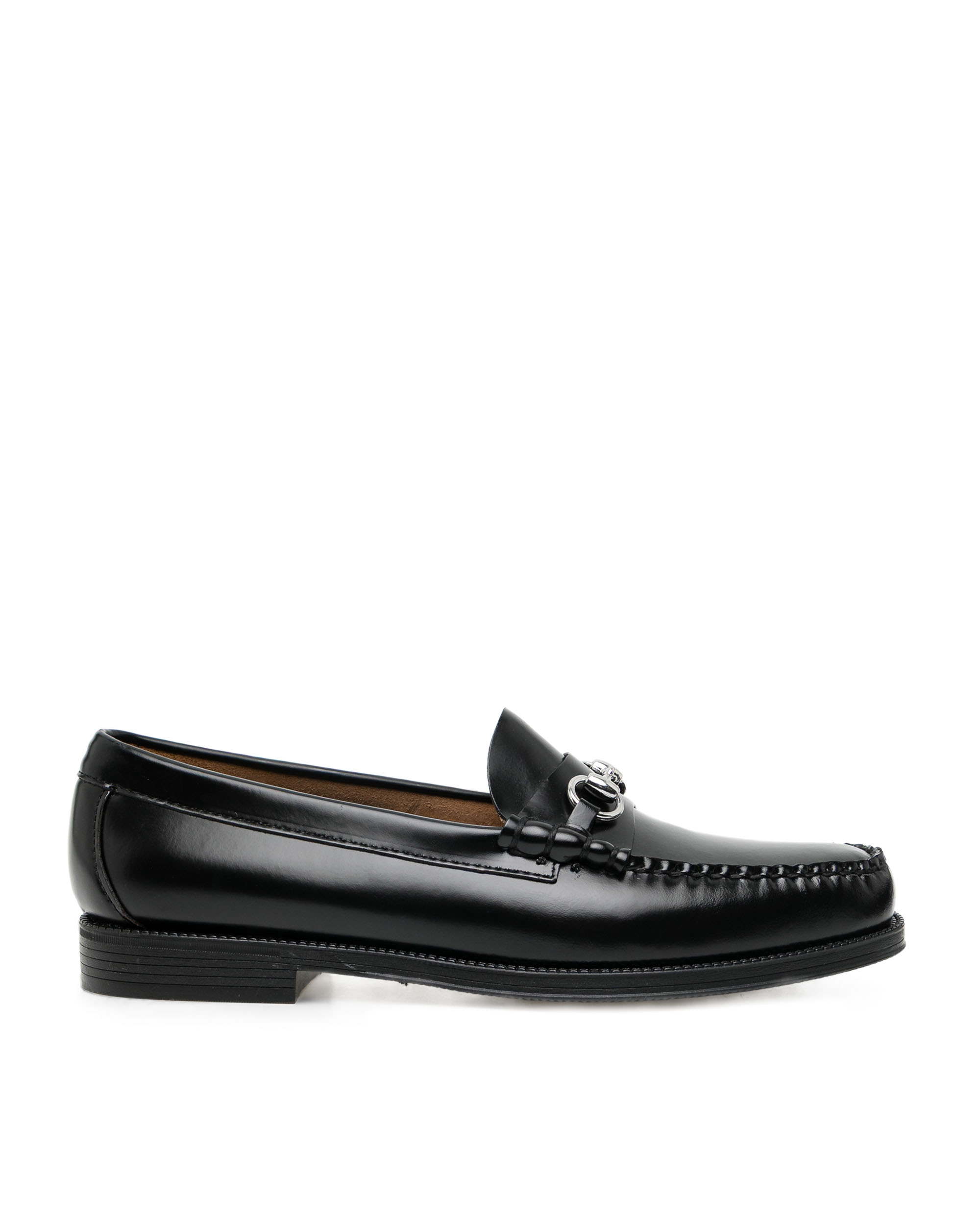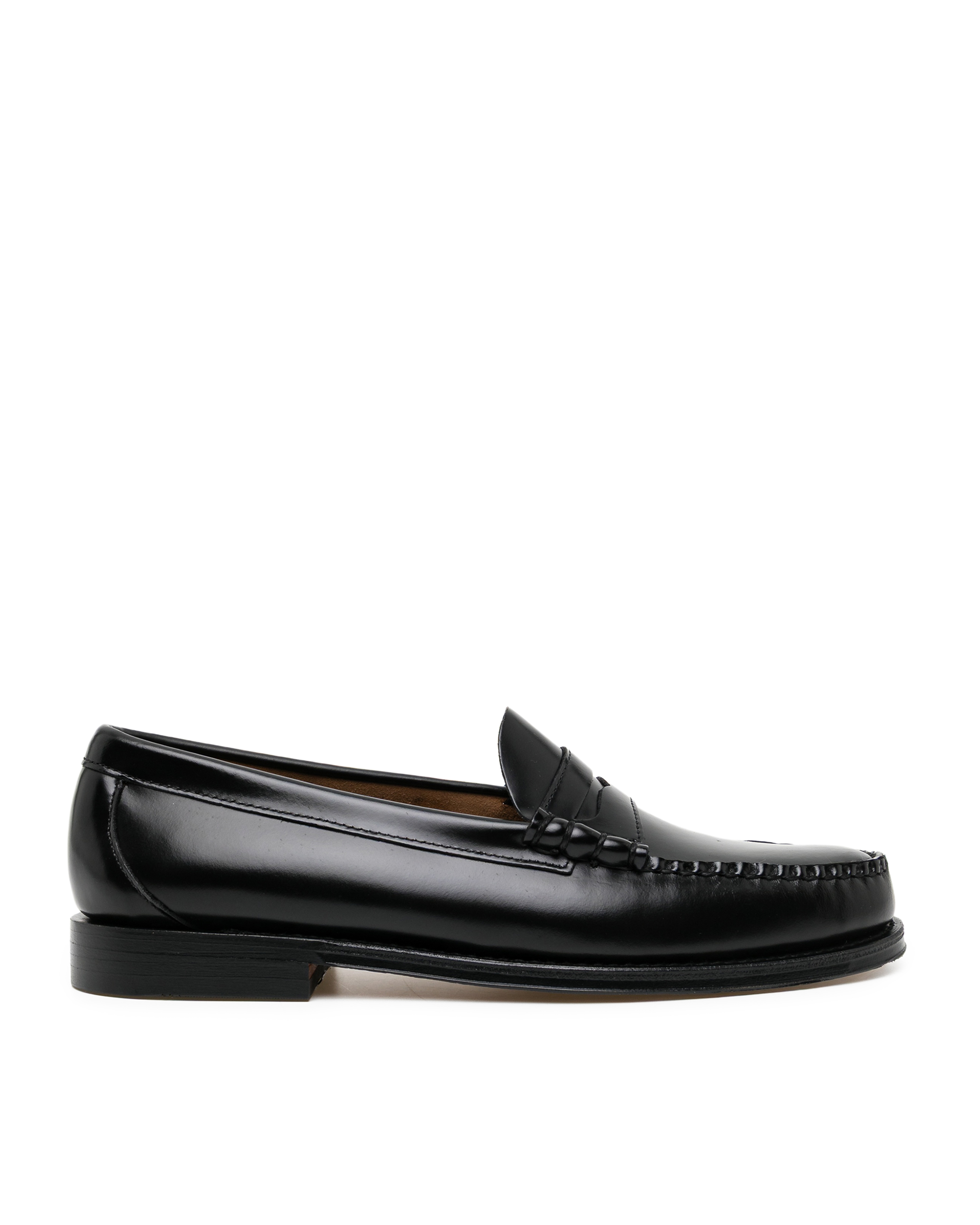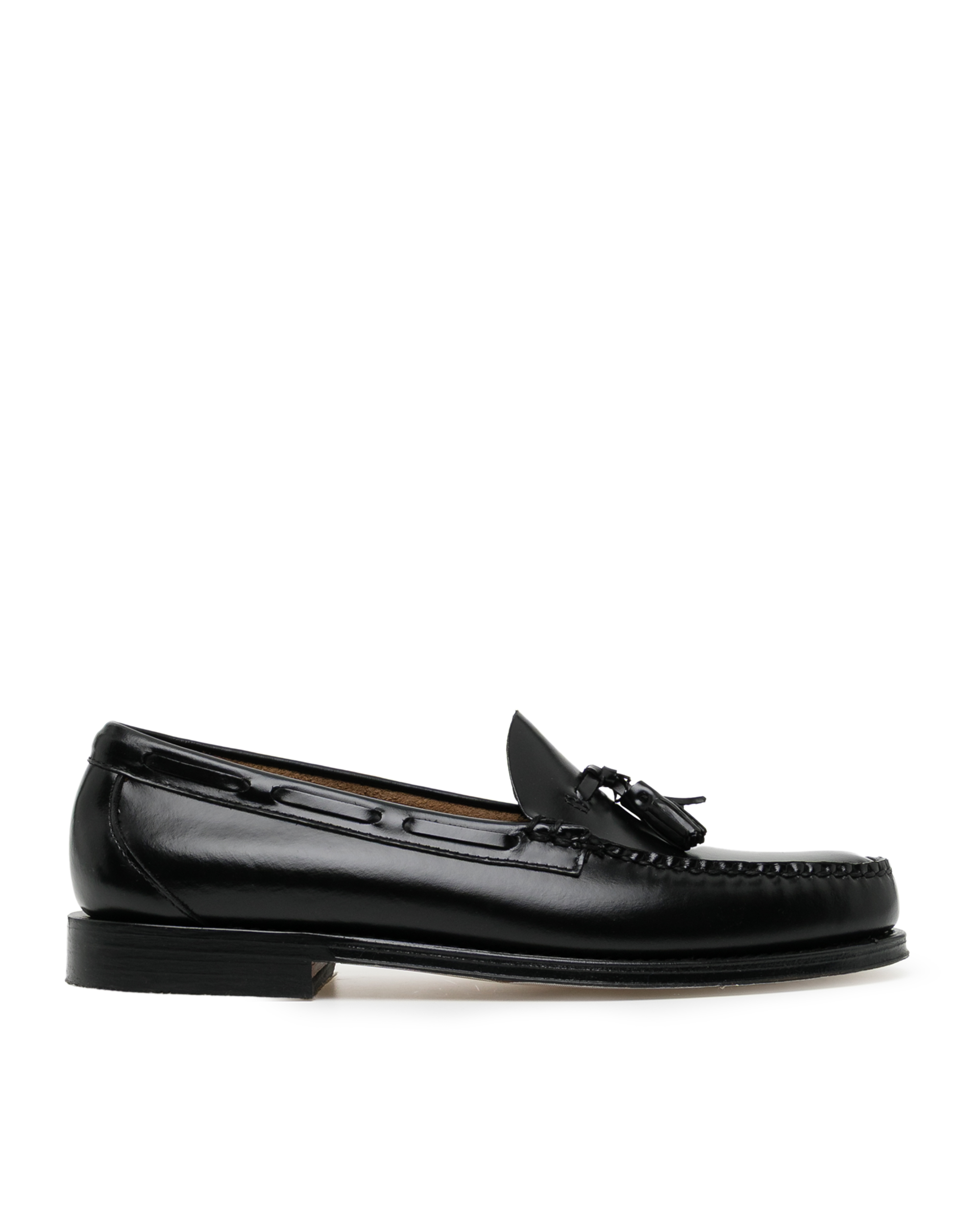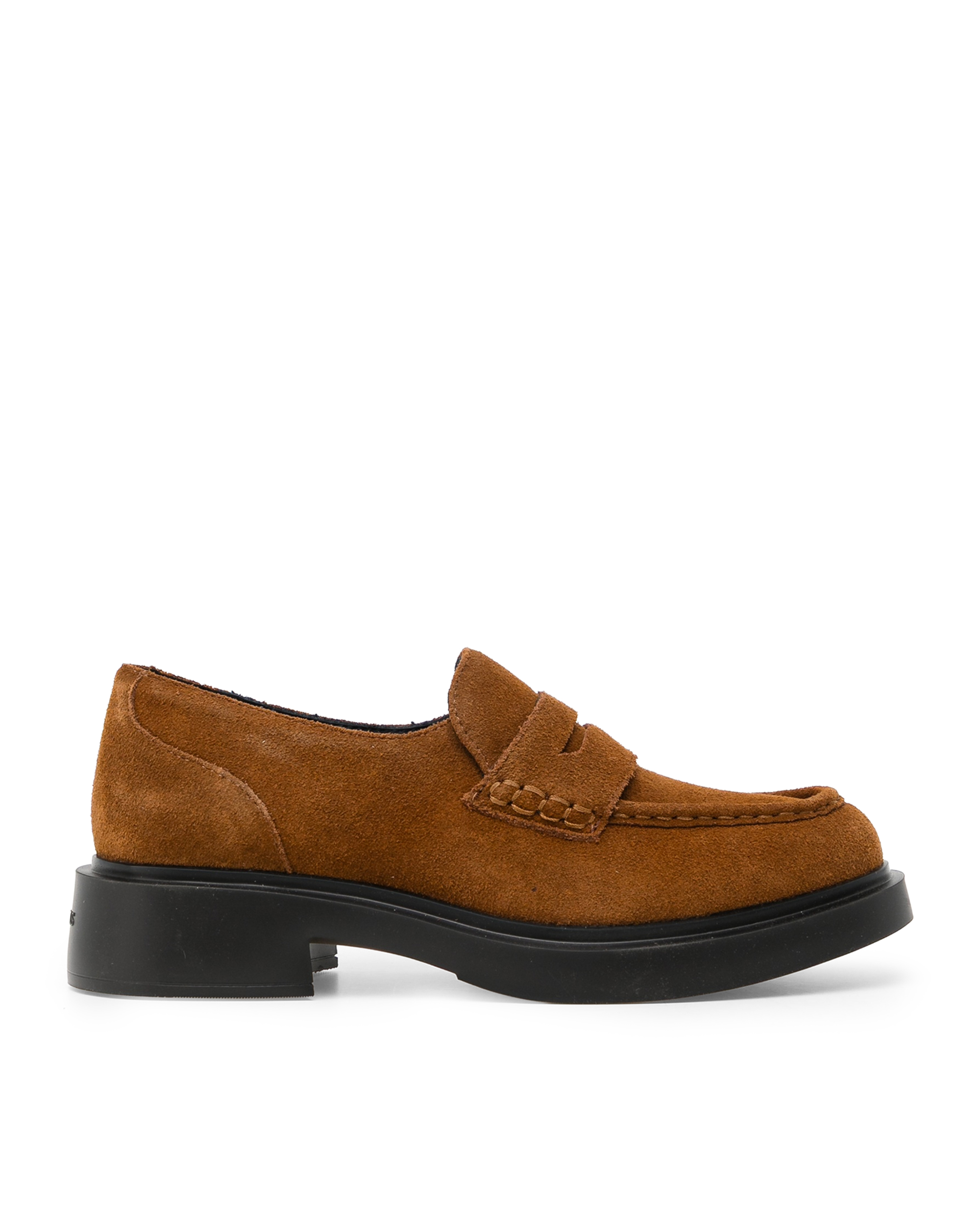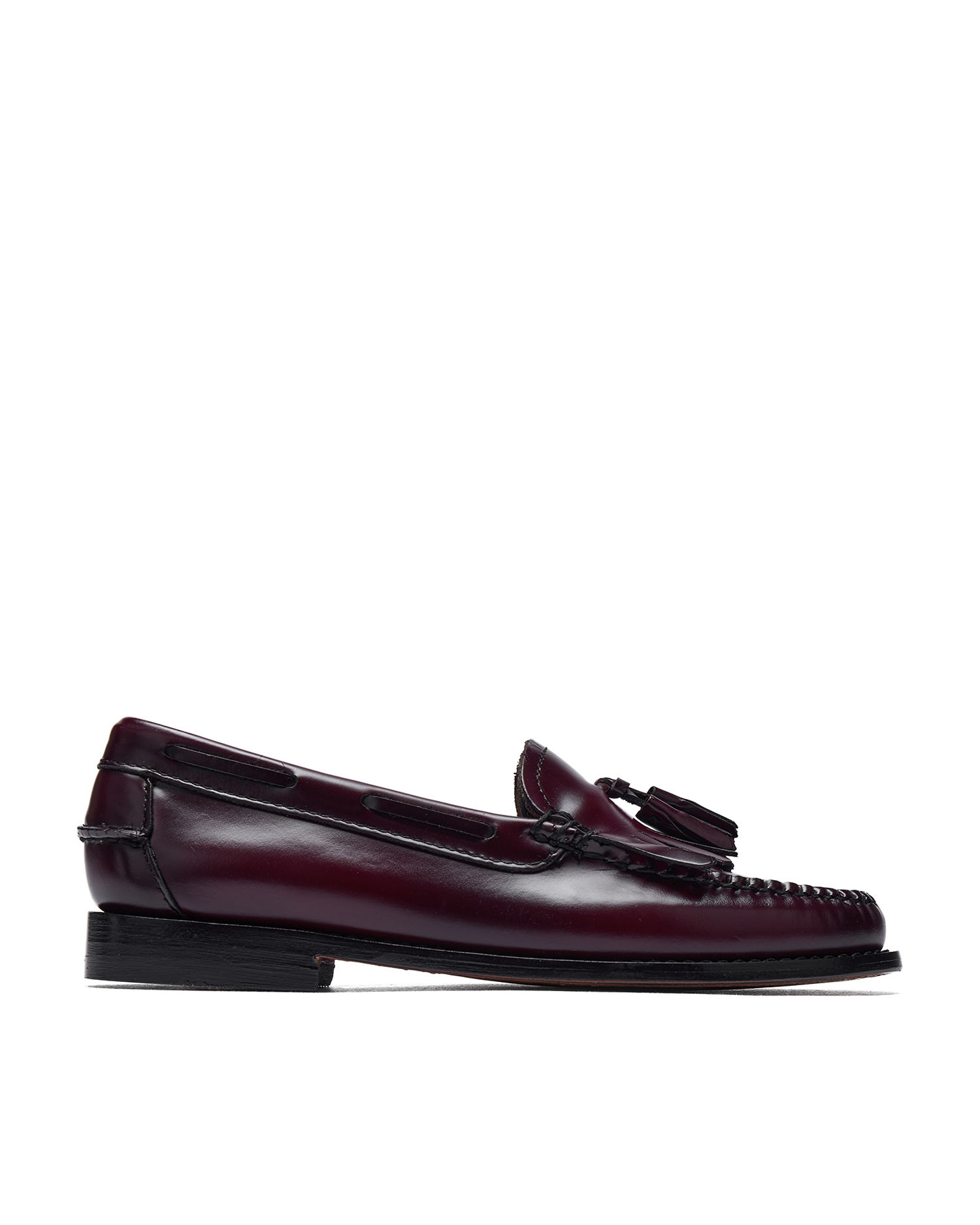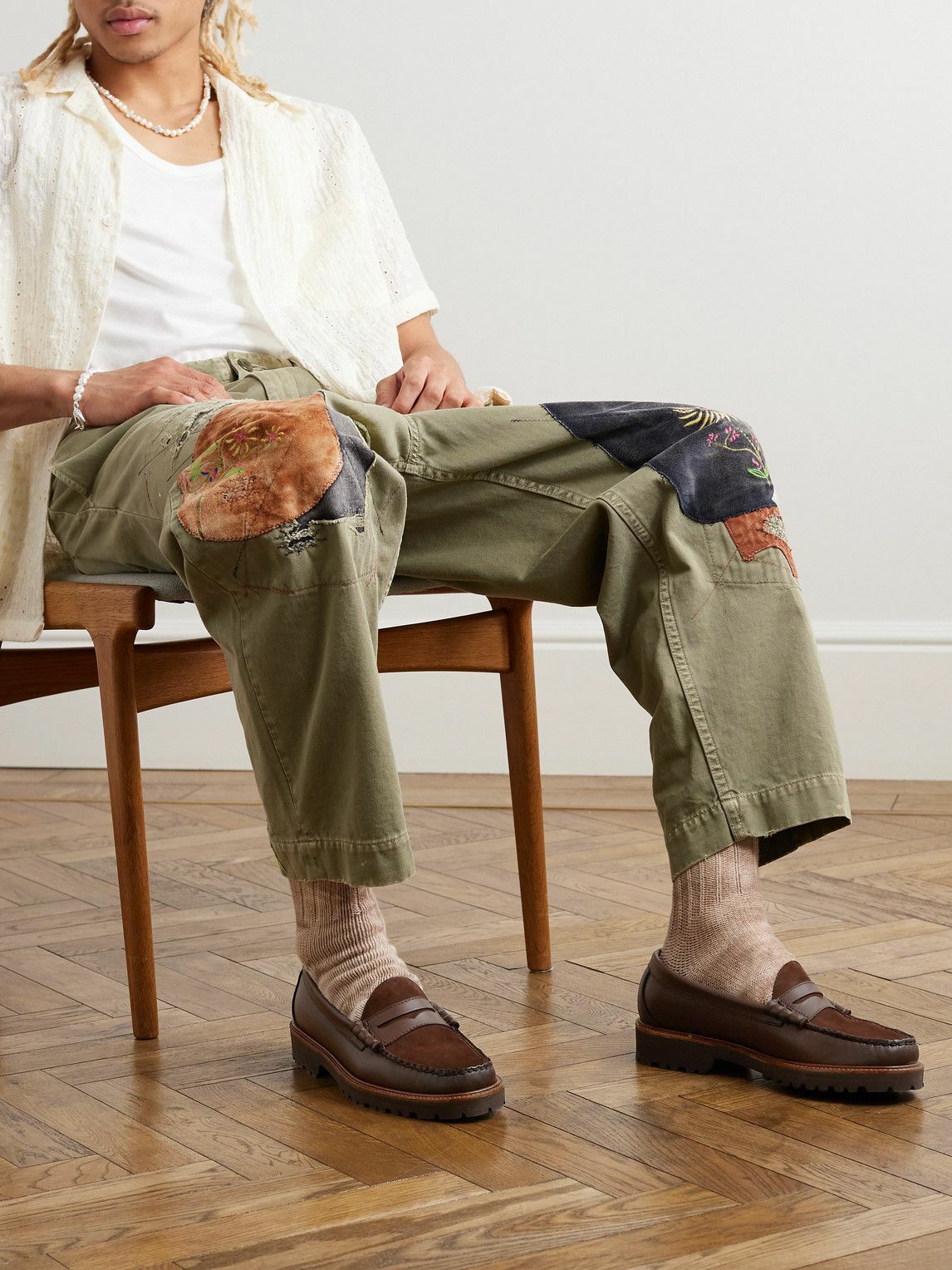
Some shoes are designed to be noticed. This one is designed to be studied. The G.H. Bass x DSM Kei Ninomiya Weejuns Loafer lands at a genuinely curious cultural crossroads — and it's the kind of collision that makes the fashion world sit up.
On one side: G.H. Bass, the American shoemaker founded in 1876 by George Henry Bass, whose Weejuns — introduced in 1936 and named for Norwegian farmers who wore slip-on moccasins — effectively invented the penny loafer category. On the other: Kei Ninomiya, the Comme des Garçons protégé whose eponymous label has built a reputation for sculptural, almost architectural garment-making, stocked at Dover Street Market and worn by those who treat clothing as a form of intellectual inquiry. That these two sensibilities have converged on a single shoe isn't just a novelty collaboration. It's a statement about where the loafer sits in the contemporary wardrobe.
The Design: Restraint as Subversion
Ninomiya has taken the Weejuns silhouette — the rounded toe, the hand-stitched moccasin construction, the signature slotted leather strap across the vamp — and stripped it of its preppy associations. The palette is almost exclusively black, the leather rendered with a matte or subtly grained finish that absorbs light rather than reflecting it. That classic penny keeper, the small functional detail originally intended to hold a coin, is either removed or reimagined, leaving a cleaner, more severe line. The sole, often a point of departure in designer remixes, may be heightened or flattened depending on the iteration, but the overall effect is of a shoe reduced to its essential geometry. Where the standard Weejun signals Ivy League ease, this version signals something closer to discipline.
A Canvas, Not a Relic
This isn't the first time G.H. Bass has opened its archives to outside hands. The brand's 150th anniversary has prompted a series of collaborations — with Clarks Originals, with Karl Lagerfeld, with Metalwood Studio — that position the Weejun as a canvas rather than a relic. But the Ninomiya partnership is distinct in its refusal of nostalgia. Lagerfeld's take, for instance, minted a literal coin for the penny keeper, a playful nod to the shoe's history.
Ninomiya's approach is colder, more conceptual. He isn't interested in the loafer as a memory object; he's interested in it as a form. The result reads as avant-garde without becoming unwearable — a rare balance in the designer-collab landscape, where conceptual ambition often comes at the expense of daily utility.
The Cultural Timing Is Sharp
The loafer has spent the past several seasons migrating from the office to the street, from the prep wardrobe to the fashion wardrobe. Highsnobiety has framed the Weejun-versus-Sebago debate as a quintessential loafer-lover's question. GQ continues to treat the horsebit loafer as a footwear flex. Cosmopolitan calls leather loafers autumn's most versatile shoe. Meanwhile, WWD has documented how the Bass Weejun is "leading the new loafer era," and FashionNetwork has noted the broader trend of formalwear "taking a few liberties." The Ninomiya collaboration sits at the intersection of all these currents: a loafer, a designer object, and a piece of cultural commentary all at once.
Who Is This Shoe For?
It is not for the person who wants a single, safe pair of brown leather loafers to wear with chinos. It is for the person who already owns that pair — and wants something that operates in a different register. It suits the minimalist who has pared their wardrobe down to a few deliberate pieces and wants footwear that rewards a second look. It suits the fashion reader who understands that Dover Street Market is not a department store but a curated space, and that a shoe sold there carries a different set of associations than one sold in a mall. It suits anyone who has ever looked at a classic Weejun and thought: what if this were quieter, darker, stranger?
The G.H. Bass x DSM Kei Ninomiya Weejuns Loafer matters now because it demonstrates that heritage American footwear can be reimagined without being sentimentalized. It's a reminder that the penny loafer isn't a fixed artifact but a living form, capable of absorbing new ideas while retaining its essential identity. And in a market saturated with collaborations that amount to little more than logo swaps, it stands out as a genuine meeting of two design languages — one rooted in Massachusetts shoemaking, the other in Tokyo conceptualism — that somehow speak the same quiet, uncompromising language.