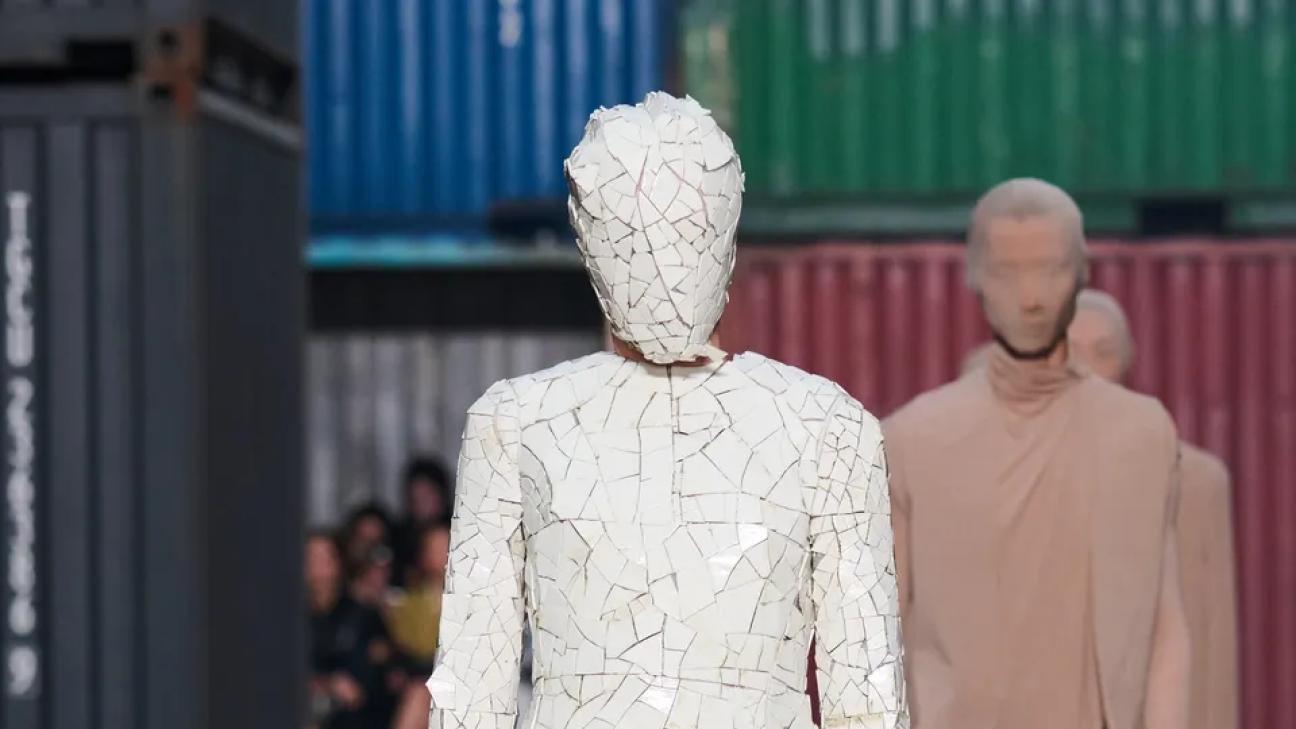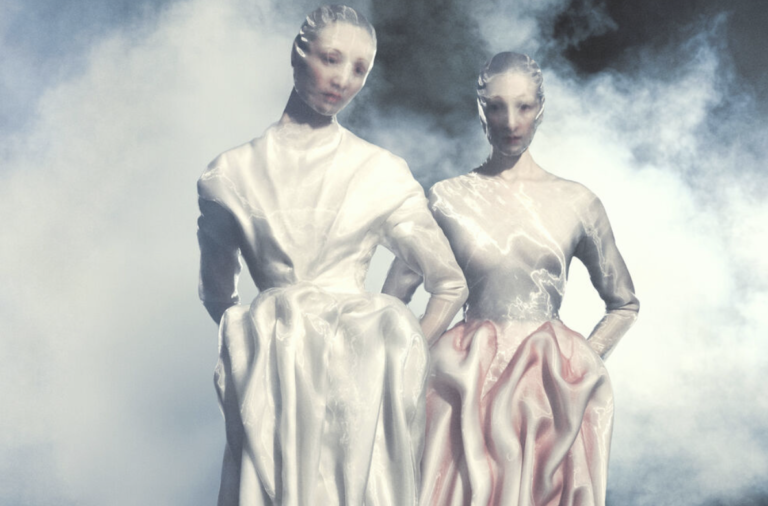
Maison Margiela has never been a house that shows you everything. For Fall/Winter 2026, it has gone further than usual: rather than a conventional lookbook, the brand has released a short psychological thriller titled “ANONYMITY,” starring Rebecca Hall as a woman confronted by her own double. Directed with cinematic restraint and rolled out as a serialized trailer instead of a static image suite, the project takes the house’s founding obsession — the blank label, the masked face, the erased identity — and turns it into narrative suspense. It’s a campaign that behaves like a film, and a collection that behaves like evidence.
The premise is deceptively simple, and deeply Margiela. Hall, an actress long drawn to roles of fractured interiority, encounters a replica of herself: same coat, same posture, same unknowable expression. Which figure is authentic and which is the copy is never resolved — and that ambiguity is precisely the point.
Anonymity as the House’s Original Thesis
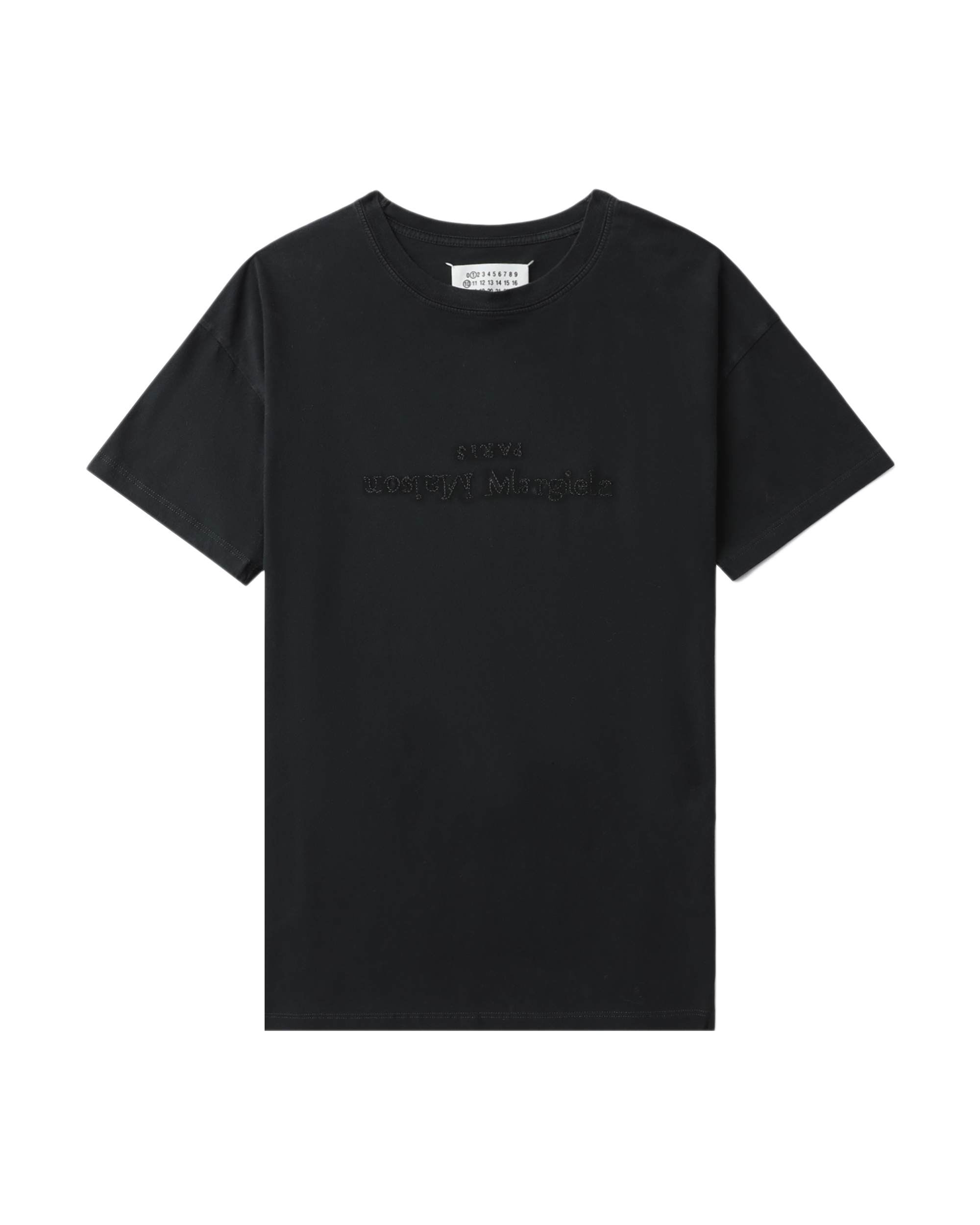
Since Martin Margiela founded the house in 1988, anonymity has been its central proposition: the designer who never took a bow, the white label with four invisible stitches, the garments that disguise rather than display the wearer. “ANONYMITY” doesn’t merely reference that history — it dramatizes it, pushing the house’s signature erasure into the register of doppelgängers and psychological dread. The campaign asks a question the brand has always implied: if you remove the face, the name, the identifying mark, who exactly remains?
It’s a question that lands harder in a moment when everyone is expected to be perpetually visible. Against the relentless self-documentation of contemporary fashion, Margiela’s refusal to be pinned down reads less like a gimmick and more like a position.
Coats That Swallow the Silhouette
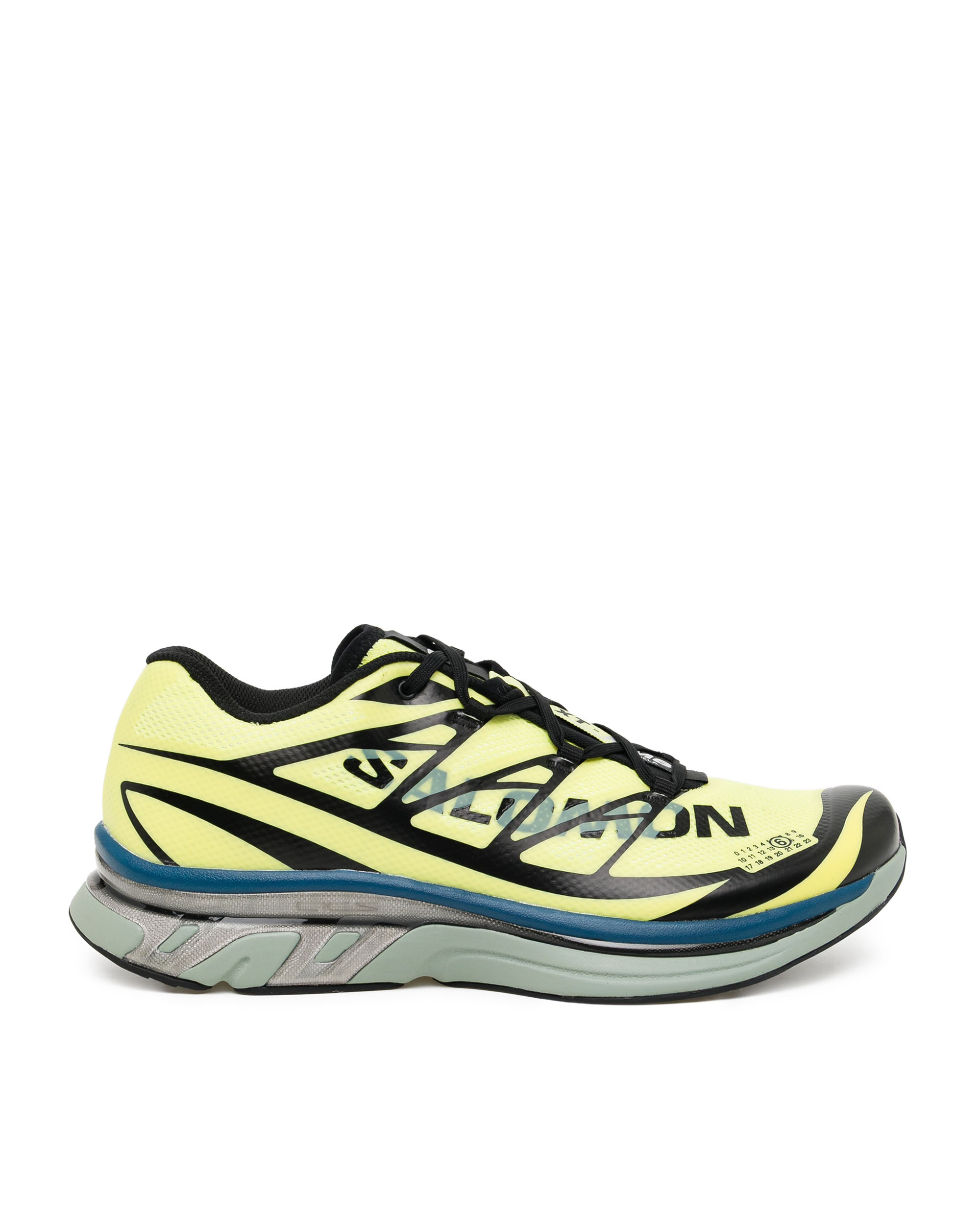
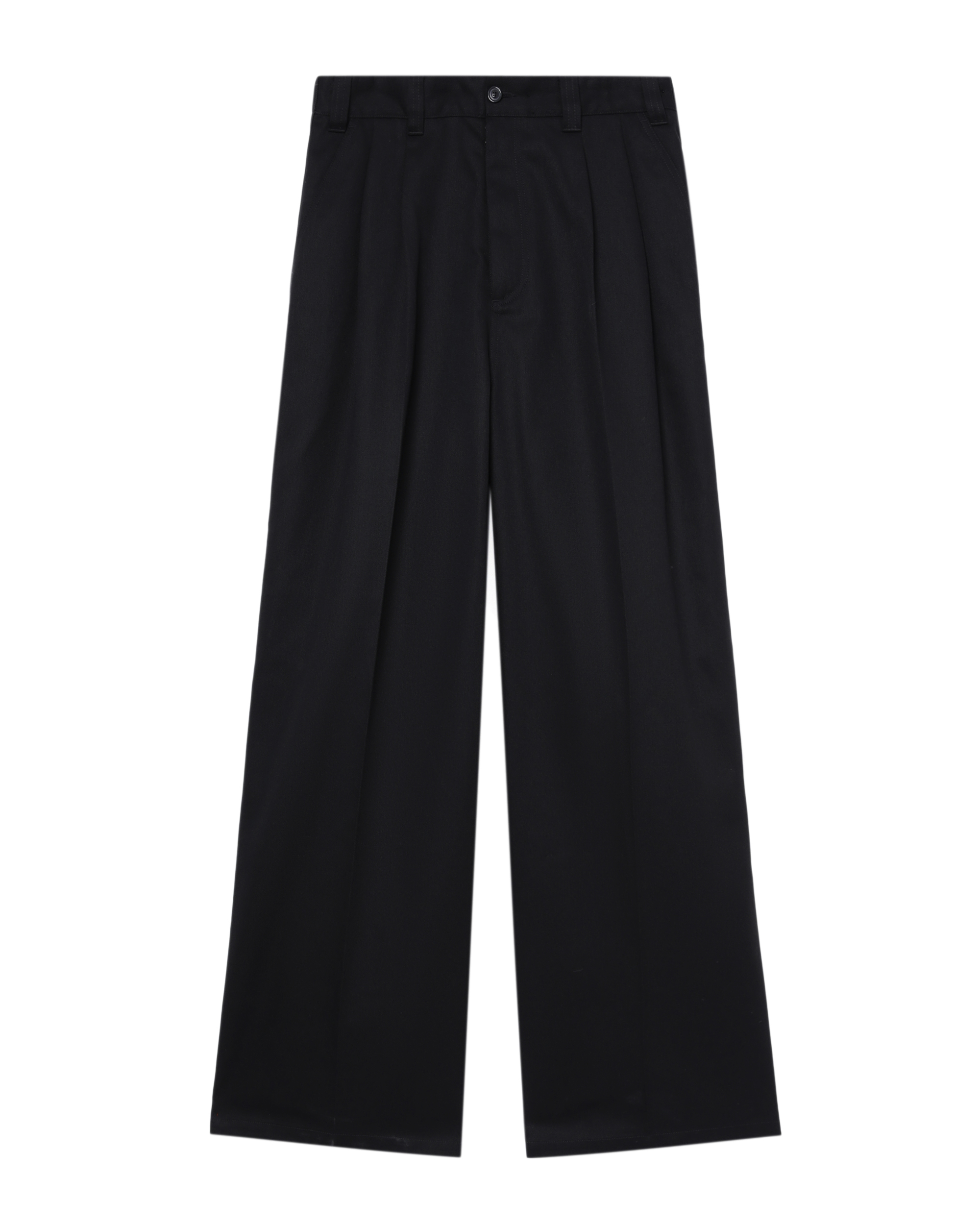
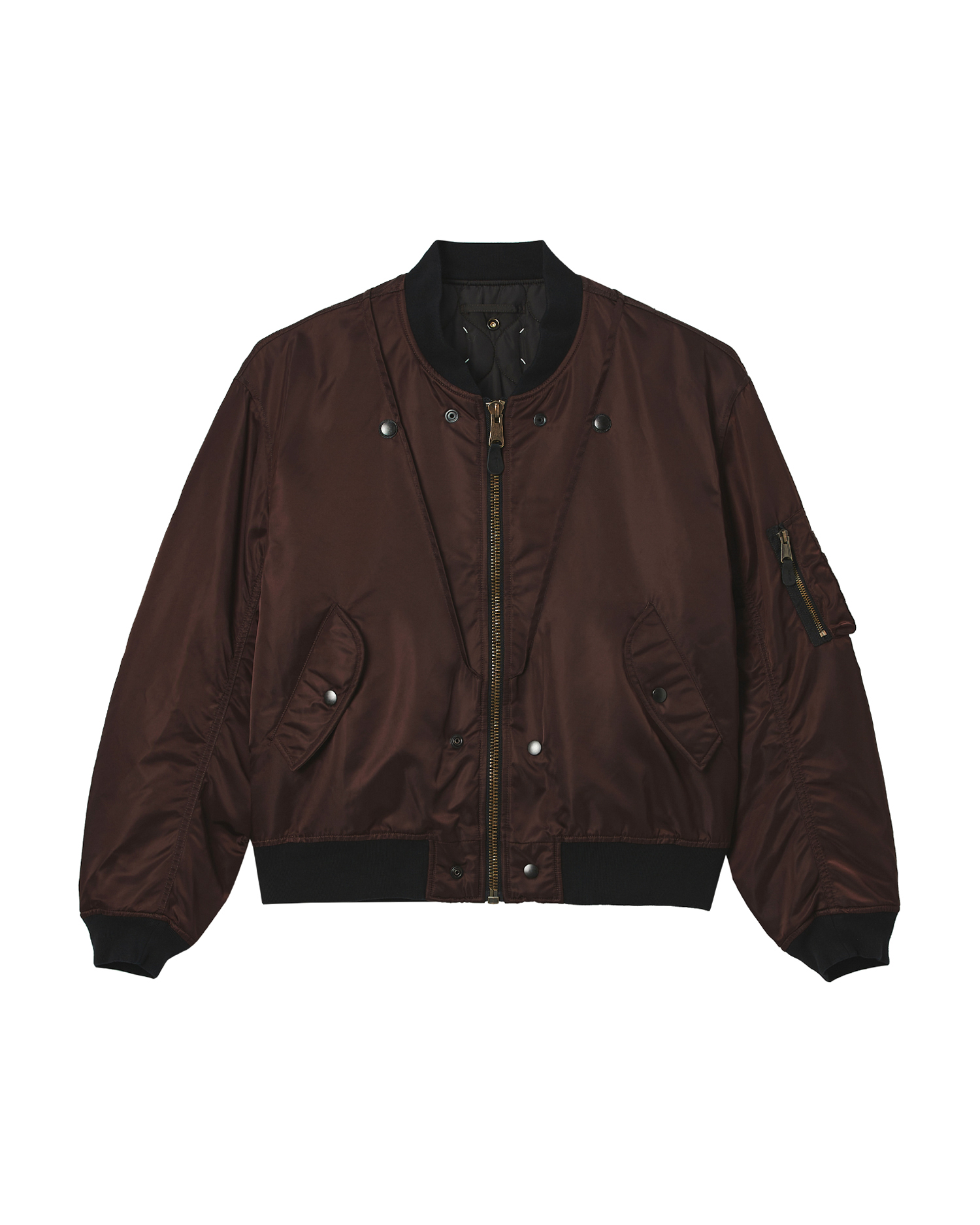
The garments carry the tension forward. Fall/Winter 2026 leans into structured outerwear with obscured proportions — coats that swallow the silhouette, shoulders that read as armor, collars that rise to meet the jaw. The fabrications are deliberately tactile and slightly unsettling: dense wool, bonded leather, and treated textiles that seem to absorb light rather than reflect it.
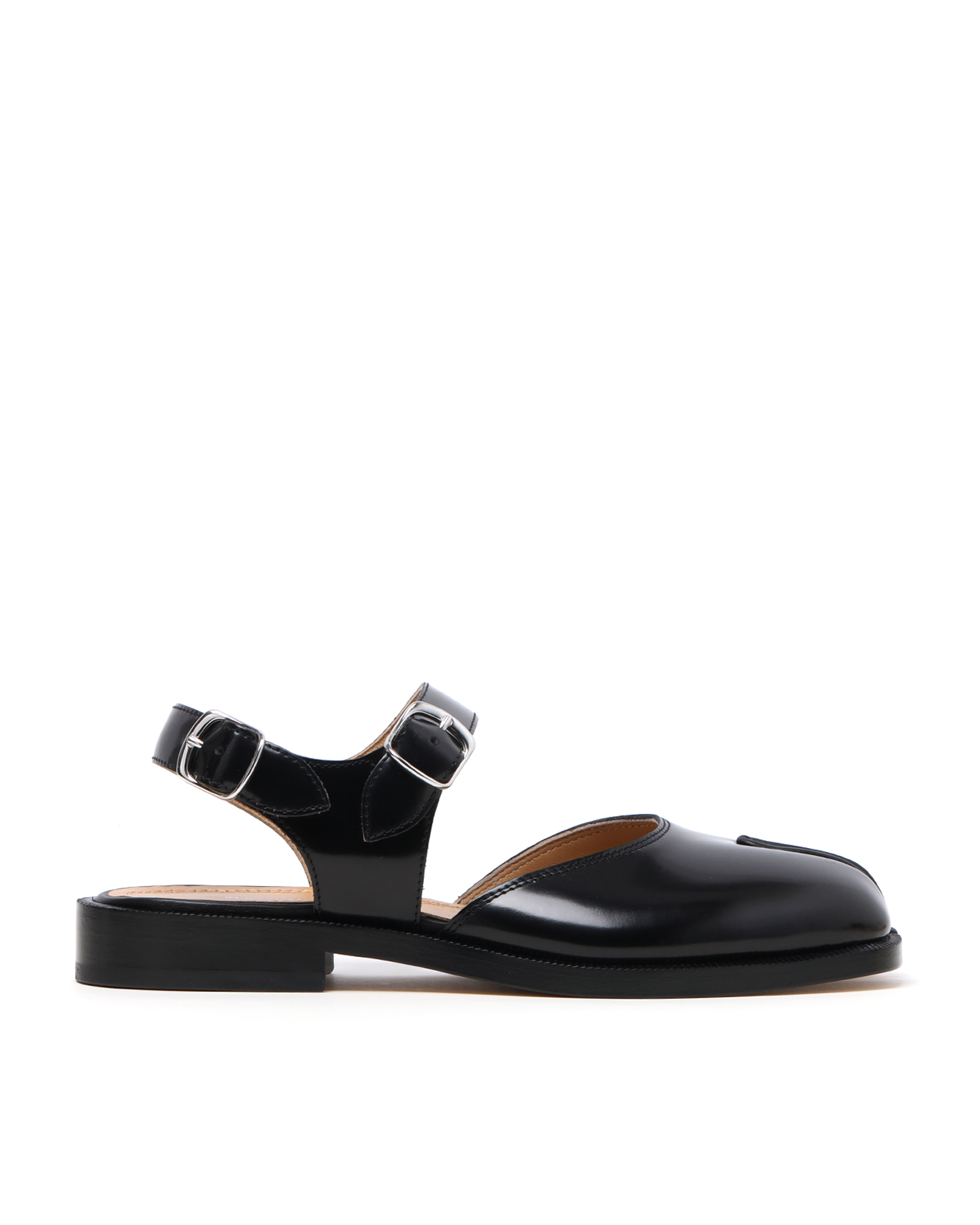
There are nods to the house’s archival language throughout, from the deconstructed tailoring to the recurring motif of the Tabi — the split-toe shoe that, as recent coverage has noted, has earned a genuine cult status. Here the Tabi is less a fashion statement than a plot device: a footprint that could belong to anyone, or to two people at once.
Fashion as Genre Cinema
What makes the release culturally significant is its timing. Fashion campaigns have grown increasingly cinematic over the past several years, but few have committed so fully to genre. Maison Margiela has effectively produced a piece of short-form suspense cinema that happens to showcase a collection — aligning itself with a broader appetite for fashion as narrative entertainment.
The choice of Hall is equally deliberate. She is an actress associated with intelligence and unease rather than red-carpet spectacle, and her presence lends the project a seriousness a conventional celebrity endorsement could never achieve. This is not a face selling a coat. It is a face questioning whether the coat — or the face — was ever hers to begin with.
Who It’s Speaking To
Certainly the house’s existing devotees, who will recognize the philosophical throughline immediately. But “ANONYMITY” also speaks to a newer audience: the viewer who encounters fashion through film, who is drawn to atmosphere over logo, and who finds the idea of self-erasure more compelling than self-promotion. In an era of relentless personal branding, a luxury house staging a thriller about the terror of being duplicated — and the relief of being unknown — lands with unusual force.
Maison Margiela has always understood that the most powerful statement is the one withheld. With “ANONYMITY,” the house finally gives that instinct a plot, a protagonist, and a mirror. The result is less a campaign than a haunting — and proof that concealment, in the right hands, is the most cinematic gesture of all.