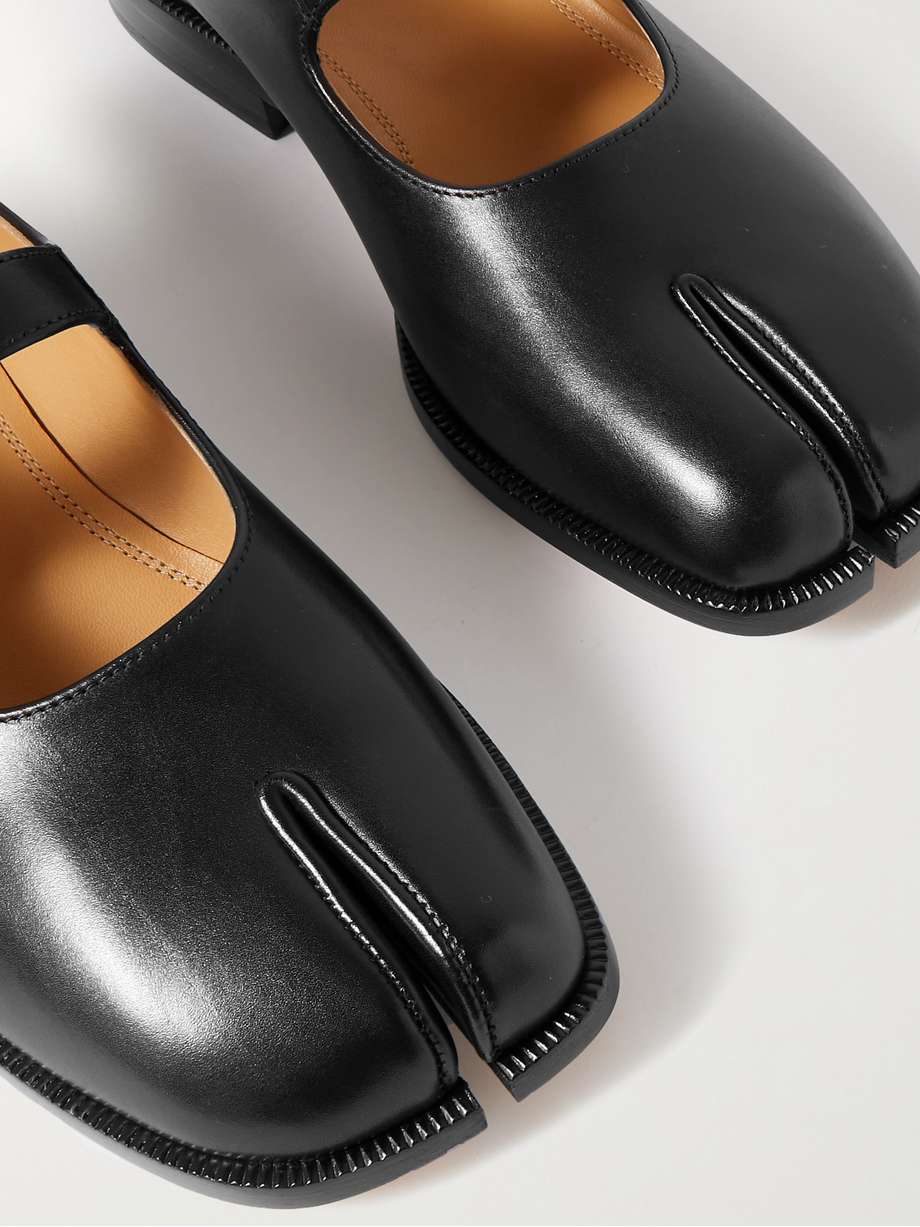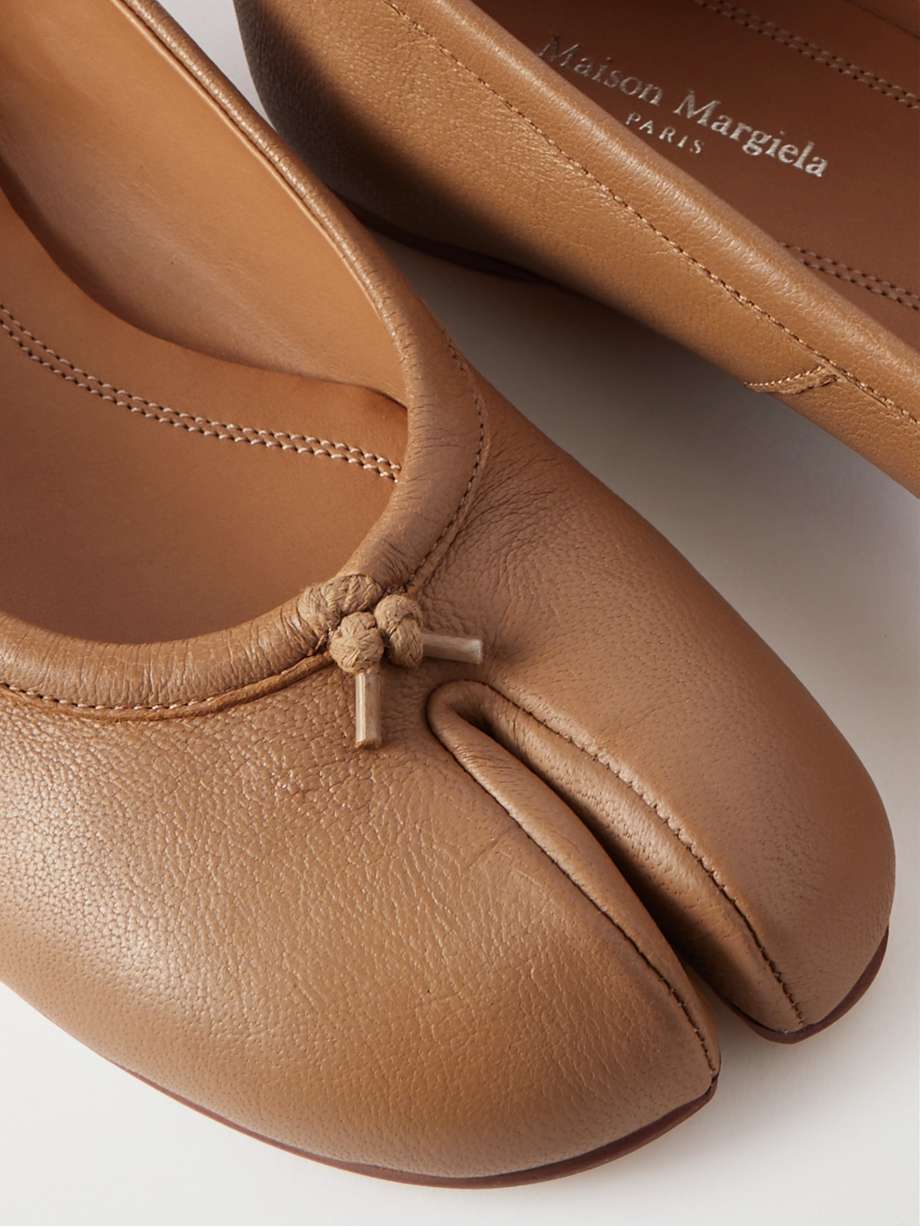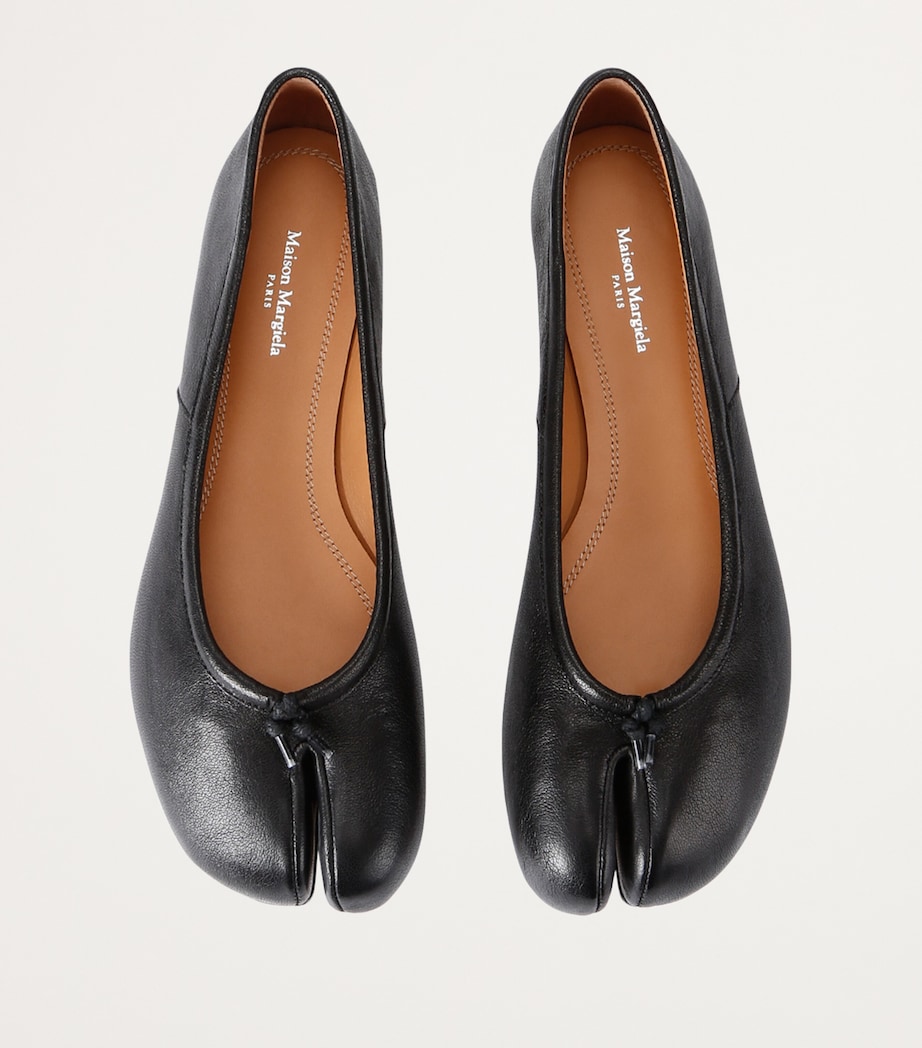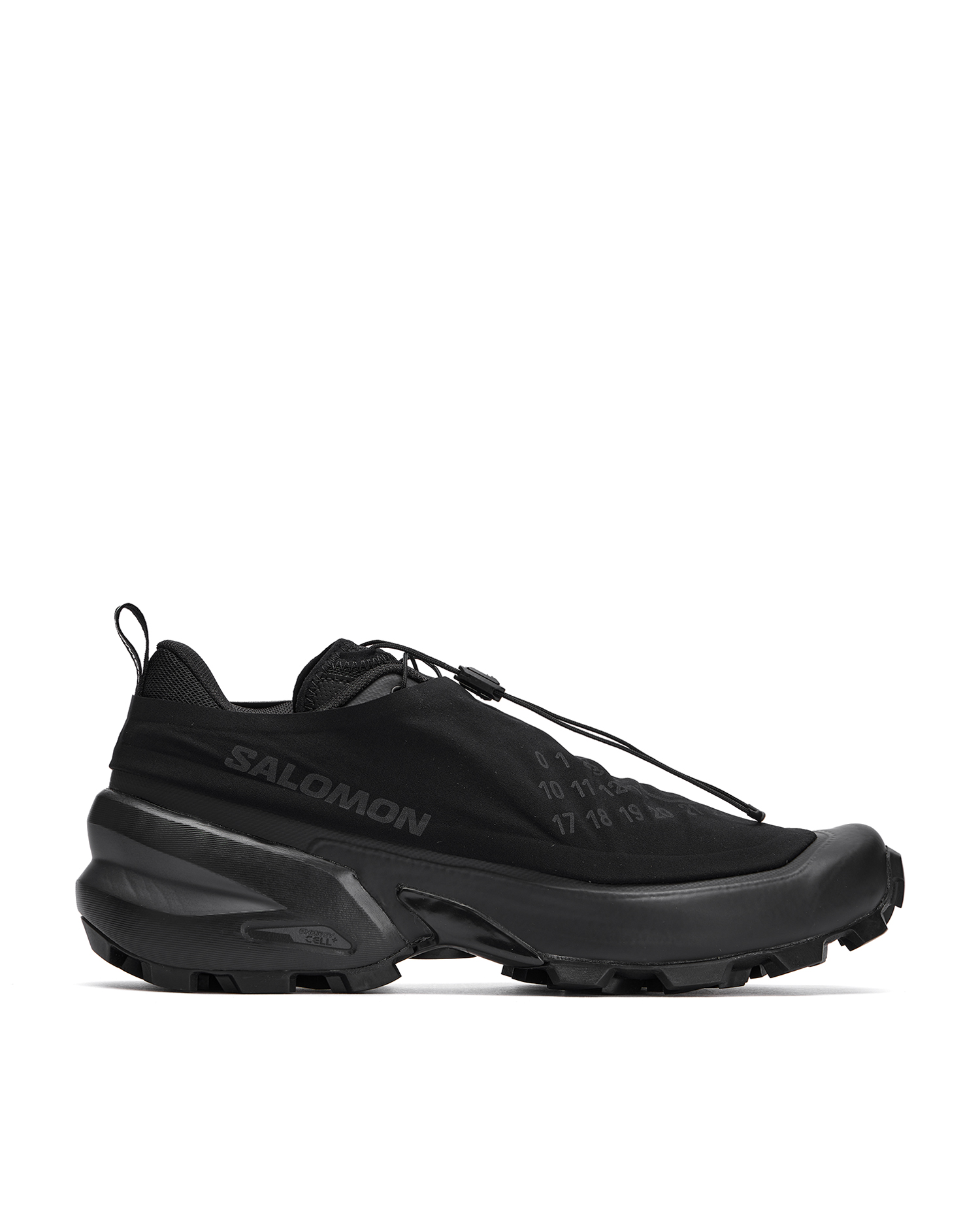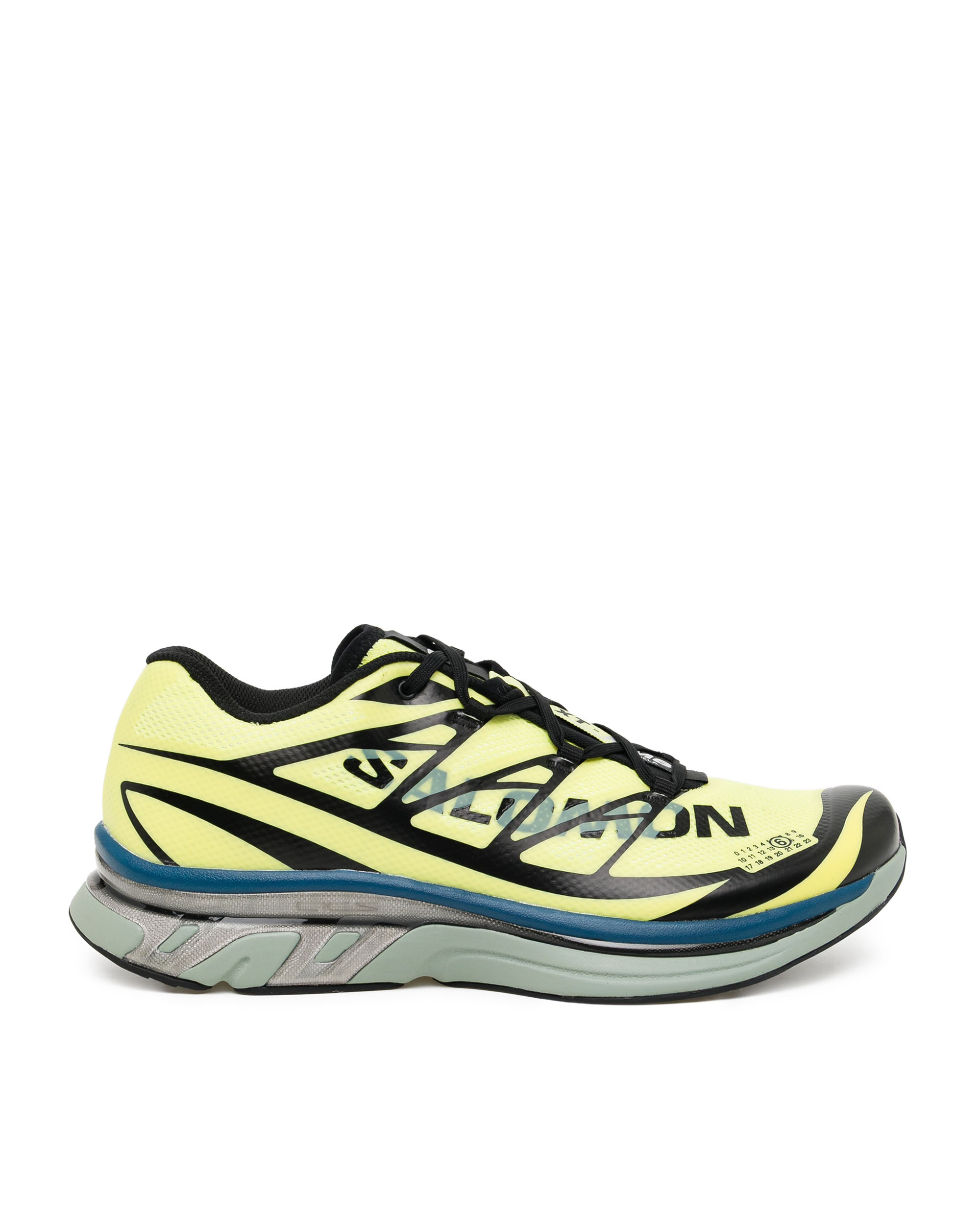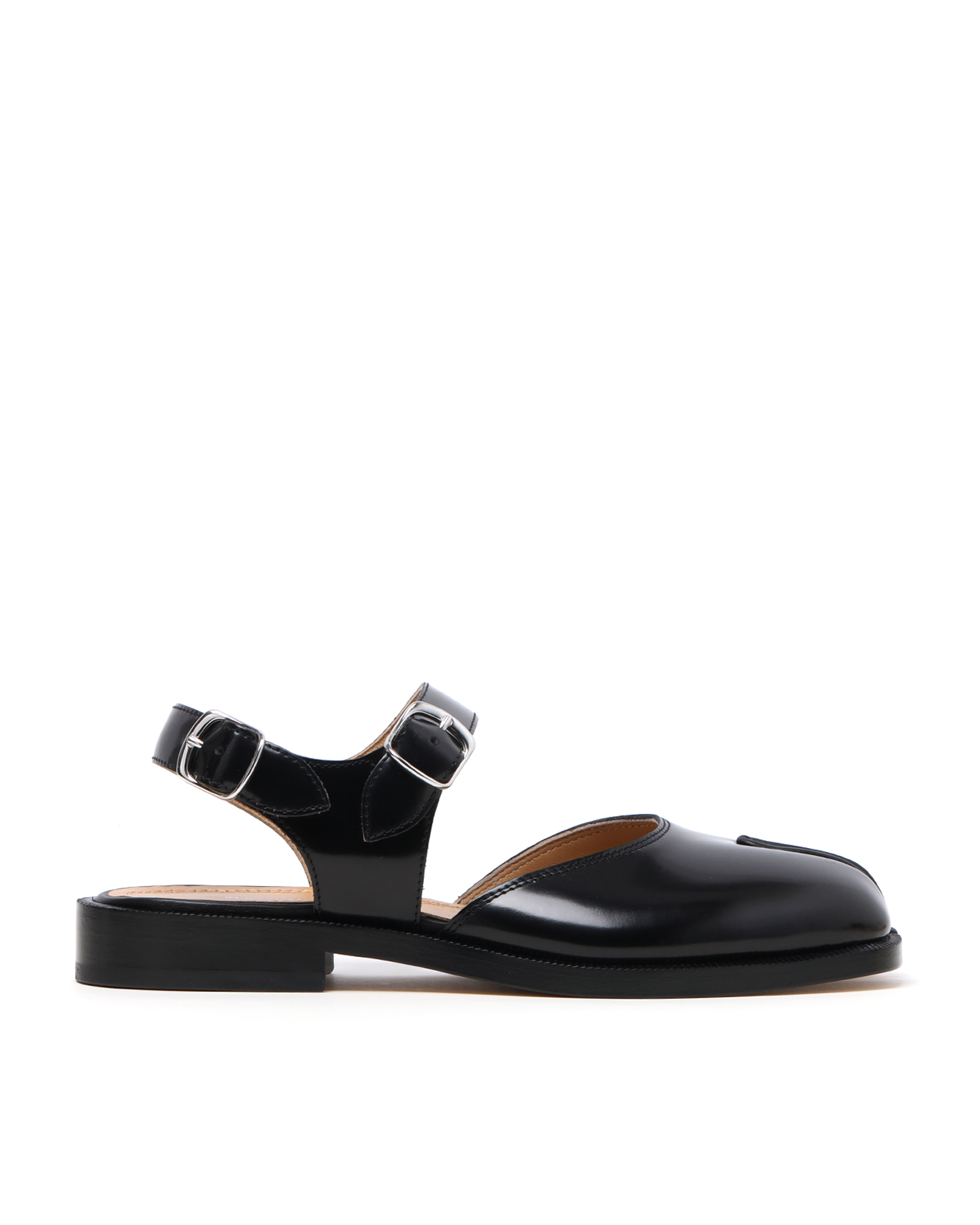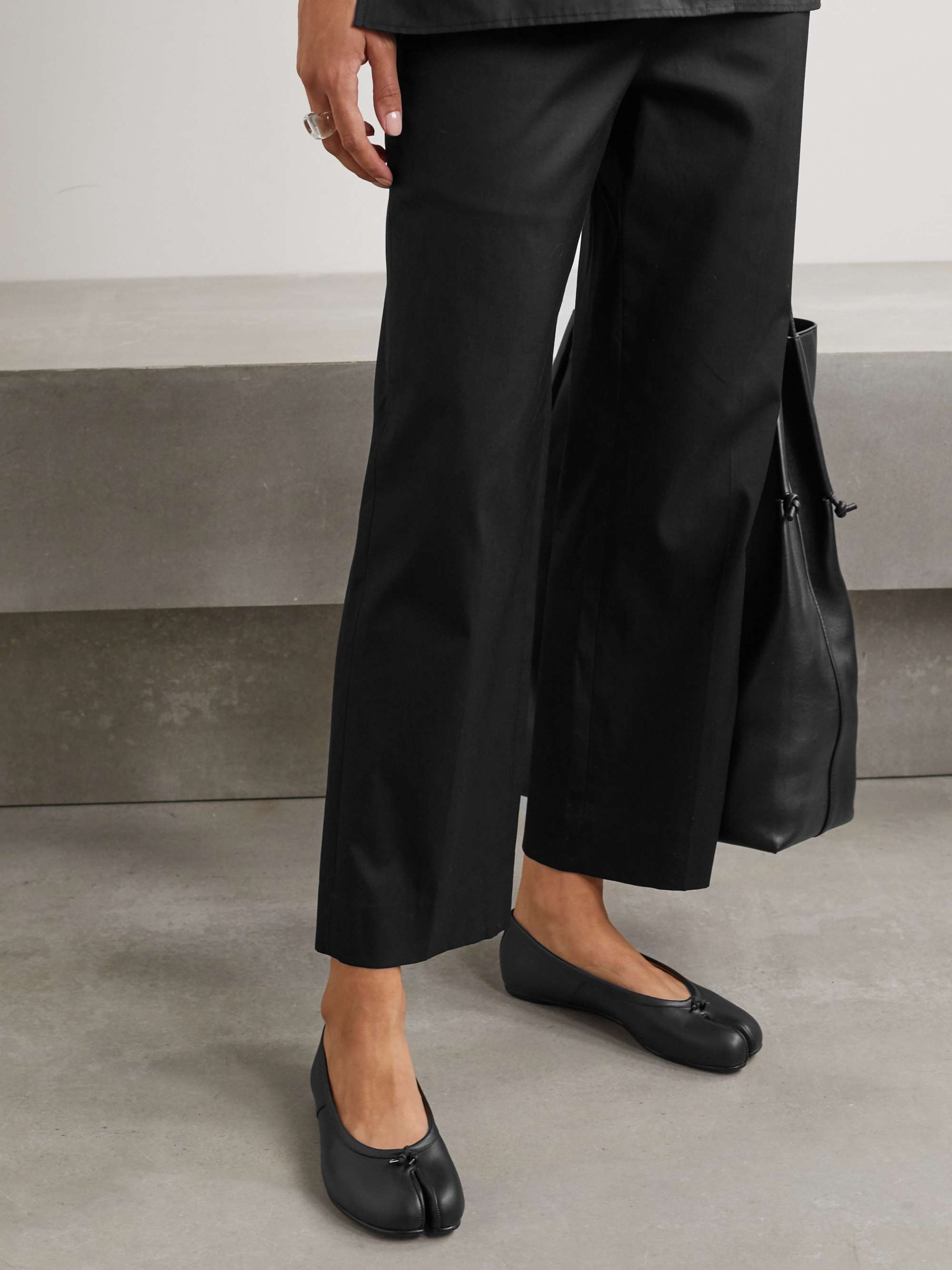
For nearly four decades, the Maison Margiela Tabi flat has been fashion’s most stubborn provocation—a shoe that splits the toe, defies the silhouette of a standard pump, and has long divided opinion more sharply than any political debate. Born in the maison’s 1988 debut collection, the Tabi was conceived by Martin Margiela as an homage to the Japanese *jika-tabi*, the traditional split-toe work boot worn by farmers and carpenters. Margiela, ever the conceptualist, translated that utilitarian footwear into something profoundly strange: a leather flat that looks, at first glance, like a hoof, and at second glance, like a dare.
For years, it was the unofficial badge of the fashion initiate—the shoe you wore to signal that you understood the code, that you weren’t afraid of the uncanny. And then, in 2026, something shifted. The Tabi flat, once the weirdest shoe on the runway, is now the shoe everyone wants.
The Sculptural Turn
The irony is delicious, and the timing is not accidental. Under the creative direction of Glenn Martens, who has been reinvigorating the house since his appointment, Maison Margiela has moved from cult obscurity to cultural ubiquity without sacrificing any of its conceptual rigor. Martens has leaned into the Tabi’s sculptural qualities—the way the split toe creates a negative space that draws the eye down to the ground, the way the shoe’s profile reads as both ancient and futuristic.
The Fall 2026 ready-to-wear collection, which WWD described as shining “brighter than Laopu gold,” featured the Tabi in new iterations: patent leather, suede, even a version with a delicate ankle strap that makes the split toe feel almost dainty. But it’s the flat, specifically, that has captured the mainstream imagination. In a fashion landscape obsessed with comfort and quiet luxury, the Tabi flat offers something rare: a shoe that is simultaneously comfortable, recognizable, and genuinely subversive. It’s a statement that doesn’t shout—it whispers, then splits.
Craft, Comfort, and the Weight of History
The materiality of the Tabi flat is part of its enduring appeal. Each pair is crafted in Italy from supple calfskin or lambskin, with a leather sole that molds to the wearer’s foot over time. The split toe isn’t just a gimmick; it’s an ergonomic intervention, allowing the toes to splay naturally in a way that conventional pointed flats never do. This is the shoe’s secret weapon—it feels better than it looks, and it looks like nothing else.
The design also carries a subtle historical weight. The *jika-tabi* were originally worn by laborers, and Margiela’s transposition of that silhouette into high fashion was a commentary on class, craft, and the arbitrary hierarchies of style. To wear the Tabi flat in 2026 is to participate in that ongoing conversation, whether you know it or not. It’s a shoe that carries its own archive.
The Archive Goes Public
The cultural context for the Tabi’s mainstream moment is equally rich. We’re living through a period of maximalist nostalgia and archival obsession, where fashion houses are mining their histories for references, and consumers are doing the same. Maison Margiela’s decision to share its archives for free on Dropbox—a move that made headlines this year—only accelerated the cult of the Tabi, making the shoe’s backstory accessible to anyone with a Wi-Fi connection.
Meanwhile, the brand’s expansion into haute parfumerie, including the new “Lost Eden” scent with its candied apple and smoky oud accord, has kept the maison in the cultural conversation, reinforcing the idea that Margiela is not just a clothing label but a worldview. The Tabi flat is the physical embodiment of that worldview: it’s a shoe that refuses to conform, yet somehow, in 2026, everyone wants to wear it.
Who Wears the Split Toe?
Who is the Tabi flat for? It’s for the woman who wants to look polished but not predictable. It’s for the man who appreciates the quiet rebellion of a split toe under a tailored suit. It’s for the fashion student who saved up for months, and for the collector who already owns five pairs in different colors. It’s for anyone who understands that true style is about the details—the small, strange decisions that make an outfit unforgettable.
The Tabi flat is no longer the province of the avant-garde; it’s the new classic, the shoe that bridges the gap between the runway and the sidewalk. And in a world that feels increasingly homogeneous, that’s a kind of magic. The split toe is no longer a provocation—it’s a promise.