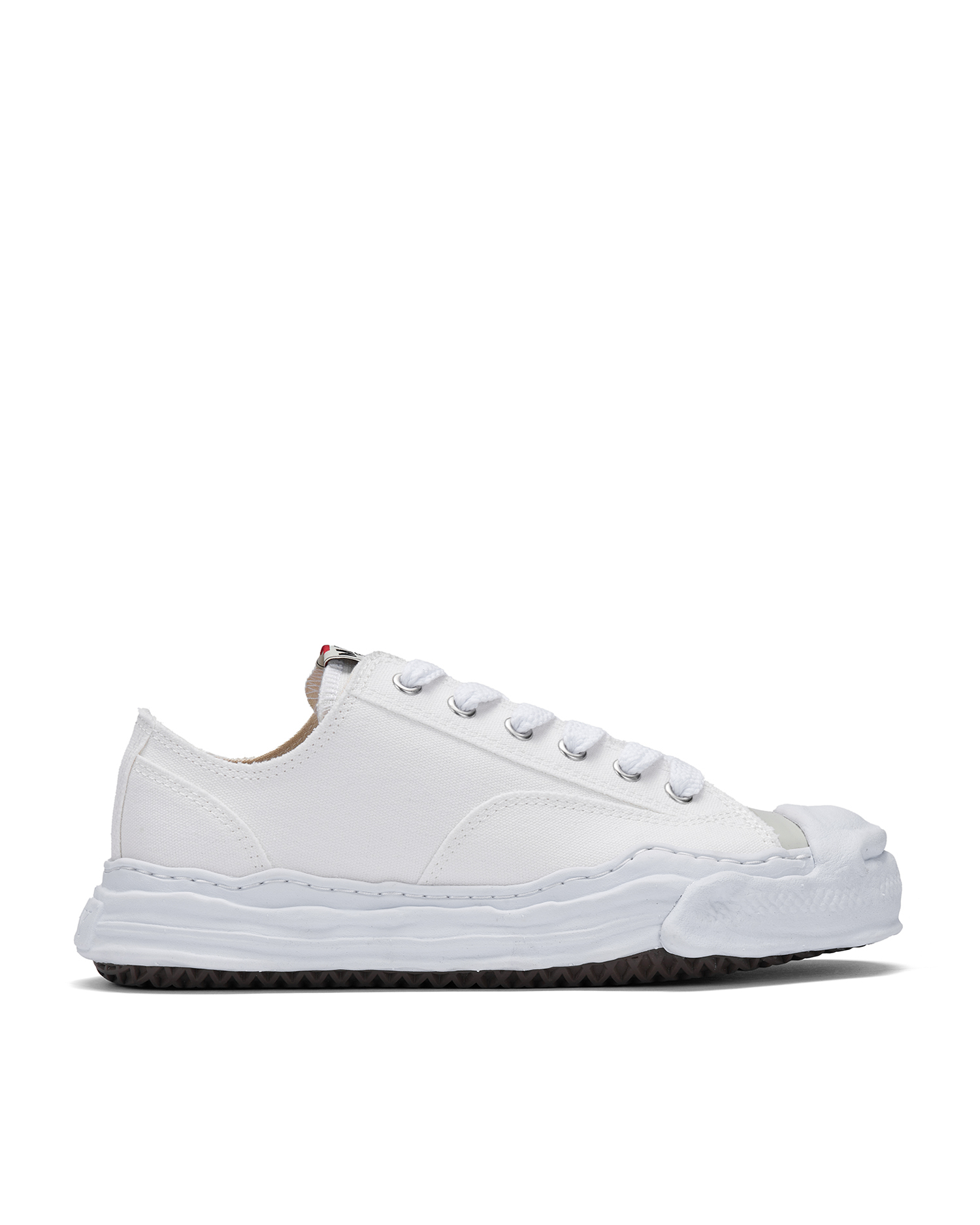
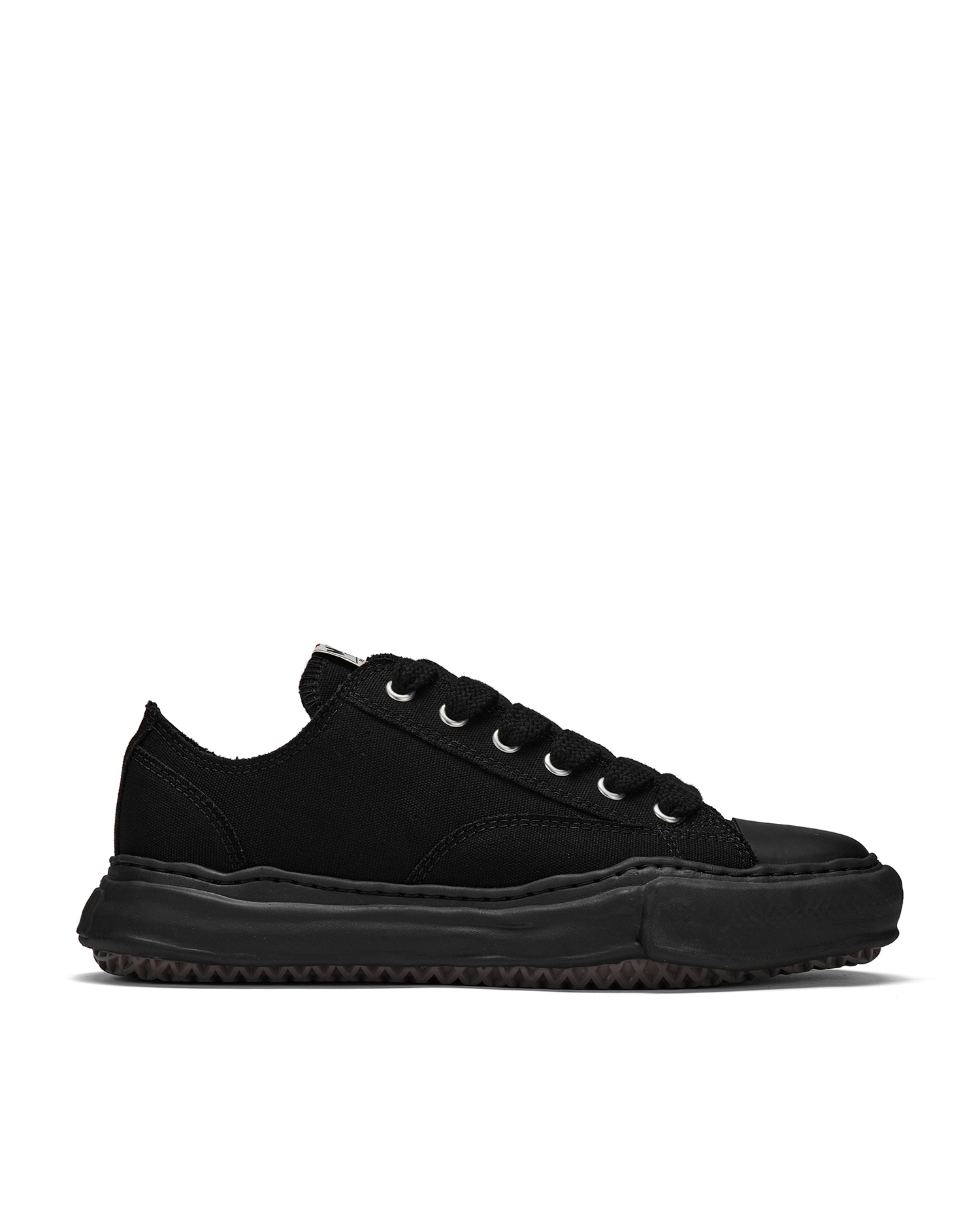
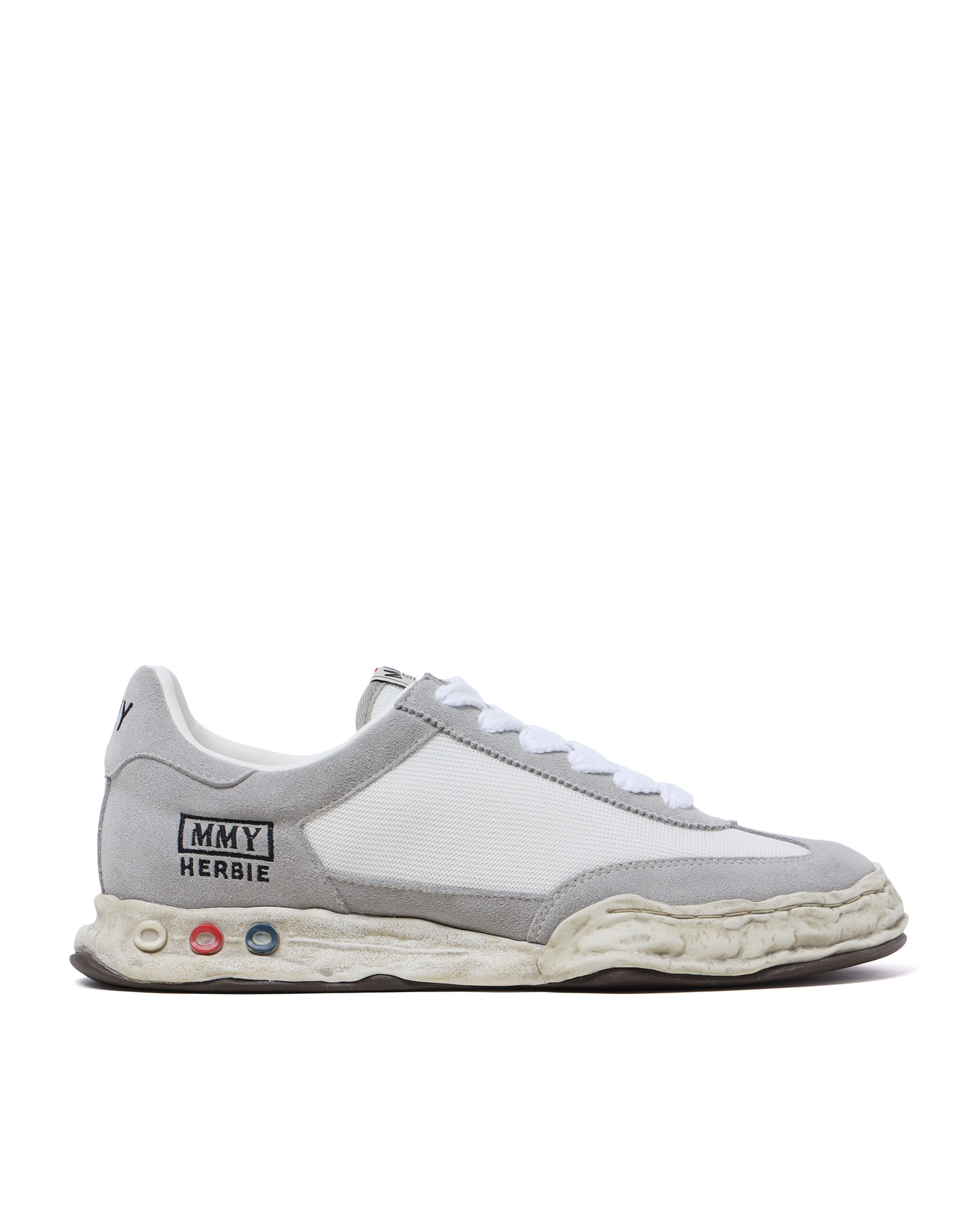
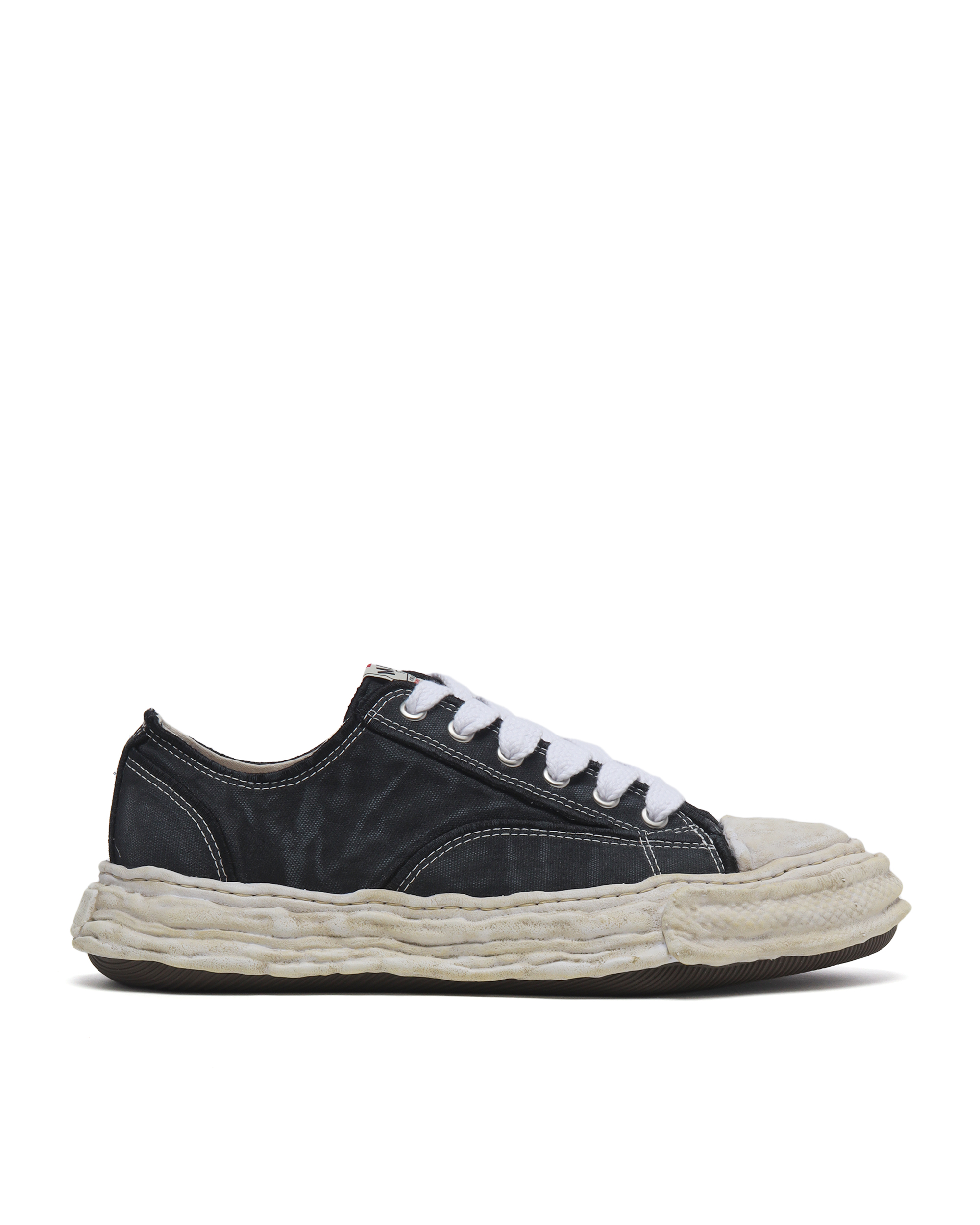
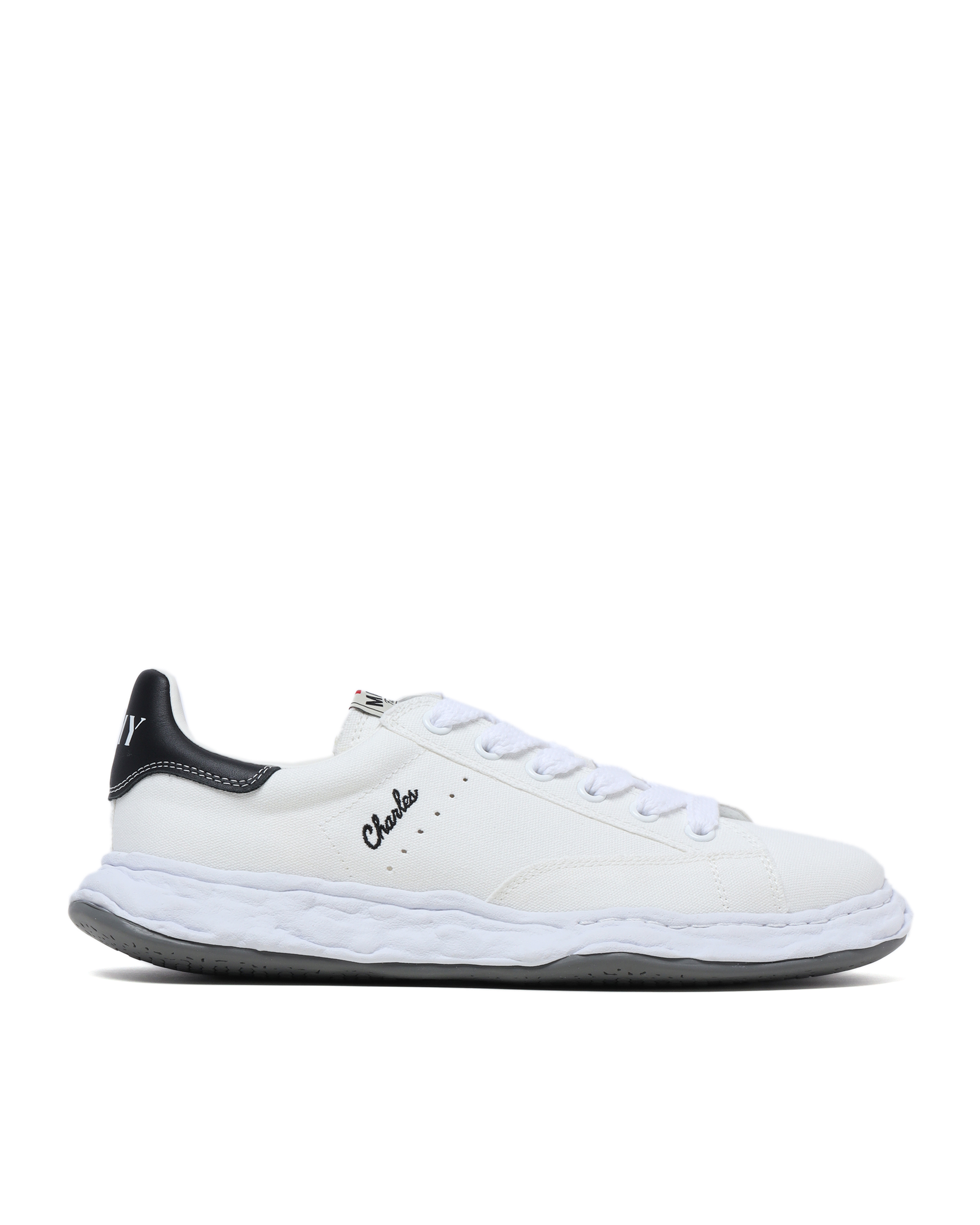
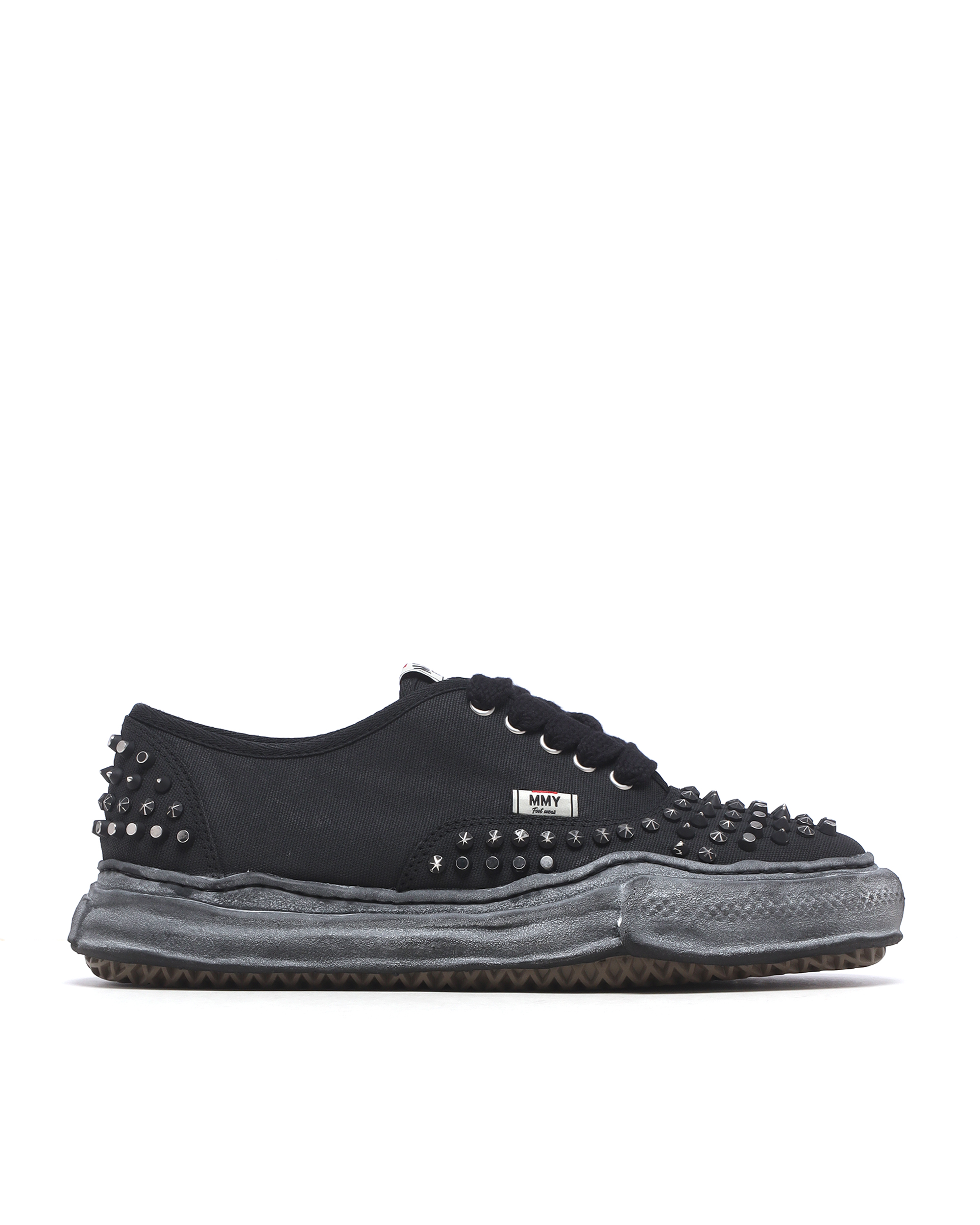
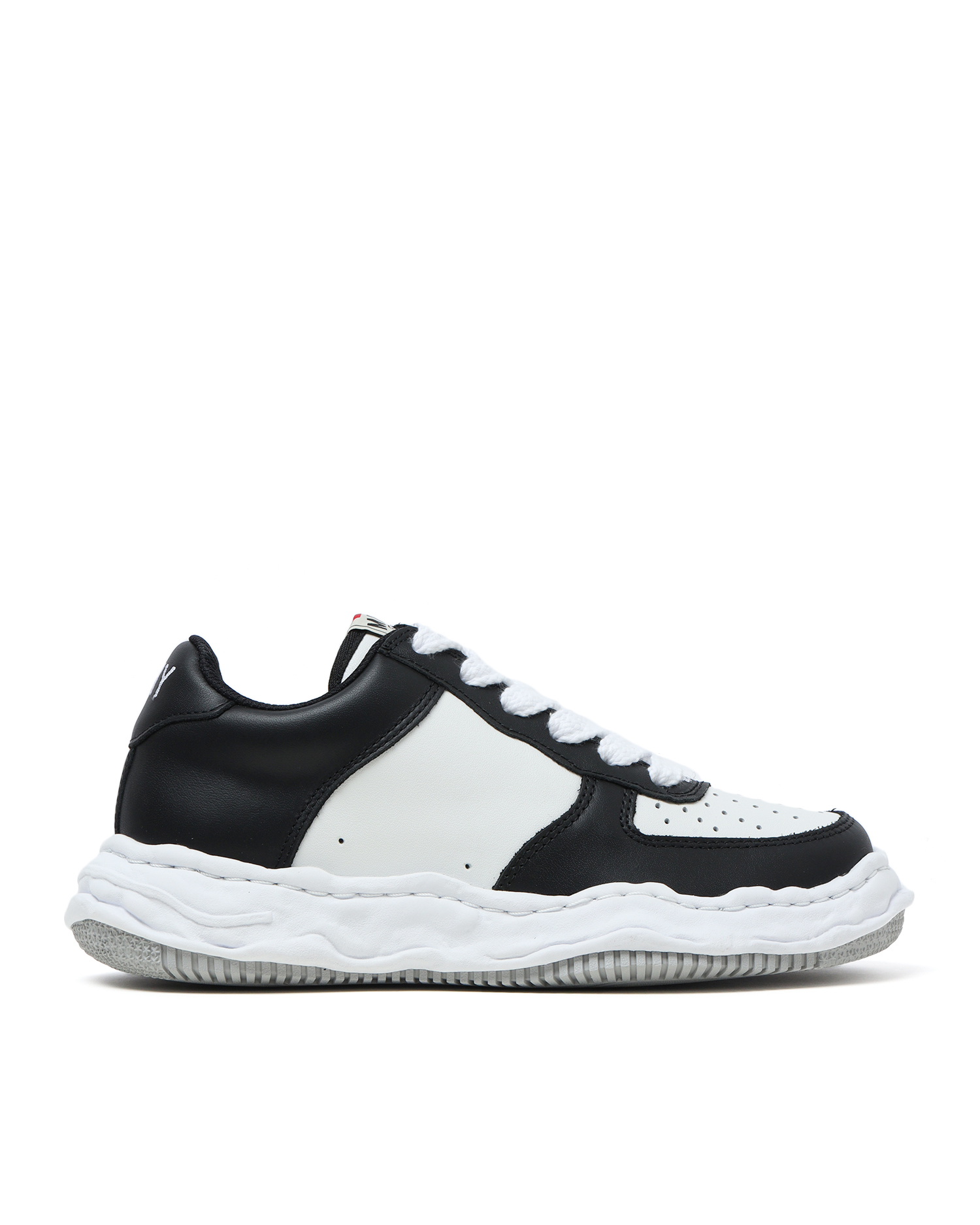
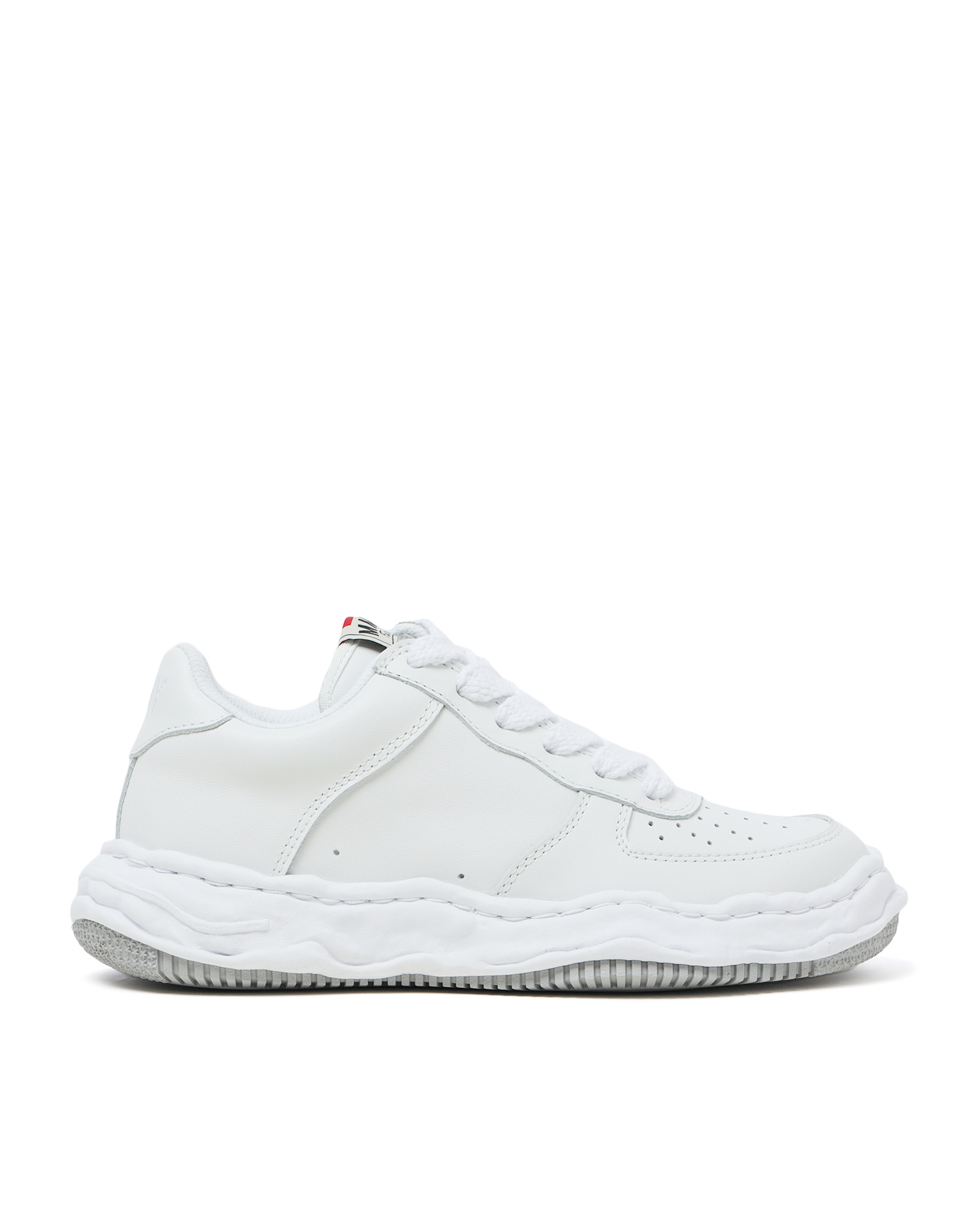
Few collaborations arrive with as much internal logic as the AMIRI x Maison MIHARA YASUHIRO "Bones" Sneaker, the second chapter in a partnership between two houses that have built their reputations on opposite sides of the same obsession. Mike Amiri's Los Angeles atelier is known for its sun-bleached, hand-finished glamour—leather jackets that look inherited rather than bought, denim faded as though by a decade of California highways. Mihara Yasuhiro, working from Tokyo, has spent nearly three decades treating footwear as a site of gentle sabotage, most famously with his Original Sole, a melted, warped rubber form that reads like a sneaker recovered from the bottom of the sea.
Bring them together and you get a shoe that feels less like a product than a negotiation: two distinct vocabularies of wear, distress, and memory pressed into a single silhouette.
An Anatomy Lesson
The "Bones" earns its name through an explicit skeletal motif—an exposed, bone-like structure rendered across the upper in the collaboration's signature distressed treatment. What distinguishes Chapter Two is its confidence. Where a first collaboration often hedges, testing the waters with a restrained palette and a familiar shape, this second installment commits fully to the shared aesthetic, layering AMIRI's hand-finished leather sensibility over Mihara's deliberately irregular sole geometry. The result is a sneaker that looks excavated rather than manufactured, its surfaces carrying the patina of something that has already lived a life before reaching your closet.
The Philosophy of the Pre-Worn
That quality of pre-lived wear is precisely the point, and it places the shoe within a longer cultural conversation. Japanese fashion has long held a philosophical reverence for imperfection and the beauty of the weathered—a sensibility that runs from wabi-sabi aesthetics through to the distressed denim and deconstructed tailoring of the Tokyo underground. Mihara Yasuhiro has been one of that tradition's most consistent translators into contemporary streetwear, and his recent output confirms a designer operating at full stride: the Spring 2027 menswear and ready-to-wear collections drew widespread attention for their languid, sun-hazed "Summer Laze" mood, while the Fall 2026 lookbook was received as an introspective meditation on sartorial codes. The house's footprint is expanding in physical terms as well, with the opening of the Jingumae building in Tokyo giving Maison MIHARA YASUHIRO a flagship presence befitting its stature, and a recent Topologie collaboration extending its reach into technical accessories. AMIRI, meanwhile, brings the Hollywood-inflected polish and the retail gravity of a brand that has become a red-carpet staple. The "Bones" sneaker sits exactly at the intersection of those two trajectories.
Who It's For
Not the collector who archives boxes untouched, and not the minimalist who wants a clean line. It is for the wearer who understands that a sneaker can function as a piece of autobiography—someone who buys distressed leather because it accelerates the process of becoming personal. The "Bones" rewards a wardrobe built on faded denim, oversized tailoring, and the kind of layered, textured dressing that both houses have spent years refining. It pairs naturally with the wide-leg trousers and washed fabrics that define the current menswear conversation, and it carries enough sculptural presence to anchor an otherwise quiet outfit.
Why It Matters Now
It's a question of timing and scarcity. The limited-edition release structure means the "Bones" exists in deliberate opposition to the endless restock economy—a shoe designed to be acquired once and worn into its final form. In an era when collaborations are announced weekly and forgotten by the following Tuesday, the AMIRI and Mihara Yasuhiro partnership stands out because it is genuinely additive: each house makes the other look more like itself.
The "Bones" Sneaker is the rare joint effort that doesn't dilute either signature but compounds them, producing an object that is at once a piece of Tokyo's design lineage and a piece of Los Angeles's mythmaking. For anyone who has watched both brands evolve toward this meeting point, it is less a purchase than a conclusion—the moment two parallel stories finally share a page.