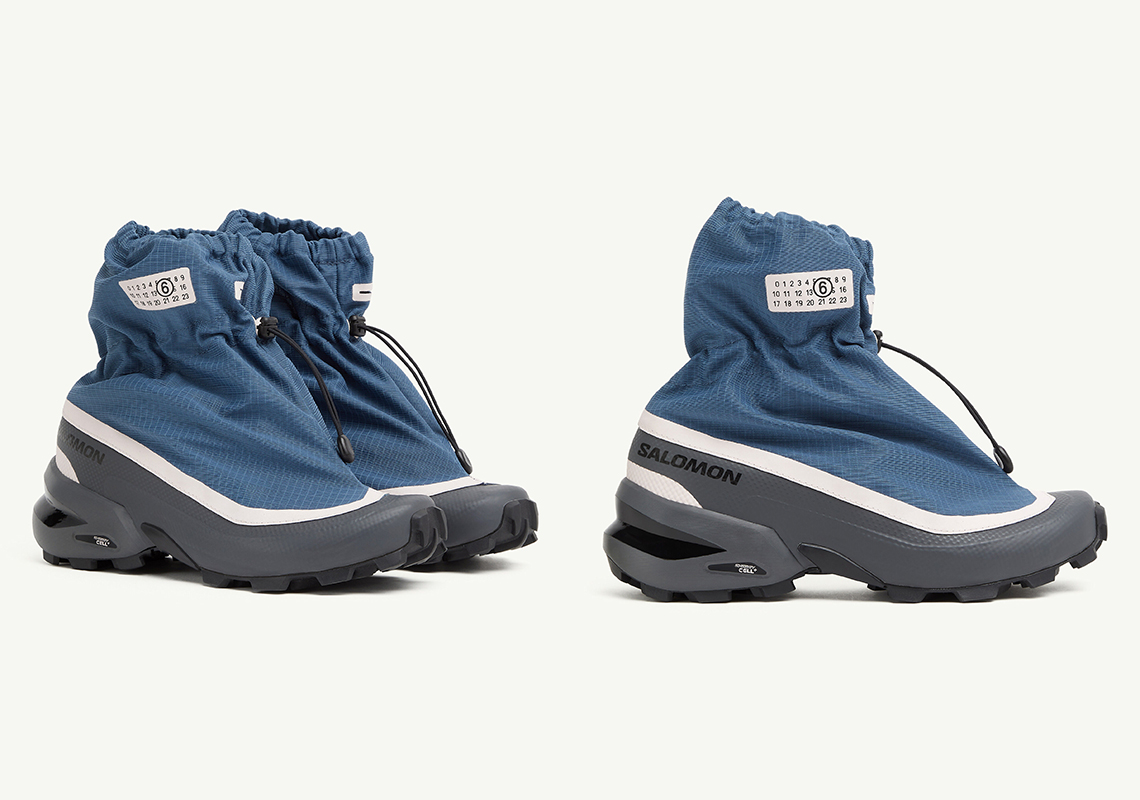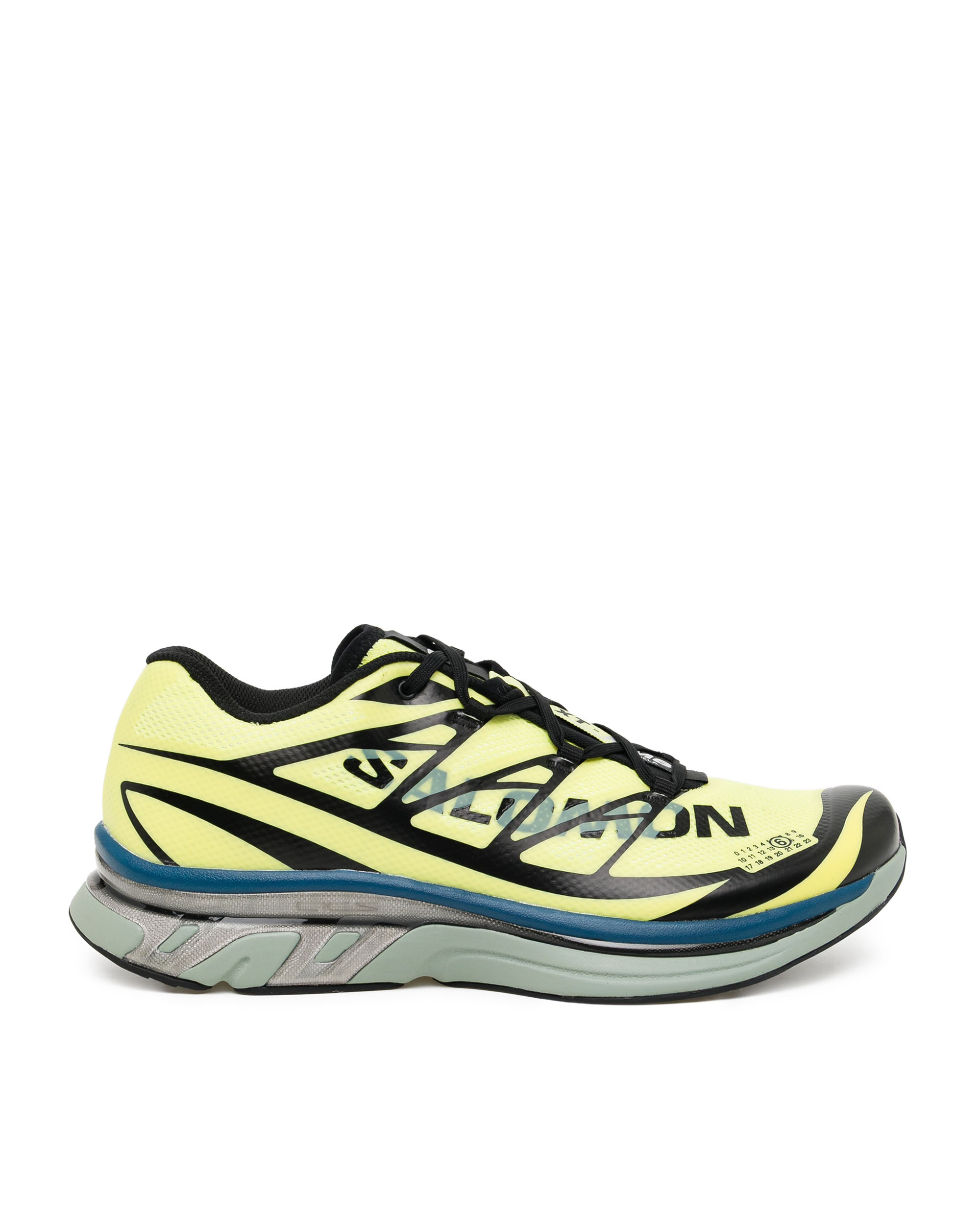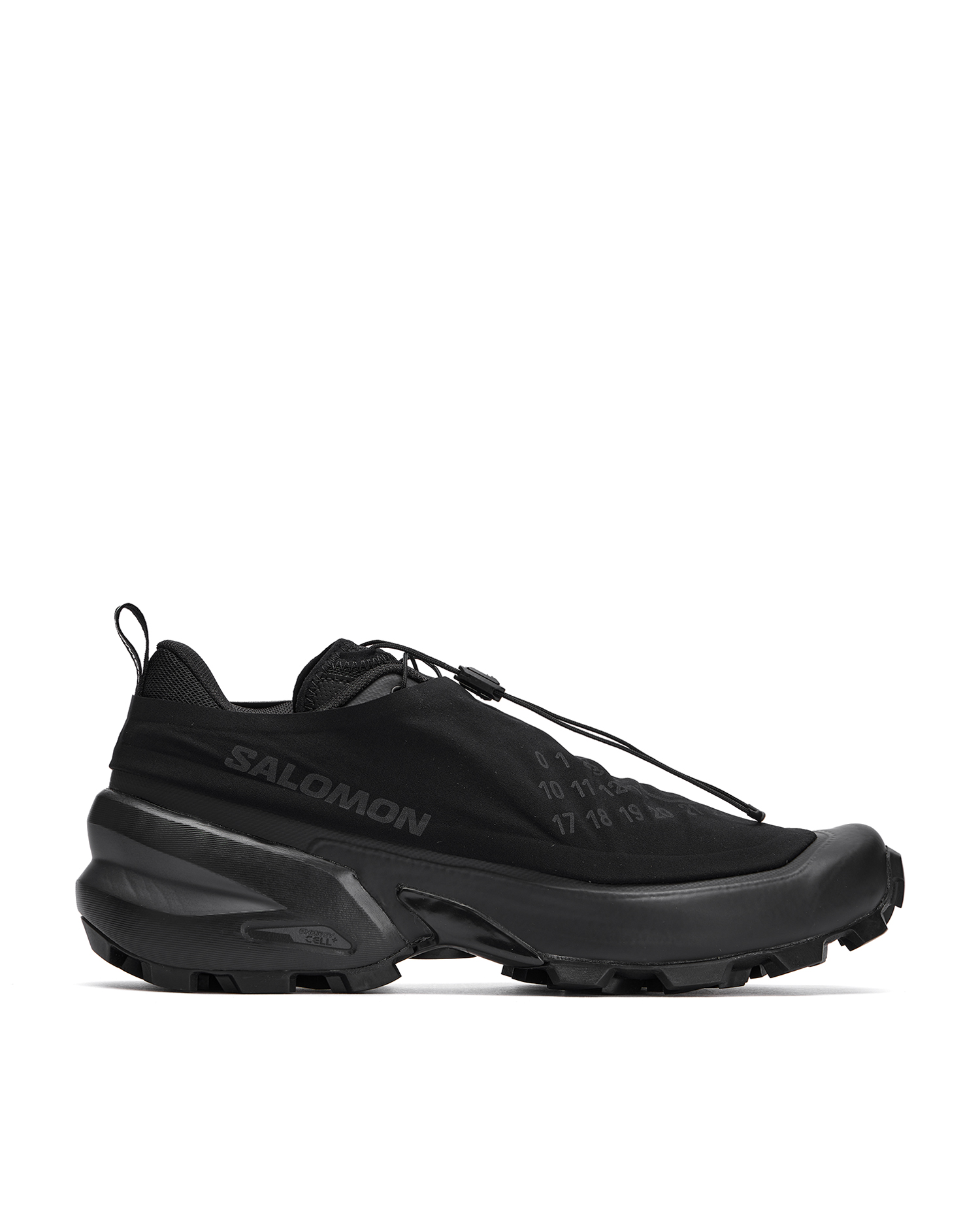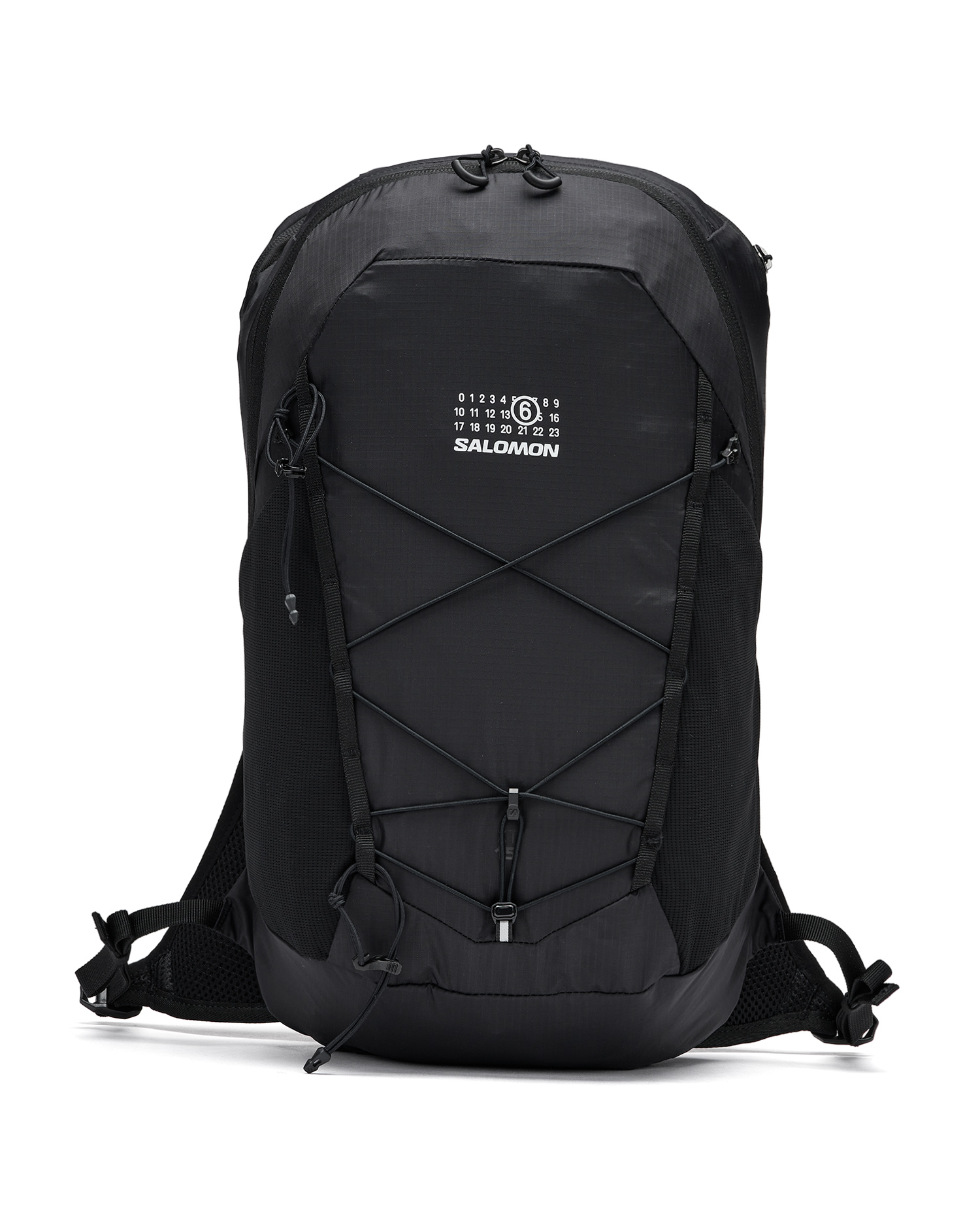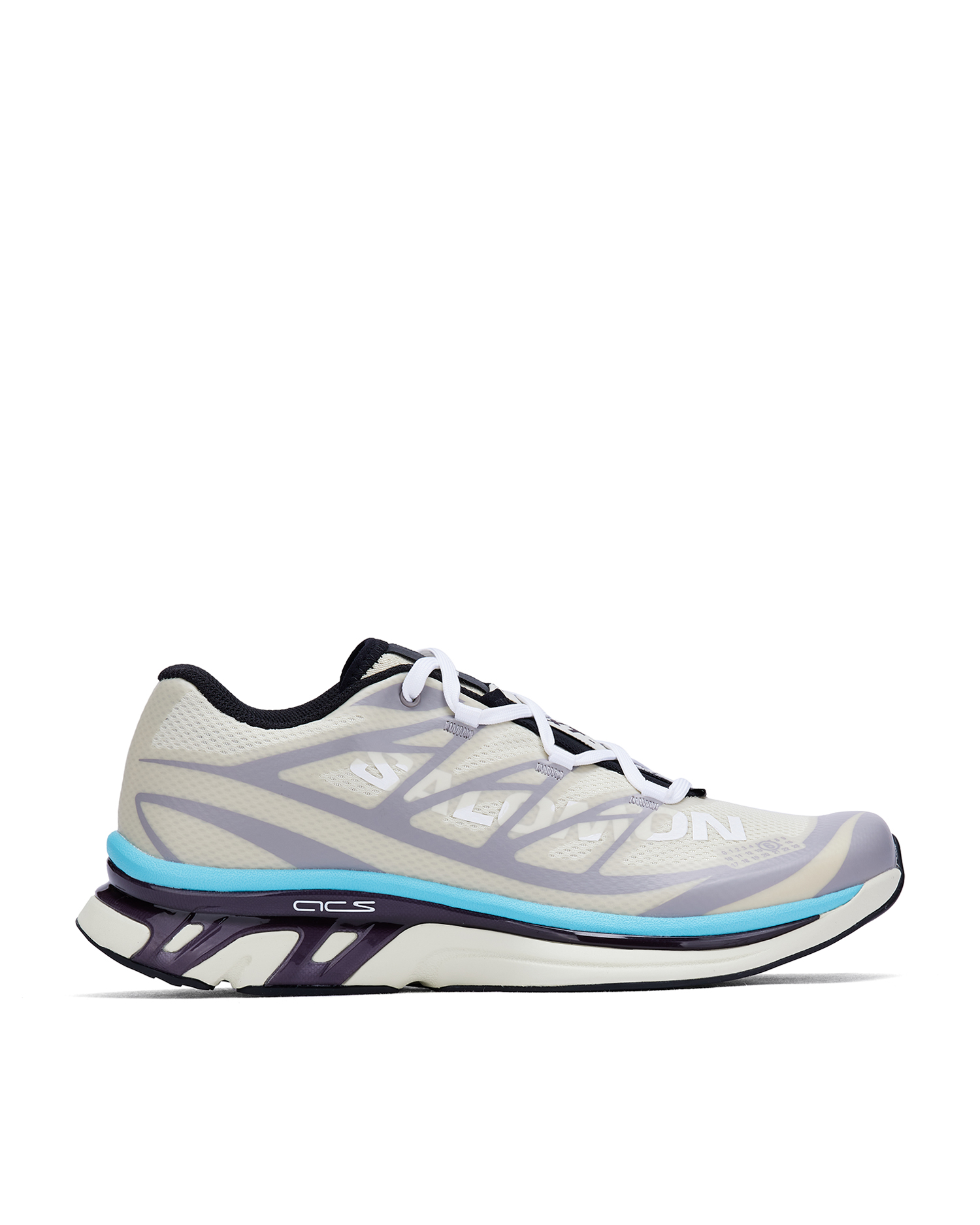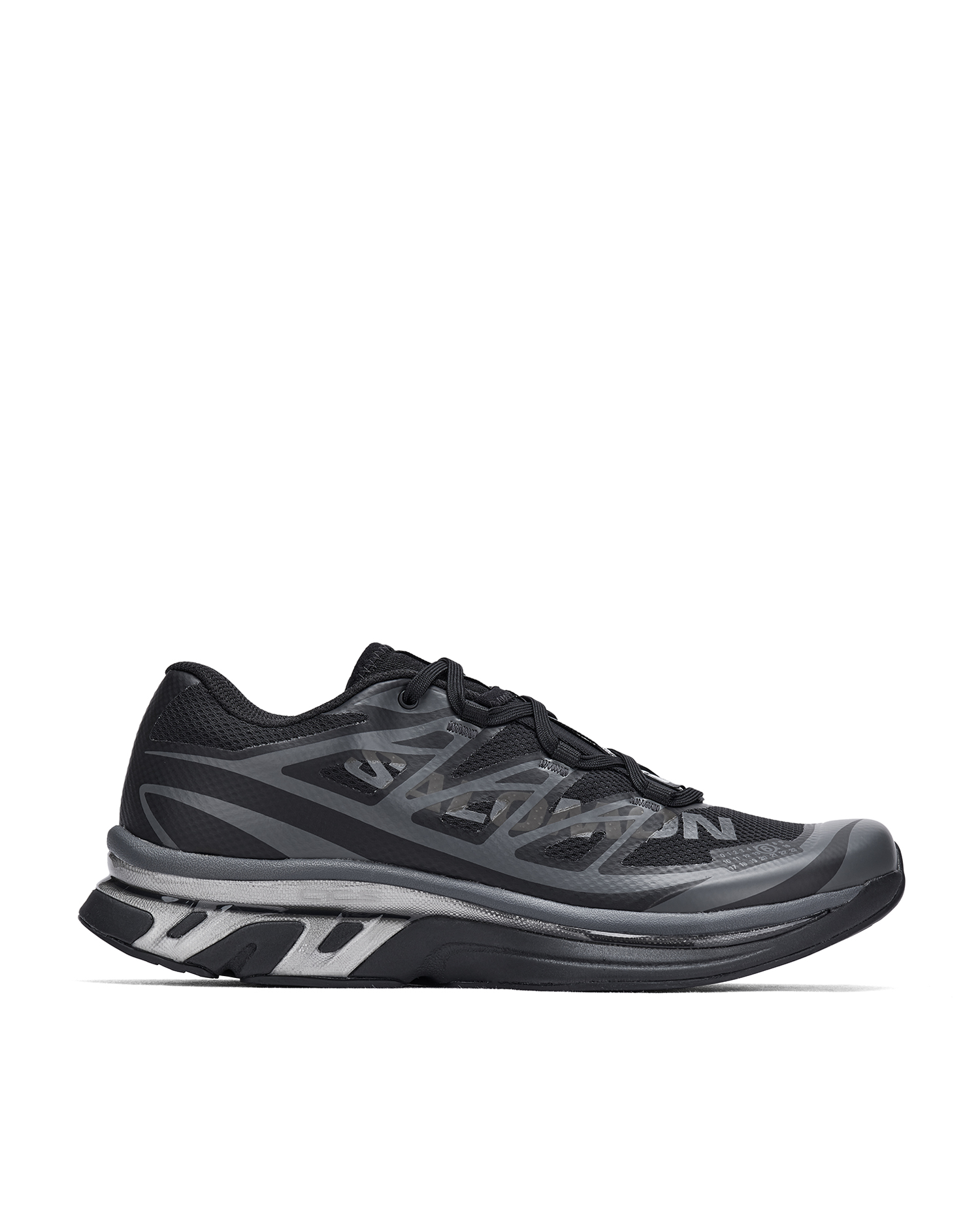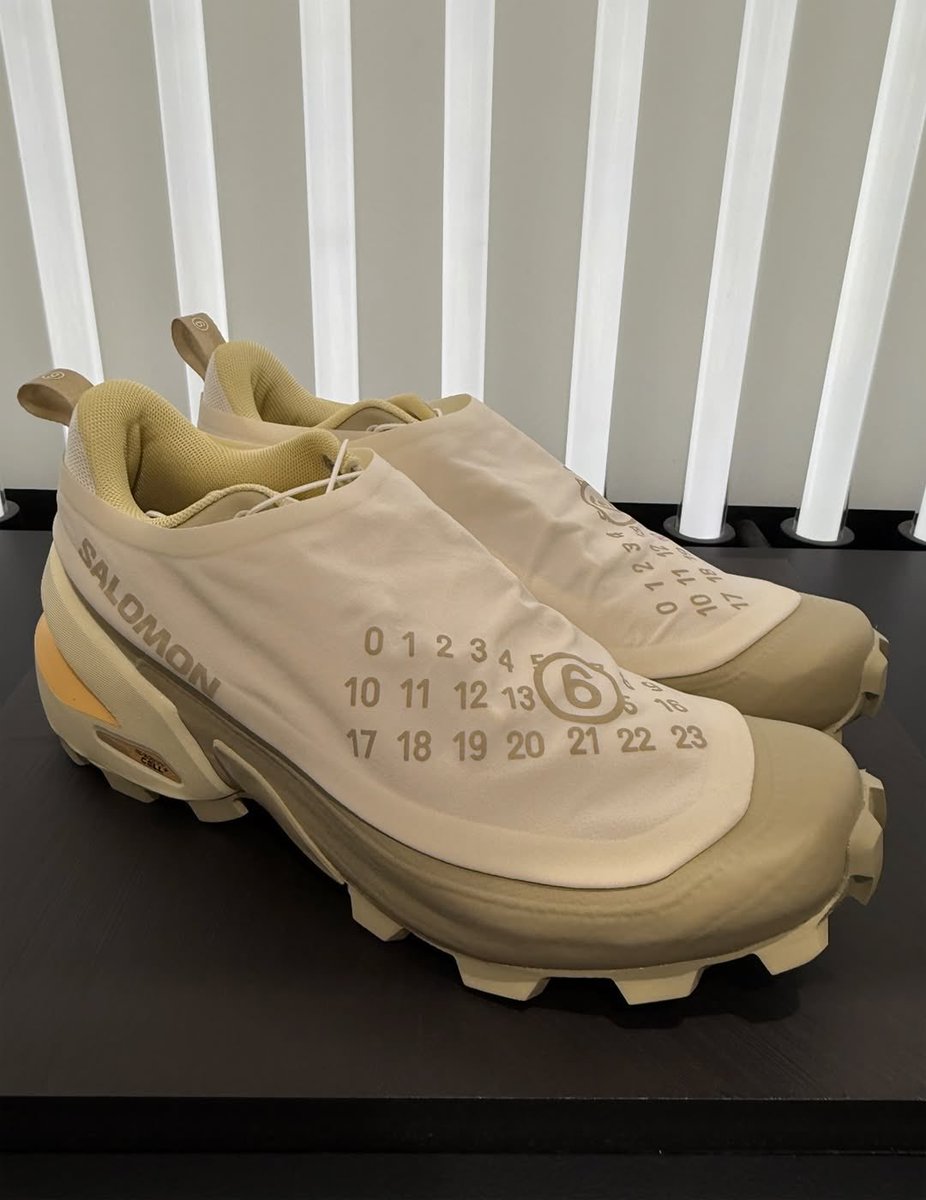
There is a particular thrill when a collaboration stops being a logo swap and becomes a genuine conceptual provocation. The MM6 Maison Margiela x Salomon CROSS DUST delivers exactly that with one brilliant gesture: a gaiter that looks like the shoe’s own packaging, sliced open and left attached. Where previous outings between these two houses explored hybrid silhouettes and technical mules, this debut sneaker pivots toward something far more cerebral, turning the mundane language of cardboard and tissue paper into a wearable meditation on value, protection, and the rituals of unboxing. It is, without question, the season’s most inventive collab release—a piece that honors both brands’ DNA while carving out a completely new visual identity.
The design logic is deceptively simple. At its core, the CROSS DUST is a robust, trail-ready Salomon sneaker, complete with the French label’s signature Contagrip® outsole and a streamlined, athletic upper that speaks to performance heritage. But what elevates it from functional footwear to an object of fashion discourse is the removable gaiter that wraps the collar and instep. Rendered in a stiff, paper-like material that mimics the look of a shoebox, this shroud features printed text, barcode-style graphics, and the kind of utilitarian labeling you’d expect on a shipping carton. It appears, at first glance, as though the sneaker has been left half-wrapped—caught in a liminal state between the factory floor and the consumer’s closet. This is the Maison Margiela signature: a house that has long built its reputation on deconstructing the familiar and exposing the hidden architecture of clothing, applied with surgical precision to the sneaker world’s most fetishized moment—the drop.
The Material Story: Packaging as Skin
The material story is equally compelling. The gaiter is constructed from a coated, slightly crinkled textile that catches light with an almost waxy sheen, reinforcing the illusion of packaging while providing a tactile counterpoint to the breathable mesh and suede overlays beneath. Run your fingers across it and you’ll feel the deliberate stiffness—a far cry from the plush, padded gaiters we’ve come to expect from trail footwear. This is packaging you can wear, a shell that protects not just the foot but the very idea of the product itself. Beneath the shroud, the sneaker reveals its true athletic bones: precise stitching, engineered ventilation, and that grippy, lugged outsole ready for uneven terrain. The contrast between the fragile-looking paper surface and the rugged performance sole creates a tension that keeps the eye moving, questioning what it’s actually looking at.
The color palette stays restrained—soft bone whites, muted greys, and a whisper of off-black—allowing the graphic elements to do the heavy lifting. This is not a shoe that screams for attention; it whispers, inviting closer inspection and rewarding those who take the time to decode its layers. Up close, the printed barcodes and handling instructions feel almost absurdly authentic, as if someone accidentally left the shipping label on and decided to run with it. That’s the genius: it’s not a costume or a gimmick. It’s a quiet, knowing joke shared between the designer and the wearer, a wink that says, “We both know how ridiculous this whole system is—so let’s have some fun with it.”
Why Now: The Cultural Shift
The collaboration’s timing feels particularly resonant given the current cultural climate, where the discourse around sneaker culture has shifted from pure hype to a more considered appreciation of design intent. We are in an era where the packaging, the box, the tissue paper, and the drop-day theatrics have become as scrutinized as the product itself. The CROSS DUST responds by collapsing that distance entirely. Why wait for the unboxing moment when the shoe can arrive already half-unboxed? Why fetishize the cardboard when you can wear it? It’s a commentary on the rituals we’ve built around consumption, and a gentle ribbing of the very community that will inevitably queue up to buy it. Self-aware without being cynical, conceptual without being pretentious—this is the sweet spot that most collabs miss.
The release also speaks to a broader shift in luxury streetwear, where the line between product and presentation has become increasingly porous. As MM6 Maison Margiela continues to expand its collaborative universe—recently teasing a Supreme partnership and a steady stream of Salomon releases—this sneaker stands apart as the most intellectually rigorous offering yet. It understands that the true value of a collaboration lies not in how many logos it can stack, but in how it can reframe our understanding of both brands. Salomon brings its technical credibility and outdoor DNA; MM6 brings its anti-establishment spirit and love of the unfinished. Together, they’ve created something that neither could have made alone—a shoe that feels both inevitable and entirely unexpected.
Who It’s For
For whom is this shoe intended? It is for the collector who has seen it all—the one who owns the archival Margiela pieces and the rarest Salomon trail runners, yet still craves something that feels genuinely new. It is for the fashion editor who understands that the most provocative statements are often made through subtle subversion rather than loud branding. And it is for the urban commuter who appreciates that a sneaker can be both a technical marvel and a conceptual art piece, one that transitions effortlessly from a morning hike to an evening gallery opening. The CROSS DUST doesn’t demand a specific lifestyle; it adapts to yours, revealing different facets depending on context. On the trail, it reads as a high-performance runner with an eccentric twist. In the city, it becomes a sculpture for your feet, a conversation starter that never has to raise its voice.
The Final Word
The MM6 Maison Margiela x Salomon CROSS DUST is a masterclass in restrained experimentation. It takes the most mundane object in the sneaker ecosystem—the box—and transforms it into the defining aesthetic feature of a shoe that is simultaneously rugged and refined, functional and philosophical. In a market saturated with recycled silhouettes and predictable colorways, this release dares to ask a simple question: what if the sneaker never fully left its packaging? The answer, it turns out, is the most compelling footwear statement of the season—a piece that will undoubtedly be studied, dissected, and ultimately, worn with the kind of knowing confidence that only true design fluency can provide. It is not merely a shoe; it is a commentary on the very nature of desire, wrapped in a gaiter that refuses to let you forget it. And in a world where everything arrives pre-unboxed and pre-digested, that refusal feels less like a gimmick and more like a necessary correction.