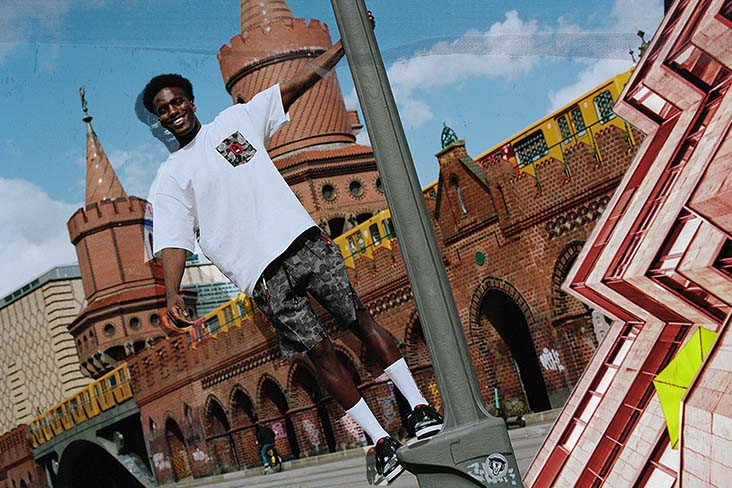
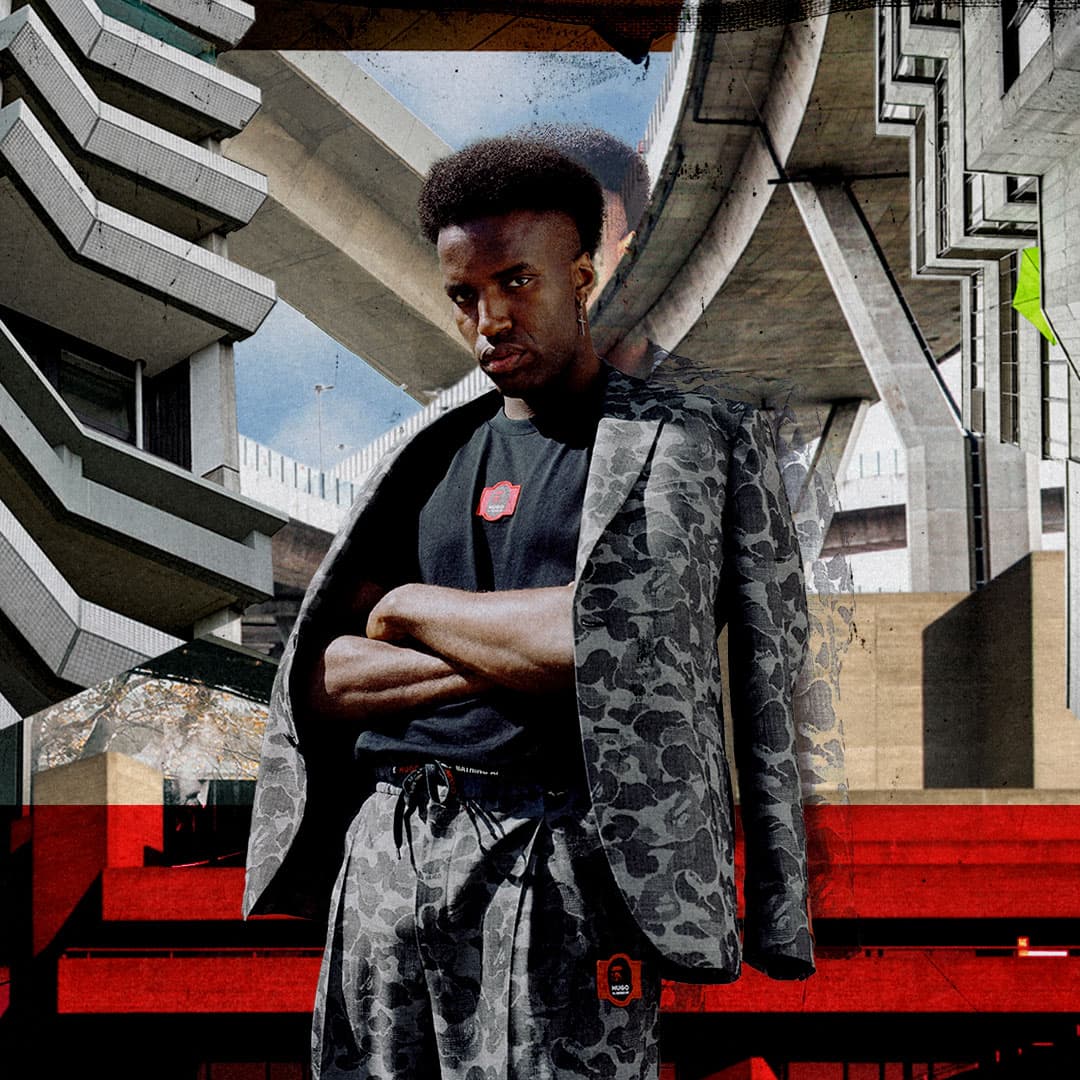
There's a specific kind of garment that only appears when two design languages collide with real conviction — not the marketing-department kind, but the sort that leaves visible fingerprints on the final product. The HUGO x Mr. Bathing Ape Suit is exactly that: a tailored two-piece born from the ongoing conversation between HUGO's sharp, rebellious German tailoring and Mr. Bathing Ape's quietly subversive take on Japanese menswear. It isn't a tracksuit cut from suiting cloth, and it isn't a business suit with a logo stamped on the lapel. It's rarer than both — a genuine synthesis, and easily the most talked-about capsule piece of the summer.
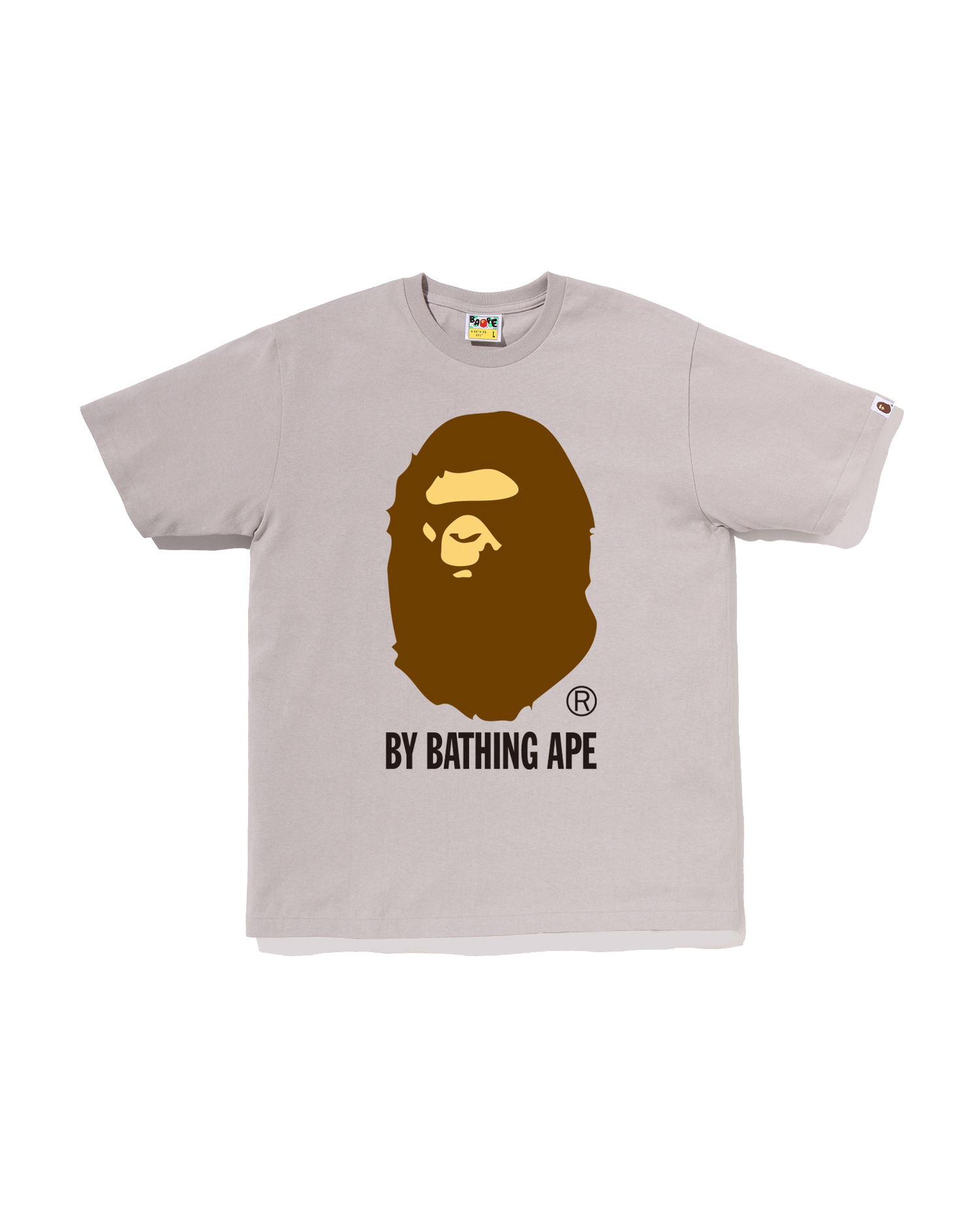
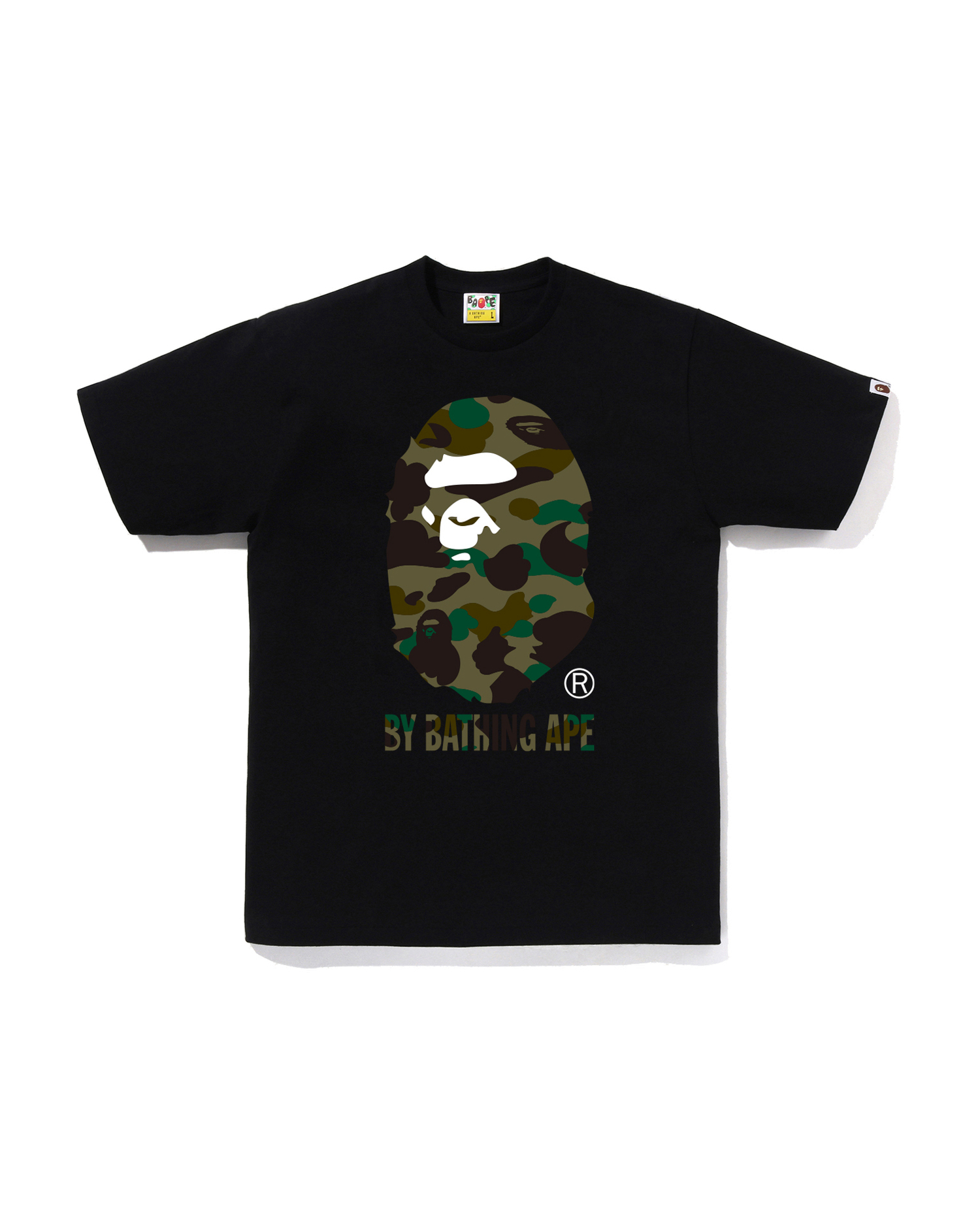
To understand why it lands, you have to understand Mr. Bathing Ape itself. While the parent label BAPE built its empire on camo, sneakers, and the brash energy of Ura-Harajuku street culture, Mr. Bathing Ape was conceived as its grown-up sibling — a line devoted to tailoring, shirting, knitwear, and the understated essentials that wouldn't look out of place in a Mayfair boardroom. From its early collections through the SS19 range covered by everyone from Hypebeast's dapper lookbooks to The Source, the label has argued, consistently, that streetwear's audience eventually wants something with a collar, a canvassed chest, and a proper shoulder line. The HUGO collaboration stretches that argument into a full capsule, and the suit sits at its centre.
The Cut: Slim, Short, Built to Move
The design details are where the tension between the two houses turns productive. The suit carries HUGO's signature slim, contemporary silhouette — a slightly shortened jacket, a tapered trouser, a cut engineered for movement rather than stiffness. Against that, Mr. Bathing Ape contributes its trademark restraint: clean lapels, a considered button stance, branding that whispers instead of shouts. Look closely and the collaborative markings surface — co-branded labelling, a subtle ape insignia worked into the interior or lining, the kind of detail that rewards the wearer rather than the onlooker. Fabrications lean toward lightweight wool and summer-appropriate blends, which is precisely why this capsule reads as a warm-weather proposition rather than a winter tailoring exercise. It's a suit you can wear to a gallery opening at seven and a rooftop bar at ten without ever feeling overdressed or underdressed.
Why the Timing Matters
Culturally, the moment is instructive. BAPE's recent launch of BAPE THINK, its first concept store in Tokyo, signals a brand deliberately rethinking how it presents itself to a maturing audience. Meanwhile, Nigo's ongoing cultural rehabilitation — the AnOther Magazine profiles, the archival reverence — has cemented the intellectual credibility of the entire BAPE universe. Mr. Bathing Ape benefits from that halo precisely because it was always the thoughtful cousin. So when HUGO, a house with its own history of subverting formalwear, partners with that lineage, the result isn't a gimmick. It's a statement about where menswear is actually heading: away from the false binary of streetwear versus tailoring, and toward a wardrobe where both share the same hanger.
Who It's For
This is a suit for the man who came up on sneakers and hoodies but now finds himself holding dinner reservations that demand something sharper. It's for the collector who knows that Mr. Bathing Ape's tailoring output — from its 2011 summer lookbooks through its FW18 elevated essentials — has been quietly excellent for over a decade. And it's for anyone who wants a suit with a point of view, one that signals cultural literacy without resorting to loud graphics. Nothing here is costume. Nothing here is nostalgia for its own sake. It's tailoring with a memory of the street and a respect for the atelier, which is a harder balance to strike than it sounds.
What the HUGO x Mr. Bathing Ape Suit ultimately proves is that the most interesting tailoring of 2024 isn't coming from the traditional houses alone. It's coming from the collision of Shibuya and Stuttgart — two design cultures that, on paper, shouldn't speak the same language, and yet here they are, finishing each other's sentences. The best collaborations don't smooth over difference; they let it show, and then cut a jacket around it. This one fits like it was always meant to exist.