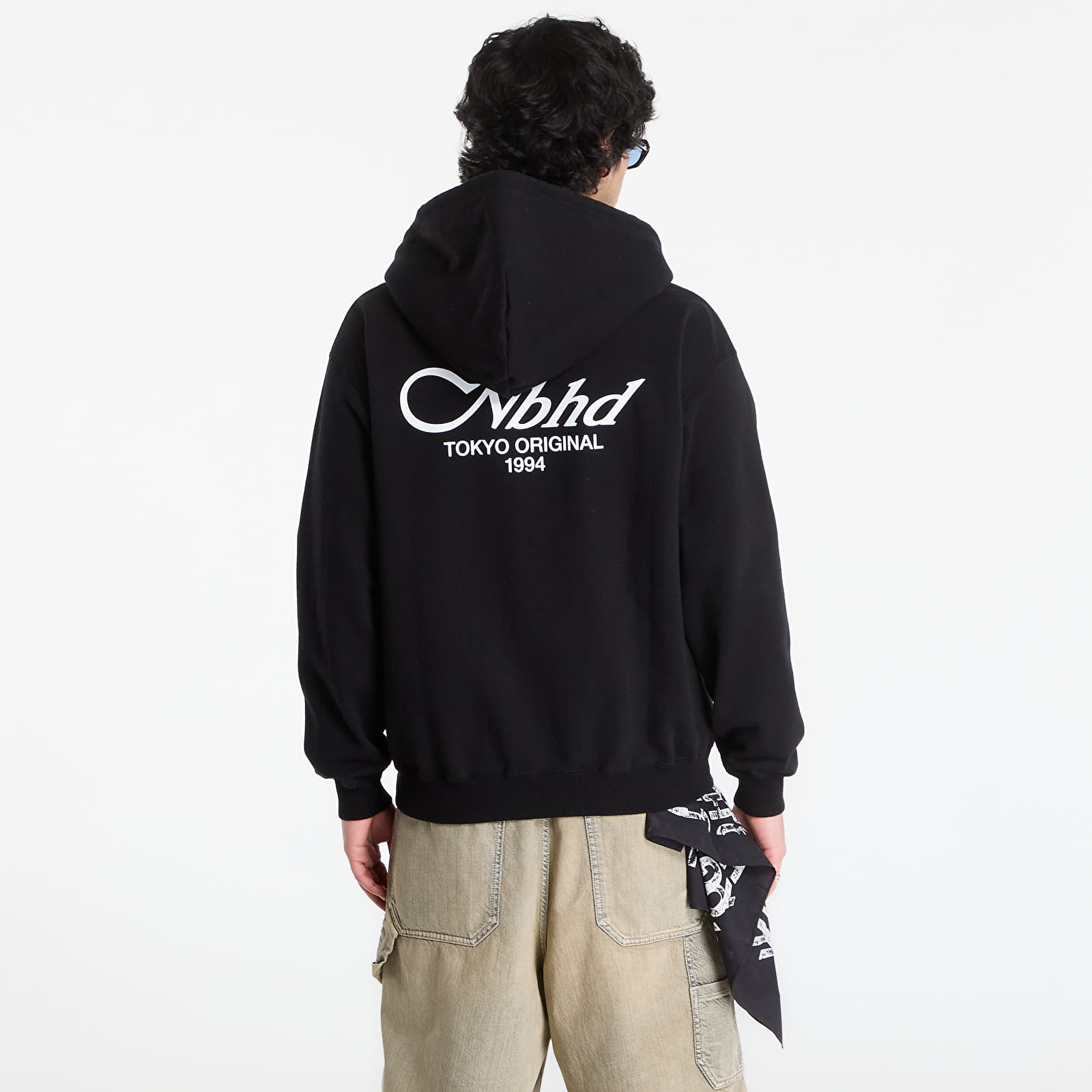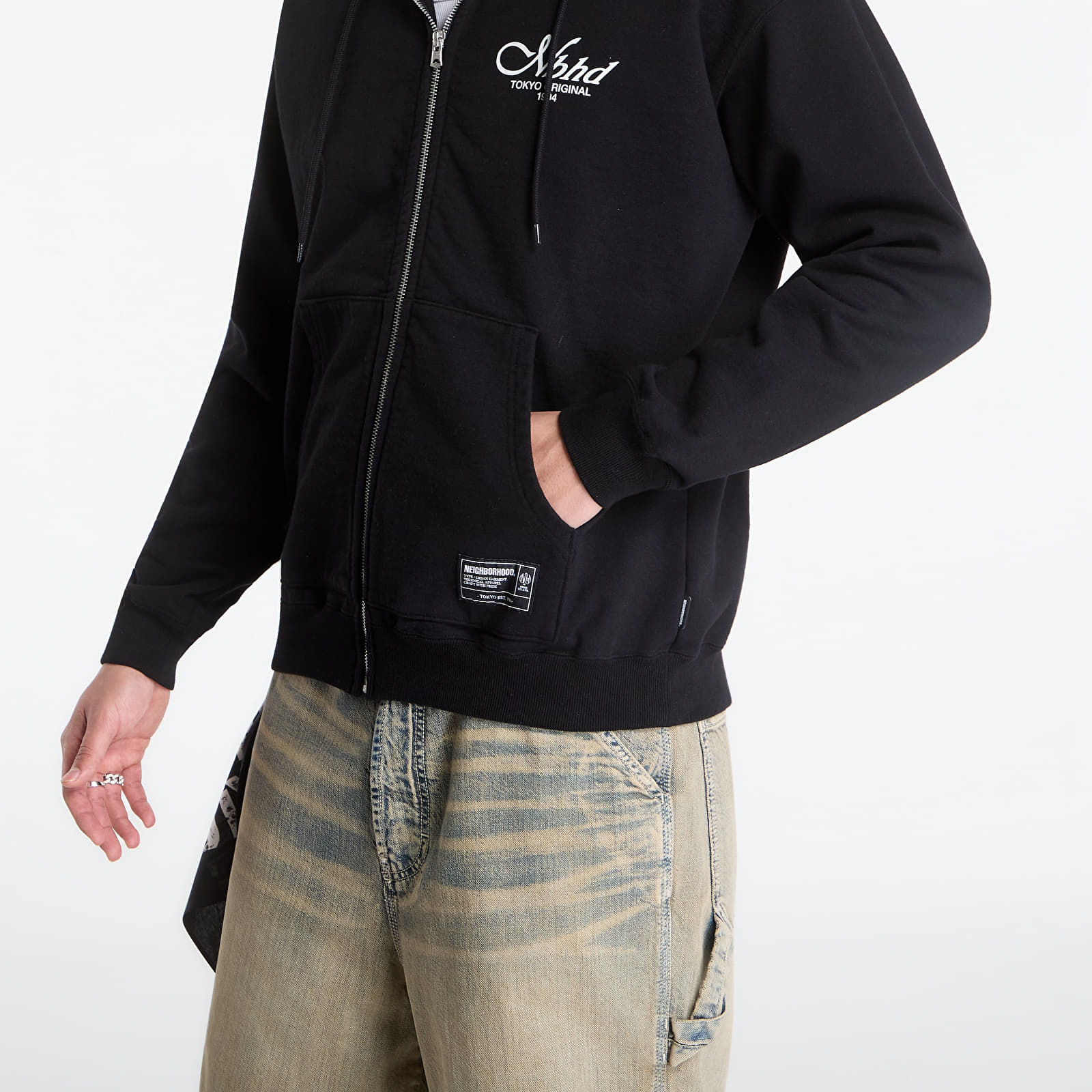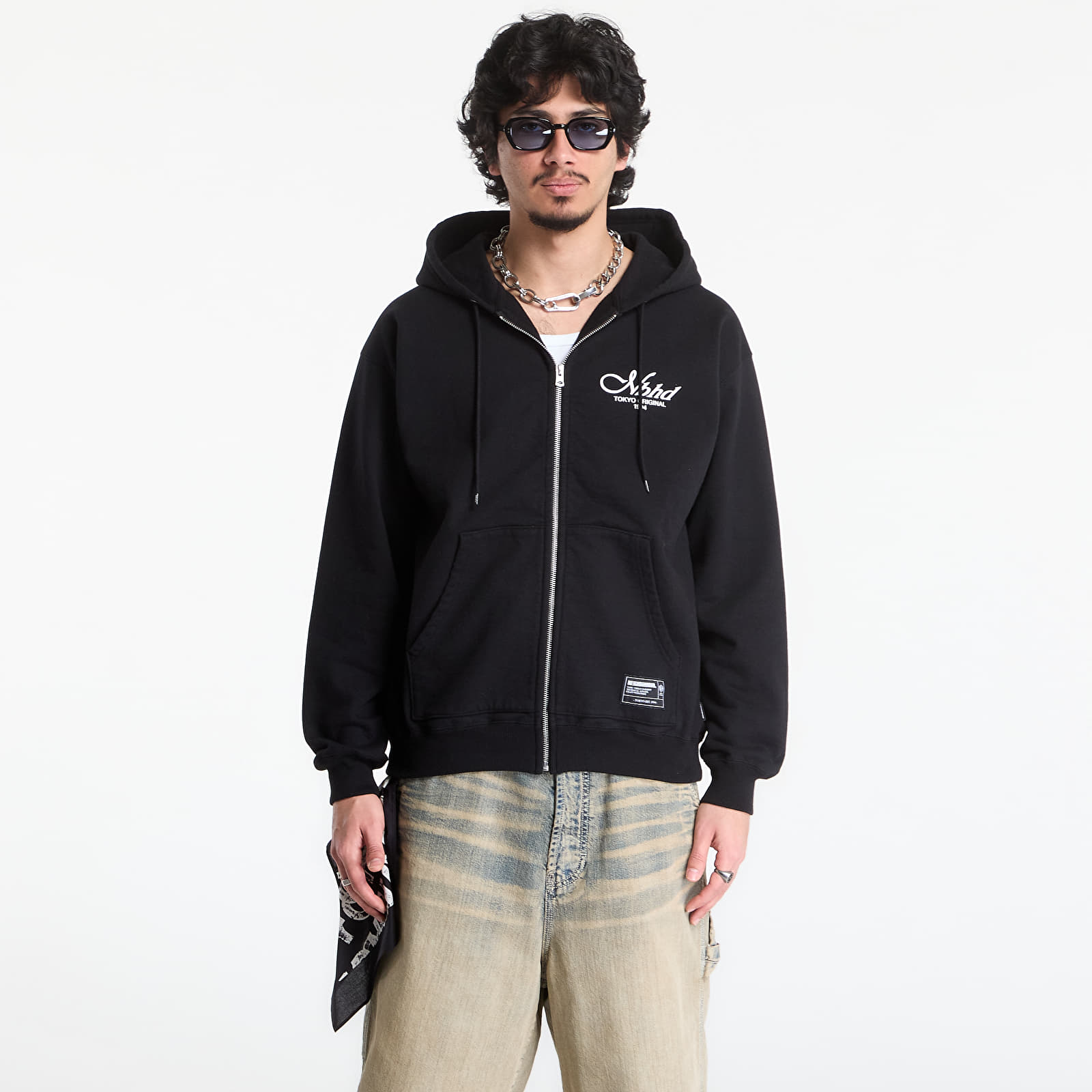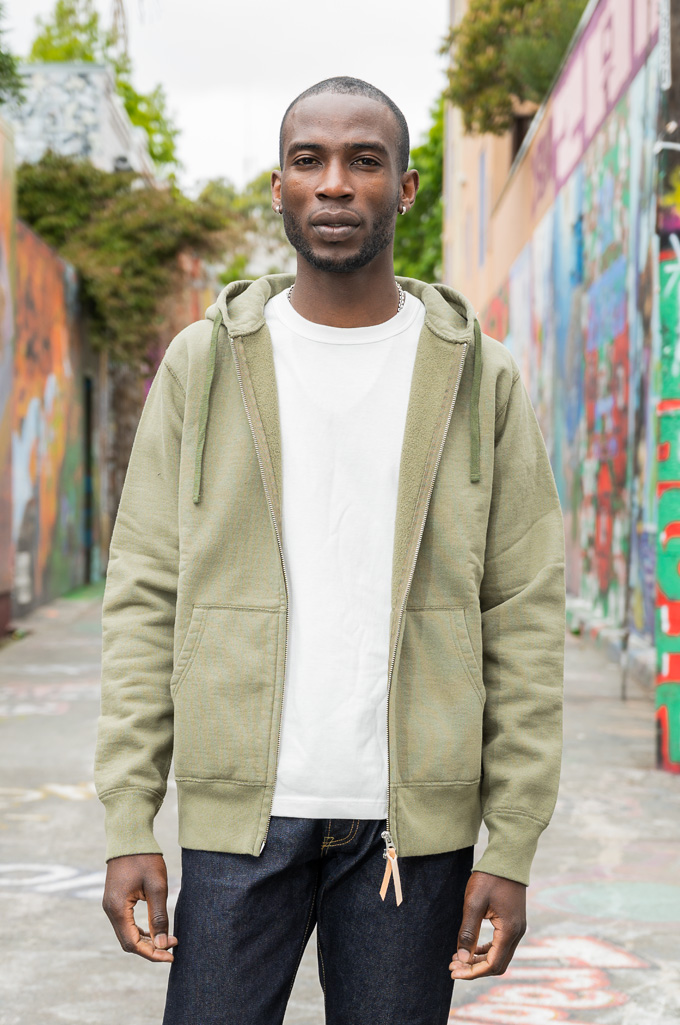
The zip-up hoodie occupies a peculiar position in the modern wardrobe. It is at once utilitarian and expressive, a garment that must perform the quiet work of daily layering while also carrying the visual weight of personal style. Few labels understand this dual mandate as intuitively as NEIGHBORHOOD, the Tokyo institution founded by Shinsuke Takizawa in 1994, and fewer still have executed it with the precision evident in the NHBD Craft Zip-Up Hoodie.
This is not a piece designed to shout. It is a piece designed to endure — in construction, in silhouette, and in the wearer's rotation — which is precisely what makes it significant at a moment when streetwear is quietly pivoting away from hype cycles and back toward genuine craft.
Design Language: Restrained, Industrial, Unmistakably Tokyo
The design language here is unmistakably NEIGHBORHOOD: restrained, industrial, and rooted in the Japanese reverence for functional detail. The full-zip front is anchored by a substantial metal zipper that runs cleanly from hem to collar, offering the kind of tactile reassurance that separates serious garments from disposable ones.
The hood is cut with enough structure to hold its shape when worn up but drapes naturally when down, avoiding the collapsed, shapeless look that plagues lesser fleece. Ribbed cuffs and a ribbed hem provide tension and recovery, keeping the silhouette sharp through repeated wear and washing — a small engineering decision that pays dividends over years rather than weeks.
Branding is handled with characteristic discretion: understated NHBD identification appears where it needs to, never where it doesn't, allowing the garment to function as a blank canvas for the rest of an outfit.
Fabric and Fit: Where the Story Deepens
Materials tell the deeper story. NEIGHBORHOOD has long positioned itself at the intersection of motorcycle culture, military utility, and Tokyo street sensibility, and that heritage is legible in the fabric itself. The heavyweight cotton fleece carries a density that registers immediately on hand-feel — substantial, slightly dry, with a looped interior that traps warmth without bulk.
This is fabric selected for how it ages, not merely how it photographs. Over time, the surface develops the soft patina prized by collectors of Japanese basics, the kind of quiet evolution that turns a purchase into a companion.
The cut follows a relaxed but considered fit, roomy through the body and shoulders without tipping into the oversized extremes that have dominated recent seasons — a silhouette that reads as deliberate rather than trendy.
The Cultural Moment: Elevated Basics Over Logo Maximalism
Culturally, the NHBD Craft Zip-Up Hoodie arrives at a telling moment. Streetwear's center of gravity has shifted from logo maximalism toward what practitioners now call "elevated basics" — garments that reward knowledge rather than broadcast it.
NEIGHBORHOOD, with three decades of credibility and a lineage that predates the current wave by a generation, is uniquely positioned to lead this correction. Where newer labels chase virality, Takizawa's output has always prioritized longevity: pieces that look correct in 1998, 2014, and today.
The zip-up hoodie is perhaps the purest expression of that philosophy, a garment so fundamental that only execution distinguishes it — and execution is where NEIGHBORHOOD has never compromised.
Who It's For: The Wearer Who Has Nothing to Prove
This piece is for the person who has moved past needing to prove anything. It suits the creative professional layering it under a coat for a studio day, the collector who understands why Japanese fleece commands its premium, and the newcomer seeking a first serious investment in a wardrobe that will outlast the season.
It pairs as naturally with raw denim and engineered boots as it does with tailored trousers and clean sneakers, adapting to context without losing its identity. In an era of algorithmic trend acceleration, the NHBD Craft Zip-Up Hoodie offers something increasingly rare: a garment that asks nothing of the moment and gives everything to the wearer.
It is the everyday staple, finally taken seriously — and that, more than any logo, is what modern streetwear craft looks like right now.