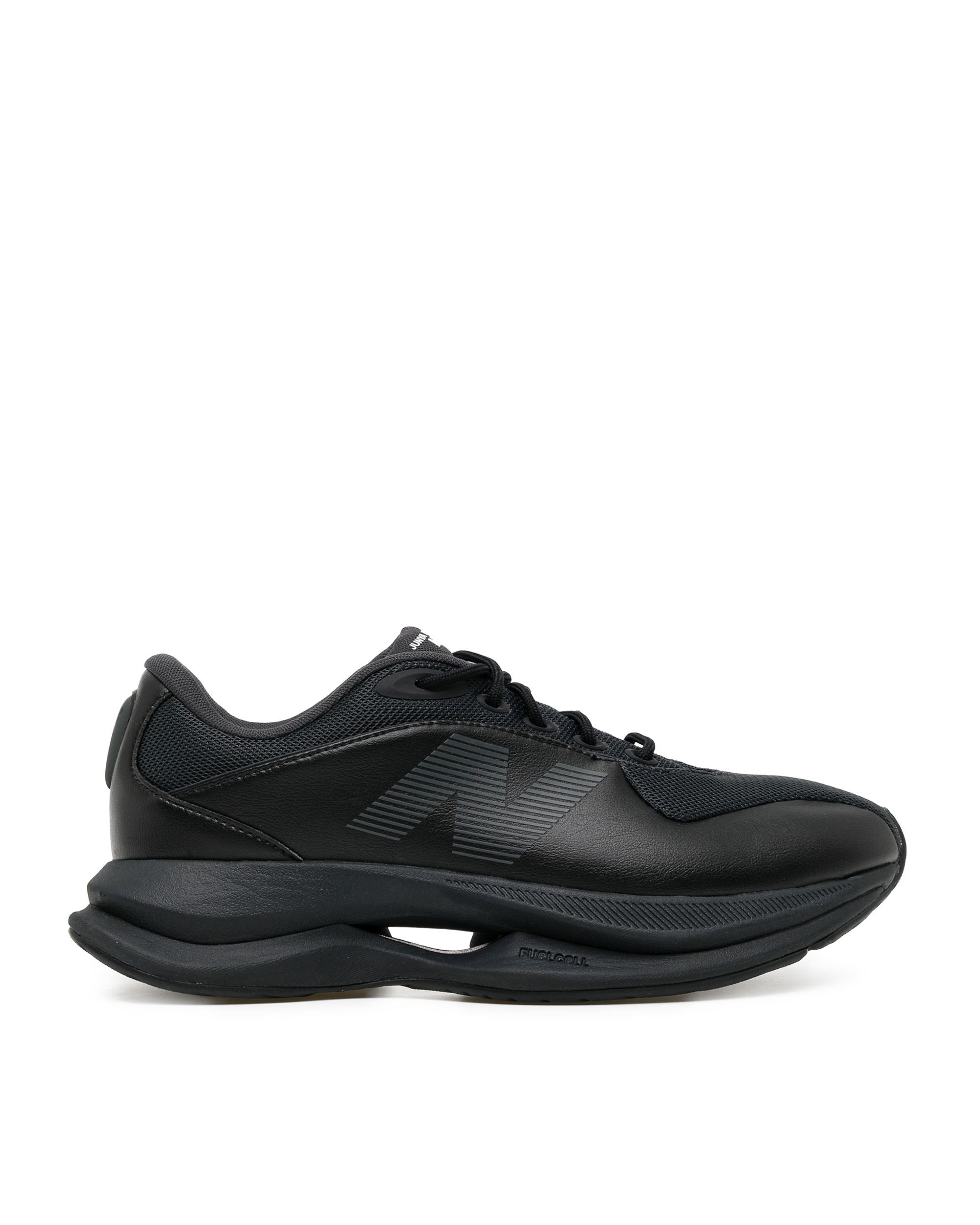
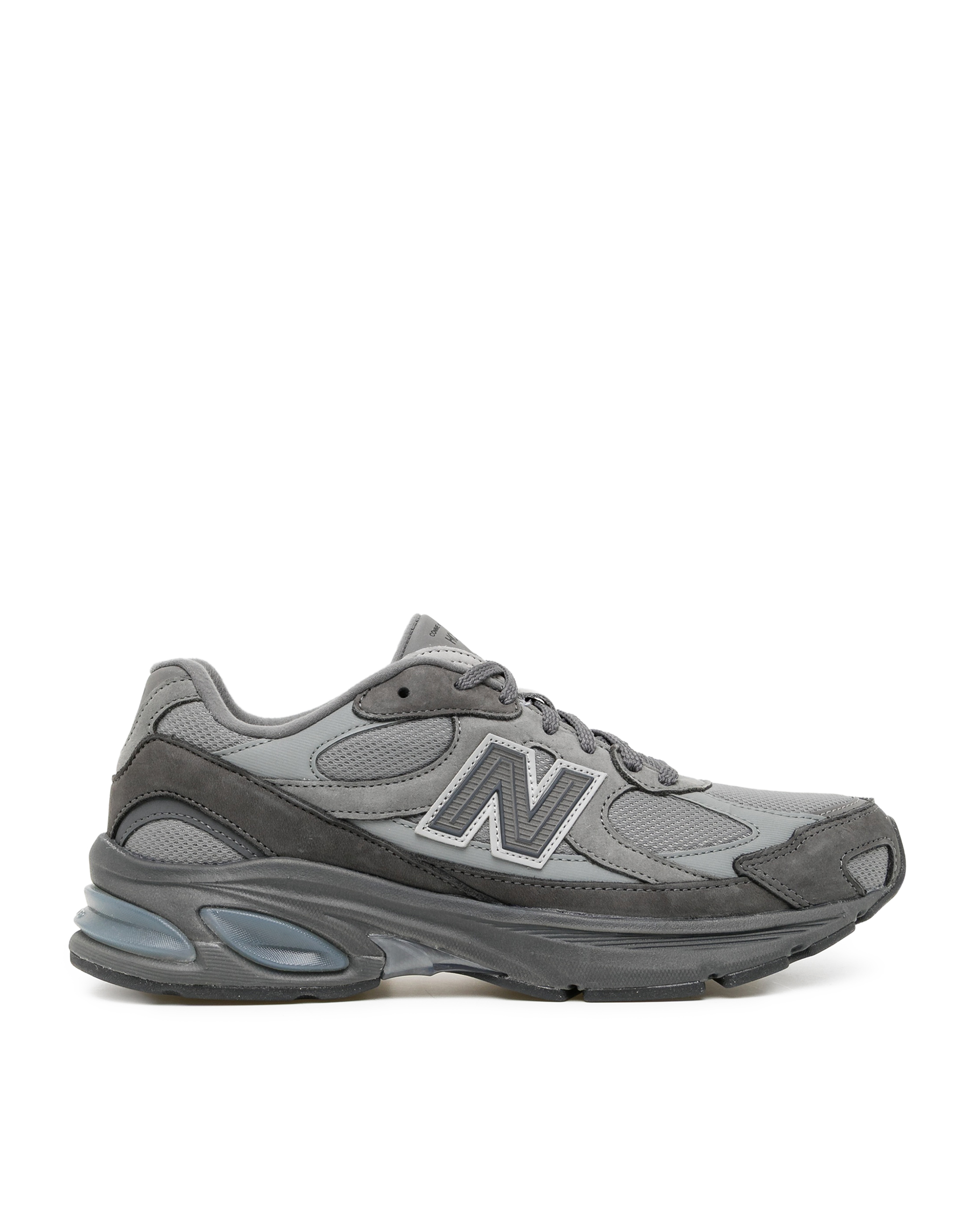
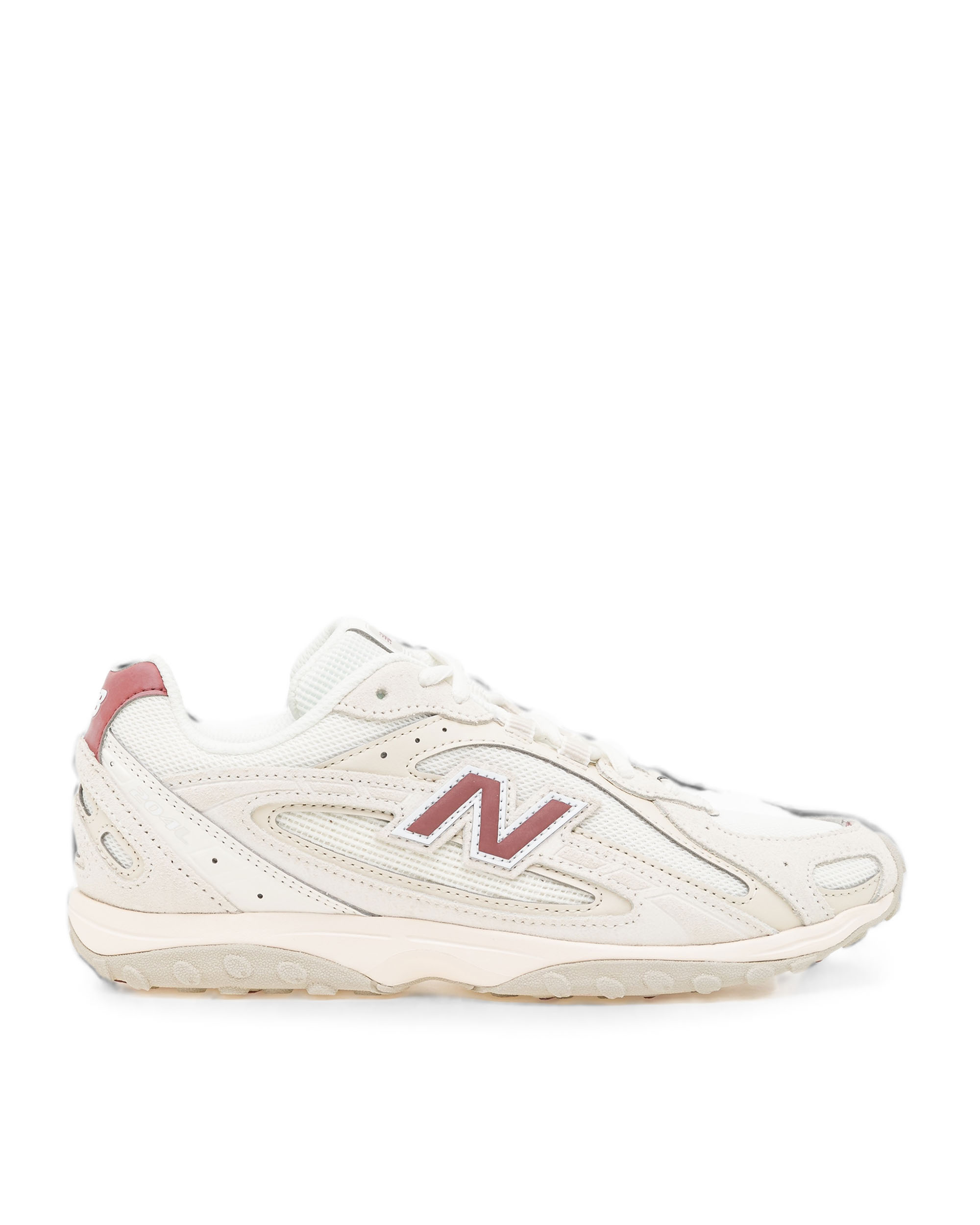
There is a particular kind of quiet panic that sets in when a man who has built his identity on the cushioned sole of a 990 is forced to confront a dress code. The loafer, that perennial symbol of preppy adulthood, has always felt like a betrayal of the arch support that got you through the workday. But New Balance, the Boston-based behemoth known for its technical running heritage, is dismantling that binary with a subversive twist on the most polarizing silhouette in footwear history: the Mary Jane. Recent coverage, particularly from British GQ, has zeroed in on a strap-and-buckle model being described as a Mary Jane for guys who hate Mary Janes—and it signals a far more significant cultural shift than a mere novelty drop. This is the sneaker giant reasserting its dominance not by chasing the next hyped collab, but by redefining the very parameters of what a dress shoe can be for the modern man.
The Art of the Quiet Pivot
The genius of this move lies in the execution of familiarity. Rather than cannibalizing the aggressive, chunky dad-shoe aesthetic that made the 9060 a bestseller, this new offering leans into a refined, almost minimalist construction that whispers rather than shouts. The upper is rendered in supple, premium leather, devoid of the garish overlays and reflective hits that dominate the performance line. The silhouette is clean, the toe box is structured, and the single strap across the instep is the only nod to the schoolyard classic. It is a deliberate act of sartorial alchemy, taking a design language historically coded as feminine or juvenile and recontextualizing it within the lexicon of menswear’s current obsession with fluid, androgynous dressing. In a fashion cycle where gender norms are being actively dissolved, the male Mary Jane becomes less of a gimmick and more of a statement of confidence—a nod to the runways of Loewe and Miu Miu that have been flirting with similar shapes for seasons.
Comfort as the Ultimate Leverage
What makes this move so strategically brilliant is how it leverages New Balance’s core competency: comfort. The brand is not asking men to sacrifice their soles for style; they are asking them to embrace a silhouette that offers the same structural integrity as their favorite sneaker, but with a leather-clad exterior suitable for the office or a dinner reservation. This is the evolution of the "dress sneaker," a category that has long been the compromise of the stylish but practical man. Early iterations of that genre were often clunky, trying too hard to look like a sneaker while pretending to be a shoe. This Mary Jane, however, eschews that conflict entirely. It is unapologetically a shoe, yet it carries the DNA of a brand that understands foot fatigue intimately. The strap is not just a design flourish; it provides a locked-in fit that mimics the security of a laced runner, offering a stability that a traditional penny loafer simply lacks.
Timing Is Everything
The timing is impeccable, arriving at a moment when the "ugly" shoe trend has plateaued and consumers are seeking something that feels both elevated and slightly wrong in the best possible way. The recent news cycle has been dominated by New Balance’s more commercial wins—the back-to-school sneaker lists, the traveler-approved comfort picks, and the early Labor Day sales on the 9060. But it is the outlier stories, like the picnic-inspired gingham reimagining of the 204L and the pink treatment of their "weirdest silhouette," that reveal the brand’s true trajectory. They are testing the waters of the avant-garde, but the Mary Jane is the bridge between that experimental playground and the mainstream. It gives the fashion-forward consumer a reason to look at the brand beyond the running track, while still providing the dependable quality that has built their loyal following.
The Strap Is the New Status Symbol
Ultimately, this is not about convincing every man to throw away his oxfords. It is about offering a choice—a new option for the man who views his footwear as an extension of his personality rather than a uniform requirement. The New Balance Mary Jane suggests that the future of men’s formalwear is not about stricter rules, but about the freedom to reinterpret them. It is a shoe that holds a certain tension: the tension between the boardroom and the skate park, between the schoolyard and the museum opening. And in that tension, New Balance has found a sweet spot that few brands can occupy—a place where heritage meets rebellion, and where comfort is the ultimate luxury. The loafer had a good run, but the strap is the new status symbol for the man who refuses to be boxed in.