Rick Owens has spent three decades building a universe out of shadow, grit, and monumental silhouette. So the proposition at the heart of his Spring 2027 womenswear collection carried a quietly radical charge: what happens when the high priest of darkness decides to let the light in?
Shown on the Paris runway to reviews that placed it among the season's very best, the collection — described by Lampoon Magazine as one that turns stone into light — marks one of the most consequential pivots of Owens's career. It is also one of the most unexpectedly moving.
A Geological Opening
The material language tells the story. Owens opened with looks that read as geological: dense, mineral textures, sculptural layering, and the kind of brutalist volume that has defined his house since the nineties.
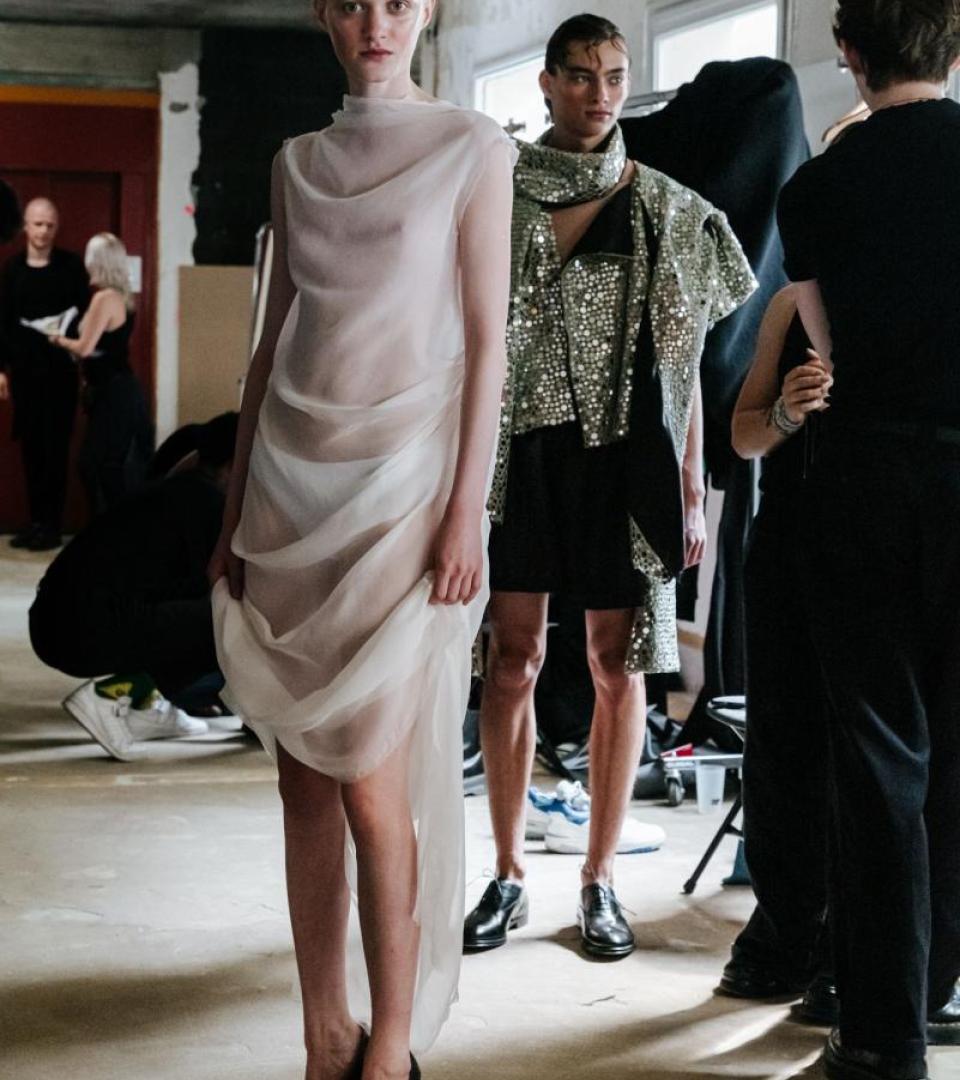
But as the show progressed, that weight appeared to dissolve. Translucent fabrics, pale washes, and luminous treatments transformed the collection's stony palette into something almost ethereal — garments that seemed lit from within rather than merely worn. It is a technical achievement as much as a poetic one, and critics noted that the effect felt less like a theme than a genuine transmutation, as if the clothes themselves were passing through a state change on the runway.
A Couture State of Mind
This is Owens working in what AnOther Magazine called a "couture state of mind." The phrasing is apt. Even within a ready-to-wear framework, the Spring 2027 womenswear carries the deliberateness of haute construction — elongated lines, controlled drape, and a rigor that rewards close looking.
The signature codes remain intact: the asymmetric cutting, the architectural shoulders, the tension between the body and the garment. What's new is the permeability. Where past collections armored the wearer, this one allows air, movement, and — crucially — softness to enter the equation.
Flower-Eyed and Open-Hearted
Hero Magazine summed up the shift with the phrase "flower-eyed and open-hearted," and that registers as more than a clever headline. Owens has always been a romantic in gothic clothing, but Spring 2027 lets the romance surface without the armor.
The collection arrives at a cultural moment when fashion's appetite for hardness — dystopian styling, survivalist layering, the aesthetics of collapse — has begun to feel exhausted. Vanity Fair's much-discussed "How the Freaks Took Over Paris Fashion Week" captured the mood of a season dominated by outsiders and provocateurs. Owens, the original freak among freaks, responded not with escalation but with tenderness. The provocation, this time, is beauty.
Form as Philosophy
Context matters here too. Owens's broader practice — including his furniture work, recently the subject of attention from no less an institution than The Museum of Contemporary Art — has always treated objects as vessels for philosophy. A chair, a jacket, a dress: each is an argument about form and endurance.
Spring 2027 extends that argument into light itself, suggesting that the house's monumental stone aesthetic was never the destination, only a stage on the way to something more luminous.
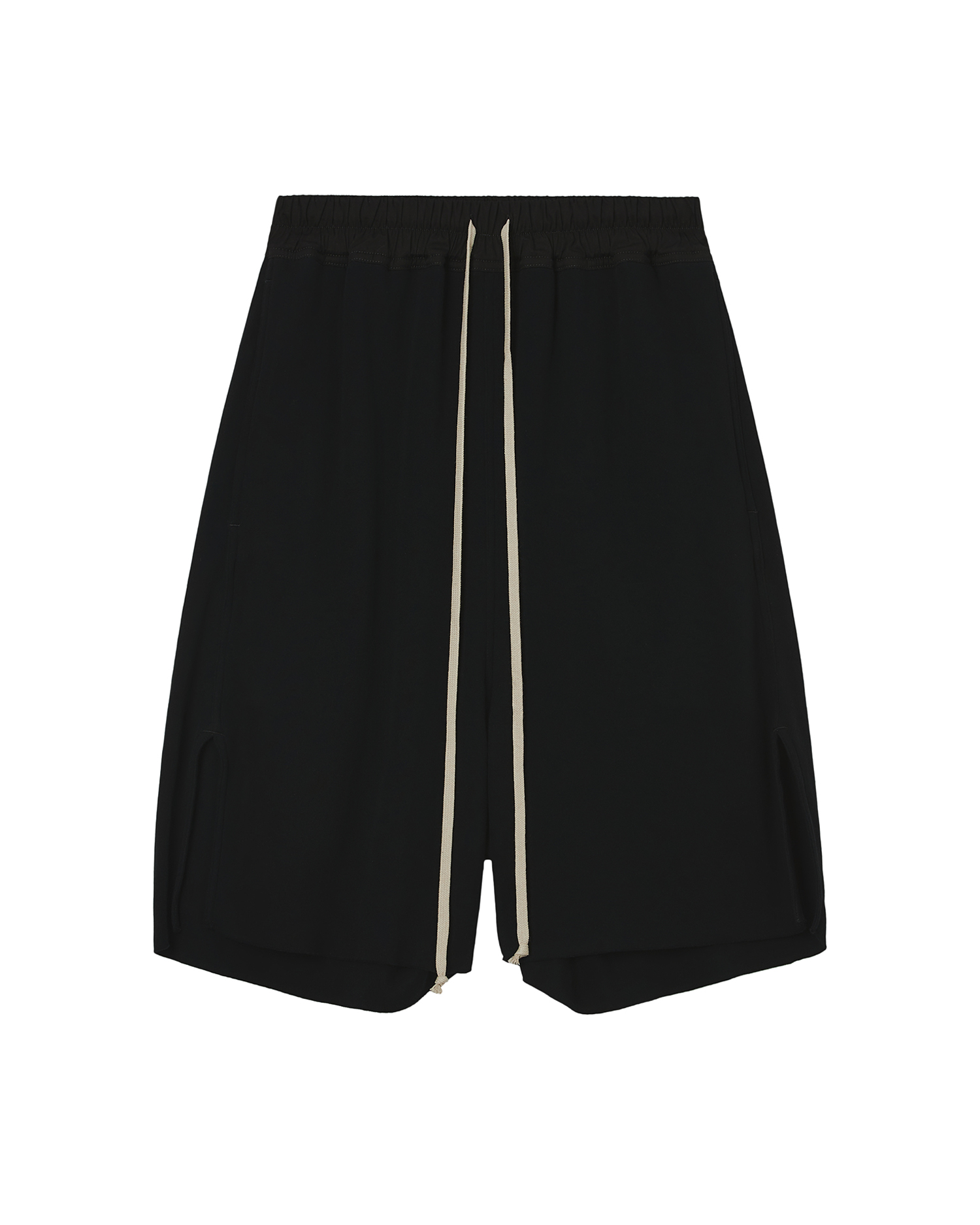
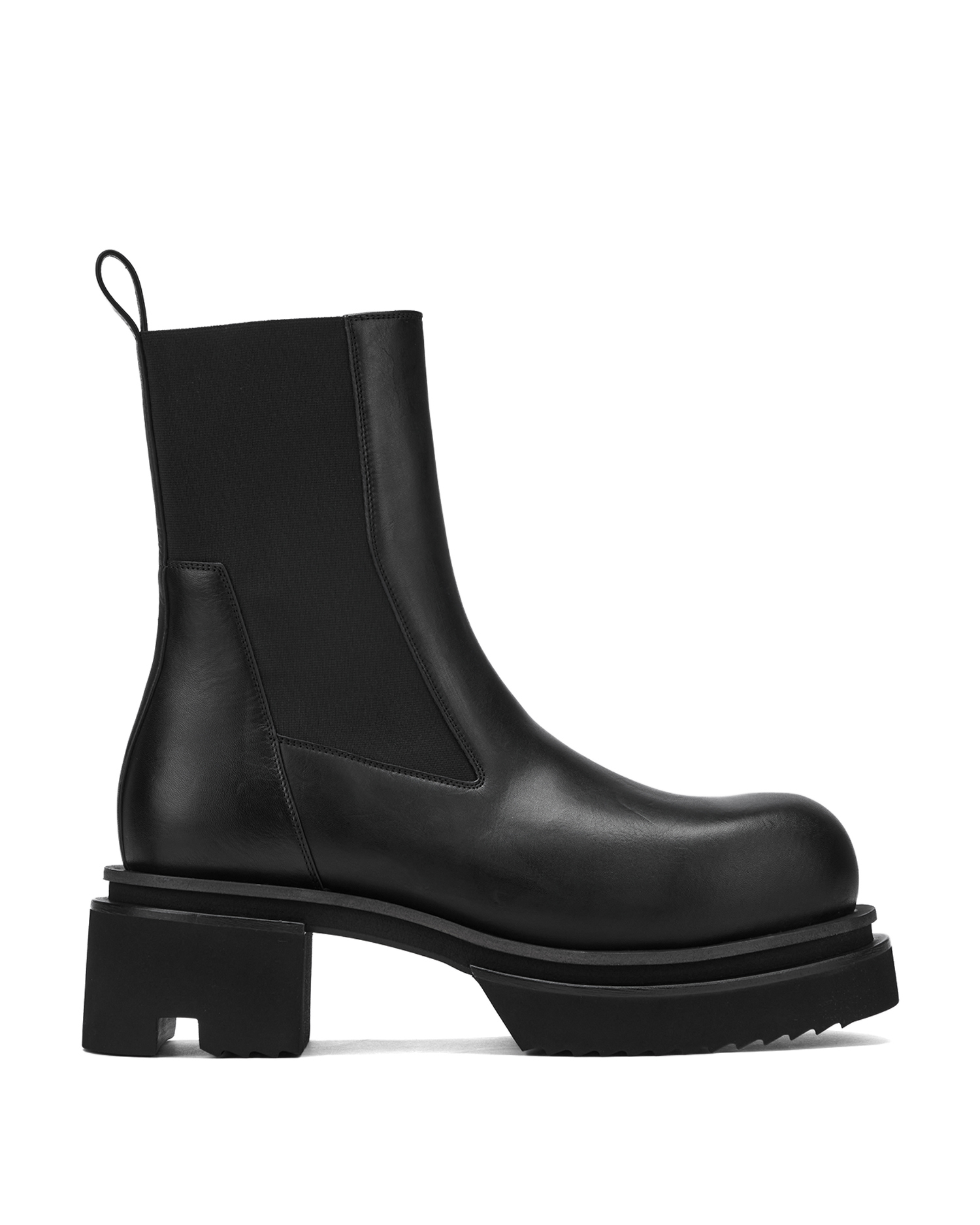
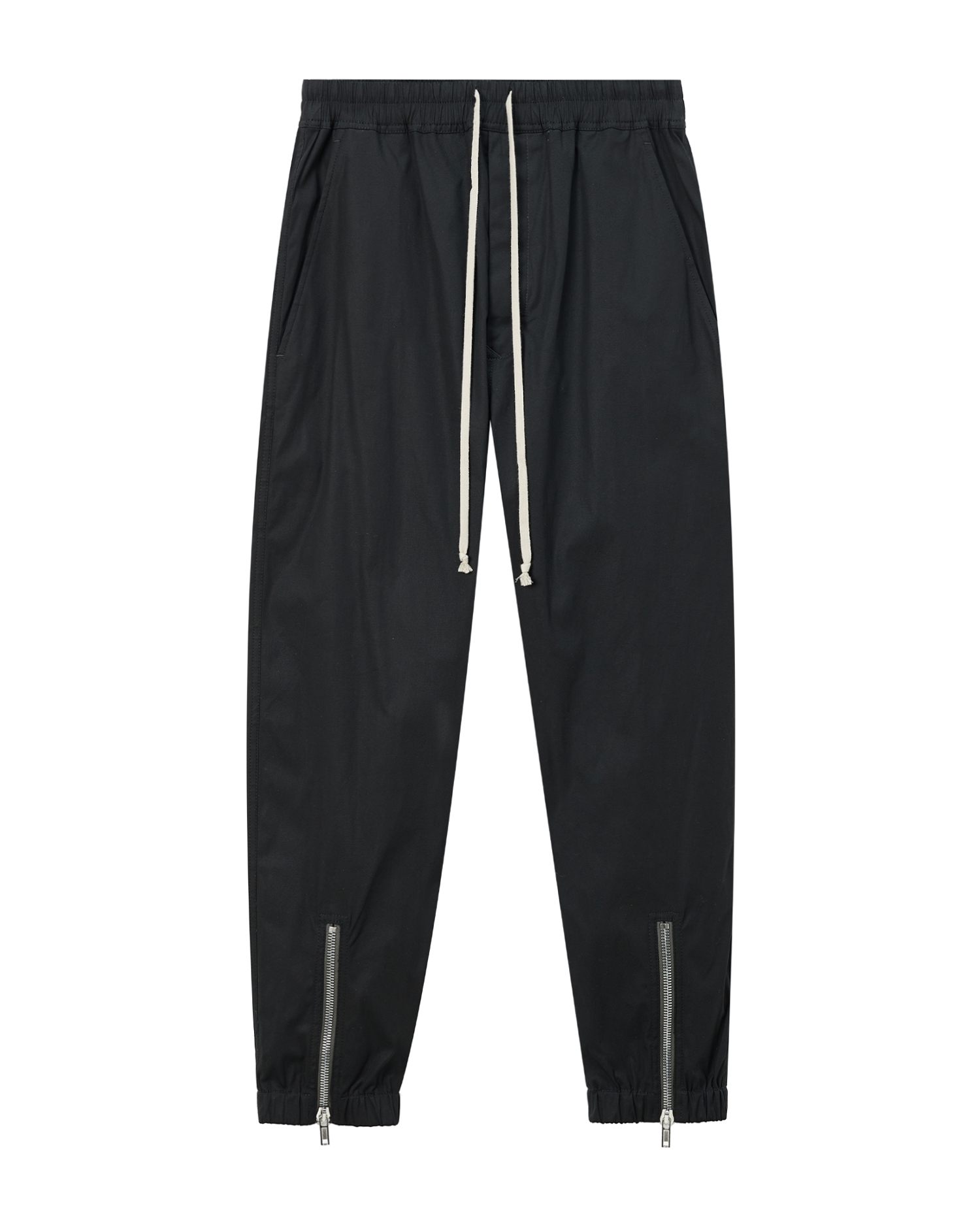
Who is this collection for? Certainly the devoted Owens client — the one who understands that a Rick Owens garment is a lifelong object, not a season's novelty. But also, and more pointedly, for anyone who has found his world beautiful yet forbidding. The Spring 2027 womenswear offers an entry point: the same uncompromising vision, the same refusal of trend, but with a new generosity of spirit. Pieces from the collection are already circulating through retail channels like HBX, where new Owens arrivals reliably draw the faithful.
The Business of Fashion placed the show among the top ten of the season, and the consensus across Vogue, WWD, Dazed, and Wallpaper* confirmed it. But the accolades matter less than the proposition.
In a Paris season defined by spectacle and shock, Rick Owens — the man who built his reputation on the darkest materials imaginable — delivered the rarest thing on the runway: a genuine transformation. Stone into light. Armor into openness. That the collection manages this without abandoning the severity that made his name is its quiet miracle, and it stands as the definitive statement of the season.