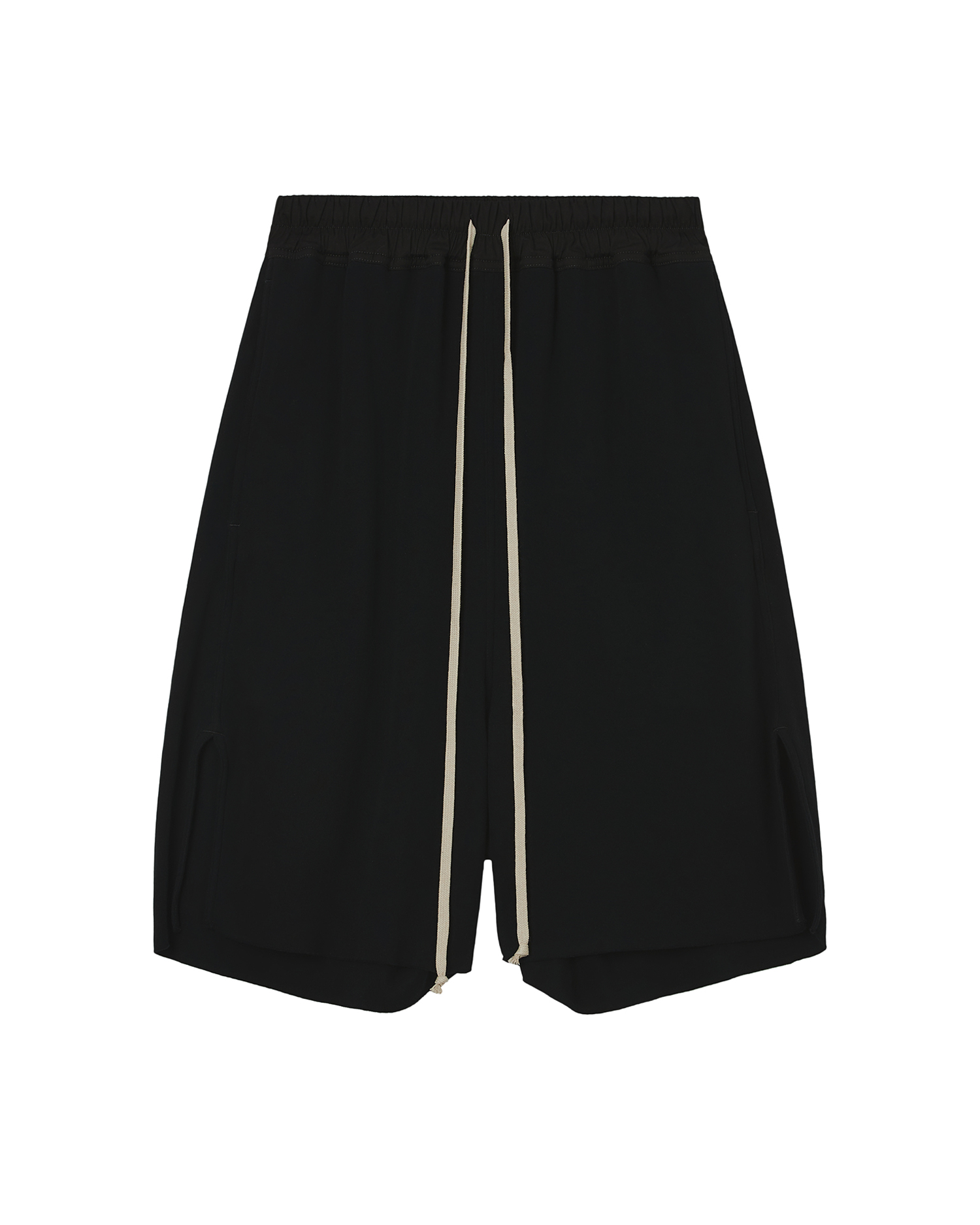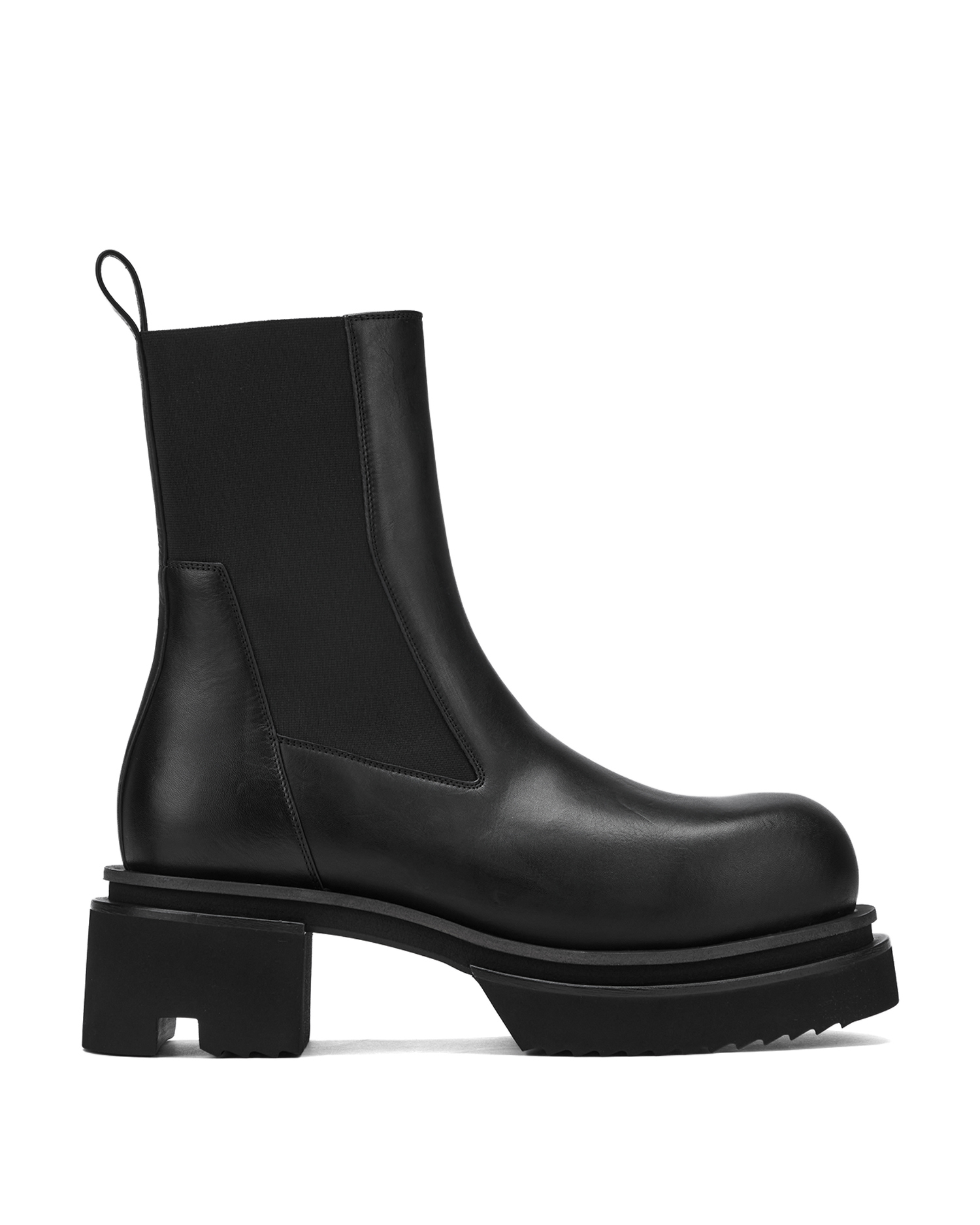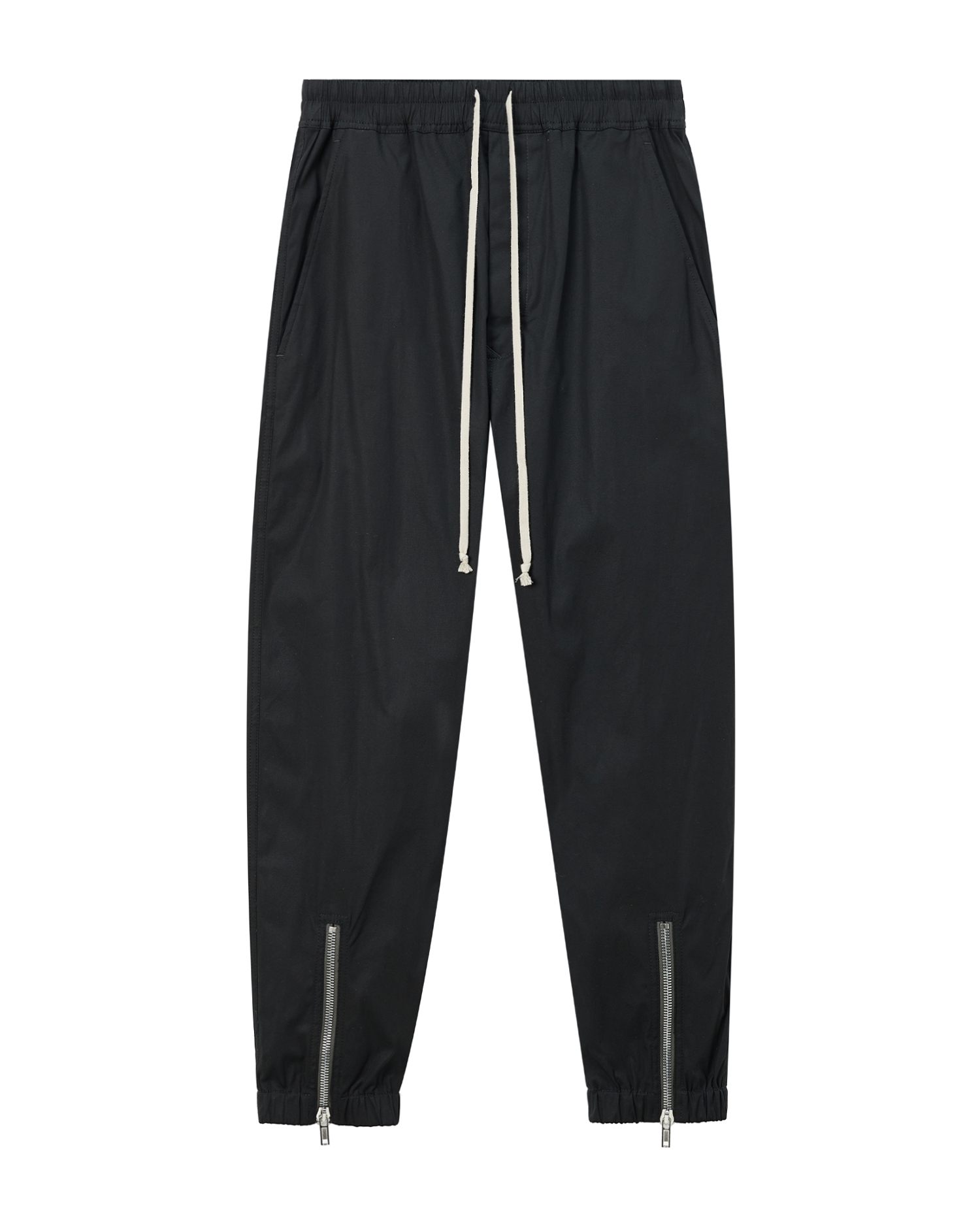
The Parisian heatwave that descended upon the Spring 2027 menswear shows was not merely a backdrop; it was a protagonist. As temperatures climbed to suffocating extremes, the industry’s collective gaze turned to the one designer who has always treated discomfort as a raw material. Rick Owens, never one to capitulate to the whims of weather, responded not with sheer linens or breezy cottons, but with something far more conceptually audacious: a collaboration with adidas that transforms the humble tracksuit into a piece of wearable air-conditioning. It is a move that feels both absurdly luxurious and deeply pragmatic, a signature Owens paradox that elevates sportswear into the realm of climate-adaptive armour.
The new pieces, already generating viral buzz across fashion media from Vogue Adria to Hypebeast, are not your standard gym-adjacent separates. They are engineered garments, infused with a cooling technology that actively combats the oppressive heat rather than merely acknowledging it. In an era where luxury is often defined by excess or heritage, Owens has pivoted to a more visceral form of opulence: thermal regulation. The idea is radical in its simplicity—why should high fashion merely look good when it can also make you feel profoundly better? By embedding micro-fans or phase-change materials into the sleek, elongated silhouettes he is known for, Owens has effectively turned the adidas three-stripe logo into a badge of functional salvation. The tracksuit, once a symbol of leisure or street-level rebellion, becomes a personal microclimate, a fortress against the existential dread of a warming planet.
The Philosophy of Survival
This is not merely a gimmick; it is a philosophical statement from a designer who has spent decades exploring the intersection of the body, the environment, and the objects we use to shield ourselves from both. In his Spring 2027 show, Owens faced the heat head-on, presenting a collection that was as much about survival as it was about style. The air-conditioned track jackets, with their padded, almost architectural construction, look less like sportswear and more like the uniform of a future where the climate is the ultimate adversary. The collaboration with adidas is particularly potent because it grounds the absurdity in familiarity. By taking a universally recognised item and subjecting it to his brutalist, dystopian vision, Owens creates a tension that is intellectually stimulating and visually arresting. The result is a garment that speaks to our current anxieties while offering a tangible, almost sci-fi solution.
Engineering the Unseen
The design itself adheres to the Owens canon: oversized proportions, a muted palette of bone, dust, and shadow, and a sculptural quality that makes the wearer appear as a monument to endurance. But the internal engineering is where the magic lies. Reports from the front row noted a palpable sense of relief among those who managed to try the pieces on—a cool breeze emanating from within the very fabric, a stark contrast to the stifling air of the venue. It is a masterstroke of experiential marketing, but more importantly, it signals a potential new direction for luxury fashion. As the industry grapples with the realities of climate change, the notion of garments that actively adapt to their environment moves from novelty to necessity. Owens, as ever, is ahead of the curve, treating the runway not just as a display of aesthetics but as a laboratory for survival.
The Optimism of Darkness
The irony is not lost that a designer famed for his dark, gothic sensibilities has delivered one of the most optimistically functional pieces of the season. There is a quiet hope in the idea that we can engineer our way out of discomfort, that the very clothing on our backs can offer a respite from the world’s increasing hostility. The Rick Owens x adidas air-conditioned tracksuit is more than a viral moment; it is a blueprint for a future where luxury is measured by its utility to sustain us. As Owens continues his expansion—from a new boutique in Ibiza to a planned Chicago store—he proves that his empire is built on more than just provocative silhouettes. It is built on a profound understanding of the human condition, one that now includes the simple, desperate need to stay cool. In a world on fire, he has handed us a personal breeze, and it looks devastatingly good.