There is a particular magic in the moment a designer stops chasing the next season and begins to curate the ones that have already passed. For Sandy Liang, that moment arrives not in a runway show or a retail drop, but in the pages of a hardcover monograph. When Vogue reported that Liang realized she didn’t have an archive, so she made one with Rizzoli, the revelation felt less like a confession and more like a manifesto. In an industry obsessed with the ephemeral—the fleeting trend, the viral moment, the instant sell-out—Liang has performed a radical act of permanence. Her new book, *Dressing Up*, is not merely a retrospective; it is a strategic rebranding of her entire design ethos, transforming a young label into a legacy house before our very eyes.
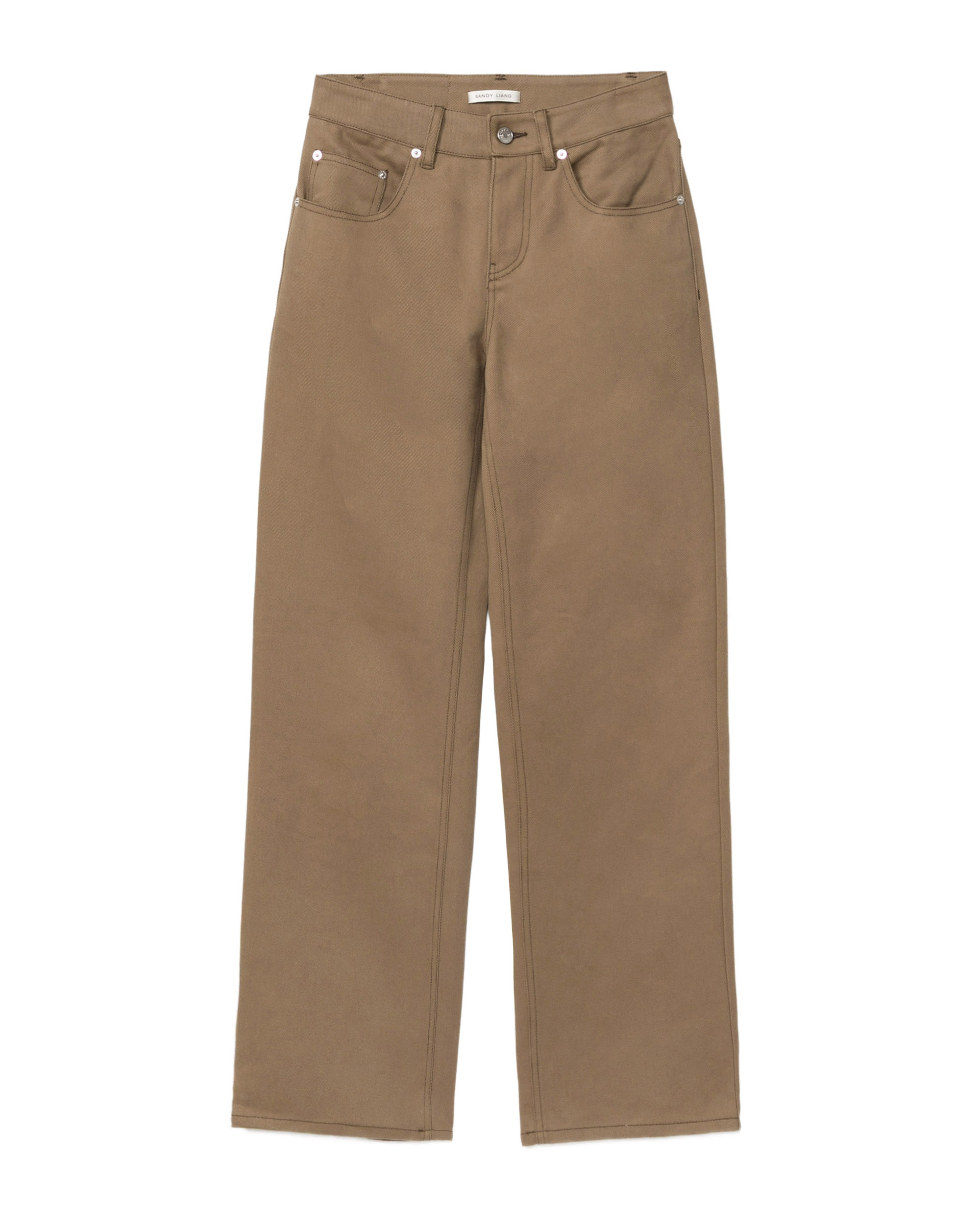
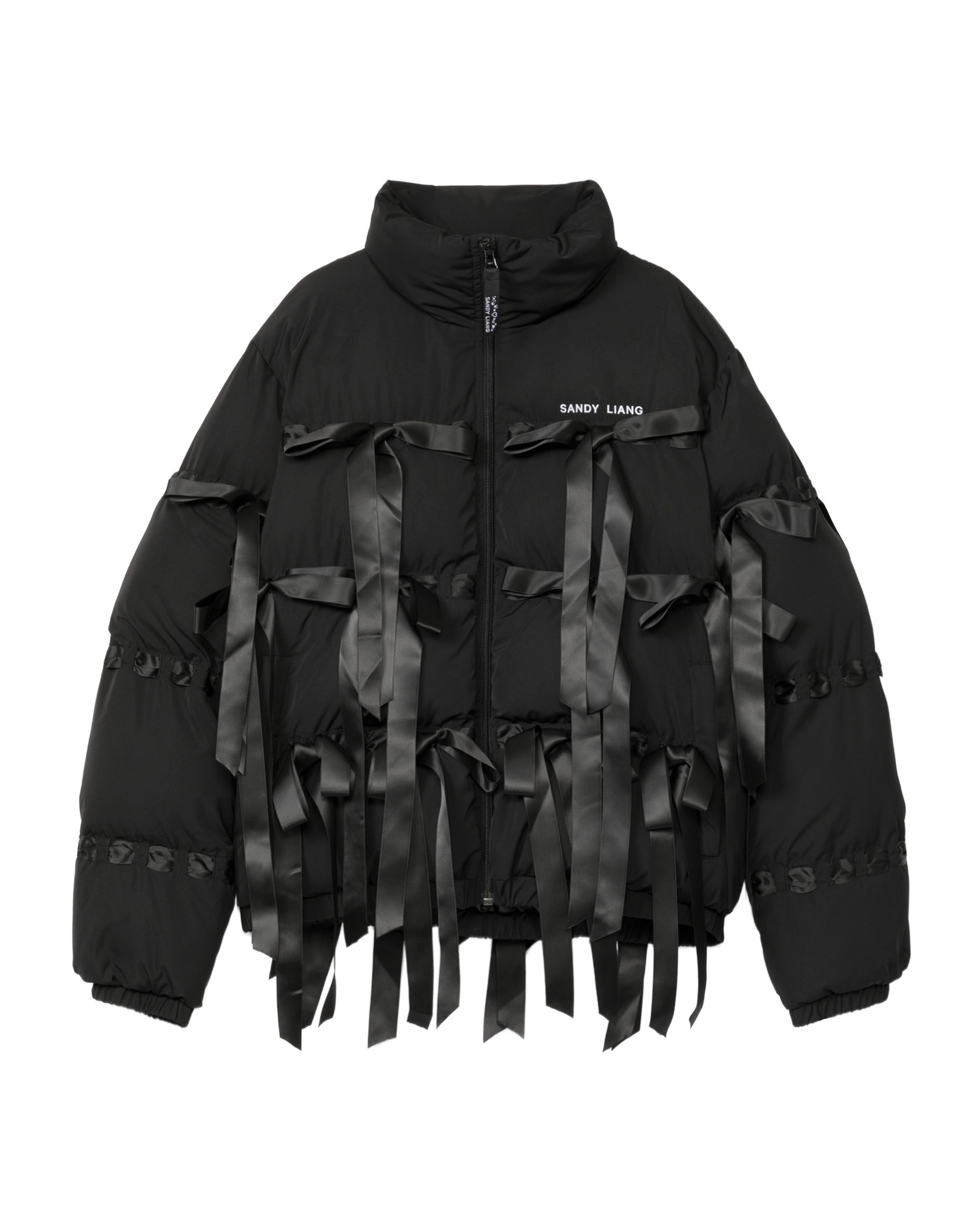
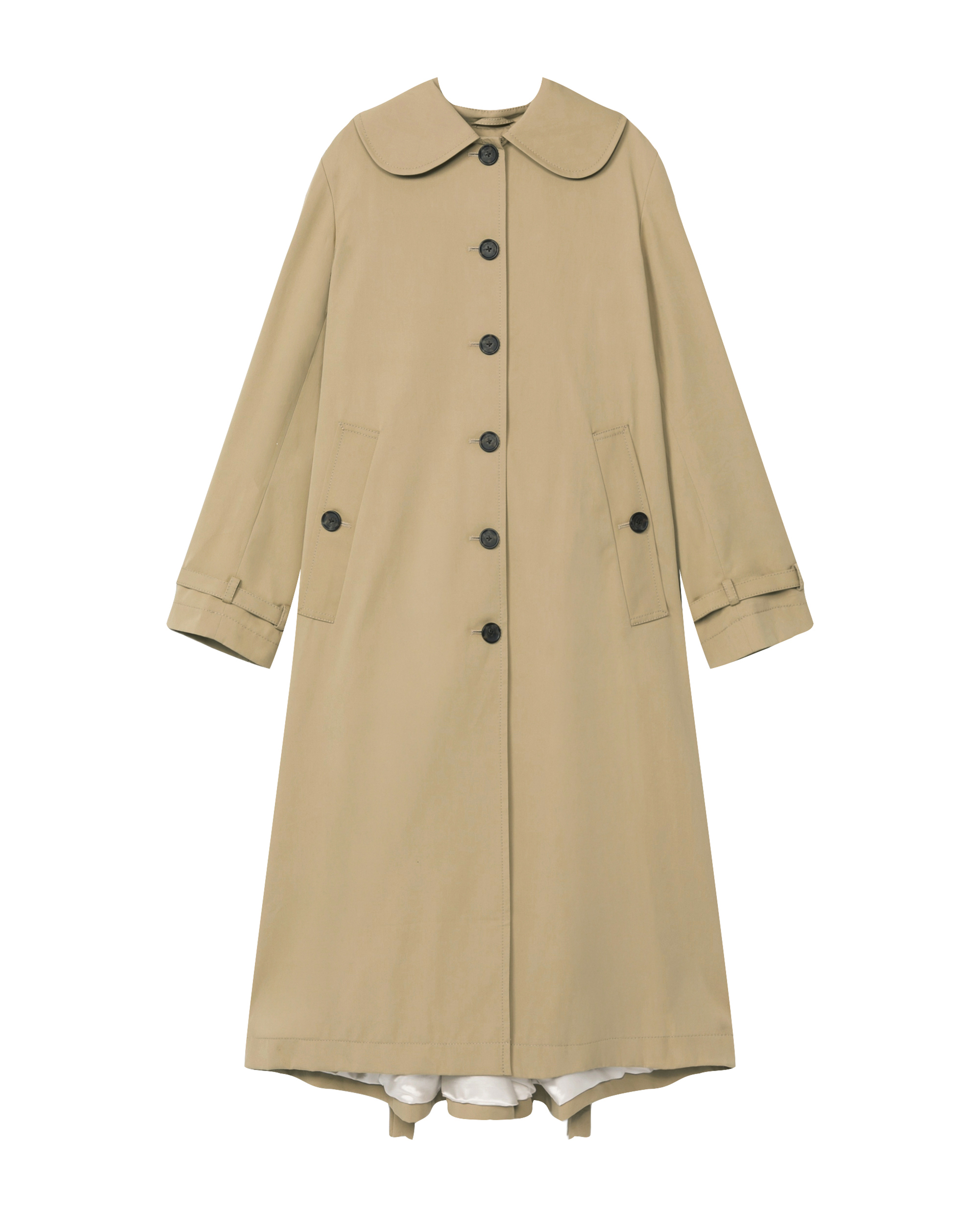
The timing is impeccable. As the news cycle buzzes with her Cou Cou x Sandy Liang collaboration—a collection ELLE called "ridiculously charming" and The Cut welcomed as "whimsical"—Liang has cleverly shifted the conversation from product to provenance. The Rizzoli tome anchors her work in a tangible, collectible object, giving her aesthetic the weight of history that typically takes decades to accrue. This is the archive-as-brand: a deliberate move to codify the visual language of bows, shearling, and Lower East Side girlhood into something that feels both eternal and intimately personal. By opening her personal archive through the book, as VEIN Magazine noted, Liang invites us not just to consume her clothes, but to understand the emotional cartography behind them.
More Than a Coffee Table
What makes *Dressing Up* so compelling is its refusal to be a conventional coffee-table vanity project. Liang’s approach mirrors the way she designs: intuitive, nostalgic, and unapologetically feminine. The book weaves together lookbook imagery, behind-the-scenes Polaroids, and personal ephemera, creating a scrapbook effect that feels far more intimate than a traditional fashion monograph. It acknowledges that her true archive was never in a garment district warehouse, but in the accumulated memories of her grandmother’s apartment, the ballet studios of her youth, and the specific chaos of downtown New York. In making the archive, she is also making the myth—and the myth is the brand.
Thumbing through the pages, you can almost feel the nubby texture of a shearling collar, the slick ribbon of a satin bow pulled tight. It’s a sensory experience that digital lookbooks flatten. The book makes you want to reach out and touch the clothes, to inhabit the world she has built. That tactility is the point: Liang understands that in an age of infinite scrolling, the physical object—the hardcover, the weight of the paper, the intimacy of the image—is itself a luxury.
The Commercial Pivot
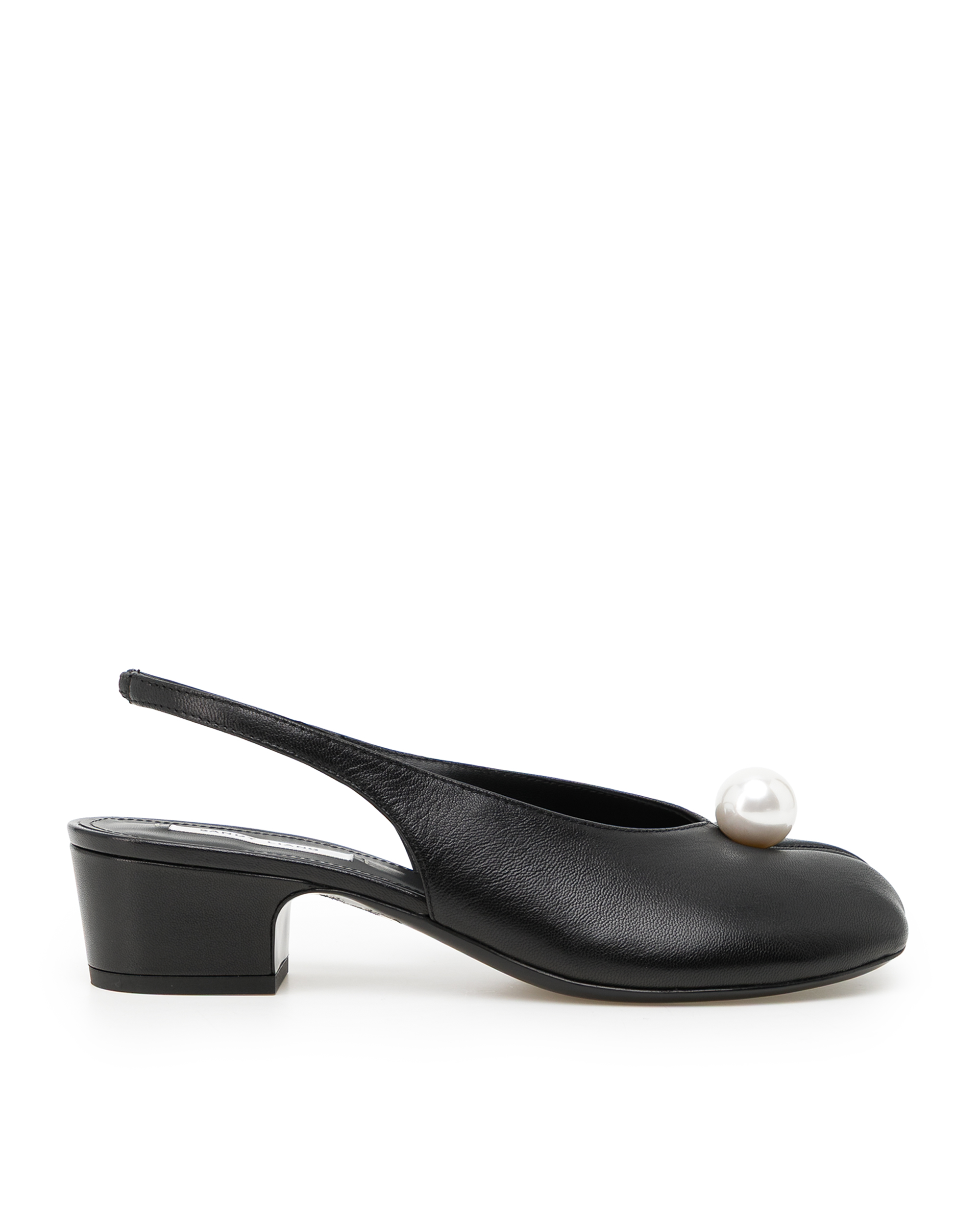
This pivot arrives at a moment of significant commercial expansion. The designer recently signed with Lighthouse Management & Media, a move that signals ambitions beyond the atelier. The collaboration with Baggu continues to return with cult-like devotion, and her Resort 2027 collection, previewed by WWD and Vogue, demonstrates that the creative well is far from dry. Yet the book serves as the intellectual and emotional centerpiece of this growth. It justifies the partnerships, the celebrity styling (Ariana Grande’s hybrid ballet-flat-and-pump moment is a case study in Liang’s cultural penetration), and the broader lifestyle aspirations. The archive legitimizes the commercialism, framing it not as dilution but as extension.
There is a quiet confidence in this sequencing. Release the collaboration, then release the book—the commerce feels like a footnote to a larger narrative. Liang is not just selling clothes; she is selling belonging, a world you can slip into. The book makes that world feel durable, worth investing in beyond a single season’s trend cycle.
A Generational Argument
There is also a generational argument being made here. Liang belongs to a cohort of designers—think of contemporaries like Ludovic de Saint Sernin or Connor McKnight—who are redefining what it means to build a fashion house in the digital age. Where previous generations relied on couture heritage or editorial gatekeepers, Liang has built her empire on a hyper-specific mood. The Rizzoli book is the ultimate flex: it takes that mood and gives it institutional weight. It says that the "Sandy Liang girl" is not just a customer demographic but a character with a fully realized narrative arc. The New Yorker’s recent piece, "Sandy Liang Puts a Bow on It," encapsulates this perfectly—the bow is no longer just a motif; it is a signature, a closing flourish on a chapter of work that now demands to be studied.
It’s a clever inversion of the usual power dynamics. Typically, an archive is something you earn after decades of output, something critics and historians build for you. Liang has short-circuited that timeline. She has built her own monument, on her own terms, in real time. That act of self-authorship is deeply contemporary, a Gen-Z answer to the old guard’s insistence on patience and pedigree.
The Cornerstone, Not the Ending
As the fashion calendar accelerates, the idea of pausing to compile a book feels almost rebellious. But Liang understands that in an era of digital saturation, scarcity of meaning is the true luxury. By creating an archive, she has created a foundation upon which future collaborations, future collections, and future stories can be built. The book is not an ending; it is the cornerstone of a new narrative architecture. It transforms a designer with a beloved aesthetic into a brand with a definitive point of view, one that is now permanently documented, bound, and beautiful. And in doing so, Sandy Liang has done something far more profound than releasing another collection—she has ensured that her world will endure, long after the bows have been untied.