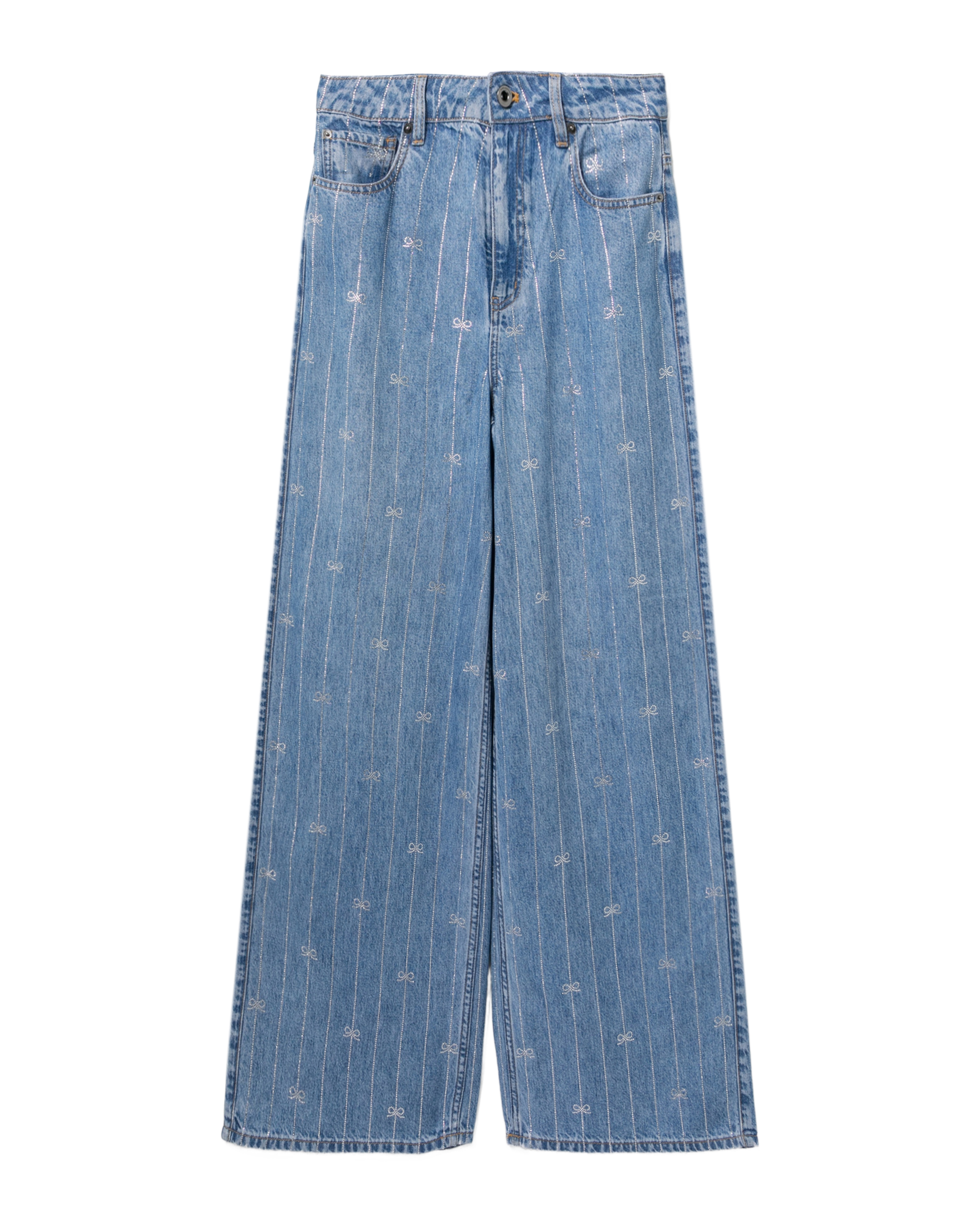
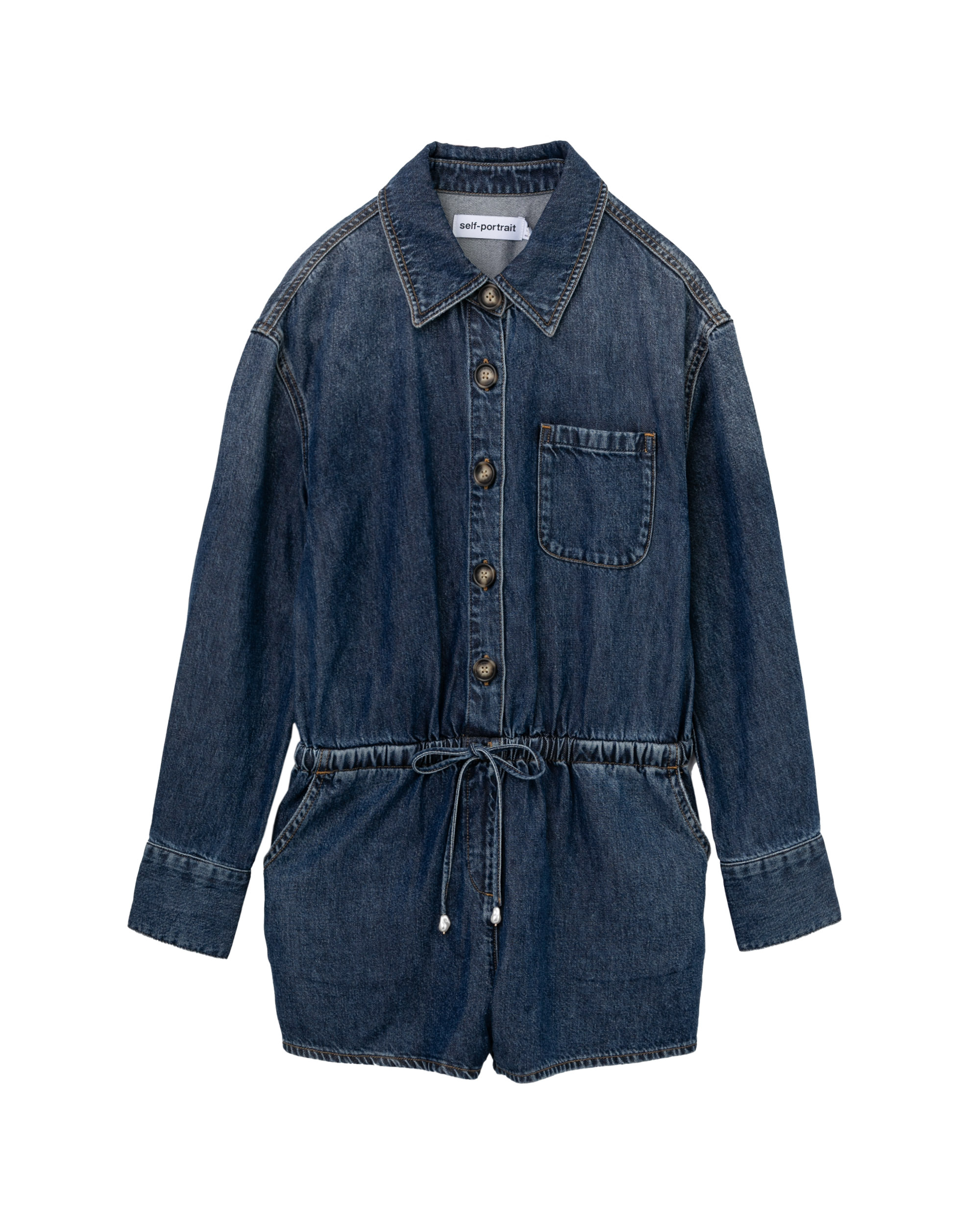
There's a particular kind of electricity that runs through a collection when a designer stops dressing a woman and starts arming her. Self-Portrait's Spring 2027 Ready-to-Wear, fresh off the runway and captured in Vogue's coverage, arrives at exactly the moment when presenting oneself to the world has rarely felt more loaded—more scrutinized, more performed, more paradoxically personal. Han Chong has always understood that getting dressed is a form of authorship. This season, he leans all the way in, treating the runway as a gallery of self-representation rather than a simple parade of dresses. The result feels less like a seasonal drop and more like a thesis statement, one that casts the wearer as both subject and artist.
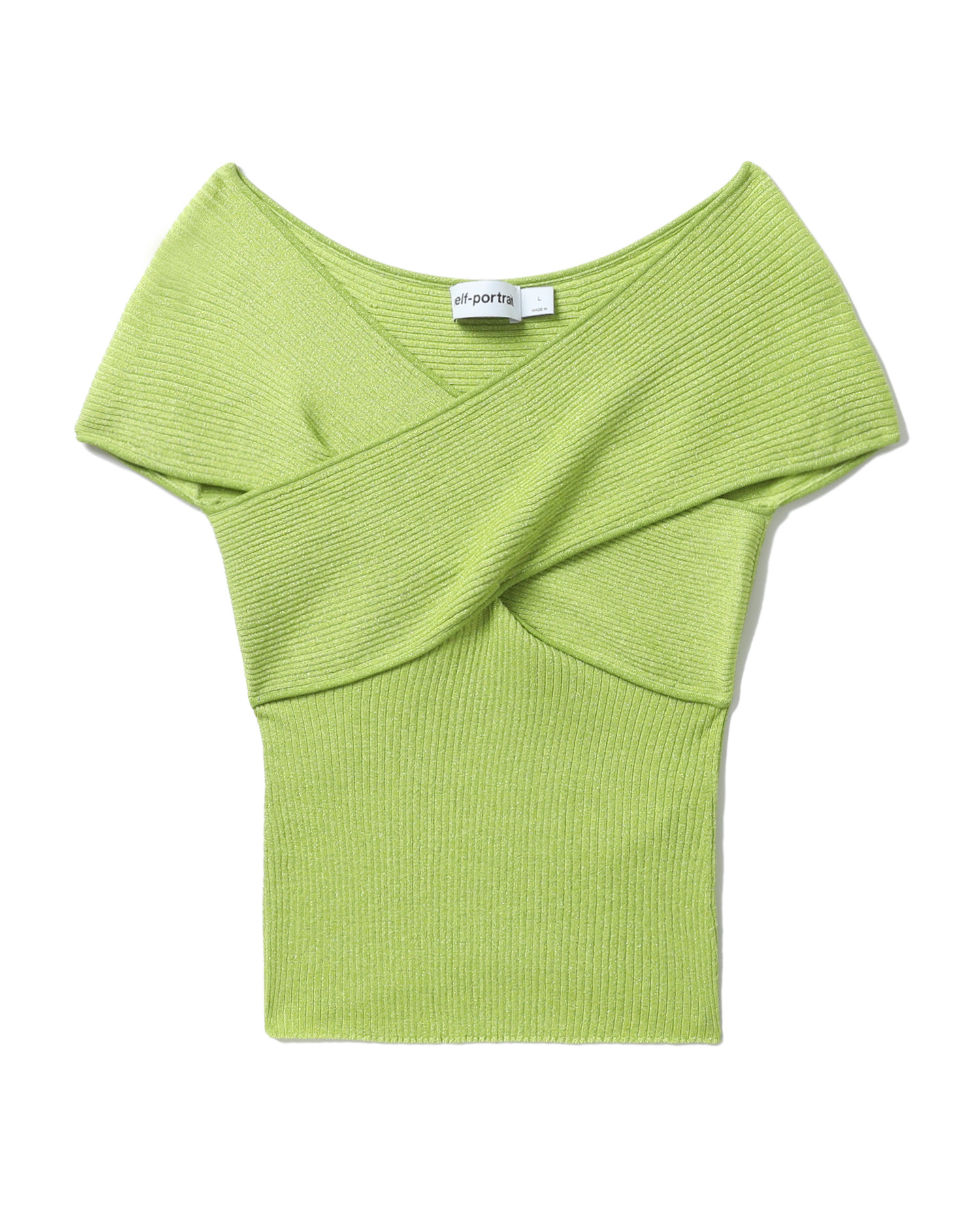
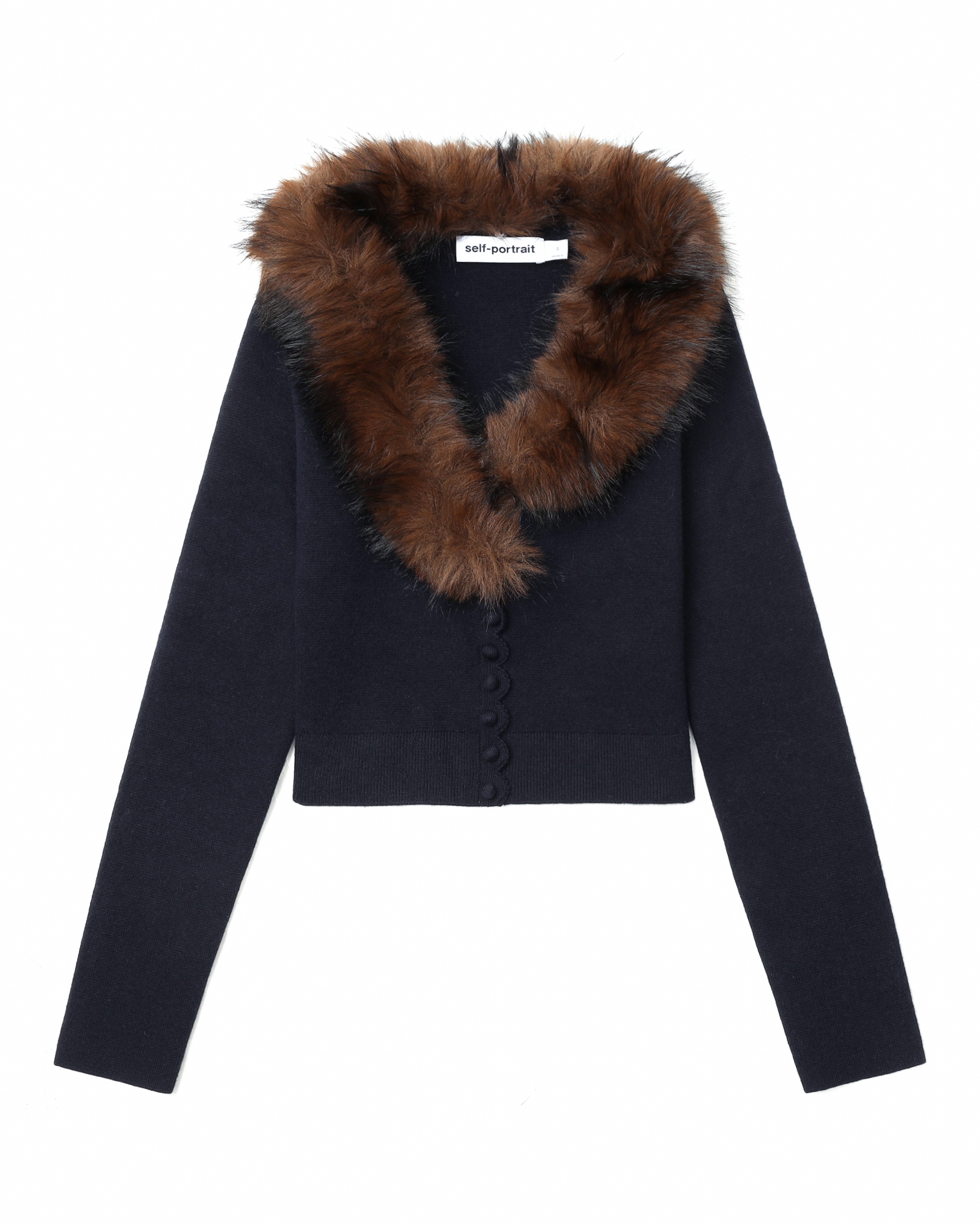
What sets the Spring 2027 collection apart is its deft negotiation between structure and softness. Tailoring steps forward with sharper shoulders and cleaner lines, while lace, guipure, and fluid crepe stay firmly in the house vocabulary—handled, this time, with greater restraint. The palette reads as deliberately introspective: chalk whites, ink blacks, and bruised florals, punctuated by saturated color that lands like brushstrokes against canvas.
The Architecture of Getting Dressed
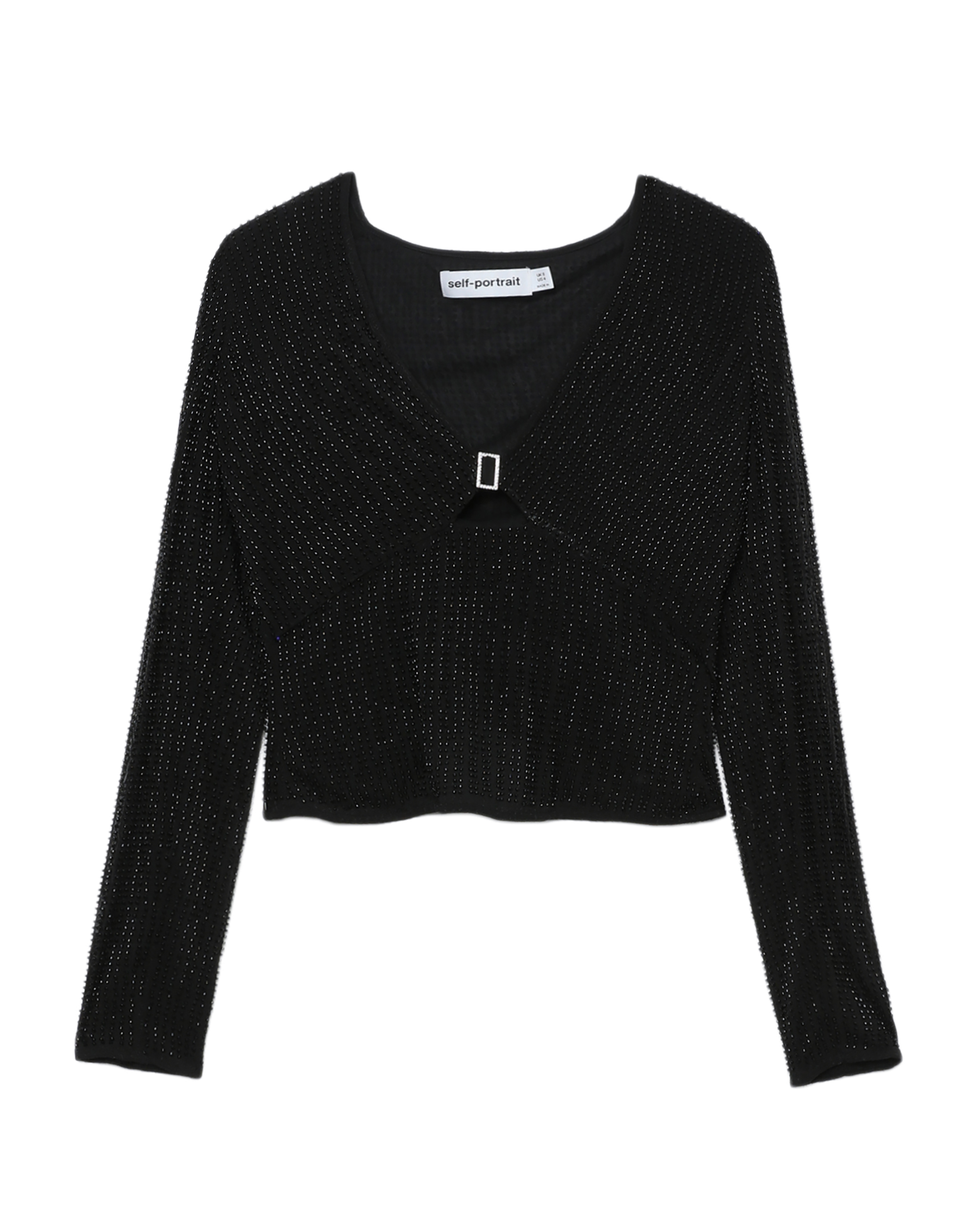
Chong has long been celebrated for making occasion dressing feel democratic, and here the proposition extends further. These are pieces built to carry a woman from a boardroom to a gallery opening without betraying either setting. The craftsmanship lives in the details—hand-finished trims, considered seam placement, embellishments that catch the light without ever overwhelming the silhouette. Structure gives the collection its spine; softness keeps it breathing.
A Cultural Reckoning With the Self-Portrait
The timing is difficult to ignore. This collection lands amid a genuine cultural reckoning with the self-portrait as a form. Museums are revisiting the genre with renewed seriousness, from the Met's examination of Helene Schjerfbeck's portraiture to MoMA's ongoing dialogue with Frida Kahlo's "Self-Portrait with Cropped Hair," a work that remains a touchstone for anyone thinking about how identity is staged, edited, and performed. Christie's has drawn attention to Artemisia Gentileschi's early self-portrait, and the WSJ has revisited Rembrandt's painterly self-scrutiny at twenty-three. Even Psychology Today has weighed in on the concept of the "social self-portrait."
The through-line is unmistakable: we are living in an era obsessed with how the self is composed and displayed. Self-Portrait, the brand, has been making that argument in fabric for over a decade—and Spring 2027 makes the case with unusual clarity.
Who It's For—And Why It Matters Now
This collection is for the woman who understands that a wardrobe is a kind of autobiography. She wants polish without anonymity, a dress that announces rather than whispers, yet resists the trap of costume. The Spring 2027 pieces reward a wearer with presence—someone who occupies a room deliberately, not accidentally.
It's also, quietly, for two women at once: the younger client discovering the label and the longstanding one who has grown alongside it. The collection bridges both without a whiff of condescension. And in a fashion landscape saturated with trend cycles and algorithmic sameness, that insistence on the individual as the creative act matters more than ever. Chong's clothes have never been about blending in. This season, he refines that instinct into something more mature, more confident, more sure of itself.
The collection doesn't ask the wearer to become someone else. It hands her the tools to render herself—in her own hand, at full scale. That has always been the philosophy beneath the label's name, but Spring 2027 states it plainly, like a signature at the bottom of a canvas. Getting dressed, done right, is a self-portrait. The only question is what you choose to say.