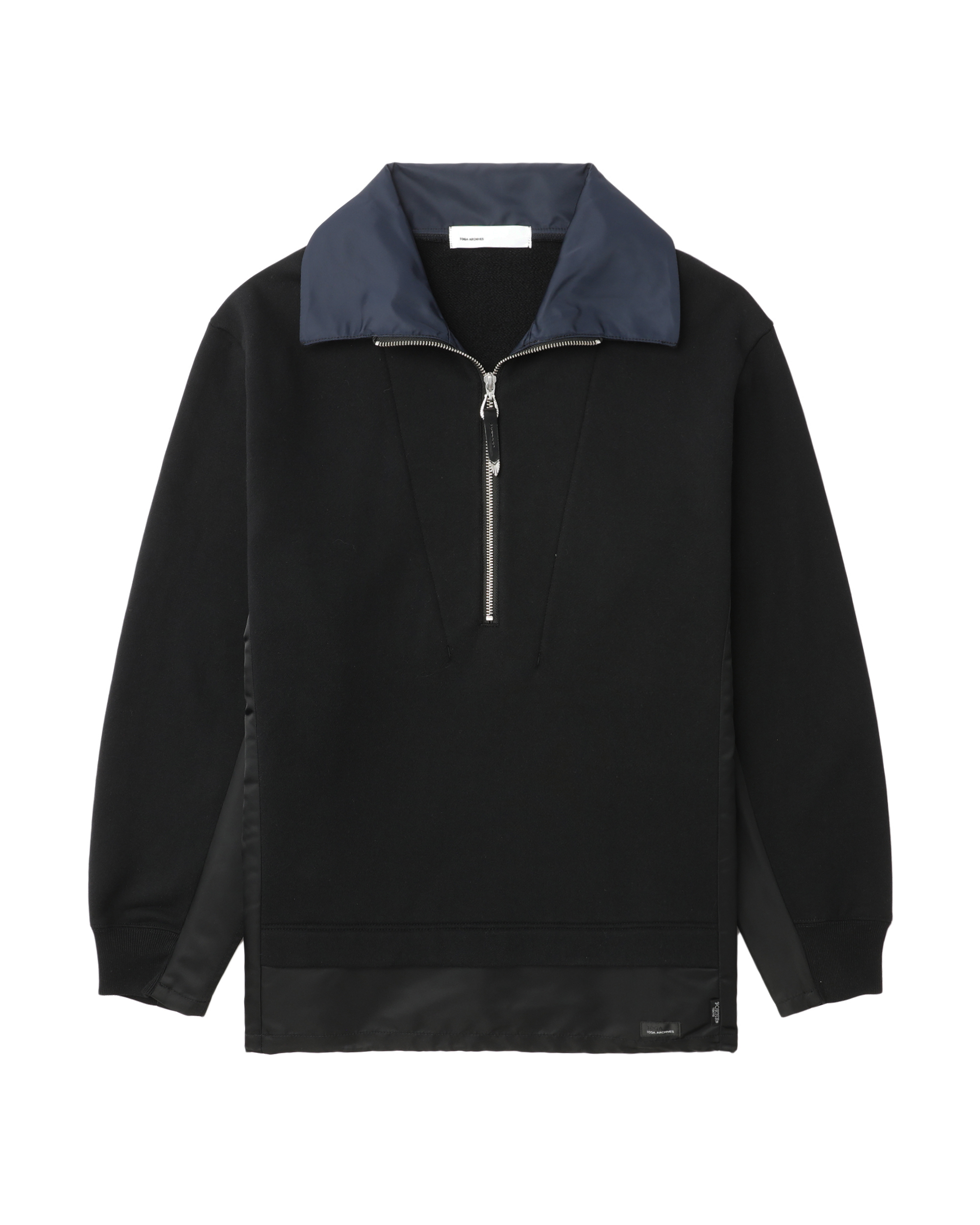
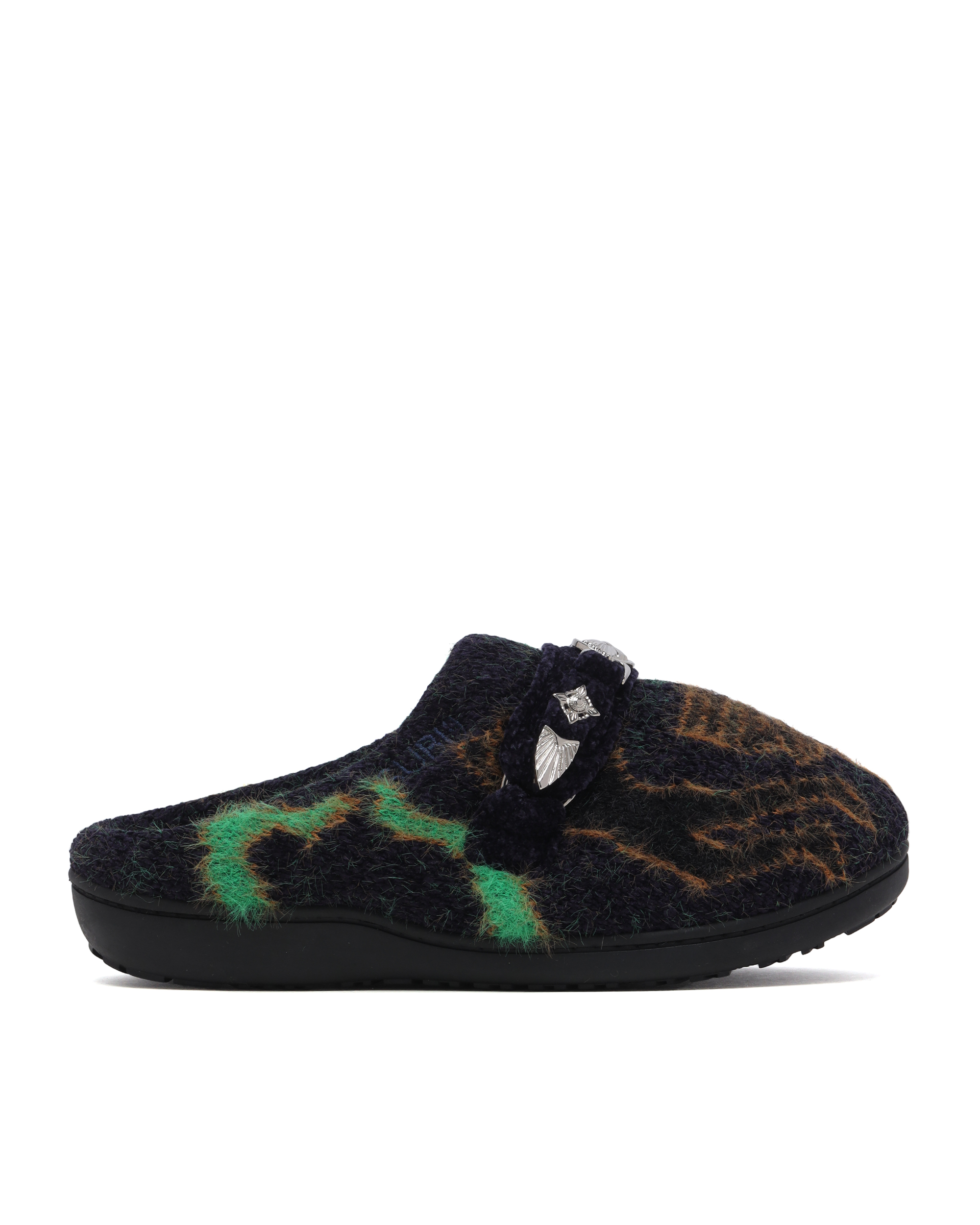
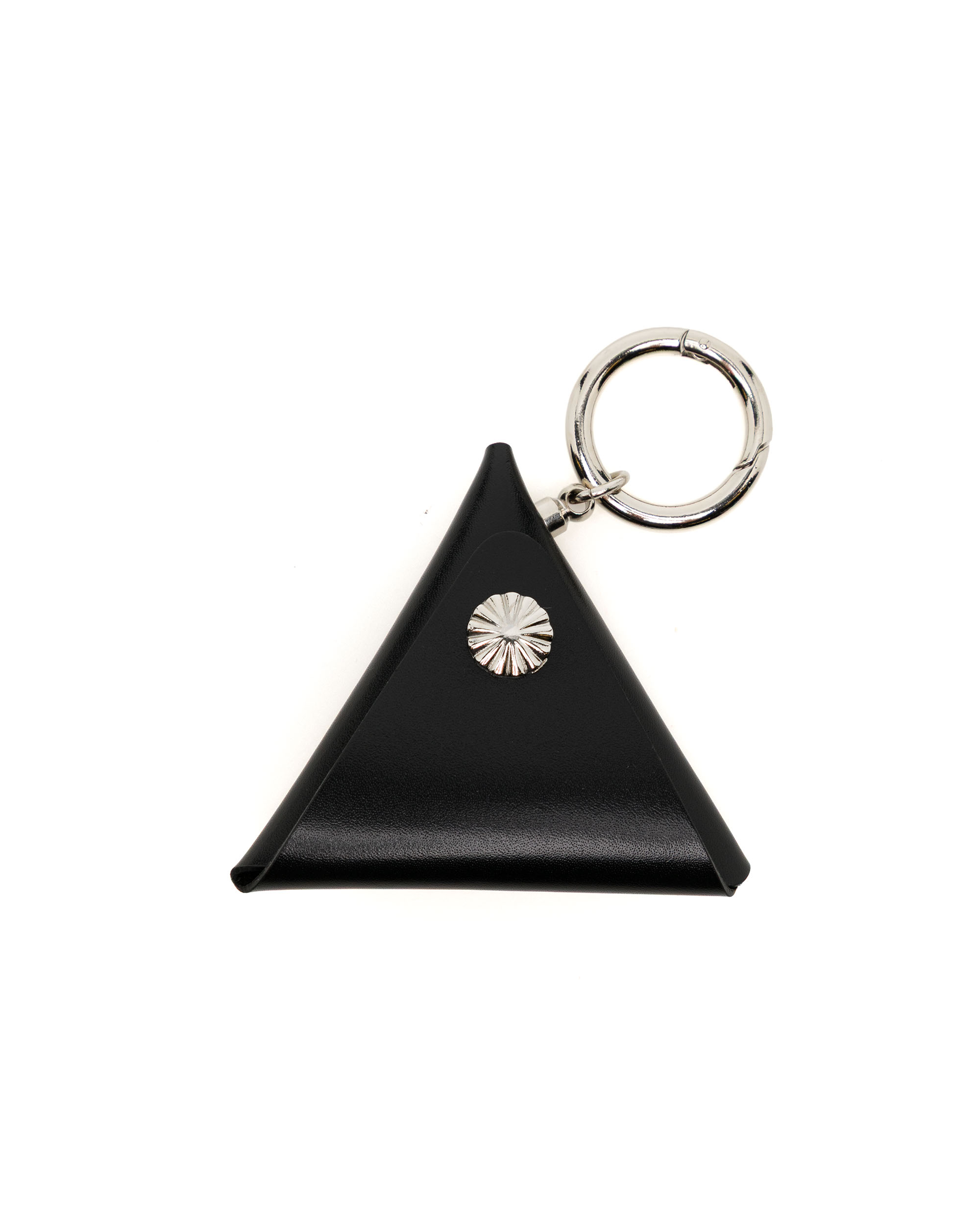
The designer collaboration has become the high street's most reliable ritual—a recurring appointment with aspiration that has, over three decades, cycled through Parisian ateliers, Milanese maximalists, and New York minimalists. It rarely surprises anymore. Which is precisely why the H&M x TOGA ARCHIVES capsule collection lands with such force. Here is a partnership that does not simply import a designer's signature into a mass-market silhouette; it reaches into the Tokyo label's own history, pulling garments from the archive and reissuing them with the quiet conviction of a house revisiting its own founding ideas.
The result, launched this season and selling through across MENA and Europe with uncommon speed, is the rare collaboration that feels less like a marketing exercise and more like a genuinely considered body of work. It arrives with the weight of something thought-through—garments that carry the tension, the hardware, the deliberate strangeness of a designer who has spent decades refining a point of view.
The Archive as Method
TOGA ARCHIVES is the secondary line of TOGA, the Tokyo label founded by Yasuko Furuta in 1997, and its very name announces its method. Where the main line pushes forward, ARCHIVES reinterprets and recontextualises—hybridising Western tailoring with Japanese construction, folding in references from music and subculture, and producing garments that carry a distinct tension between the familiar and the strange.
Furuta's work has long been admired by those who prize clothing with an intellectual edge: sharp shoulders, unexpected closures, hardware that functions as ornament, a dialogue between utility and decoration. To encounter that sensibility at H&M pricing is not a dilution but a translation—and a remarkably faithful one. The archive is not a costume here; it is a living vocabulary, rearticulated for a new audience without losing its accent.
Soft Tailoring, Deconstructed Utility
The collection itself reads as a study in soft tailoring and deconstructed utility, the twin poles of the TOGA vocabulary. There are sculpted blazers with deliberate, almost architectural shoulders, cut to be worn open and loose. Trousers arrive with adjustable hardware and gathered waists; shirts with asymmetric fastenings; knitwear with the kind of considered proportion that flatters without fussing.
Outerwear leans into the label's fascination with functional detail—straps, buckles, and articulated seams that nod to workwear without ever tipping into costume. The palette is restrained and wearable: deep navy, charcoal, ecru, black, with occasional flashes of muted colour that read as accents rather than statements. This is clothing designed to be layered, recombined, and lived in, which is exactly what an archive-driven capsule should be. Nothing shouts. Everything rewards a second look.
A Label in Ascendance
The timing is difficult to ignore. The launch arrives as TOGA's broader cultural footprint expands on multiple fronts: a seventh collaborative collection with PORTER, a first sneaker with ASICS on the reimagined Gel-Cumulus 16, and a recurring partnership with Suicoke that has made the label a fixture in the footwear conversation. Princess Rajwa of Jordan was recently photographed in Amman wearing soft tailoring that echoed the collection's own ease—a quiet endorsement that speaks to how naturally these pieces slot into a polished, modern wardrobe.
And the geographic emphasis matters: H&M chose to launch the capsule exclusively across the MENA region before its wider European rollout, a signal of where the company sees appetite for designer-led fashion growing fastest. Vogue Scandinavia's editors and Who What Wear's reviewers have both singled out individual pieces as the collection's standouts, and the sell-through suggests the market has agreed. The message is clear: this is not a footnote in the collaboration calendar but a headline.
An Entry Point, Not a Compromise
Who is this for? It is for the woman who has watched TOGA from a distance—admired the shows, bookmarked the stockists—and now finds an entry point that does not require a leap of faith or a second mortgage. It is for the shopper who wants a blazer with a point of view rather than another anonymous staple, who understands that a buckle in the right place can change a silhouette entirely. And it is for anyone who has grown weary of collaborations that amount to little more than a logo swap.
What Furuta has always understood—and what this capsule transmits with unusual clarity—is that clothing can be both rigorous and wearable, both intellectual and immediate. The archive is not a museum here; it is a starting point. The H&M x TOGA ARCHIVES capsule offers something rarer than hype: a genuine transmission of a designer's thinking, archive to high street, at a moment when the label's influence is ascendant. It will not be available for long, and it deserves to be seen before it goes.