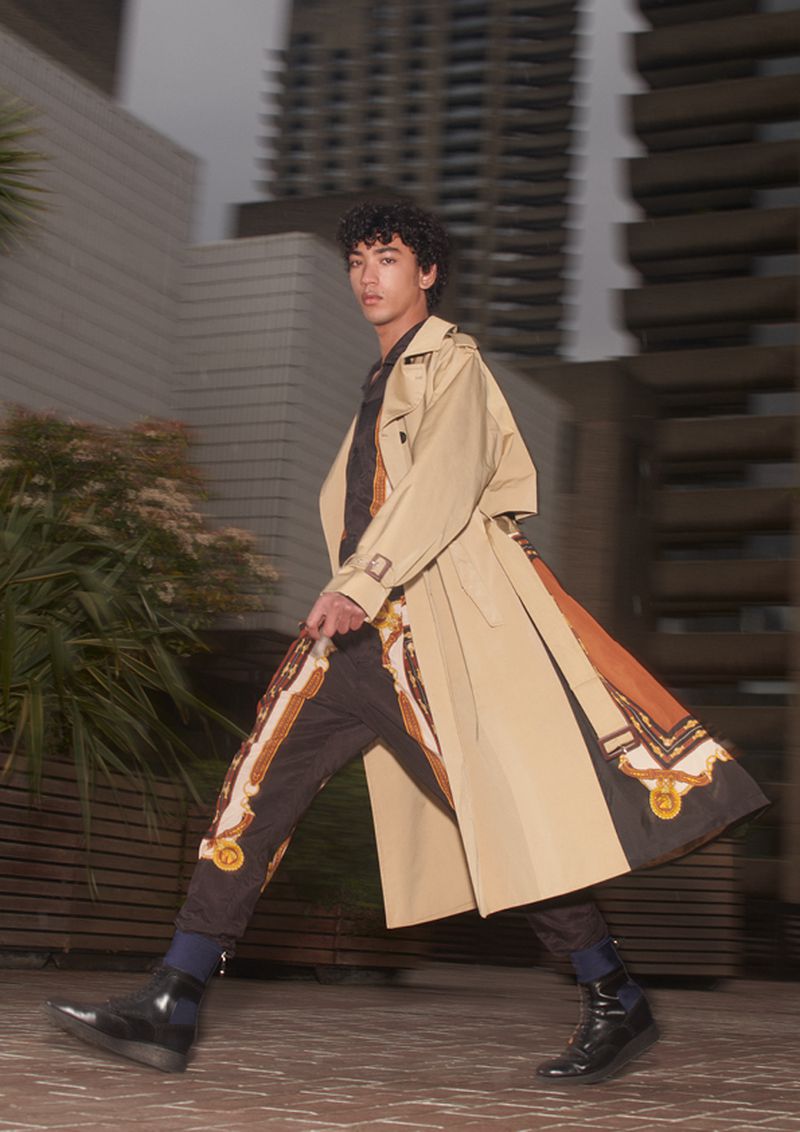
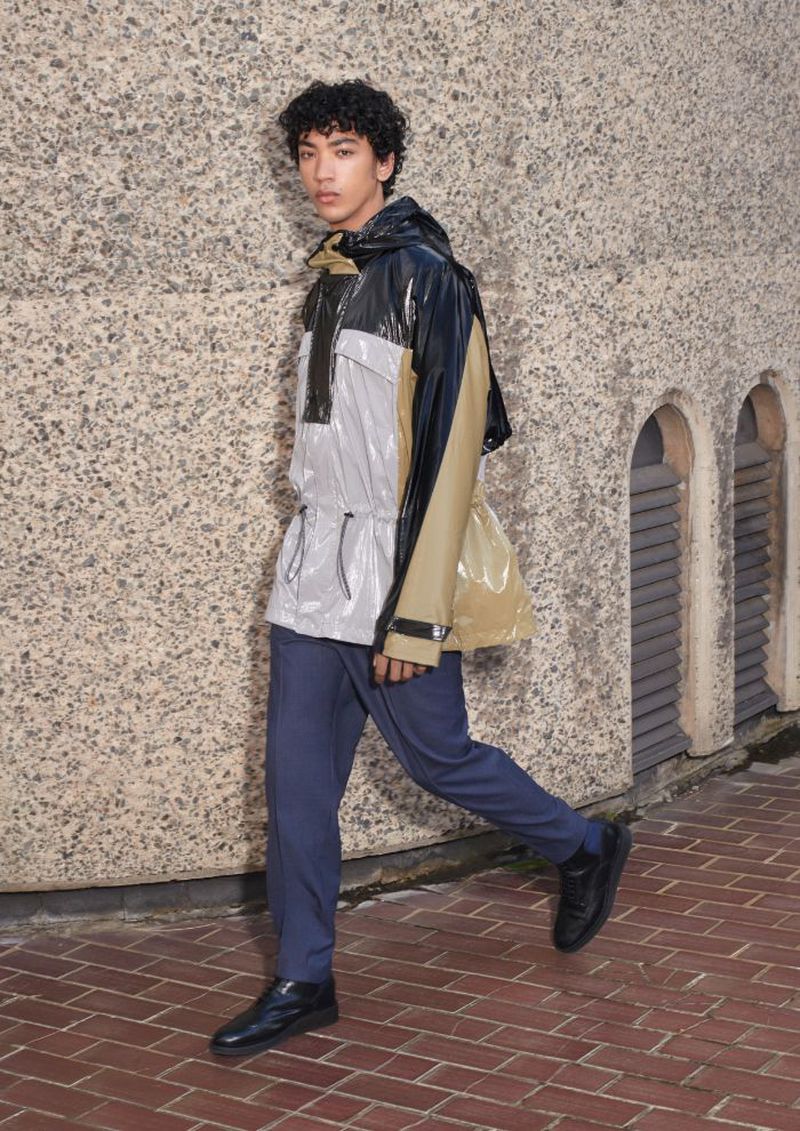
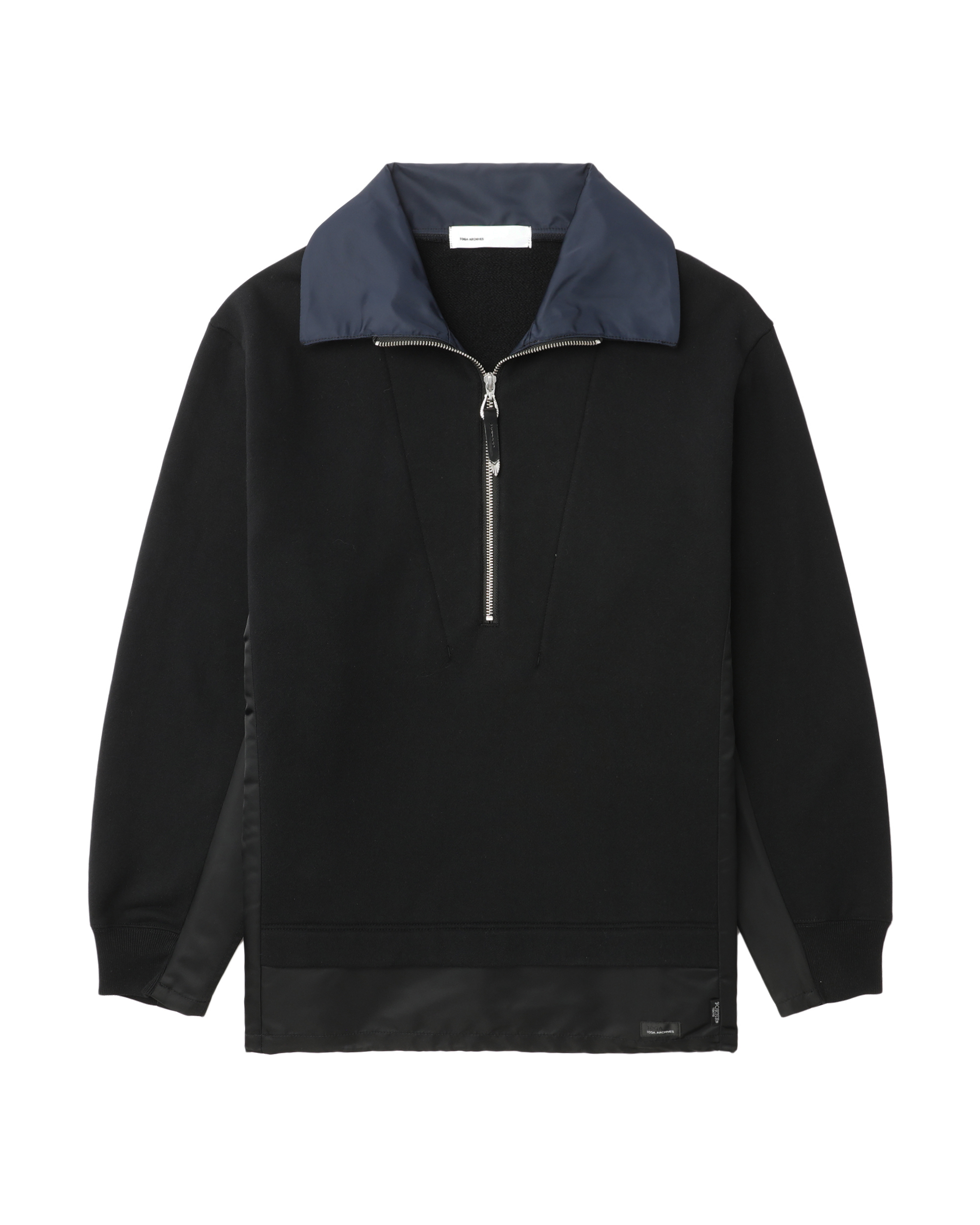
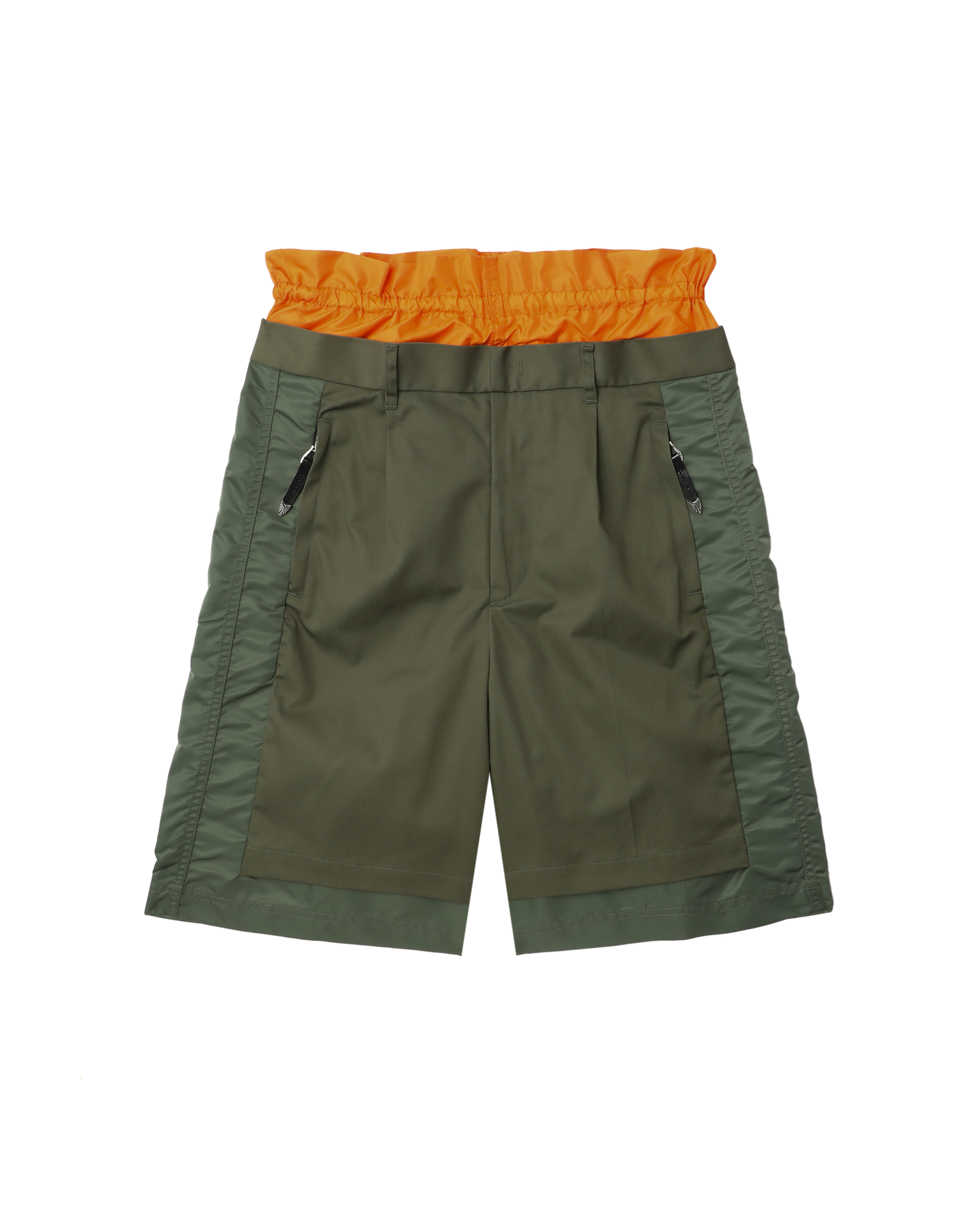
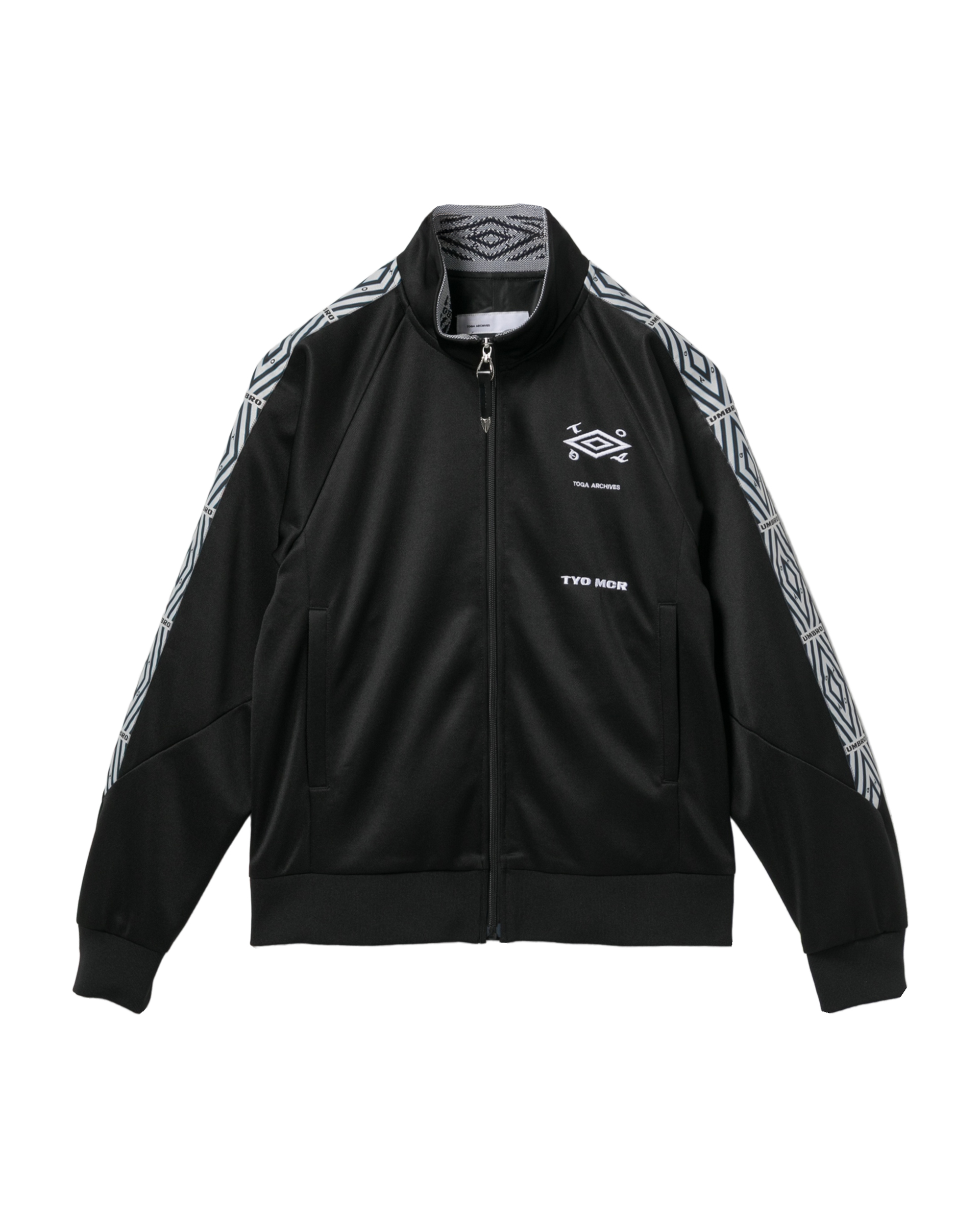
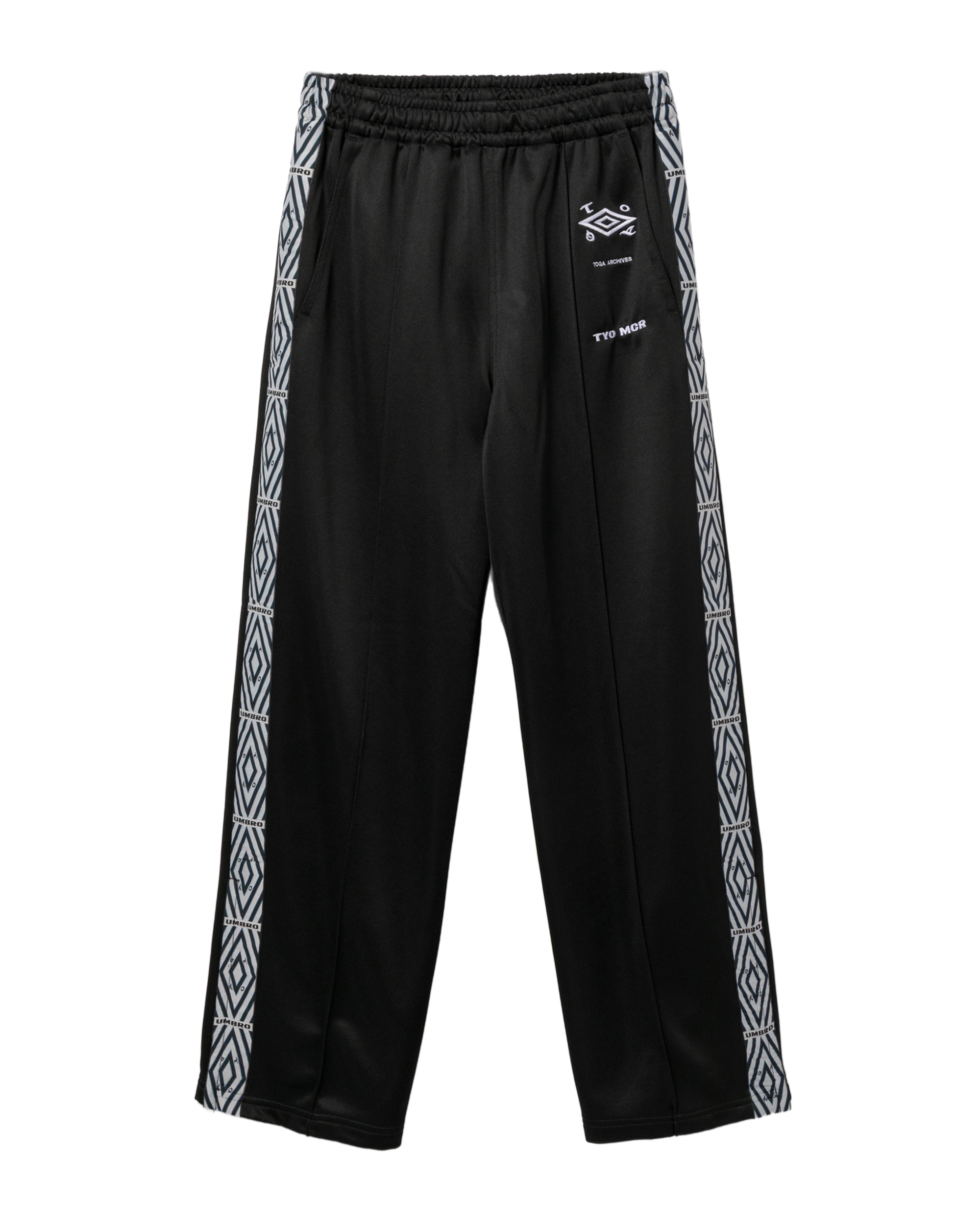
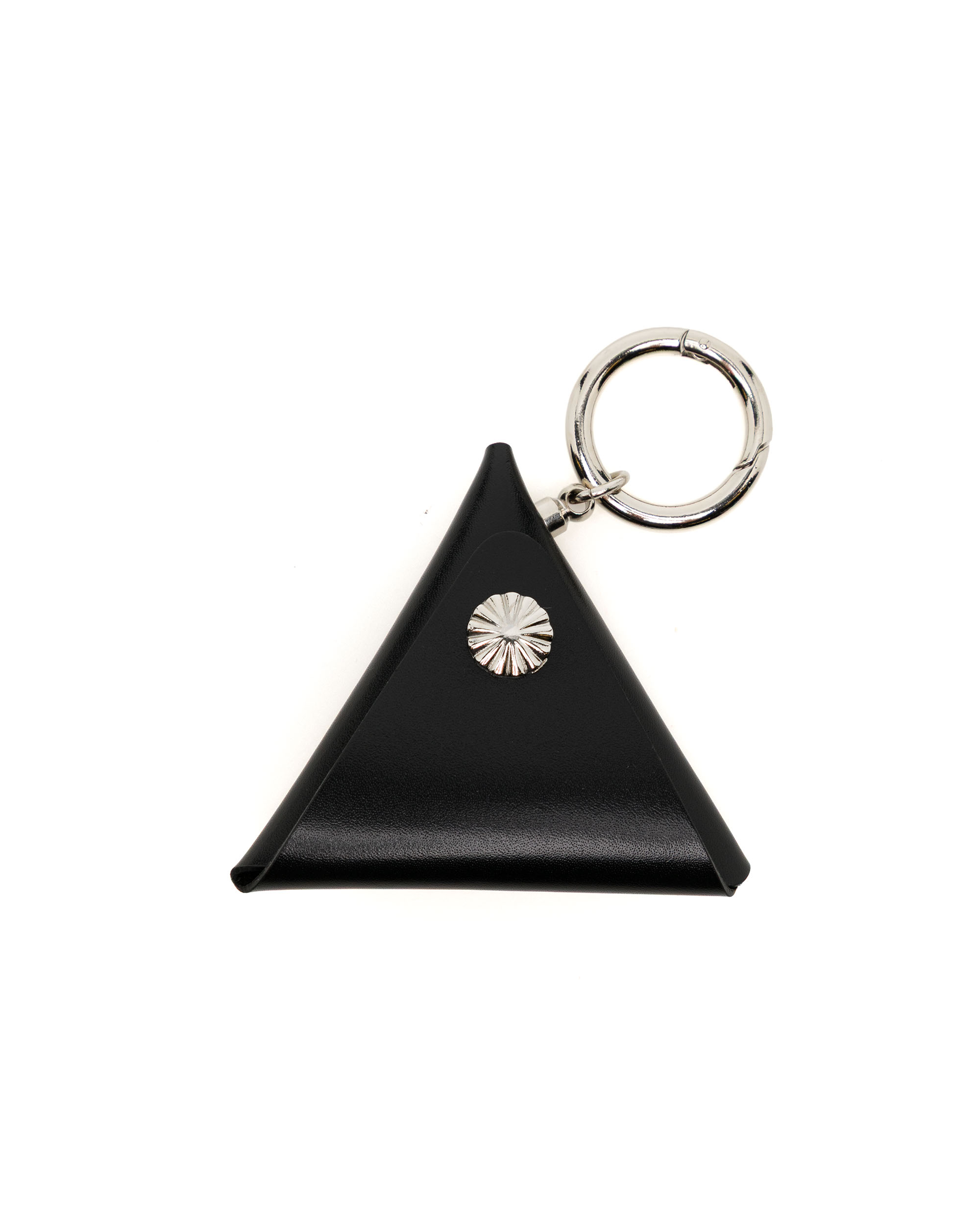
The news arrived with the kind of quiet thunder that only a certain tier of collaboration can generate: TOGA ARCHIVES, the Tokyo label that has spent nearly three decades building one of fashion's most distinctive vocabularies, would bring its archive to H&M. For those who have long admired Yasuko Furuta's work from a distance — through editorial spreads, through the carefully curated racks of Dover Street Market, through the cult footwear and accessory collaborations that have made the brand a byword for intellectual cool — this was the moment the door opened. And it opened wide. The TOGA ARCHIVES x H&M capsule collection does not dilute the label's identity; it translates it, offering the high street its most conceptually ambitious designer partnership in recent memory.
Founded in 1997, TOGA has always been a house of collisions. Furuta, who trained in Paris and cut her teeth in the Tokyo fashion underground before establishing the label, built her reputation on an aesthetic that refuses easy categorization: Western tailoring spliced with Japanese deconstruction, romantic embellishment set against utilitarian hardware, a fascination with the Western shirt and the cowboy boot filtered through a distinctly Tokyo lens. TOGA ARCHIVES, the brand's more accessible line, has long been the purest distillation of that philosophy — archive designs revisited, reworked, and released as wardrobe staples with a conceptual edge. It is precisely this remit that makes an H&M collaboration so logical, and so tantalizing. The archive was always the point.
An Edit, Not a Greatest-Hits Reel
What the collection delivers, then, is not a greatest-hits reel but a considered edit. Soft tailoring — the relaxed, almost louche suiting that has become a TOGA signature — anchors the offering, cut with the brand's characteristic ease and worn with an instinctive disregard for formality. Deconstructed shirting carries the label's fascination with the Western silhouette, complete with the asymmetric closures and unexpected seaming that have become a house code. Embellished outerwear nods to the romantic streak that runs beneath the label's tougher surfaces, while hardware detailing — buckles, straps, metal accents — threads through the collection like a signature. The palette is restrained and confident: inky blacks, chalky neutrals, and the occasional jolt of texture. Vogue Scandinavia's editors, who selected their favourite pieces from the launch, gravitated toward precisely these pieces — the tailoring, the shirting, the pieces that reward a second look.
A Label in Full Command of Its Collaborations
The timing is telling. The collaboration arrives in the middle of a remarkable moment for the label's global visibility. TOGA ARCHIVES has just launched its first sneaker collaboration with ASICS — the GEL-CUMULUS 16 TG, a reimagined take on a technical runner that has been greeted with genuine excitement in sneaker and fashion circles alike. A seventh collaborative collection with PORTER continues one of the brand's longest-running partnerships. And a reunion with Suicoke has produced what Hypebae called the perfect summer sandal. In other words, TOGA is not arriving at H&M as an unknown quantity seeking exposure; it is arriving as a label in full command of its collaborative instincts, with a track record of translating its aesthetic across categories without losing its soul. That H&M has chosen this moment to partner with the house — and that the capsule has launched with exclusivity across the MENA region alongside its global release — speaks to a brand whose cultural stock has rarely been higher.
Who It's For
Who is this collection for? In one sense, for the longtime admirer — the person who has tracked TOGA through its FW23 "Free Yourself" collection, who understands the label's dialogue between constraint and release, and who now has access to the archive's language at a fraction of the usual cost. But it is equally for a newer audience: the shopper who has sensed, correctly, that the most interesting fashion conversations are happening at the intersection of Tokyo conceptualism and global accessibility. The pieces are designed to be worn, layered, and lived in — soft tailoring that moves, shirting that invites a second glance, outerwear that carries a story.
Why it matters now is simpler. Designer collaborations have become routine, but genuine cultural translation remains rare. TOGA ARCHIVES x H&M is not a logo exercise; it is an archive opened with care, a Tokyo sensibility offered without compromise, and a reminder that the high street can still be a site of real discovery. For anyone who has admired Furuta's work from afar, the distance has finally closed.