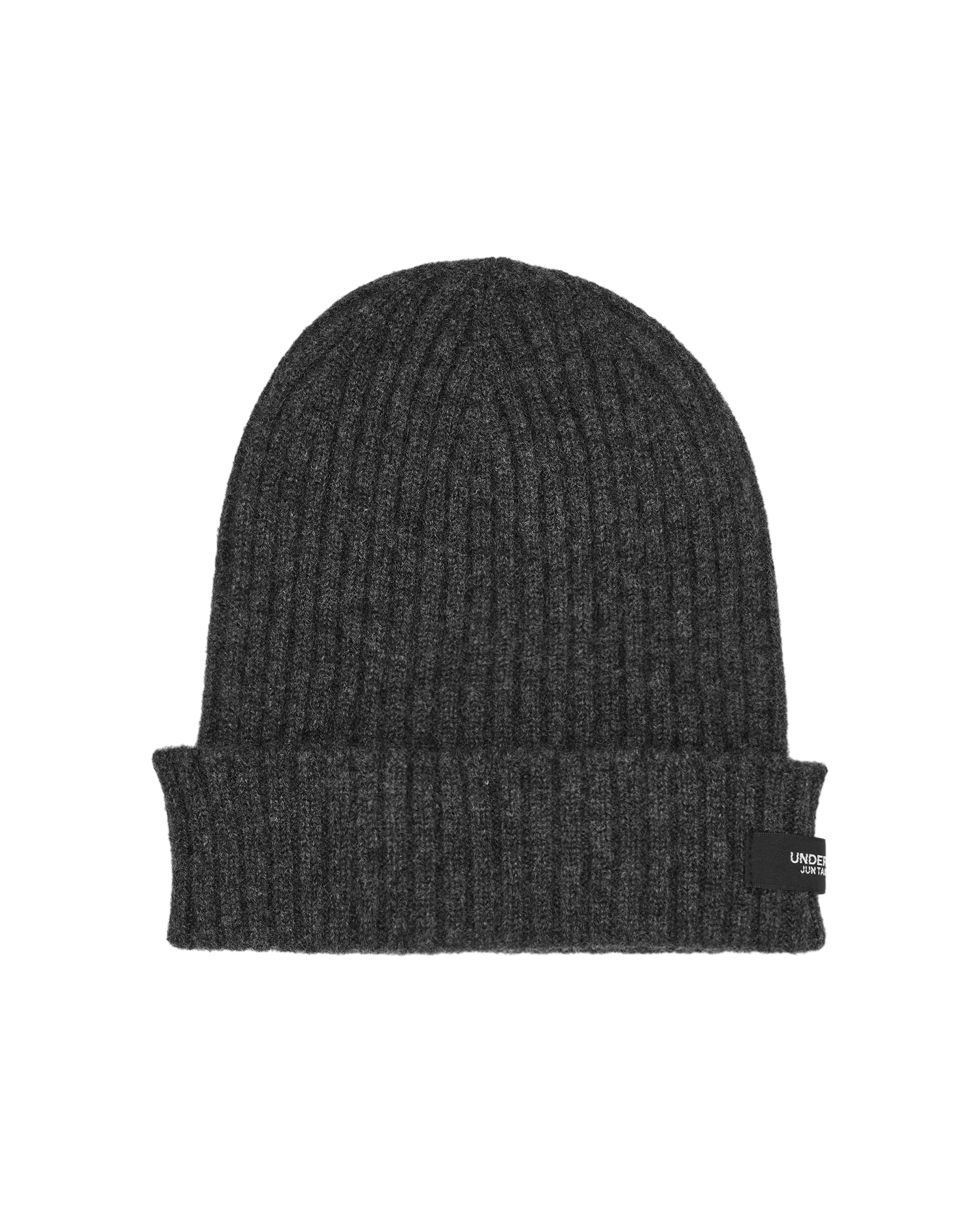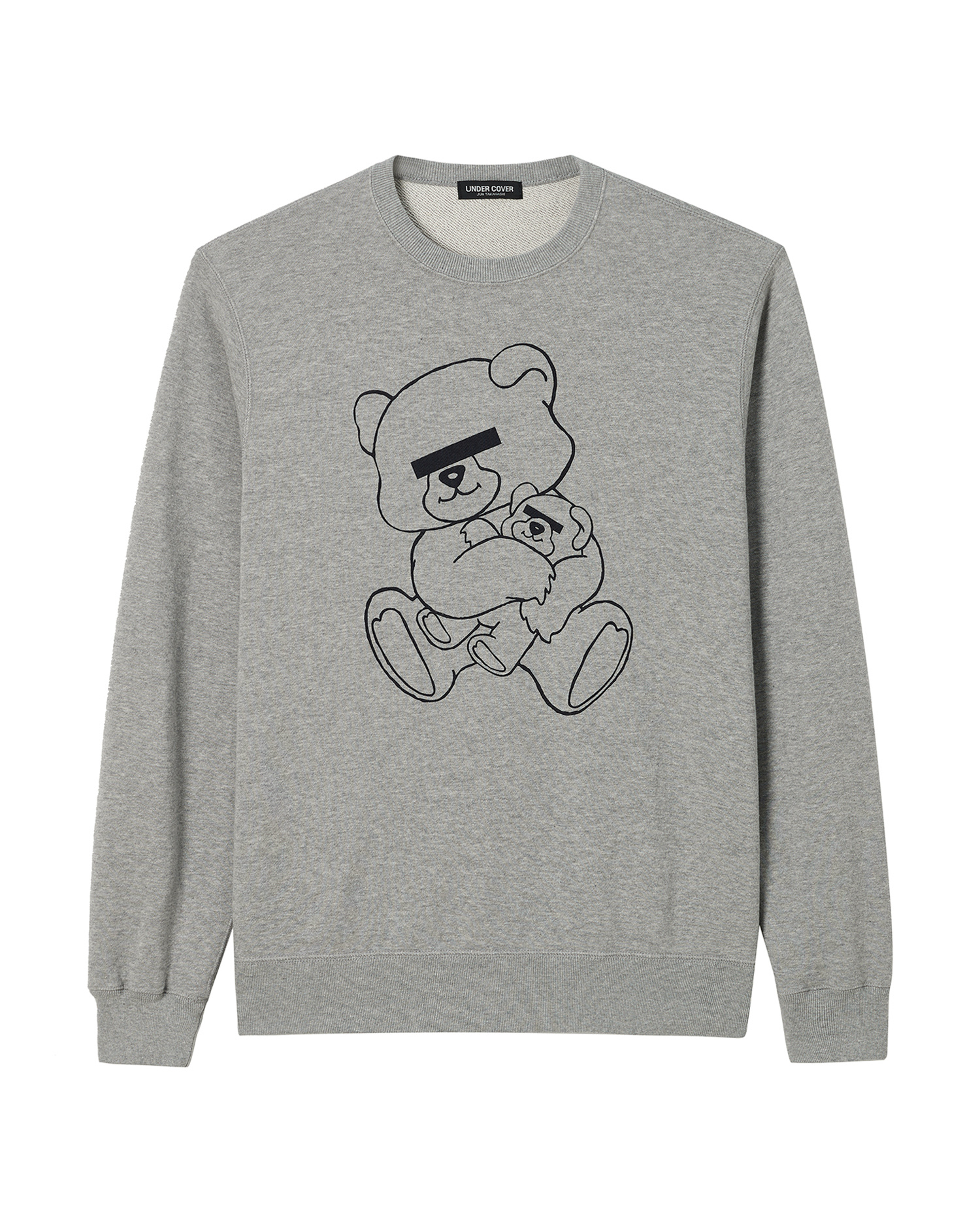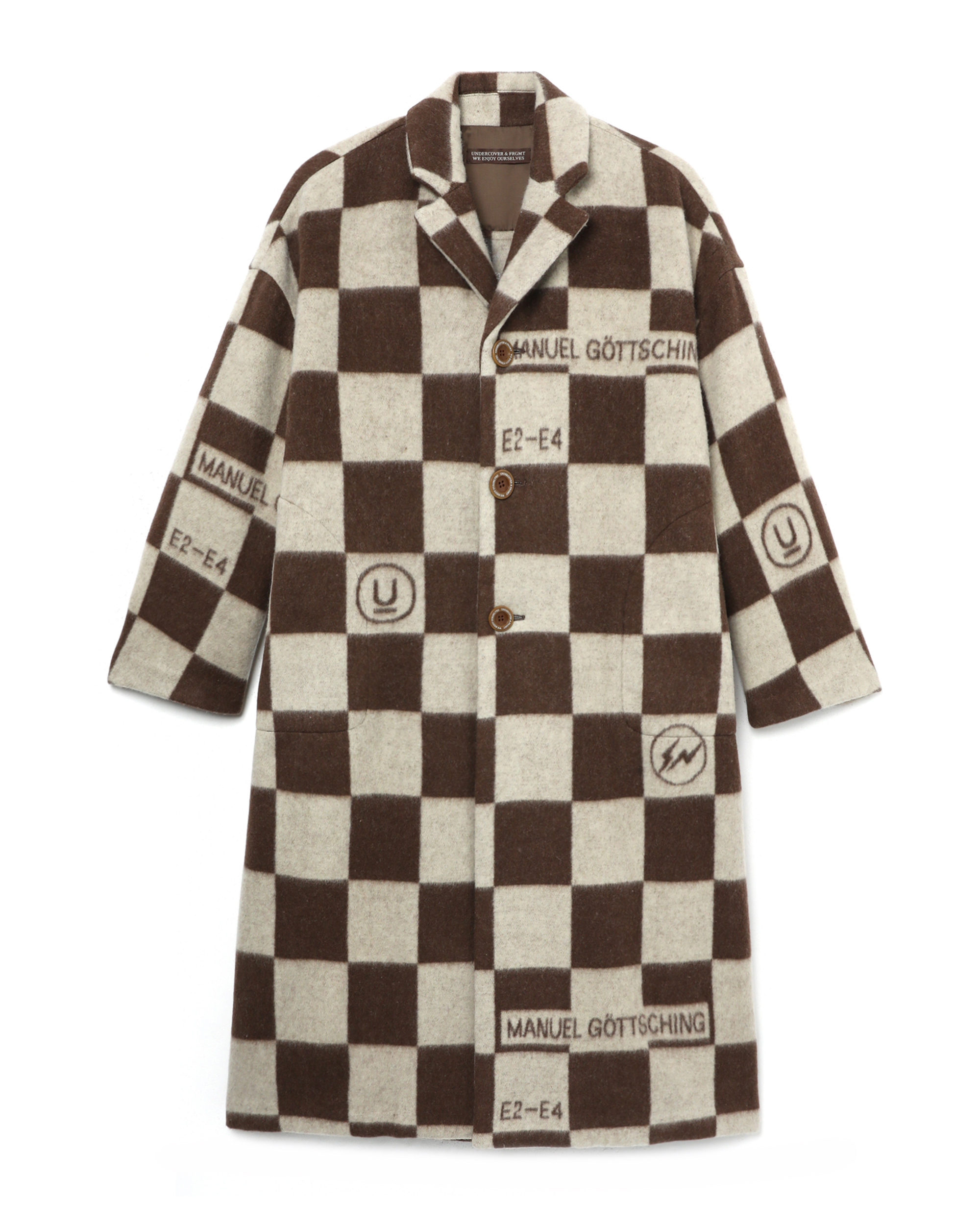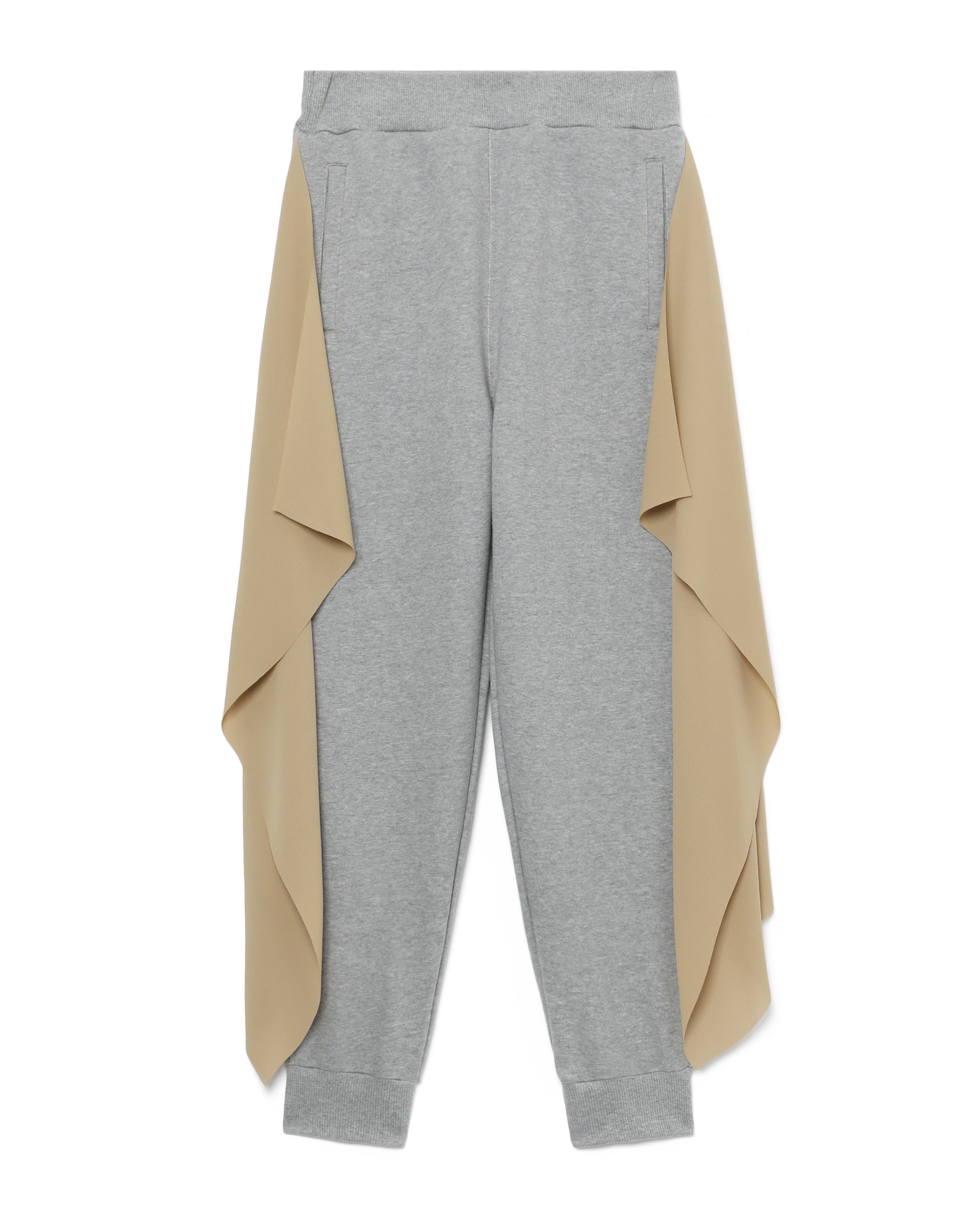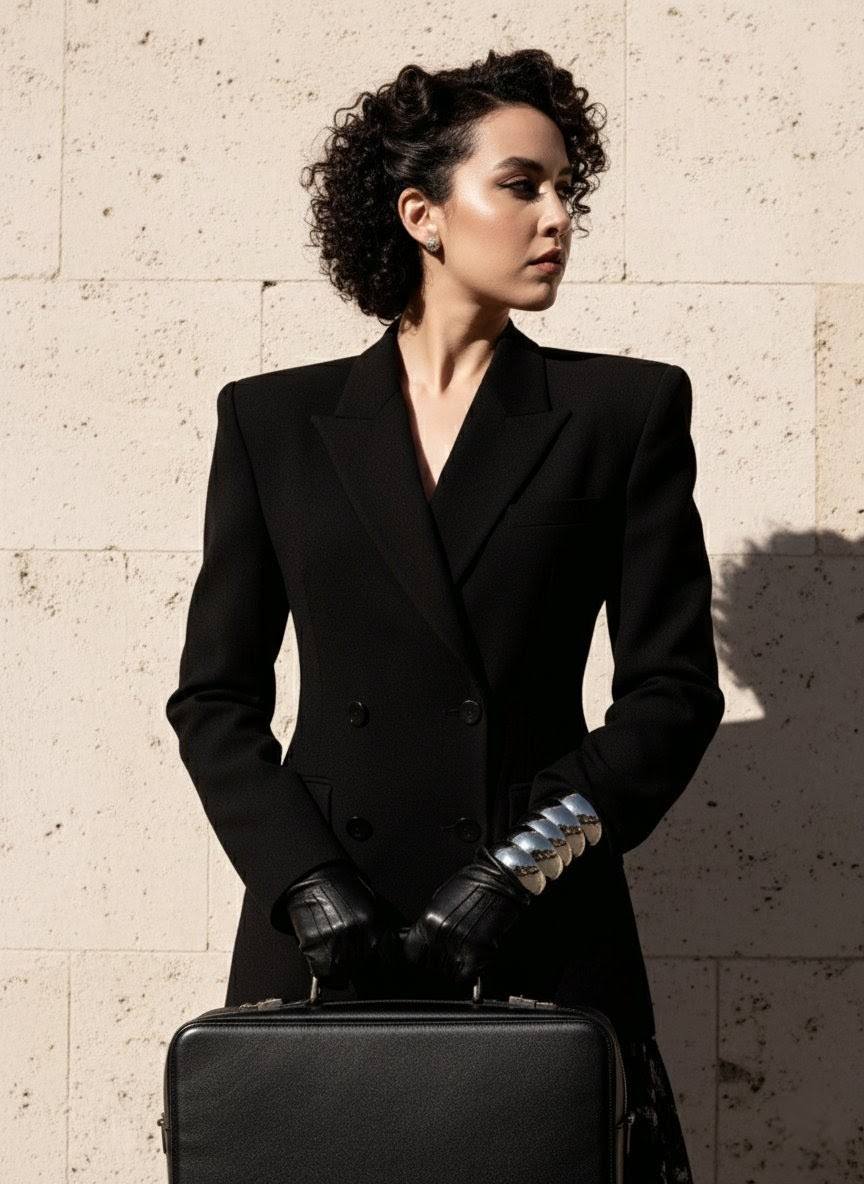
There's a strange irony in the timing. Just as "undercover" has become the operative word of our era—dominating headlines with sting operations, digital dragnets, and the relentless machinery of online surveillance—the Japanese label that built its name on the concept is having a moment of profound resonance. Jun Takahashi's UNDERCOVER has always dealt in shadows, but not the kind you'd expect. These aren't the shadows of espionage or covert operations. They're the shadows of the self, the parts of us that refuse to be catalogued, tracked, and filed away in the vast digital panopticon that now governs modern life.
In an age where every DM is discoverable, every swipe is logged, and every geotag is a potential piece of evidence, the idea of personal opacity feels almost radical. Yet that's precisely what Takahashi has been crafting since the early '90s, emerging from the creative ferment of Harajuku alongside Nigo and Takashi Murakami. Where his peers chased pop-art excess and streetwear hype, Takahashi went darker, more introspective, rooted in the punk ethos of dissent. Not rebellion as a style, but rebellion as a necessary psychological posture. That foundational DNA has never felt more urgent.
The Armor of Inscrutability
Takahashi's garments have always functioned as a kind of protective layer—not against the elements, but against the homogenizing forces of visibility. The deconstruction, the distressed fabrics, the unsettling graphic motifs: these aren't merely aesthetic choices. They're a visual firewall. In a world that demands we be legible, predictable, and easily categorized, UNDERCOVER offers a deliberate opacity. The worn edges and asymmetrical cuts reject the clean lines of algorithmic taste. The garments seem to say: you may see me, but you will not easily understand me.
This is the counterpoint to the surveillance state's obsession with transparency. Where the panopticon seeks to render the individual utterly predictable, Takahashi's designs embrace a beautiful strangeness that resists categorization. His work is a testament to the power of the subcultural signal—a way to communicate identity and belonging outside the sterile, monitored channels of mainstream social media. When you wear a piece from his legendary "But Beautiful" series, with its unsettlingly realistic prints, or a technical jacket from his GIP line, you're not just wearing clothes. You're declaring a subtle form of dissent against the relentless pressure to be seen, understood, and catalogued.
The Subversion of the Uniform
Takahashi has long been obsessed with the iconography of uniforms—the worker, the soldier, the cult member. But he subverts these symbols of collective obedience to serve an individualistic purpose. In the digital panopticon, we're all being forced into a kind of uniform: the uniform of the algorithm, with its predictable likes, shares, and consumer habits. UNDERCOVER offers an escape hatch from this digital conformity. It provides the aesthetic and philosophical tools to craft a persona that's deliberately off-grid—a presence that is present but not fully captured.
Even his long-standing partnership with Nike, producing subversive takes on classic sneaker silhouettes, reinforces this idea: even the most mainstream of objects can be re-coded to carry a message of subversion. The gothic lettering, the unsettling imagery of animals and distorted flowers, the references to cult films and dystopian literature—these function as a private language. They're not designed for mass legibility. They're designed to be decoded by the initiated, a crucial counterpoint to a world that demands everything be instantly understandable.
The Ethics of Presentation
As the news feeds fill with the grim results of our surveillance apparatus—the arrests in Fairfax County, the fentanyl probes in Pasco, the anti-ICE surveillance in Minnesota—the question of how we present ourselves becomes an ethical one. Takahashi's work has always understood that fashion is not trivial. It's a primary interface between the self and the world. In a world where the undercover gaze is omnipresent, his clothes offer a rare and precious commodity: a sense of agency over one's own narrative.
They are not a shield of invisibility, but a declaration of inscrutability. They whisper, "You may see me, but you do not know me." This is the true genius of UNDERCOVER—it has evolved from a punk provocation into a profound and necessary philosophy of dress for an era that has forgotten the value of the unseen, the unquantifiable, and the deeply personal. It is the uniform not for the agent of the state, but for the agent of the self—a defiant, beautiful, and increasingly essential form of resistance. In a time when being seen is mandatory, Takahashi reminds us that the most radical thing we can wear is our own mystery.