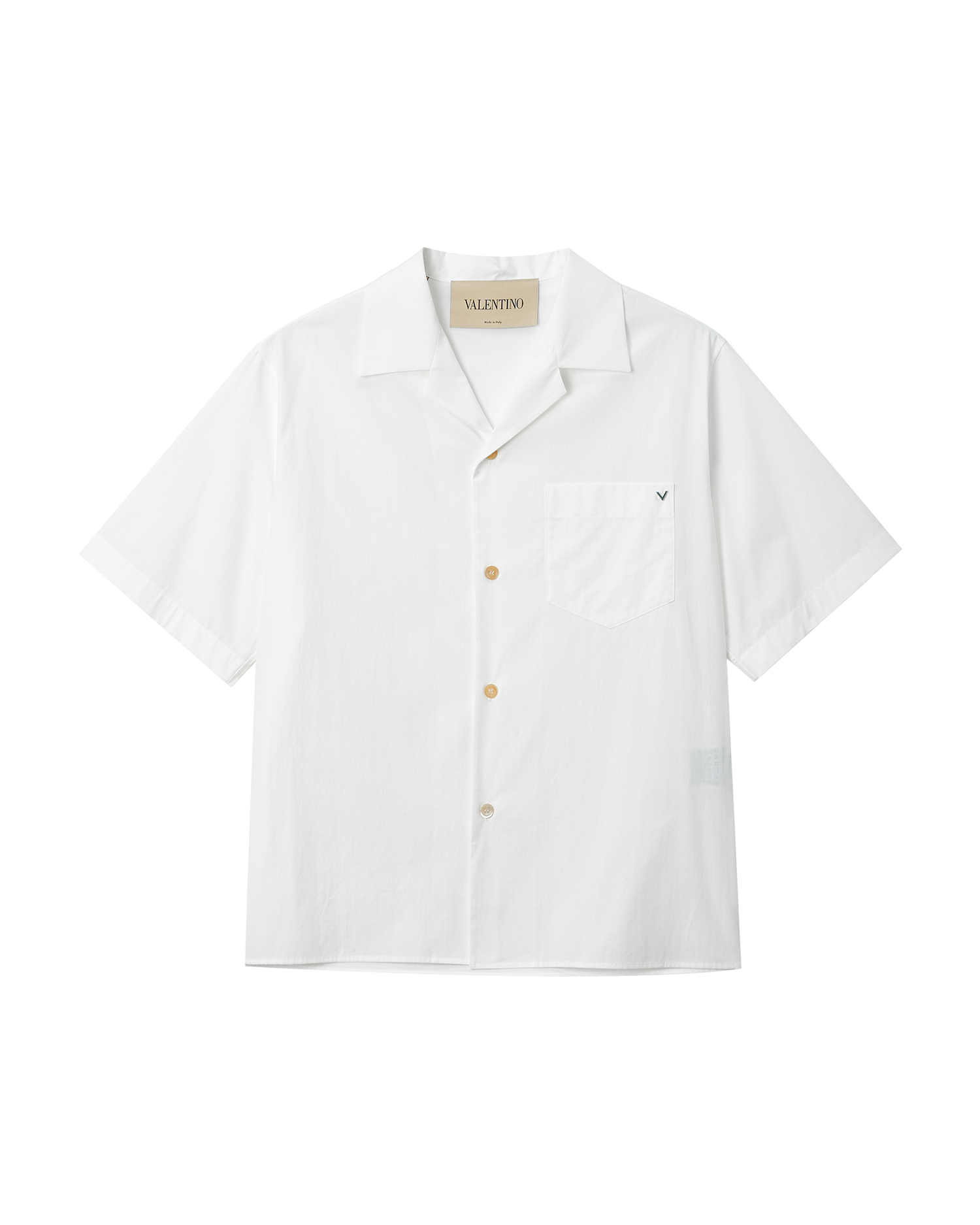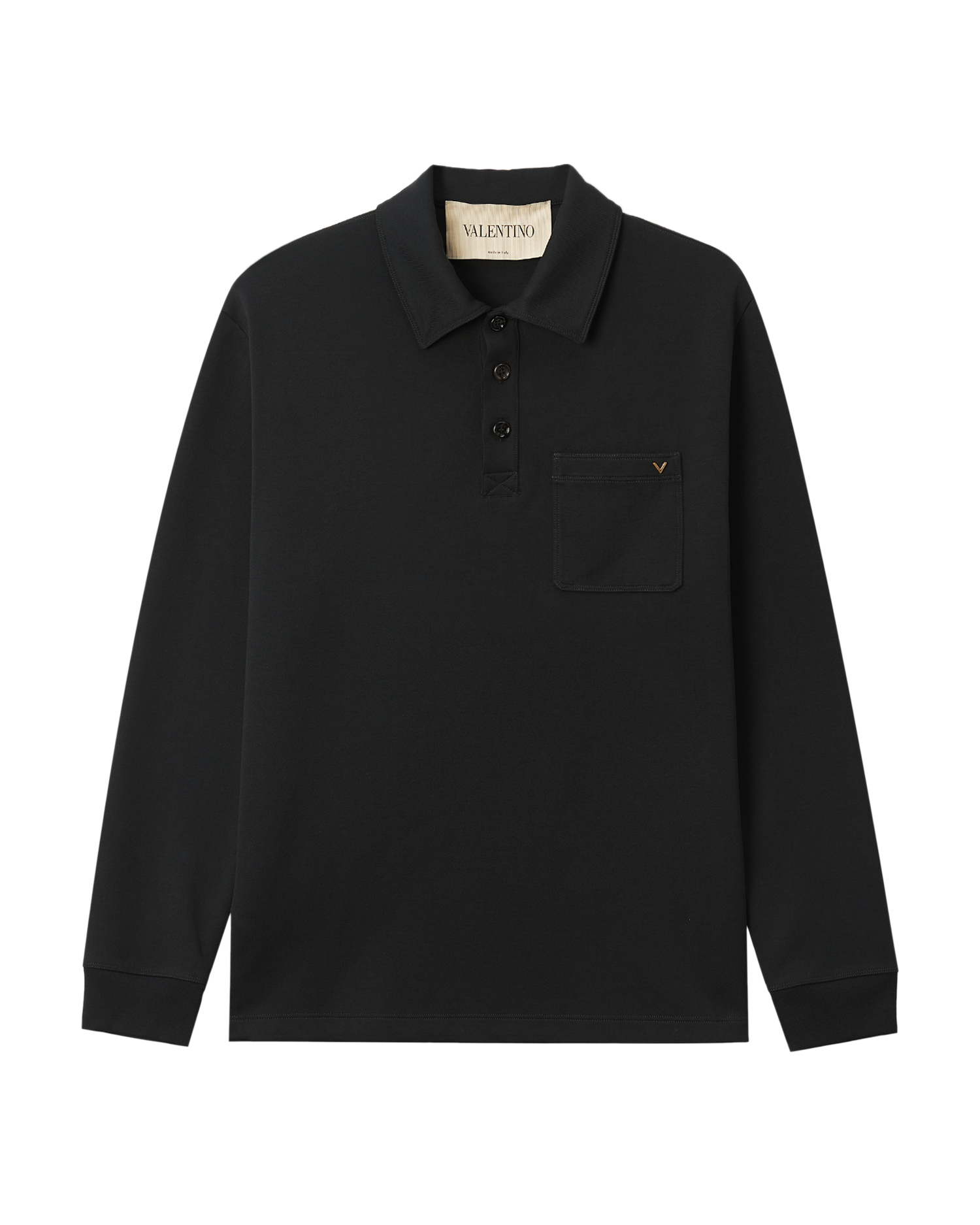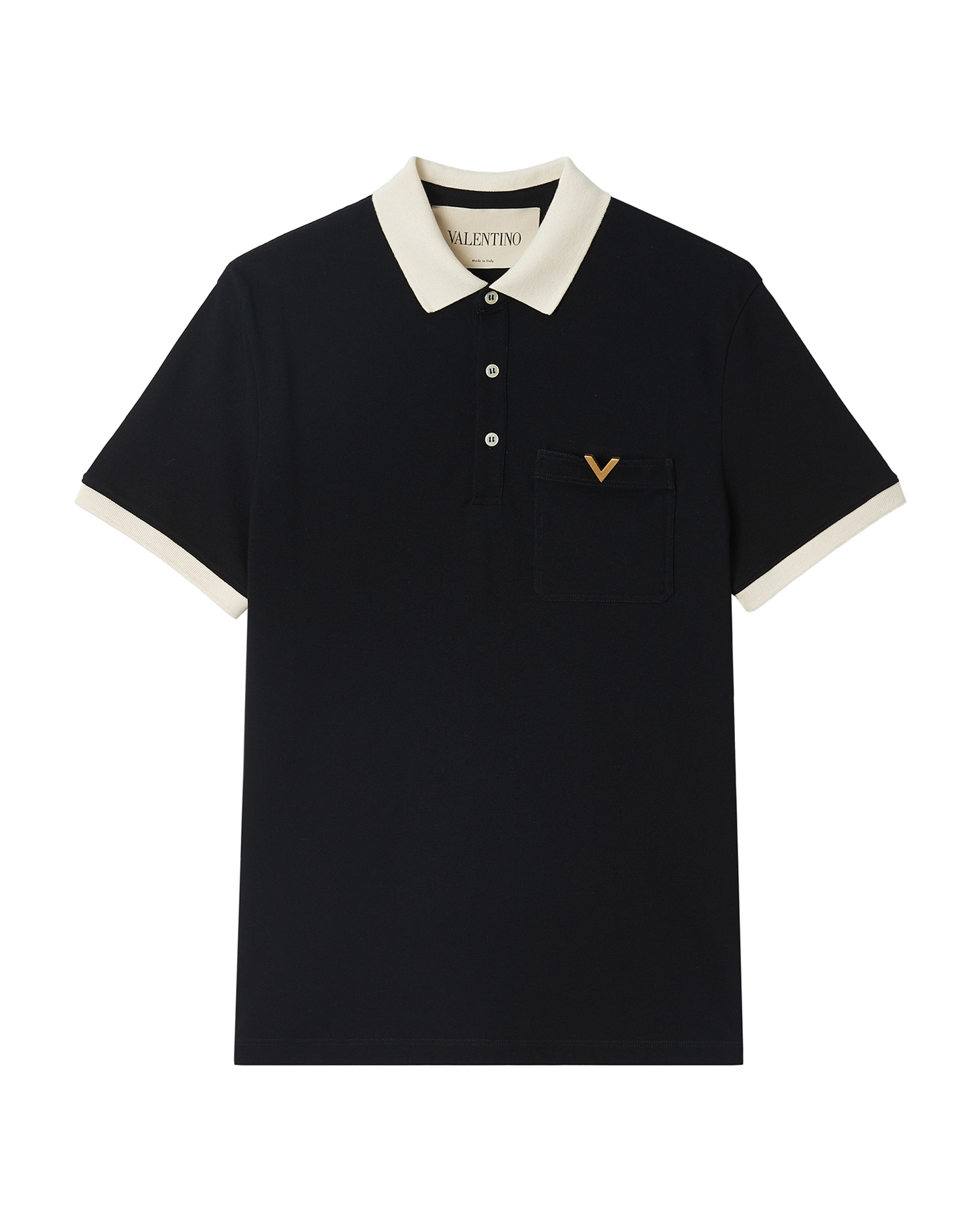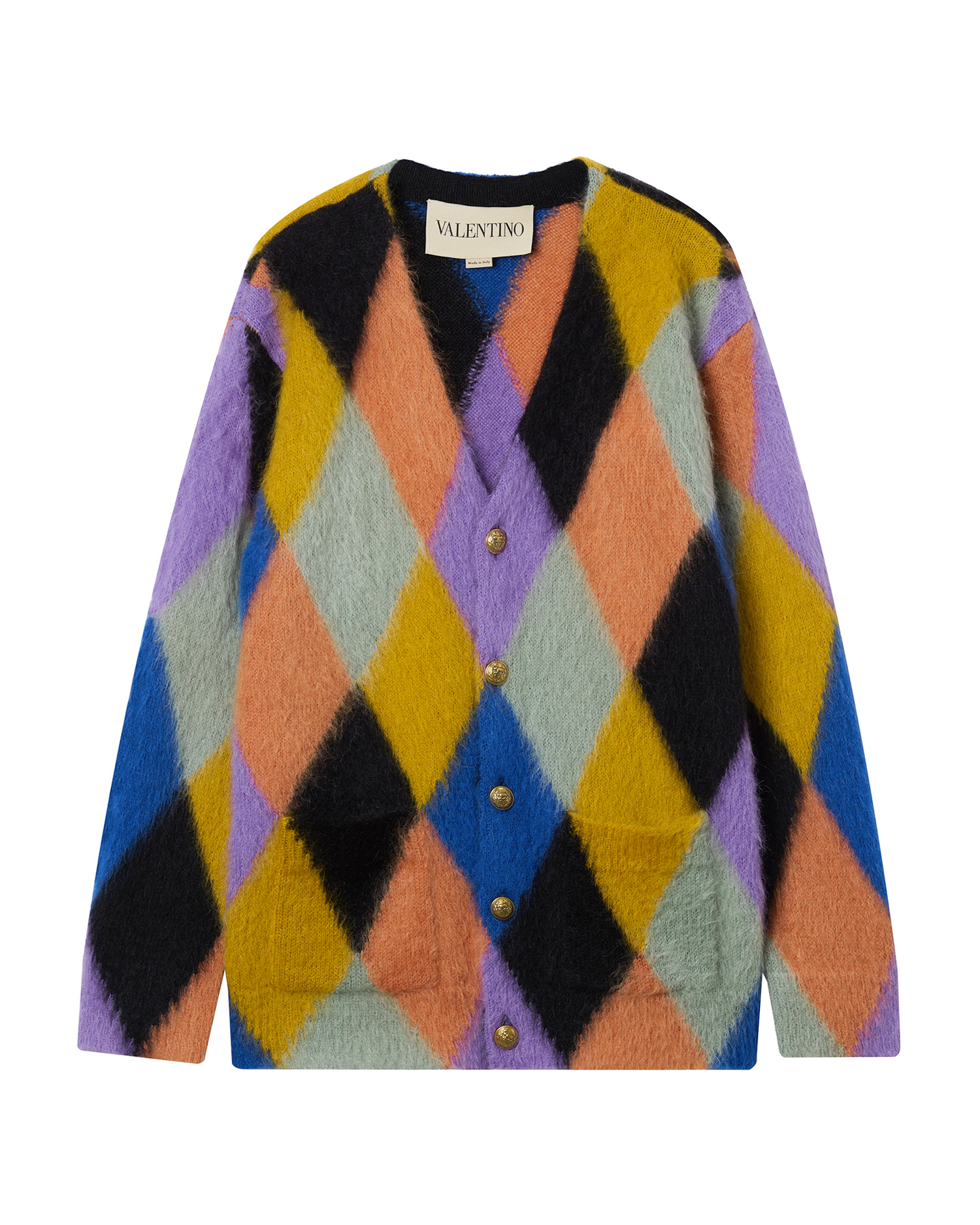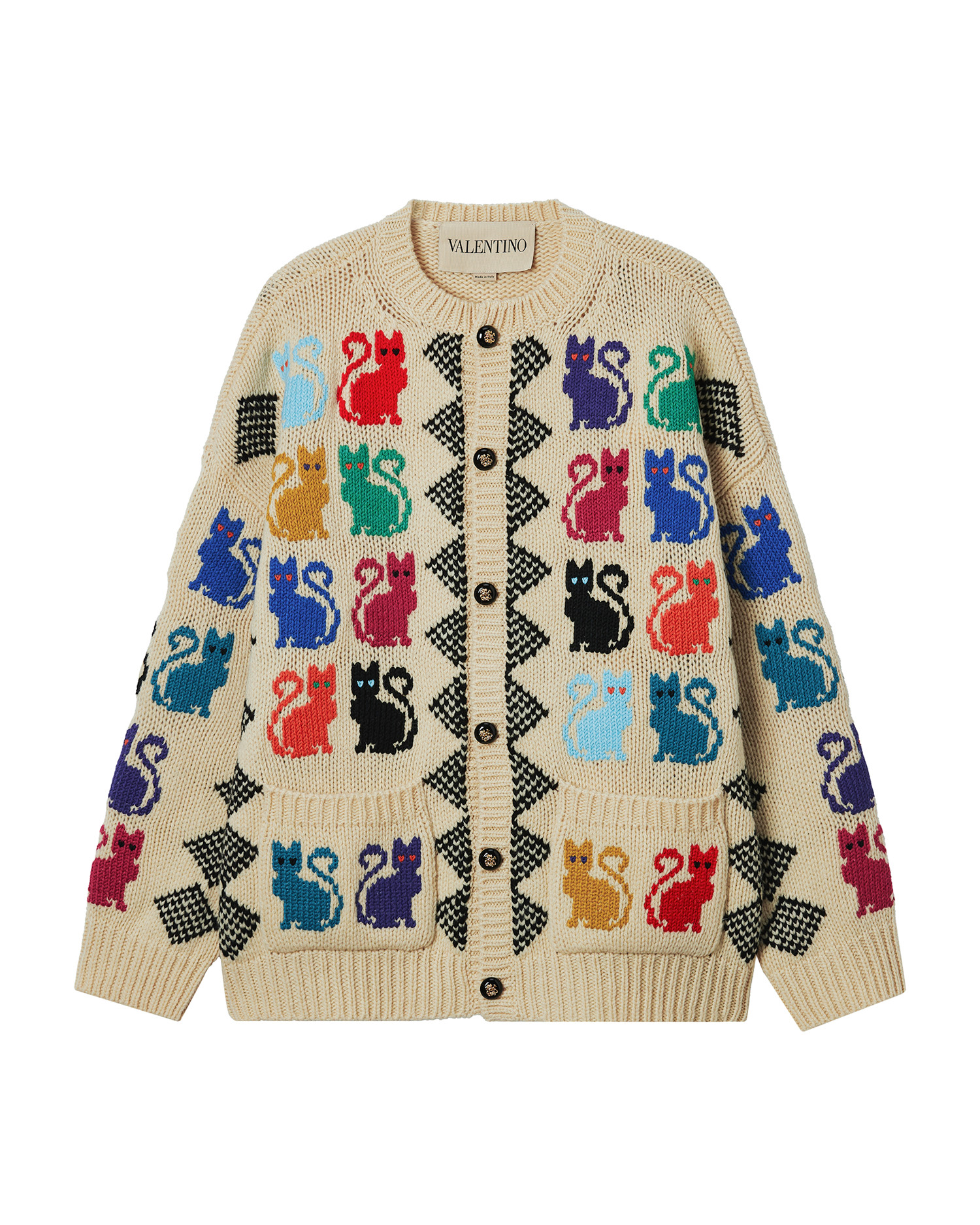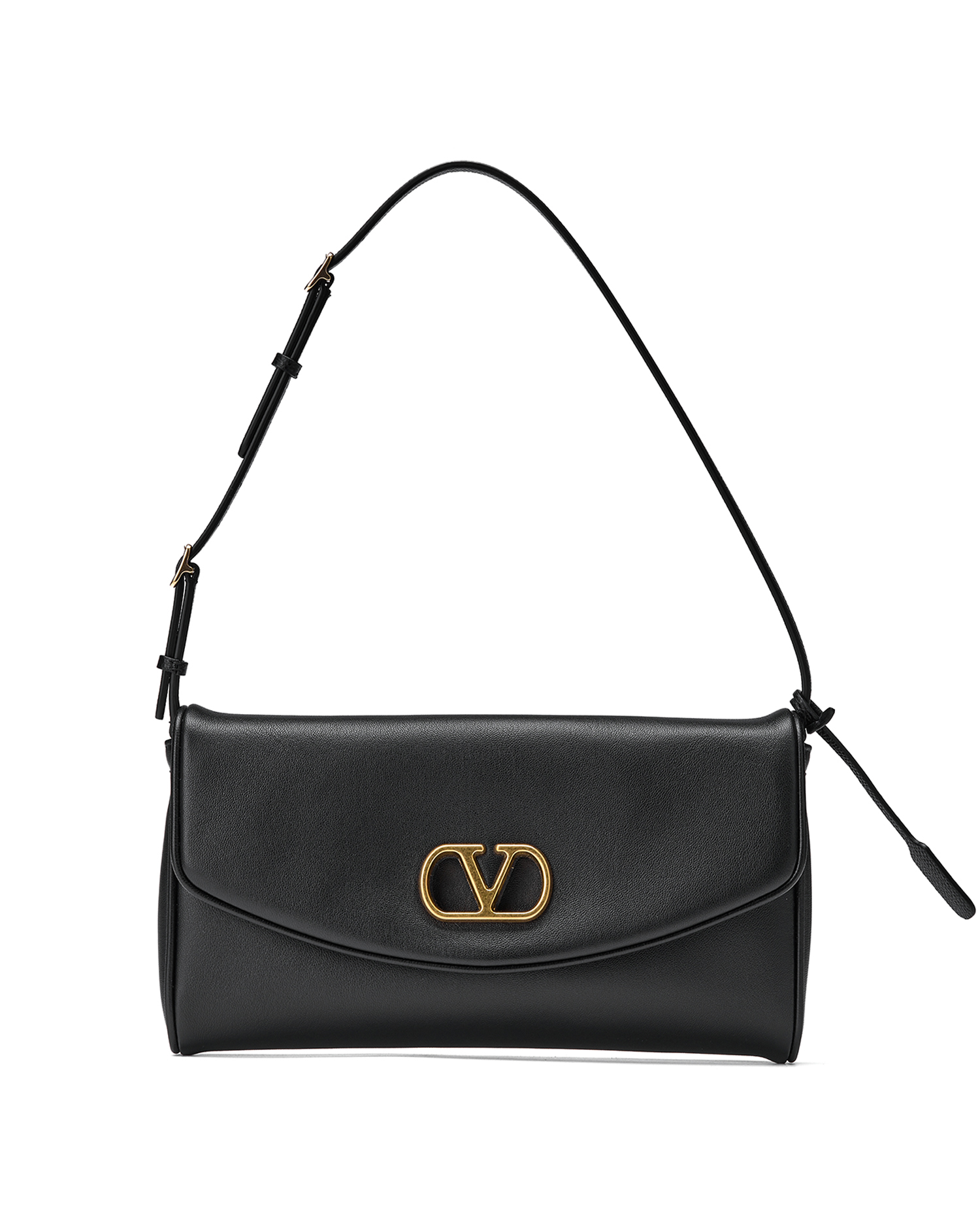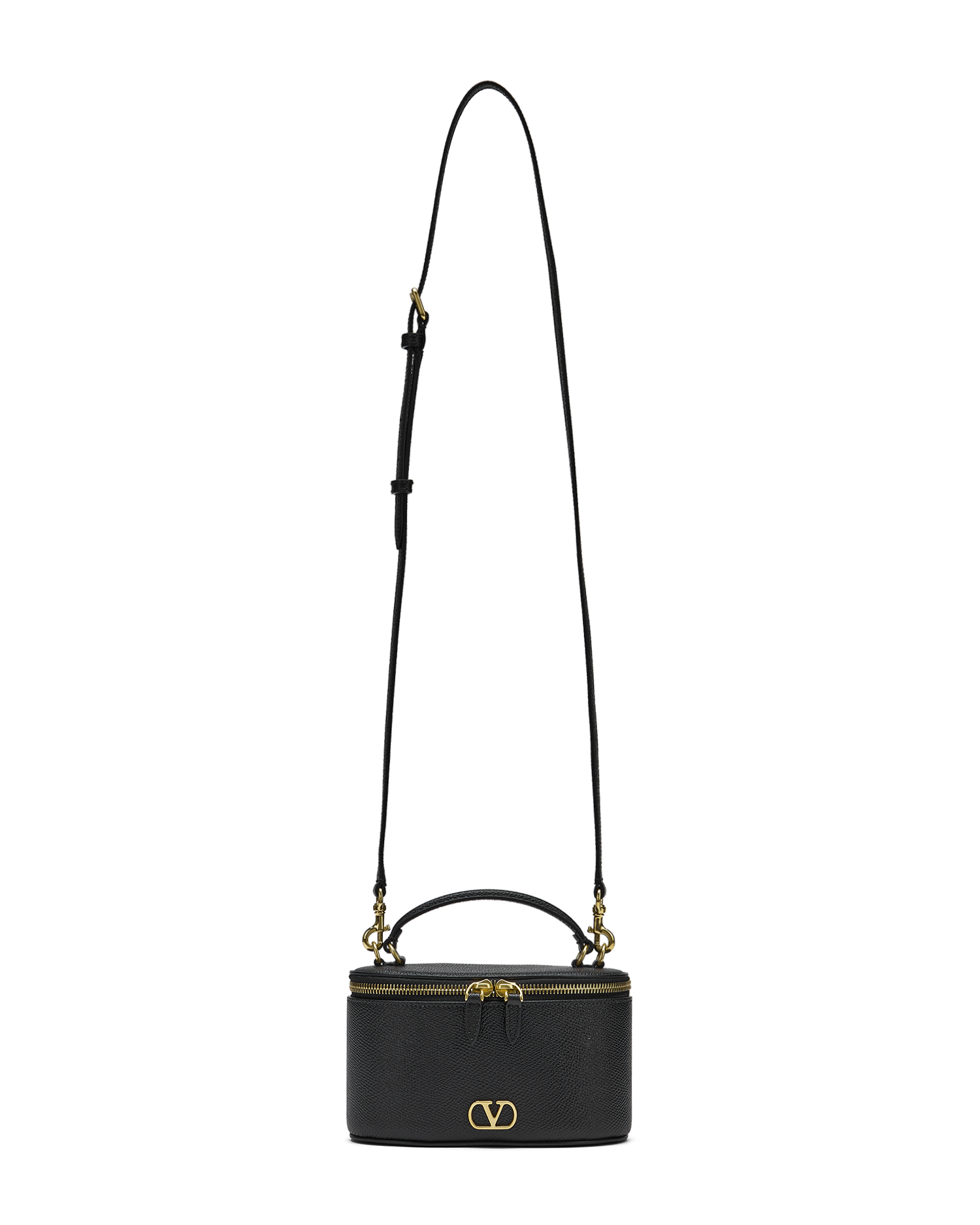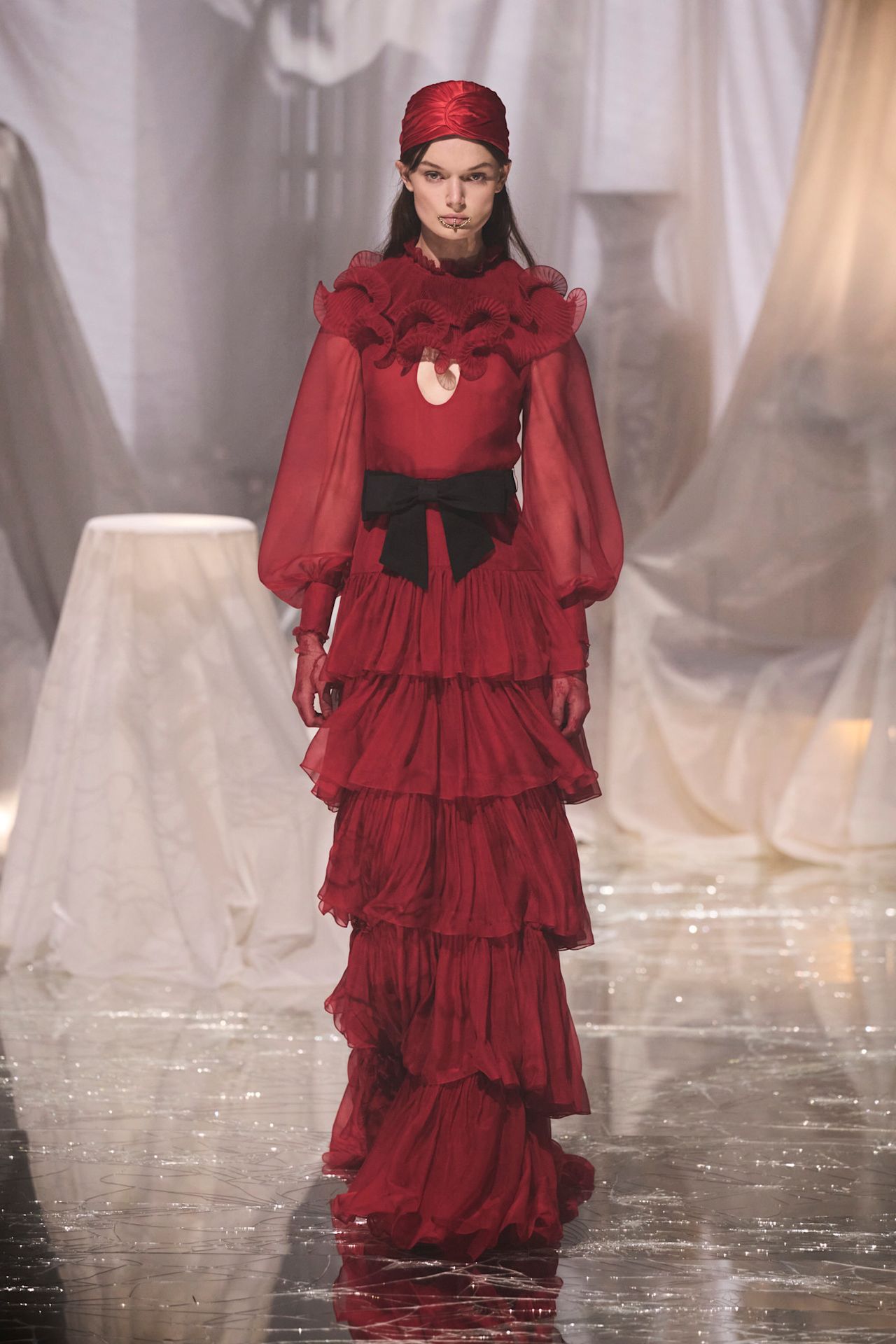
Alessandro Michele has never been the kind of designer who lets clothes do all the talking. For Valentino Spring 2027, staged under the provocatively erudite banner "Antibiblioteca," he built a collection around one of the most quietly shameful objects in modern life: the book you bought and never read. Guests arriving at the show were asked to bring books they had purchased but never finished, never started, never opened. The result, documented breathlessly by Vogue and Designboom alike, turned the runway into a living library of aspirational neglect — and reframed what it means to wear, and to want, clothing in 2027.
The premise is deceptively simple and deeply Michele. An antibiblioteca is not a library of books that have been read. It is a library of books that might be read, that were meant to be read, that sit as totems of a self we are perpetually becoming. For Spring 2027, Valentino translated that psychology directly into garment form.
The Look: Scholarly, Ecclesiastical, Deliberately Imprecise
Silhouettes gesture toward the academic and the ecclesiastical without committing fully to either. Think scholarly layering, softened tailoring, and the kind of deliberate imprecision that reads as intellectual rather than careless. The palette leans into what Grazia identified as fashion's shared wager this winter — not black, not gray, not navy, but a spectrum of aged paper, oxblood, and moss that feels lifted straight from a rare-books room.
Trims That Do the Talking
As L'OFFICIEL USA noted in its seasonal report, the trims carry the collection's argument. Passementerie, ribboning, and raw-edged bindings echo the spines, bookmarks, and marginalia of a life spent among texts. These are details that reward a second look — the fashion equivalent of dog-earing a page.
A Reading List, Not a Mood Board
Michele's influences, which he detailed to The New York Times around the collection's unveiling, run through the collection like a syllabus: the Italian literary imagination, the aesthetics of the archive, the romance of the unfinished. This is a designer who understands that Valentino in the 2020s is not merely a house of red-carpet spectacle — though it remains that, as Carrie Coon's recent turns in Valentino at the BFI London Film Festival attest — but a house that traffics in meaning. The Antibiblioteca conceit gives the Spring 2027 ready-to-wear a conceptual spine most collections lack, and it gives the customer something to participate in rather than merely purchase.
Who Wears It
Not, strictly speaking, the finished reader. The Valentino Spring 2027 woman is the one with three books on her nightstand and no intention of finishing any of them tonight. She is the collector of beautiful editions, the annotator who never gets past the introduction, the person for whom a book is an object of desire as much as a source of knowledge. The clothes meet her there. A coat that reads like a dust jacket. A dress that behaves like a first edition — precious, specific, and slightly out of reach. Hypebeast described the show as bringing "the noise to the library," and that tension is precisely the point: the collision of the sacred and the social, the studied and the spontaneous.
Why it matters now is harder to overstate. In a season where luxury houses are scrambling for cultural relevance — Chanel, Dior, Prada, and Gucci all chasing the same non-neutral palette, per Grazia — Valentino has done something rarer: it has built a collection around an idea. The Antibiblioteca is not a gimmick. It is a thesis about consumption, aspiration, and the stories we tell ourselves about the lives we are about to lead. Michele, whose tenure at Valentino has been defined by exactly this kind of referential density, has made the unread book into the season's most eloquent symbol — and the clothes that surround it into its most wearable argument.