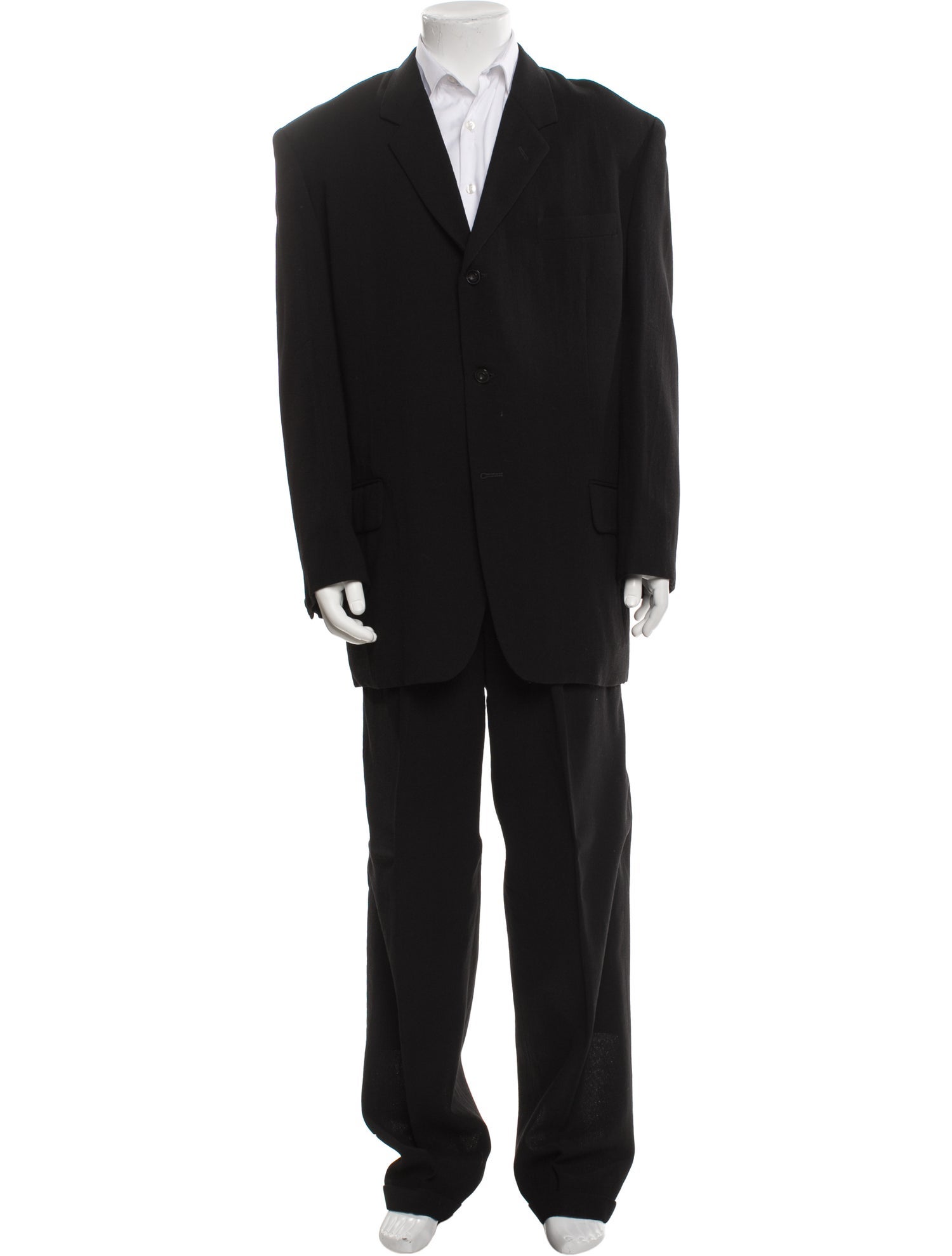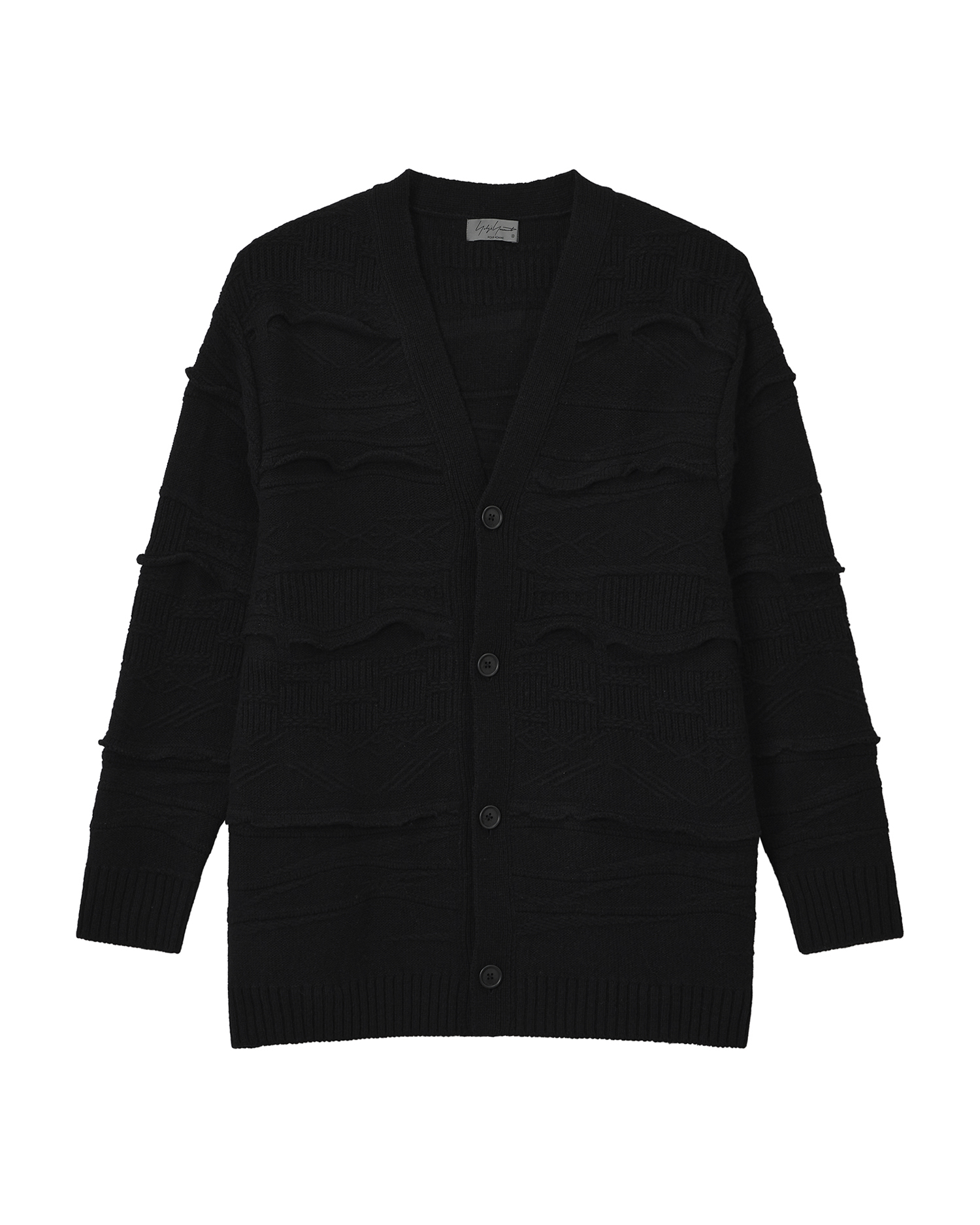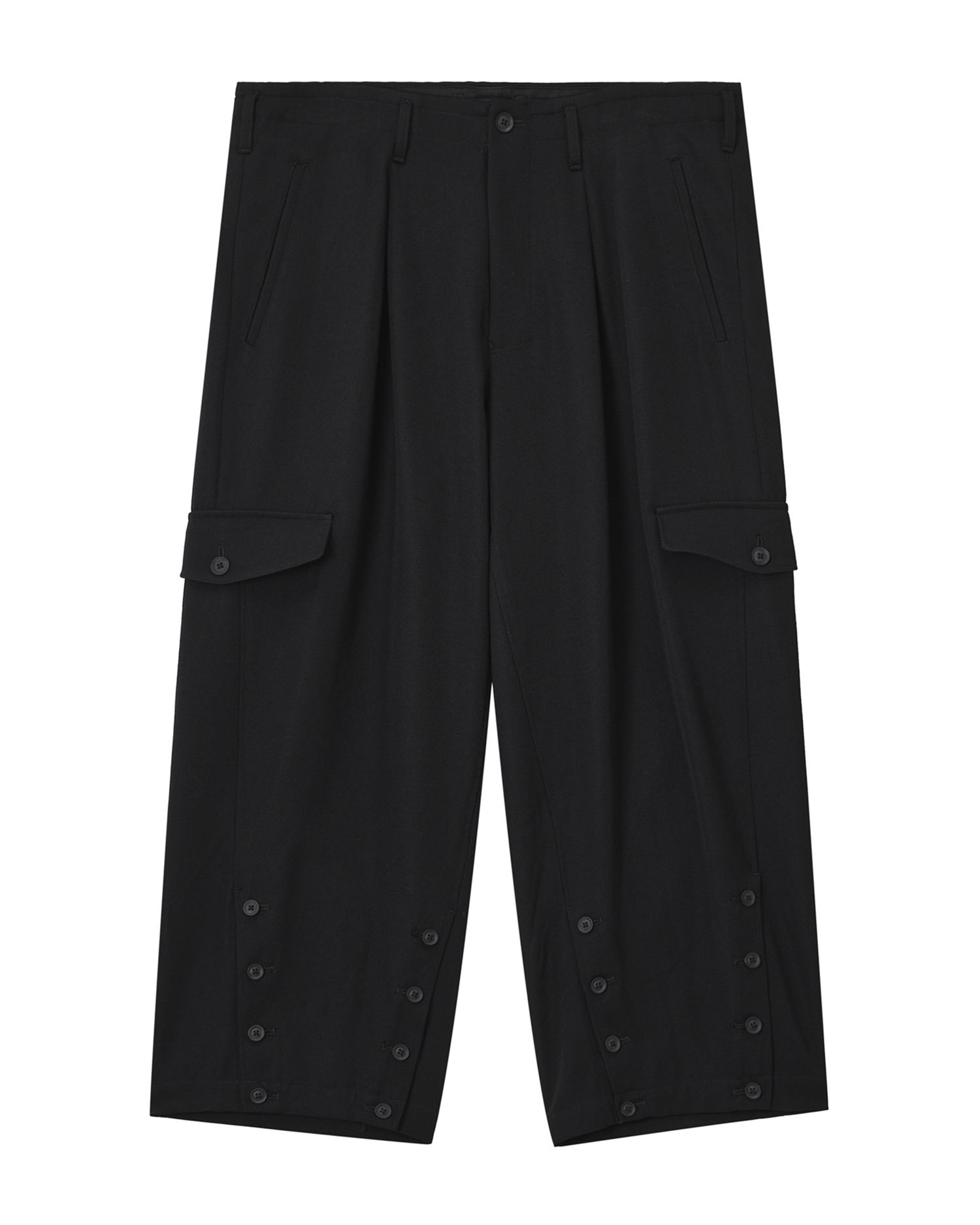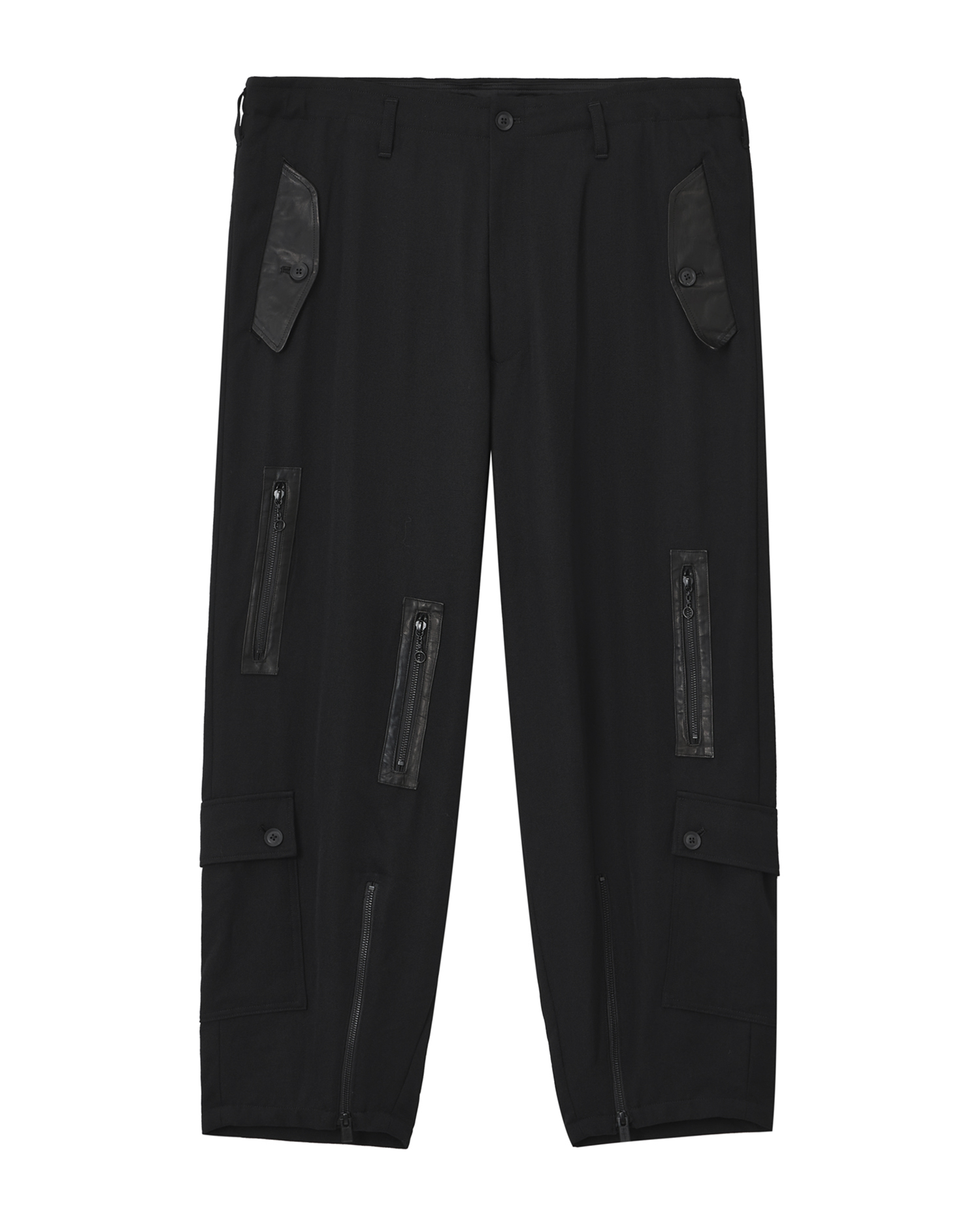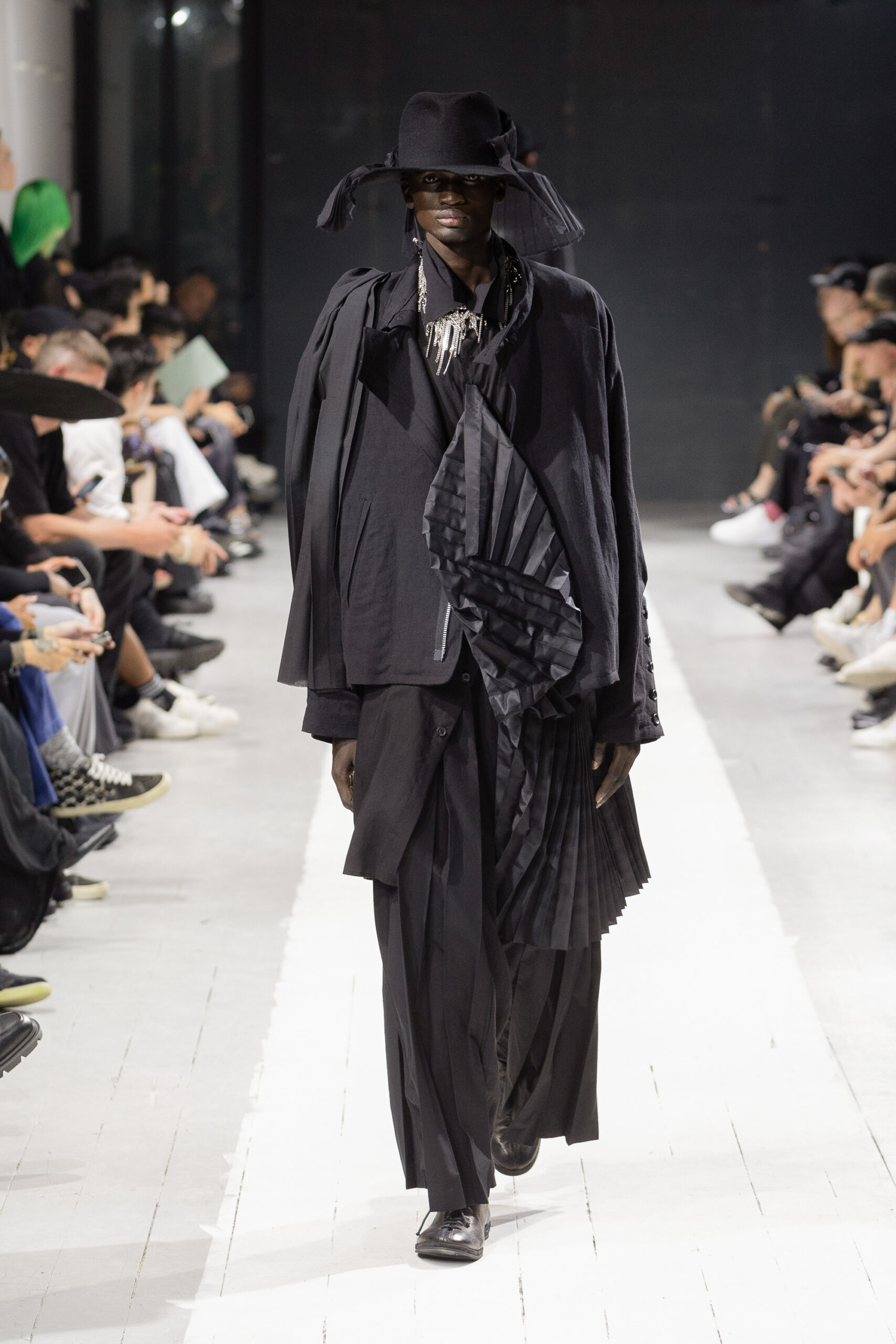
The suit has long been fashion's most stubborn artifact—a garment built on the premise that the body should be corrected, squared, and held in place. For decades, the presiding logic of menswear tailoring has been static: pad the shoulder, suppress the waist, fix the line, and ask the wearer to conform to it. Into that orthodoxy comes the YOHJI YAMAMOTO COSTUME D'HOMME "cut motion + motion sewing" suit, a piece of engineering that proposes something quietly radical—that a suit should follow the body in movement rather than discipline it at rest. Presented under the house's tailored COSTUME D'HOMME line, the collection has already drawn attention for redefining what a suit can be, and the reason is structural rather than decorative.
The name is the thesis. "Cut motion" refers to pattern-cutting developed around the trajectories the body traces as it moves—the swing of an arm, the pivot of a shoulder, the forward drift of a stride. "Motion sewing" describes the construction that follows: seams positioned and shaped to track those paths, so the garment's architecture is drawn along the lines of gesture rather than the grid of a stationary mannequin. The result is a suit whose silhouette is not a fixed shape imposed on the wearer but a variable one, resolved only when it is worn and in motion. Where conventional tailoring hides its engineering in canvas and padding, this suit makes movement itself the structuring principle.
The Architecture of Gesture
Materially and formally, the piece is unmistakably Yamamoto. The palette stays in the house's deep register—black above all, with the softened, slightly fluid hand that has defined the designer's work since the earliest days. Shoulders read relaxed rather than armored; lapels carry an ease that owes more to drape than to pressing. Yet this is not the voluminous, unstructured anti-tailoring sometimes associated with the brand. COSTUME D'HOMME is a tailoring laboratory, and the "cut motion + motion sewing" approach represents its most precise investigation yet—a suit that looks conventional at a glance and reveals its difference the moment the wearer walks, reaches, or turns.
A Perpetual Revolution, Extended
That tension sits at the heart of the house's enduring paradox, the subject of renewed critical attention in AnOther Magazine's recent examination of Yamamoto's "perpetual revolution." Yamamoto has spent more than five decades refusing the terms fashion sets for him—showing clothes that seem to exist outside season, trend, or gender convention—while remaining one of the most influential figures in the industry. L'OFFICIEL HOMME's charting of his career and influence, and the reappearance of Carolyn Bessette-Kennedy in GQ as "Yohji Yamamoto's great interpreter," both point to the same truth: his work has always been ahead of its audience, and its meanings accrue over time. The "cut motion + motion sewing" suit extends that lineage into the most codified garment in menswear, applying a lifetime of formal experimentation to the one piece least expected to change.
Tailoring for a Body in Motion
The timing is pointed. The suit is enjoying a genuine cultural revival, but the terms of that revival have shifted: wearers now expect tailoring to accommodate real life—movement, comfort, the body as it actually behaves—rather than ceremonial stillness. The COSTUME D'HOMME suit arrives as a rigorous answer to that expectation, not a concession to it. Its recent showing on the Paris menswear calendar, alongside Dries Van Noten, placed it squarely within the conversation about where men's tailoring goes next. And with the house's official web store, THE SHOP YOHJI YAMAMOTO, now carrying its full range of brands and lines, access to this level of construction is more direct than it has ever been.
This is a suit for the wearer who understands tailoring as a system of thought rather than a uniform of authority—someone who values the intelligence of a seam over the flash of a logo, who wants a garment that rewards scrutiny and improves with use. It matters now because it demonstrates that the suit need not be preserved as a relic or abandoned as obsolete; it can be re-engineered from first principles. In the YOHJI YAMAMOTO COSTUME D'HOMME "cut motion + motion sewing" suit, the body is not asked to hold still for the clothes. The clothes, at last, move with the body.